
They resist immediacy. There is no single gesture that defines them, no overt declaration of taste or trend. Instead, they settle in gradually, their logic unfolding over time. You return to them years later and nothing feels out of place. Nothing asks to be updated. The room simply endures.
Timelessness, in this sense, is not a style. It is a way of composing.
It begins with proportion.
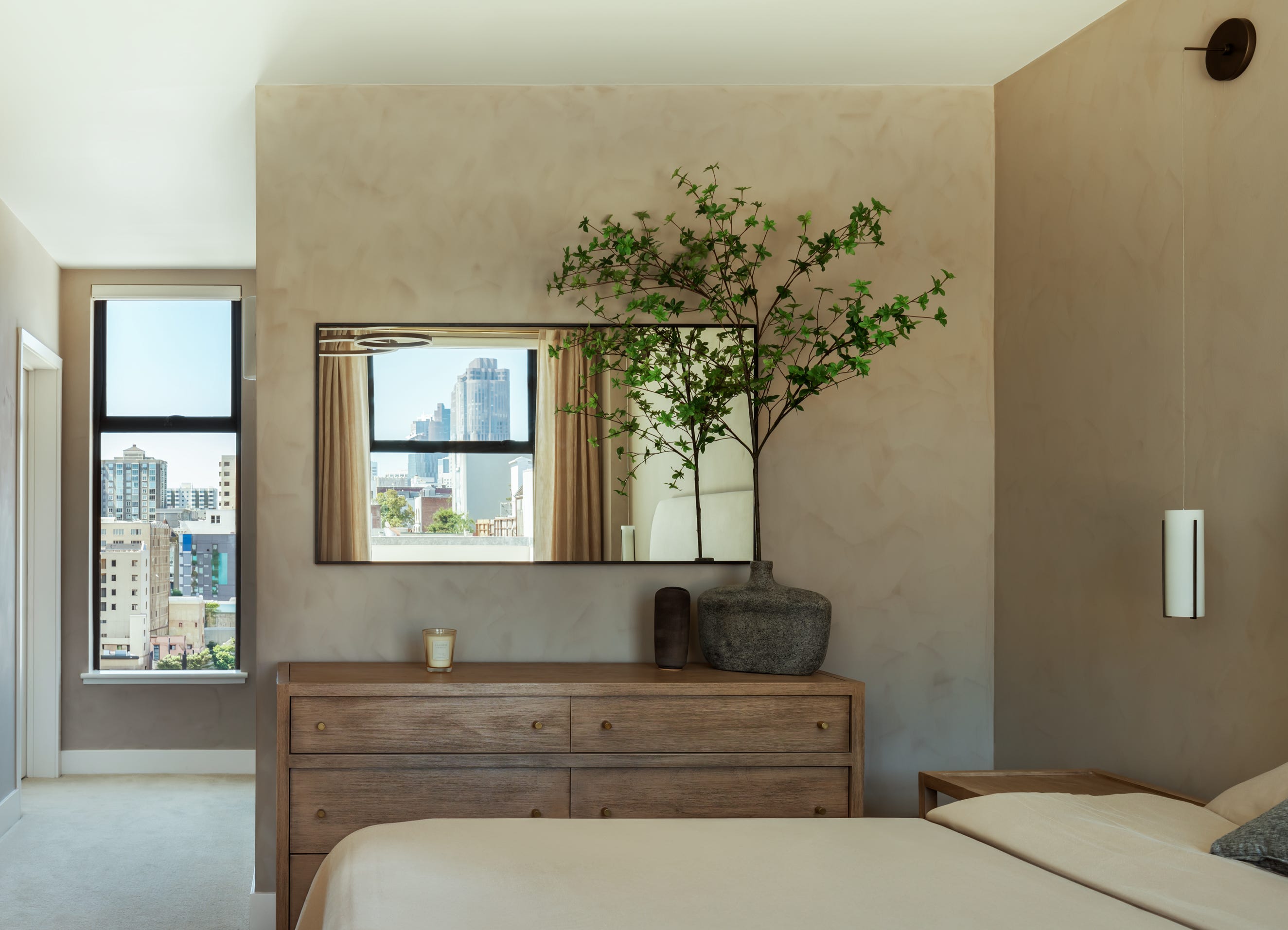
Before material, before color, before anything decorative, there is scale. The relationship between elements is what establishes a room’s quiet authority. A sofa that holds the floor without dominating it. A table that anchors without interruption. Lighting that meets the eye line with a sense of inevitability. These calibrations are rarely noticed outright, yet they are what allow a space to feel resolved.
From there, material takes precedence.
Not for novelty, but for integrity. Surfaces that register time rather than resist it. Wood that deepens in tone. Stone that softens, or roughens, at its edges. Metals that acquire a patina rather than a polish. These materials do not perform. They carry the imprint of use, light, and atmosphere, becoming more themselves over time.
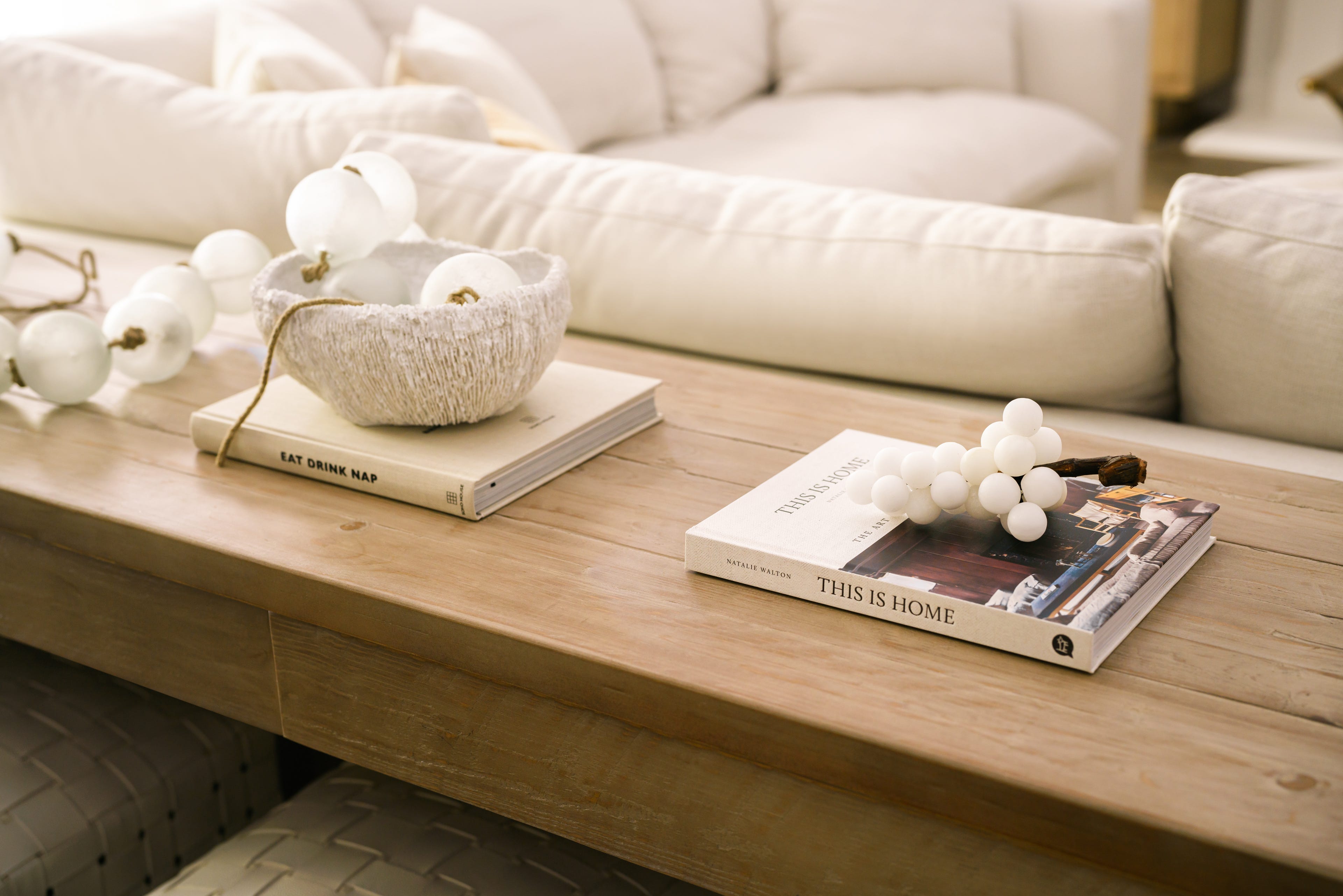
A room that depends on perfection is inherently fleeting. A room that anticipates change has the capacity to last.
There is, too, an element of restraint.
Not austerity, but precision. An understanding that accumulation alone does not create depth. Each piece is given space to exist fully, without competition. The edit is deliberate, never severe. Objects are chosen not to complete a composition, but to contribute to it, quietly and cumulatively.
This is often where rooms begin to date themselves. In the pursuit of cohesion over character, everything aligns too neatly. The result can feel fixed, even static.
Timeless interiors allow for tension.
They draw from multiple eras without allegiance. A classical line set against something more sculptural. A worn surface beside one that is crisp. The contrast is not decorative. It is structural. It introduces a kind of visual elasticity that prevents the room from settling into predictability.
Light, of course, is inseparable from all of it.
Natural light, in particular, acts as both editor and collaborator. It shifts the reading of materials, alters contrast, reveals texture in ways no fixture can replicate. A room experienced in the morning is not the same room at dusk. This variance is not incidental. It is essential.
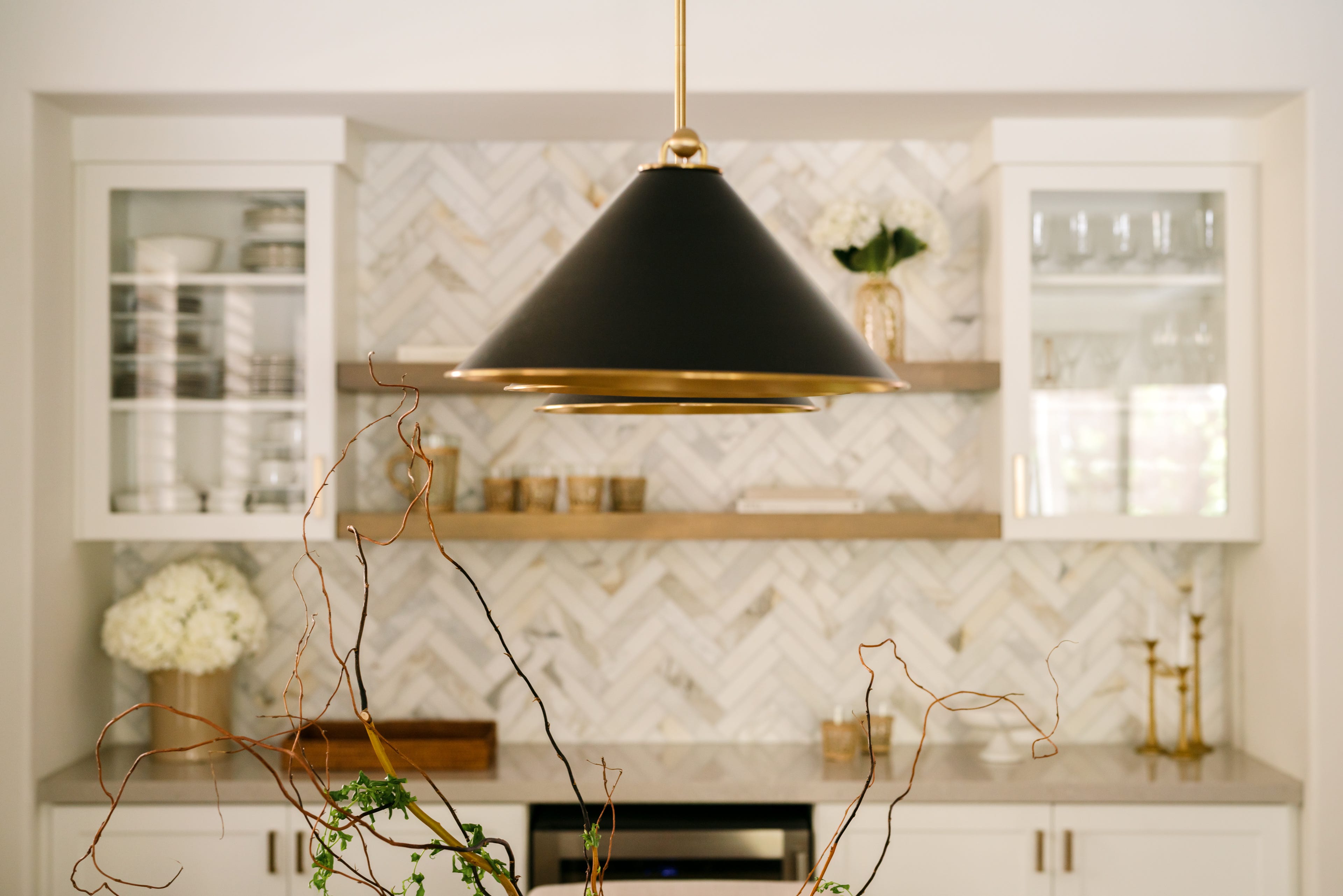
A timeless space is never entirely fixed. It moves, subtly, with the day.
And perhaps most importantly, it does not attempt to persuade.
There is no urgency to impress, no reliance on statement. The room holds its ground with a quiet certainty. It is composed, but not rigid. Layered, but not excessive. It invites habitation rather than attention.
You may not register all of this consciously.
But you feel it.
And that is what lingers.
No posts
Comments
Nothing yet. Say the first thing.
Sign in to join the conversation.