
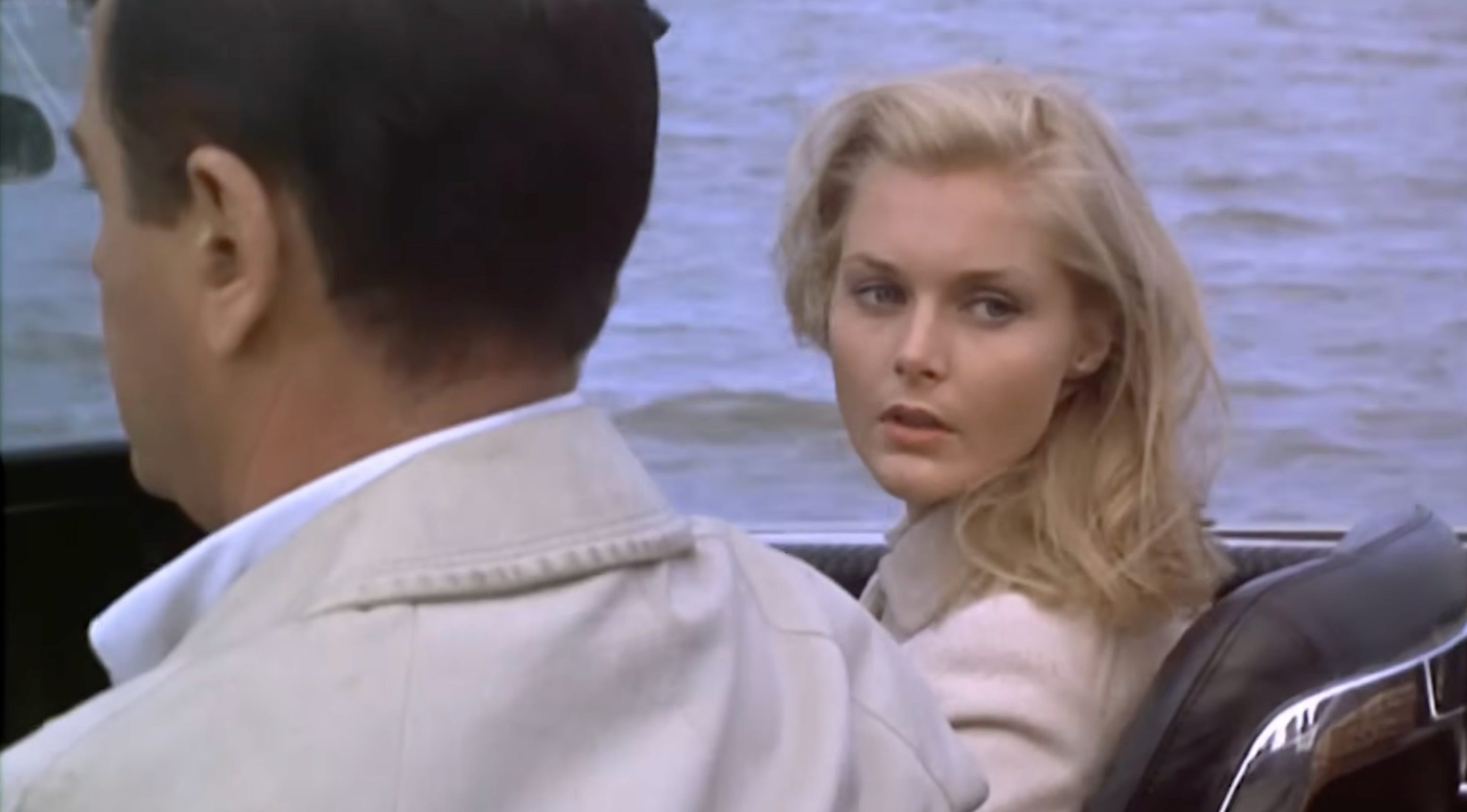
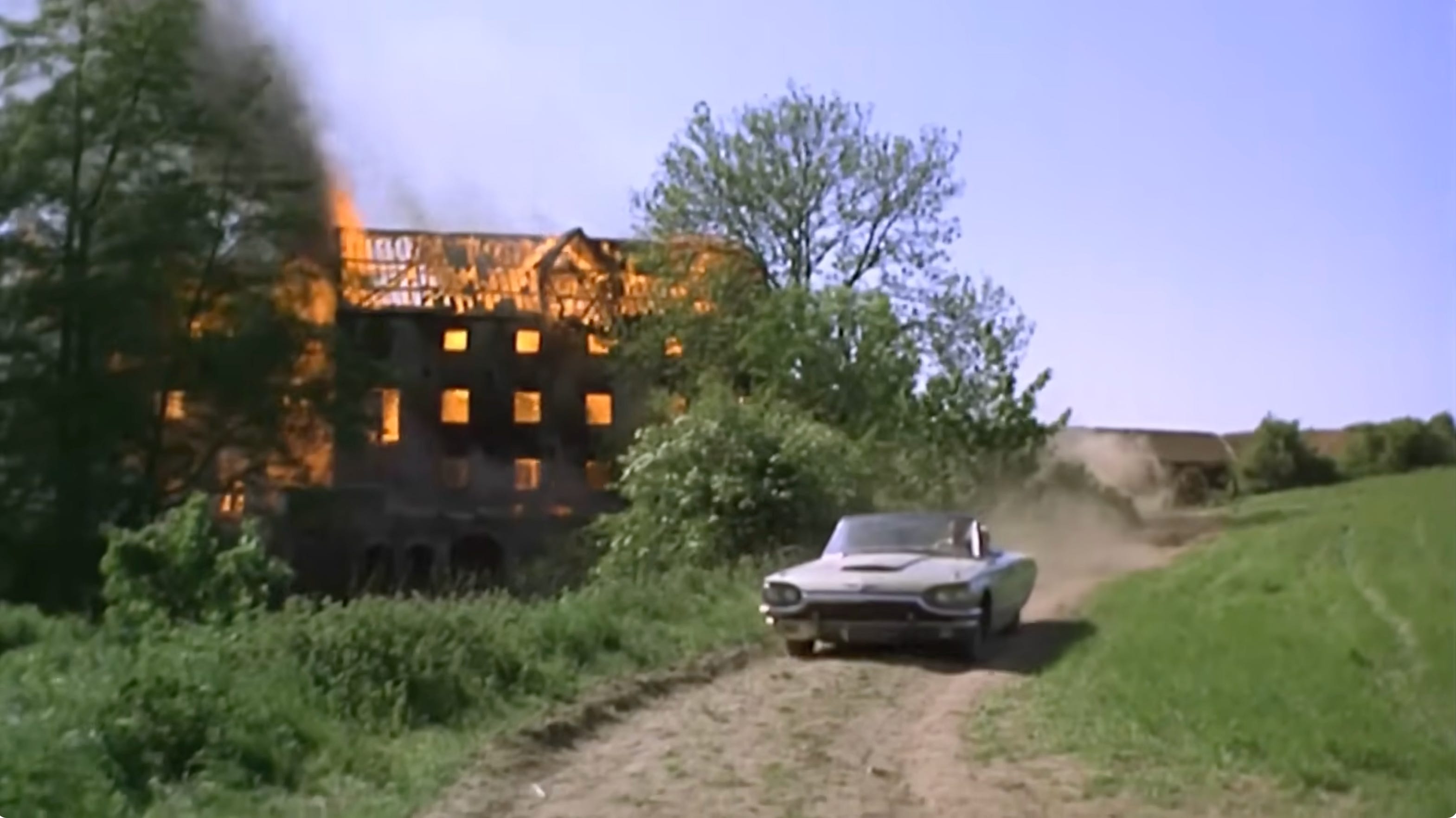
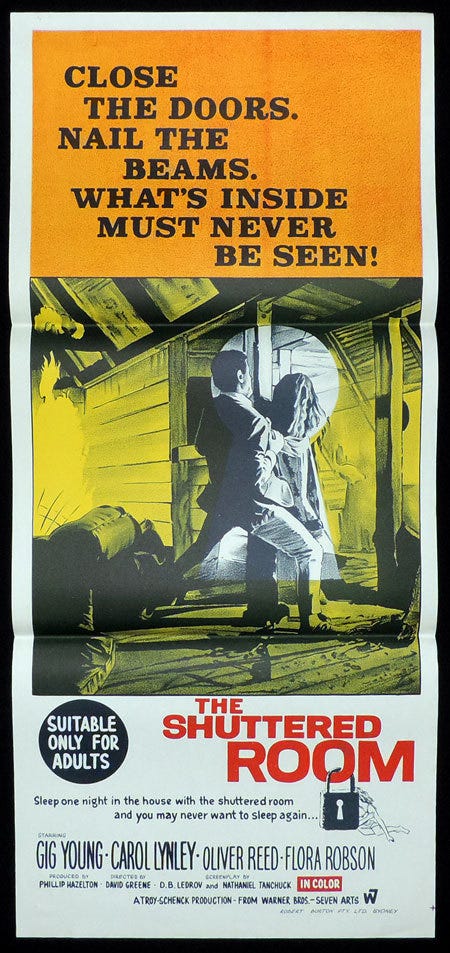
Carol Lynley Weekend continues on WEEKEND FLICKS. Cinema for Grown Ups. Today’s post (which, as ever on a Sunday, is FREE and open to all) is The Shuttered Room (1967) — an entertaining exercise in Rural Gothic. H. P. Lovecraft meets Deliverance (1972) or Straw Dogs (1971). And a gorgeous 1965 Ford Thunderbird steals the show…
David Greene’s film is based on The Shuttered Room, a short story by the American writer August Derleth, apparently based on notes left by H. P. Lovecraft after his death, and published as part of the collection, The Shuttered Room and Other Pieces (1959), alongside stories by other writers, including Robert Bloch.
I like the premise. Urban sophisticates drive down to the country (in a flashy Ford Thunderbird convertible) to do up a dilapidated water mill. We’re immediately in the great town vs country divide, inspiration for so many films and television dramas, from The Wicker Man (1973) to Deliverance (1972), from Straw Dogs (1971) to Cold Comfort Farm (1995), from Local Hero (1983) to The Texas Chainsaw Massacre (1974). Along similar lines, but without the horror, there was a television drama — I have forgotten which exactly, but I think it may have been Unexplained Laughter (1989), based on the book by Alice Thomas Ellis — in which blasé Londoner, Diana Rigg, drives down to Wales in a drop-head Volkswagen Golf to patronise the locals.
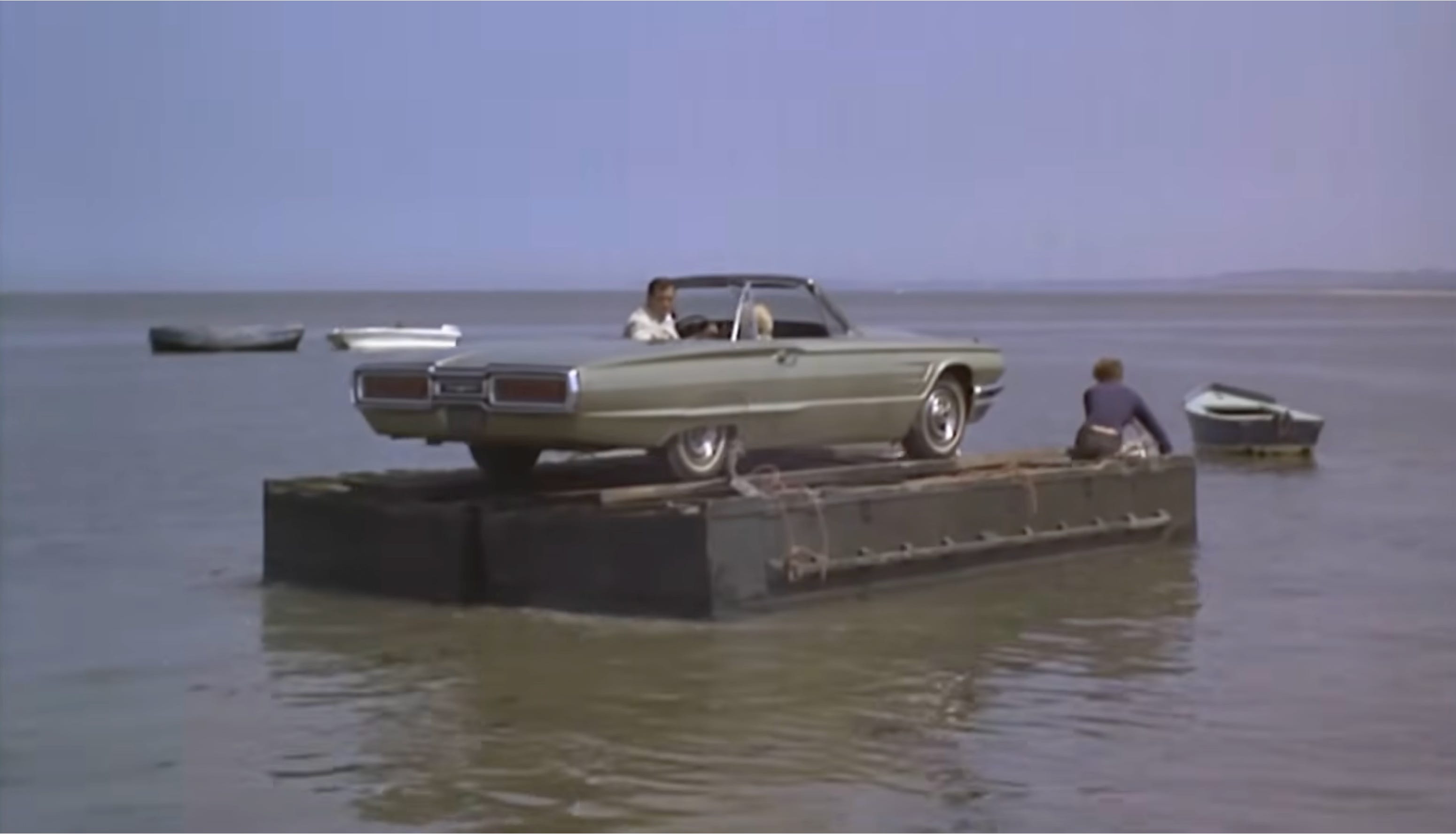
And so All-American Hunk of Middle-Aged Manhood, Mike Kelton (Gig Young) and his Twenty-One-Year-Old Blonde Wife, Susannah (Carol Lynley), inherit this creepy old mill house, supposedly on some isolated, remote island in Massachusetts, but actually filmed in Norfolk and Kent, England — and lucky them! I can’t think of anything more exciting. I would love to inherit an old water mill on an island somewhere. Especially a mill with a dark, hideous secret.
And I have this little fantasy: A weekend ‘cottage in the country’. To the west of London it would have to be. Berkshire, Hampshire or Wiltshire — somewhere like that, fly-fishing heaven. Off the M4 or M40. An olde half-timbered cottage done up to the nines. Like a Knightsbridge penthouse from The Stud (1978), a temple to sinful luxury. Shagpile carpets, a drinks trolley well-stocked with Tanqueray, smoked-glass coffee tables, sub-Jackson Bollocks under picture lights, sunken baths in asparagus, with dolphin taps in gold. So Harrods. It would be most amusing. A swanky Hi-Fidelity system with a collection of rare Deutsche Grammophon LPs. A Bristol or Jensen parked outside on the crunchy gravel drive, a burglar alarm linked to the local police station: handy when, during your weekly absence, the locals break in to nick your collection of antique Staffordshire figures, themed on the Crimean War.
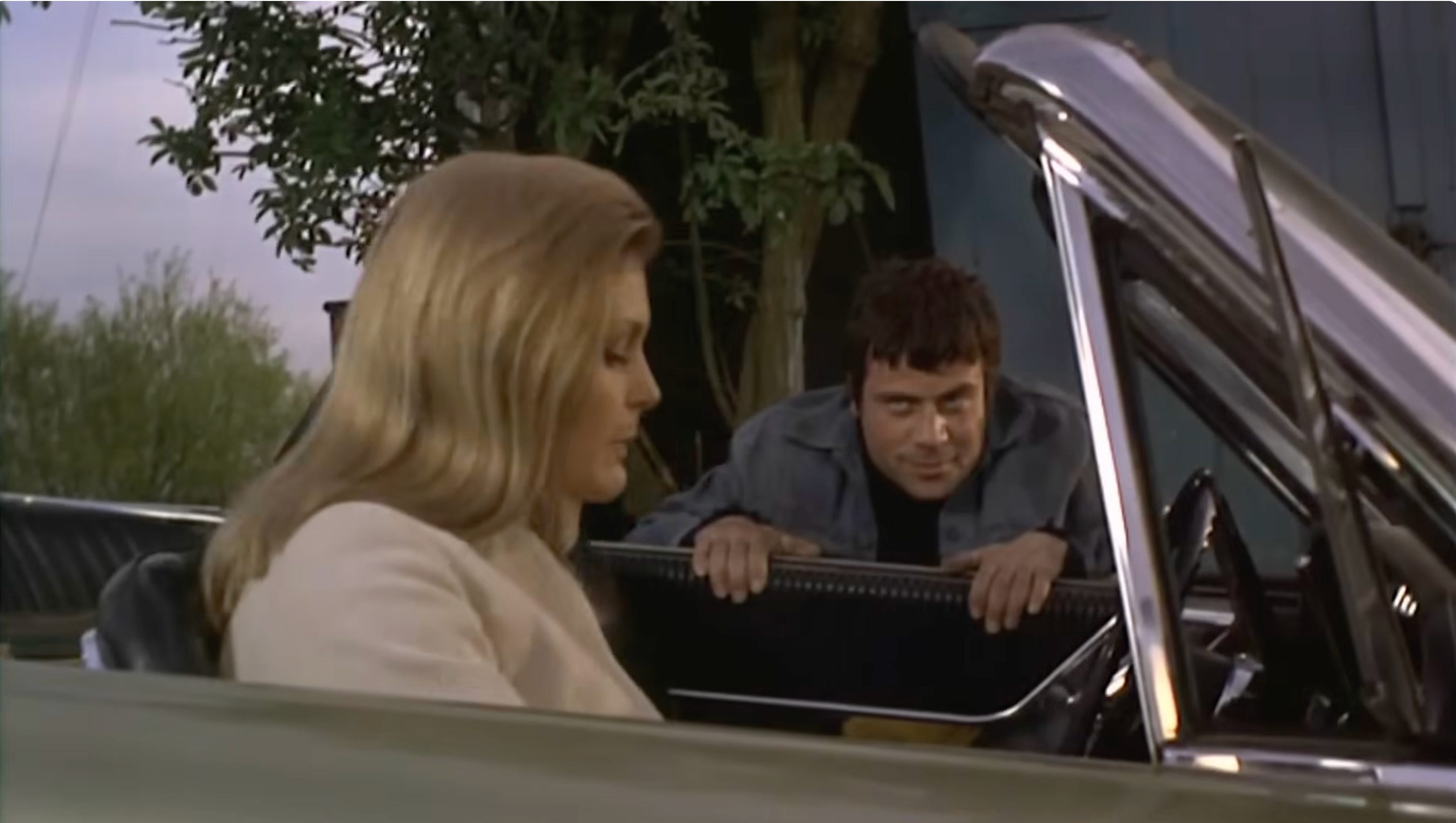
Anyway. In the meantime, the Keltons make their acquaintance with the local yokels. Susannah’s lecherous cousin, Ethan, played by Oliver Reed, is the most unlikely denimmed and demented yoblet, like a Simian gooseberry. I’m not sure why exactly, but his performance immediately reminded me of Trog (1970), starring Joan Crawford, a film about an escaped troglodyte from a research laboratory in the Home Counties. And talking of which, without giving too much away, let’s say there’s a Jane Eyre element to The Shuttered Room (1967) — more than a dash of Glamis Castle, birthplace of the late Queen Mother.
Things then turn even more sinister when the Keltons visit witchy old Aunt Agatha (who lives in the South Foreland lighthouse), played by Dame Flora Robson. Yep. Dame Flora. What she is doing in The Shuttered Room (1967), incidentally, aka Blood Island, is anybody’s guess. But there’s a distinctive sense of place, which I like very much indeed: the flat marshes of Kent, the ramshackle car ferry and the scrappy boat yards of Faversham with all their maritime detritus, the painted clapboard reminiscent of the American East Coast, sort of… and the old water mill itself, which, thinking about it, is very East Anglian. And the whole kinda gels into one, so you’re thinking this might, possibly, on a rainy day, be an island in Massachusetts, but at the same time you realise, it most decidedly isn’t. More problematic is Oliver Reed’s bizarre accent; like a cross between John Boy and the Wurzels.
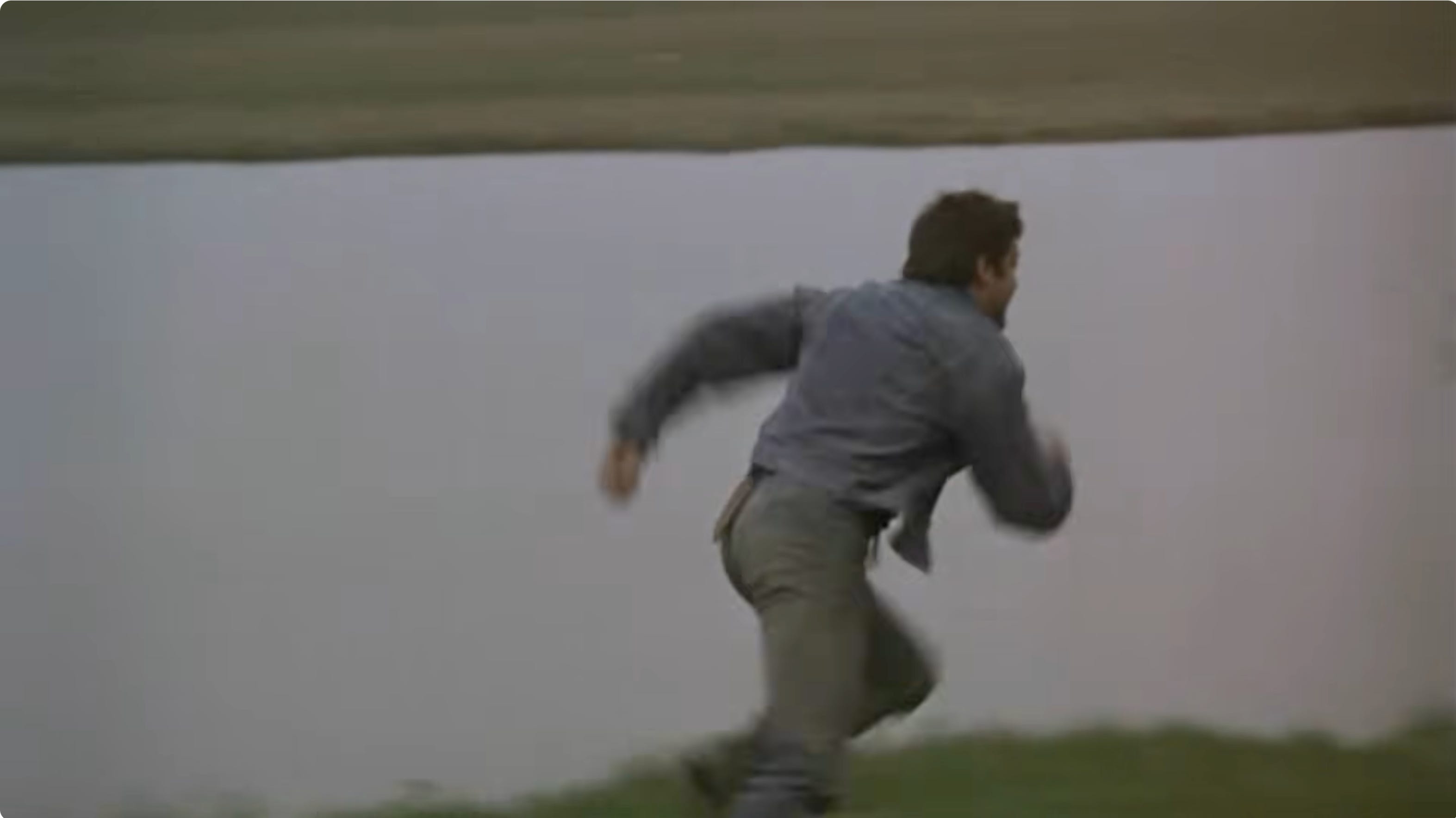
But what I will give away is the fact that the mill house actually burns down at the end of the film. Poor Carol, who’s placed near the conflagration in the Thunderbird, looks decidedly spooked in real life. And when I say actually, I mean it really does. Yep. The director, David Greene, torched the place in real life. A pyromaniac’s wet dream. An historic Norfolk water mill (rebuilt in the 1820s) consigned to the architectural ashes of history. Okay, it was derelict. But still. Understandably, this caused quite a stink at the time amongst the locals and architectural conservationists.
On June 6th, 1966, a letter appeared in The Times:
Sir, As director of the film, I was responsible for ordering the burning of the old mill at Hardingham, Norfolk. This mill was quite without architectural interest, had not been occupied for 40 years, and was so dangerously dilapidated that the road past it was closed to traffic as unsafe.
Its outer appearance was grim and forbidding, and the photographs published in the newspapers all showed it artificially beautified by my film art department, with false windows, doors, shutters, & c.
It was these photographs which roused the indignation of the rural preservationists, who had never previously taken the slightest interest in the place!
Yours sincerely, David Greene.
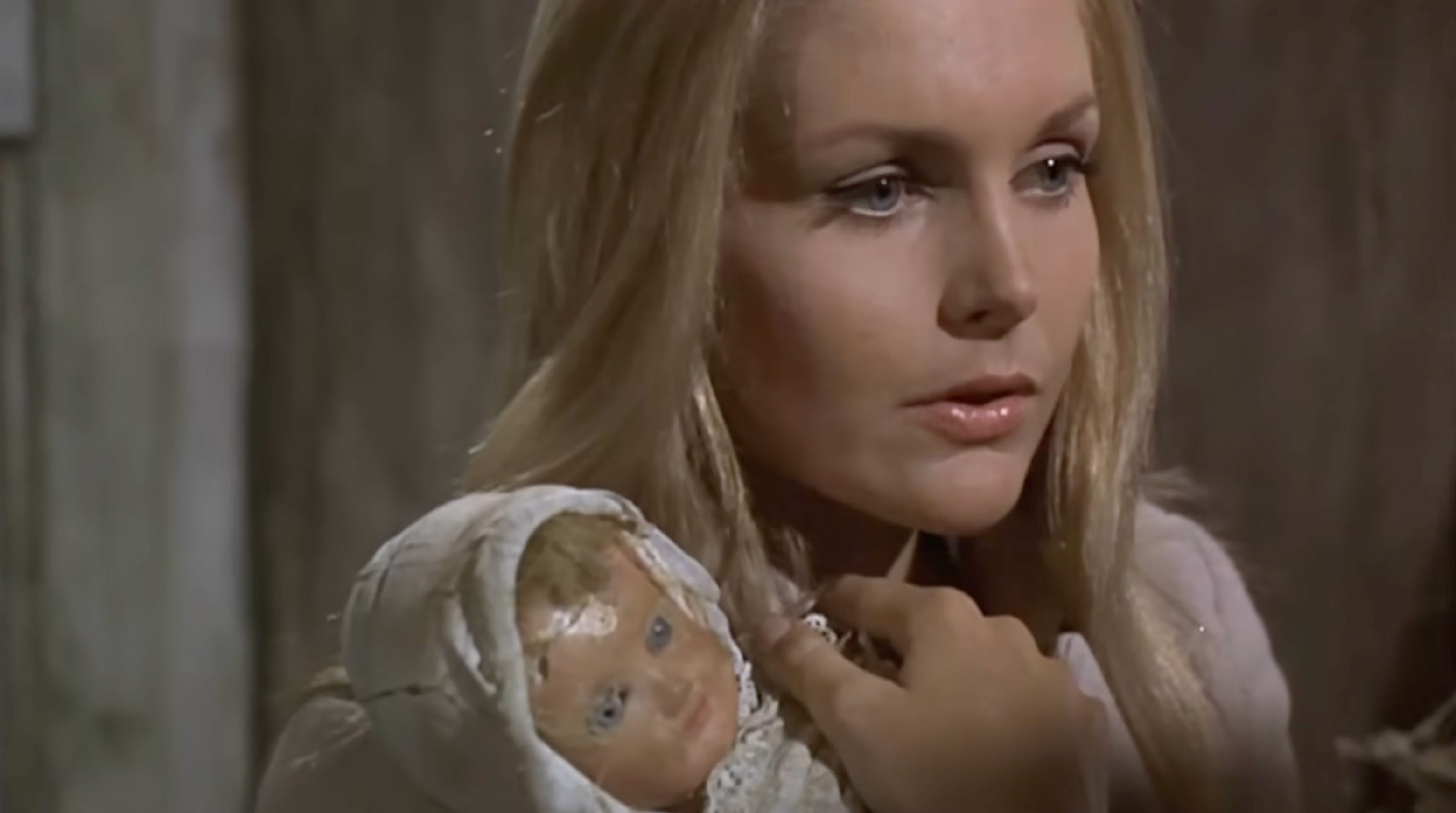
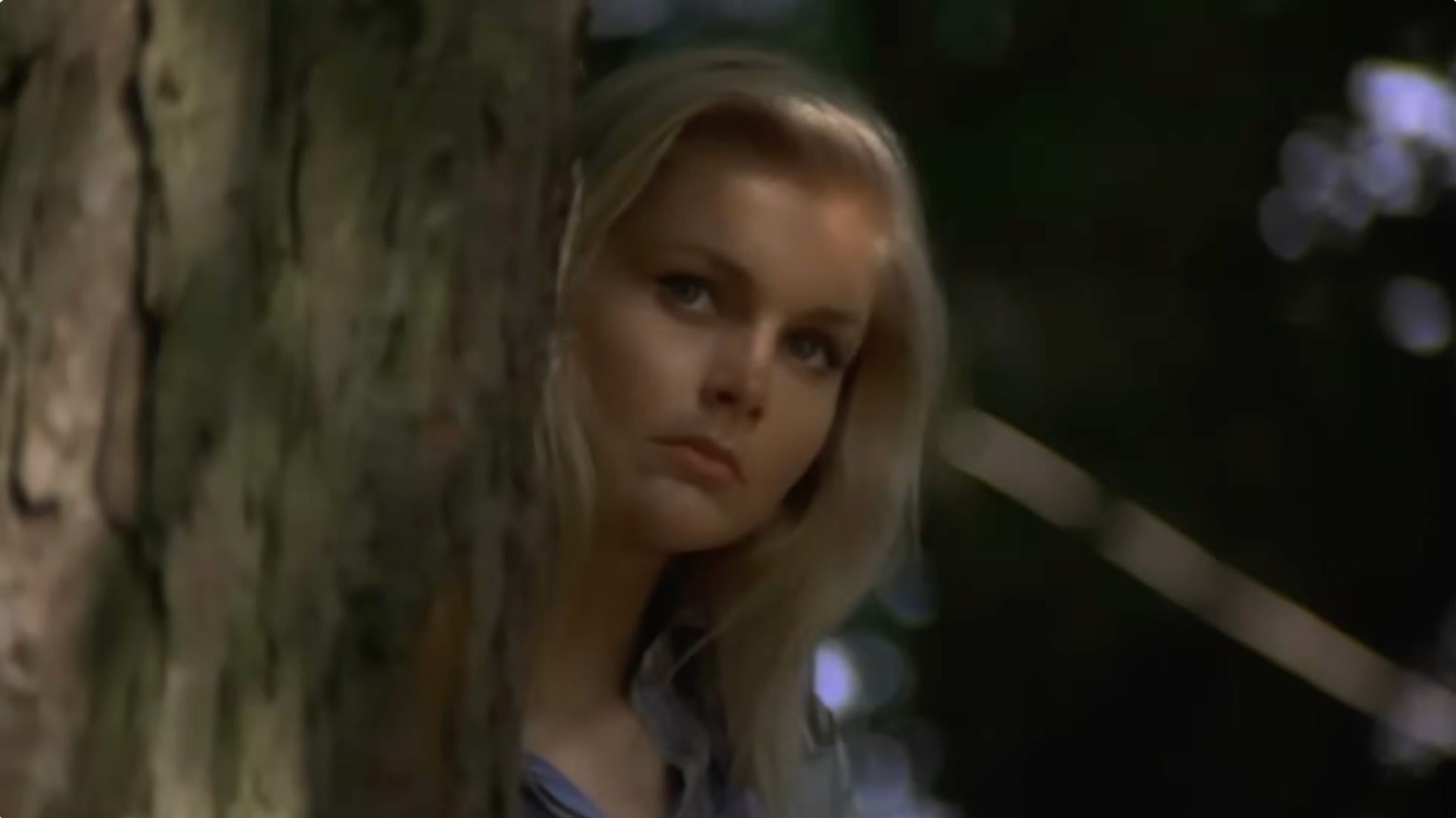
Before I forget — in the middle of the film — there’s a dreamy soft-focus shot of Carol wandering through the Kent/Norfolk countryside aka Massachusetts, with lots of lens flare, backlighting and golden light playing on her lovely blonde hair, like a television commercial for Cadbury’s Flake. It’s really cinematic.
I watched The Shuttered Room (1967) on YouTube. It’s also available on DVD. And despite the Horror B-movie connotations, or perhaps because of the Horror B-movie connotations, I rather enjoyed it. Actually, The Shuttered Room (1967) is about as scary as a rancid Monster Munch. A fun film for a late Sunday evening. Carol’s gorgeous, and the interesting, salty, Kent location makes a change from South Buckinghamshire and the dripping rhododendrons of Pinewood. I like Ken Hodges’ atmospheric colour cinematography, filmed only a year after Denys Coop’s Gothic black-and-white cinematography for Bunny Lake Is Missing (1965) — it’s as if they’re from two different planets. And the Ford Thunderbird is to die for. And as an added plus (for those of us of a pyromaniacal disposition), it’s the only time I’ve ever seen an historic water mill burned down in real life.
A big thank you to all of you who have subscribed. How are we doing? Time for a recap. I began Luke Honey’s WEEKEND FLICKS. Cinema for Grown Ups, back in December 2023 — inspired by those vintage indents for London Weekend Television. That feel-good feeling on a late Friday afternoon when sensible, worthy old Thames Television handed over to the racier LWT. My bright idea (which, like Archimedes’, occurred to me in the bath) was to recommend two films over the weekend, with the rule that all films should be readily available, either on affordable DVDs or, preferably, as instant downloads. A good move for the impatient and the impecunious.
WEEKEND FLICKS. is very much a personal view. Old films have brought me a great deal of pleasure over many years, and I’m hoping that I can inspire you to watch something you may have forgotten about or might not even have come across. As most of these films are no longer shown on television, the urge becomes more pertinent.
We’ve just hit 1,600 subscribers. It’s bloody hard work (7.00 am sharp, a crawl to the computer, a cup of strong black coffee and calluses on my fingers), but I enjoy it immensely. And there are now well over 200 films in the WEEKEND FLICKS. archive.
So what do you get? Two possibilities on WEEKEND FLICKS.: ‘Paid-for’ subscribers get an extra, exclusive film recommendation every Friday morning, plus full access to the complete archive. It costs £5 a month (or £50 a year) — a bargain, frankly, when you compare it to a few cups of coffee, a packet of semi-legal gaspers or a pint of the fizzy stuff in a pub. ‘Free’ subscribers get access to the Sunday newsletter, plus the ‘free subscriber’ films in the archive. Either option is a good bet.
No posts
Comments
Nothing yet. Say the first thing.
Sign in to join the conversation.