
I recently read a thought-provoking Substack article by Claire Franklin (whose writing I really enjoy), where she remarked on the rise of interior design influencers. The points she articulated got me thinking about this huge surge in creators that critique people’s homes, and why this kind of seemingly innocuous content may be more harmful than we realise.
It’s no secret that in the age of algorithm-driven clickbait, a surefire way to attract eyeballs is to churn out content with catchy one-liners that evoke fear, i.e. ‘Why your home looks cheap’, with a promise to provide answers; ‘5 mistakes people make when designing their kitchen, and what to do instead’… You’ve seen it; you get the gist.
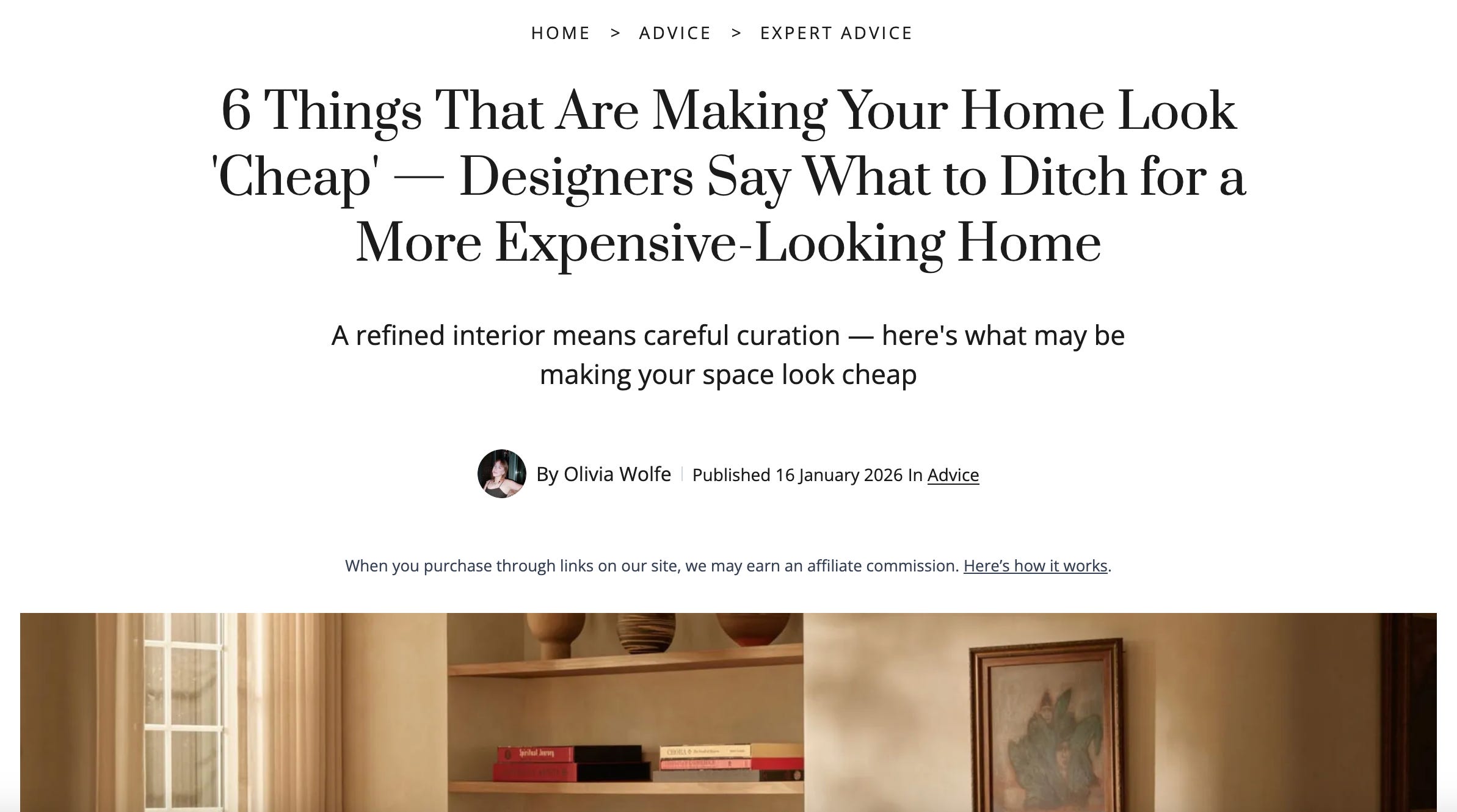
This type of content isn’t exactly new; one can argue that it’s always existed - in newspapers, magazines, traditional advertising, all that good stuff. To some degree, we’ve always been exposed to material written in this manner; content that leverages derogatory buzzwords such as ‘cheap’, ‘tacky’, and ‘bland’ to get us to tune in. However, thanks to social media and the democratisation of content creation, what was once a steady trickle has now become a flood.

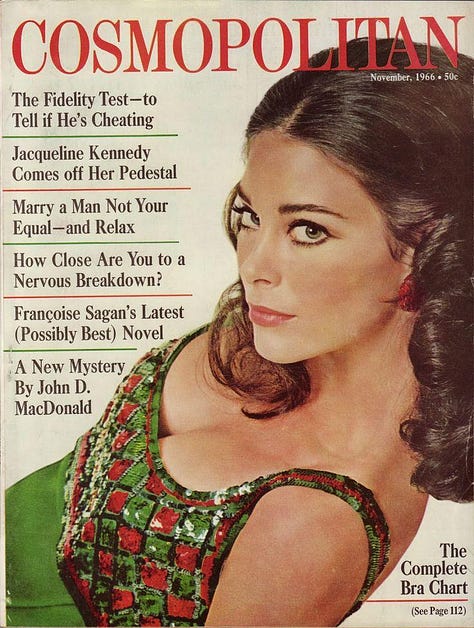
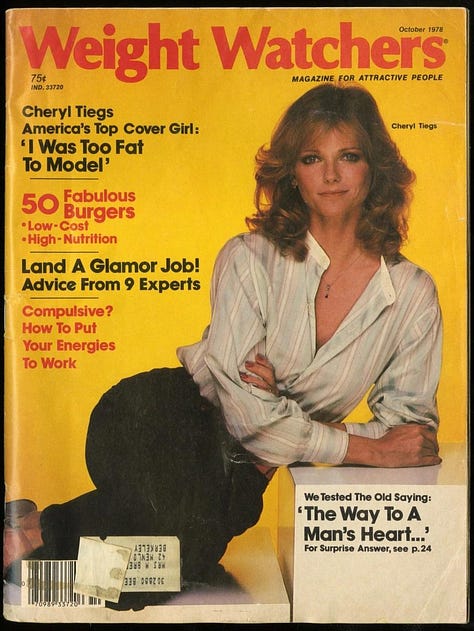
I think my biggest gripe with this kind of content boils down to its lack of authenticity. Countless reels regurgitate the same tips, with tried-and-true language that attracts viewers and drives traffic. For example, a take that I’ve grown really tired of hearing is the hard push towards colour drenching, and the insistence that it’s not just a trend.
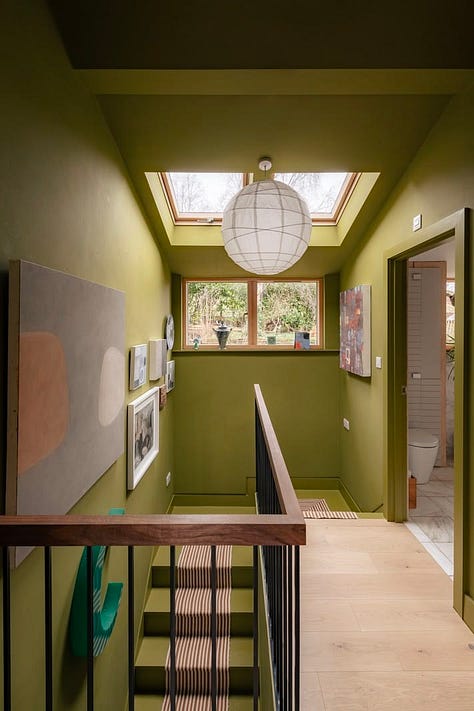
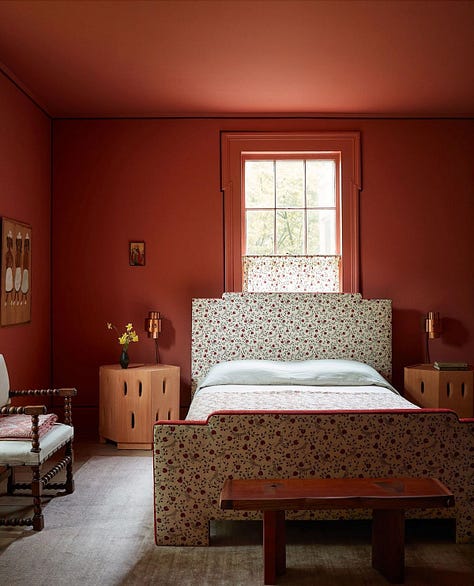
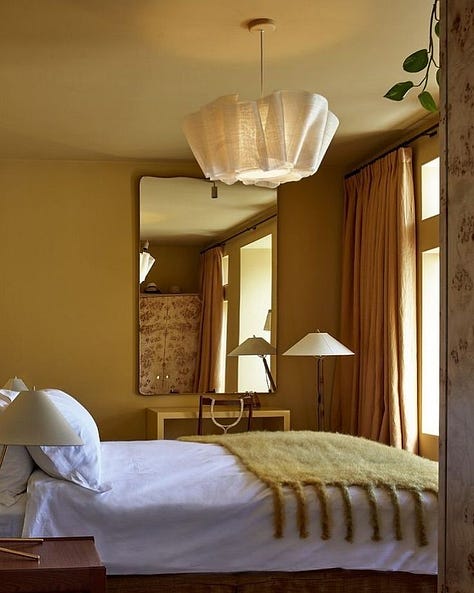
Whether or not you should colour drench a room depends on so many different factors: lighting, scale, layout, the texture of the walls, whether the room has cornices and/or intricate plaster detailing… and so on. Don’t get me wrong, I often love the result, but to claim that colour-drenching an entire Georgian sitting room—and its ornate, original plaster mouldings—is a timeless choice is simply not true. The pendulum will inevitably swing in the opposite direction one day, as it always does.
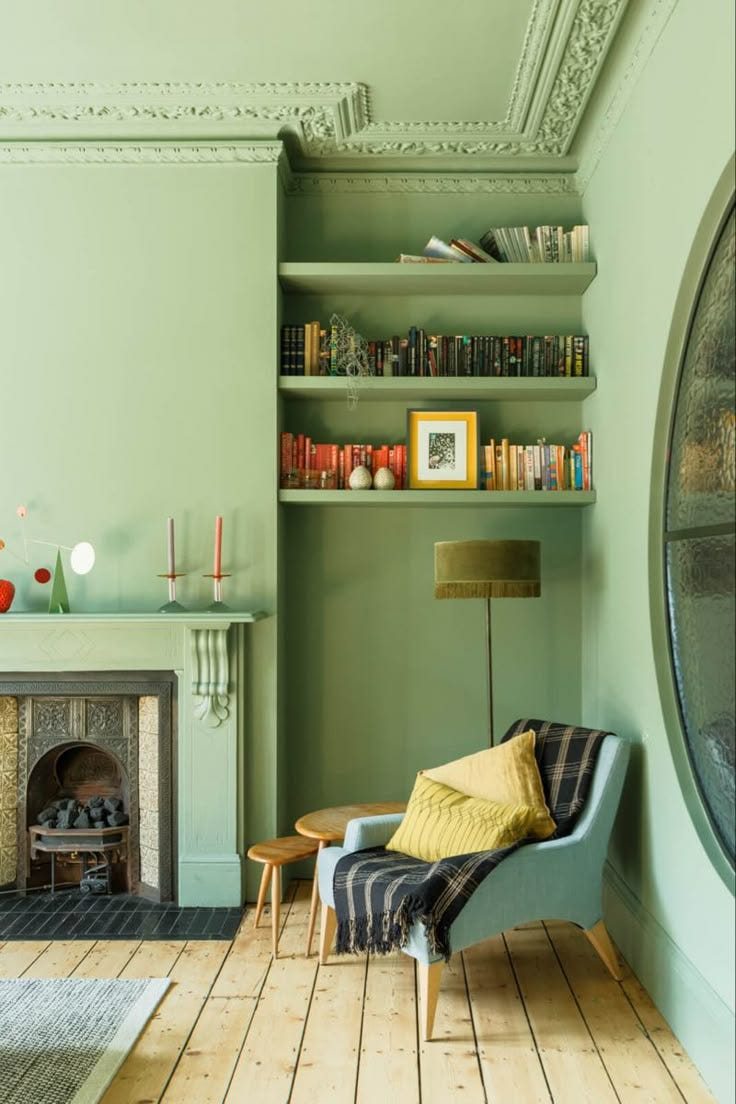
I also can’t count the number of times I’ve heard content creators bang on about how much they hate accent walls, with little explanation as to why. Context matters, nuance is important, and these tips should be given on a case-by-case basis, rather than as blanket statements. It’s all so same-y, and ultimately unhelpful. Which brings me to my next point…
Styles that are commonly roasted across social media include: Modern Farmhouse, Boho, Shabby Chic, Industrial Chic, Anything Chic… you get it. And although the word ‘chic’ makes my skin crawl, I can appreciate that there are still plenty of homes designed with these aesthetics in mind that do, in fact, look good. Rather than slag off an aesthetic in its entirety, I’d love it if more creators would examine the underlying design principles that are present/absent within the examples they show us.
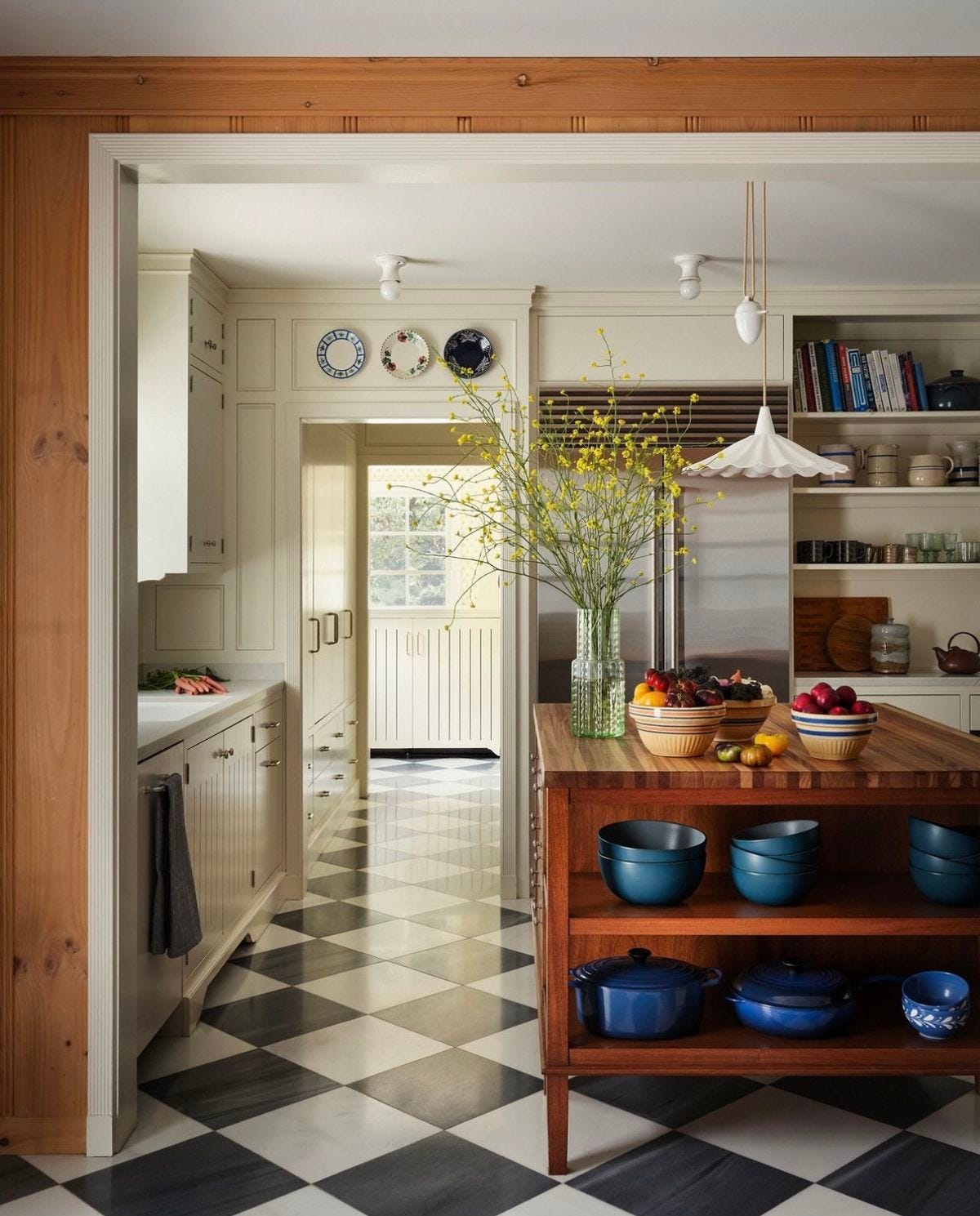
Whether or not boucle is ugly is subjective. Same with ‘dopamine decor’. And again with rattan furniture, scallops, chequerboard, and subway tiles. These things go in and out of fashion, and one’s like or dislike for them is often either arbitrary or determined by the type of exposure they’ve had to that particular trend. On the other hand, critiquing spaces in relation to core principles is far more interesting, and something I personally find more useful.
Although I’m hardly the first to criticise the rise of AI sludge on social platforms, I’d like to beg the question: why are people using robots to produce content on how to enjoy human spaces? Do we not all see the irony in this?

I’ve been thinking about the relationship between AI and interior design a lot lately, after having read a critique of a celebrity AD tour published by a popular content creator. The post read so ChatGPT - from the diction to the overarching message to the same attempt at humour that doesn’t quite land - and it really took me out of it. Isn’t the whole point of writing a critique to express your own opinion? To introduce a fresh take, rather than copy and paste points for the sake of adhering to a content schedule?
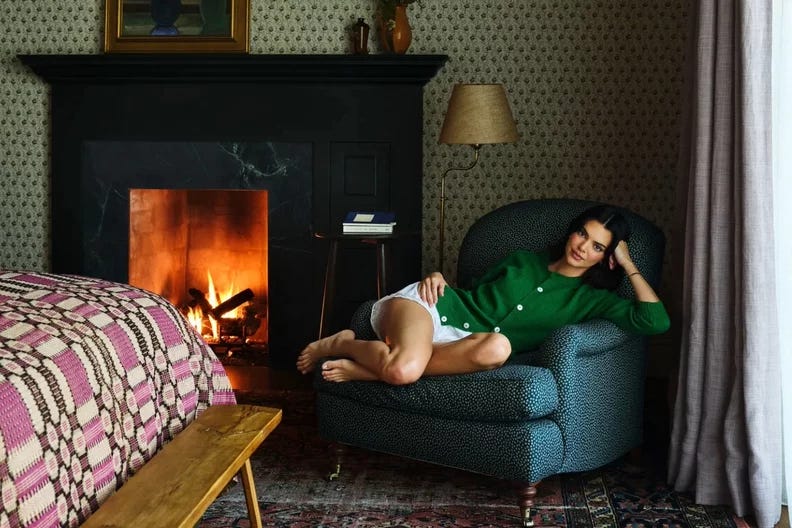
When people use AI to bypass the creative process, it completely defeats the purpose of content creation.
But back to my point on interior design - it’s a topic that, at its core, is so personal and, to a large degree, subjective. Of course, there are universal design principles that dictate good design, and I get that AI can summarise these points tidily. However, AI will never be able to tell us how to experience, appreciate, and celebrate human spaces. If everyone follows the same unoriginal design tips, our homes will look increasingly homogenous. Who wants that?
I know I sound naggy… It’s perhaps a core trait of mine 😅, but I want to enjoy the messiness of unpolished, imperfectly structured blog posts and video content. I want to hear novel takes on design written in someone’s own words, even if it reads as an incoherent stream of consciousness. I’m tired of unoriginal, formulaic content taking up space on my feed. Content for the sake of content, as opposed to self-expression.
Am I being overly critical? Perhaps it’s just not that deep 🌝 either way, I’d love to hear your thoughts in the comments below… I genuinely love having these discussions!
No posts
Comments
Nothing yet. Say the first thing.
Sign in to join the conversation.