
I don’t know when it first came up, but at some point the handstand became a thing (and it definitely wasn’t me that made it cool 😂). It’s funny, because there isn’t much real world application. No one’s asking you to pop into a handstand to reach the top shelf or solve a crisis. It’s not exactly practical, is it? But still, most people I speak to want to learn. Why?
At first glance, it’s easy to brush it off. A great party trick, something a bit impressive. The kind of thing that makes people go, “Oh wow, I wish I could do that.” But really, it’s so much more than that. Somewhere underneath the upside-down novelty of it all is something else. There’s the challenge of it, and let’s be honest, at times, the sheer frustration. But ultimately, I’ve found there’s so much joy in the process of learning to control your body in a way you never quite have before. The moment it almost clicks. Which got me thinking, maybe that’s exactly why most people never truly learn how to do a handstand; not because they can’t but because they stop just before that moment. As someone who’s been there, I’m here to tell you, with a little patience and practice, you can do a handstand, I promise, and here’s how…
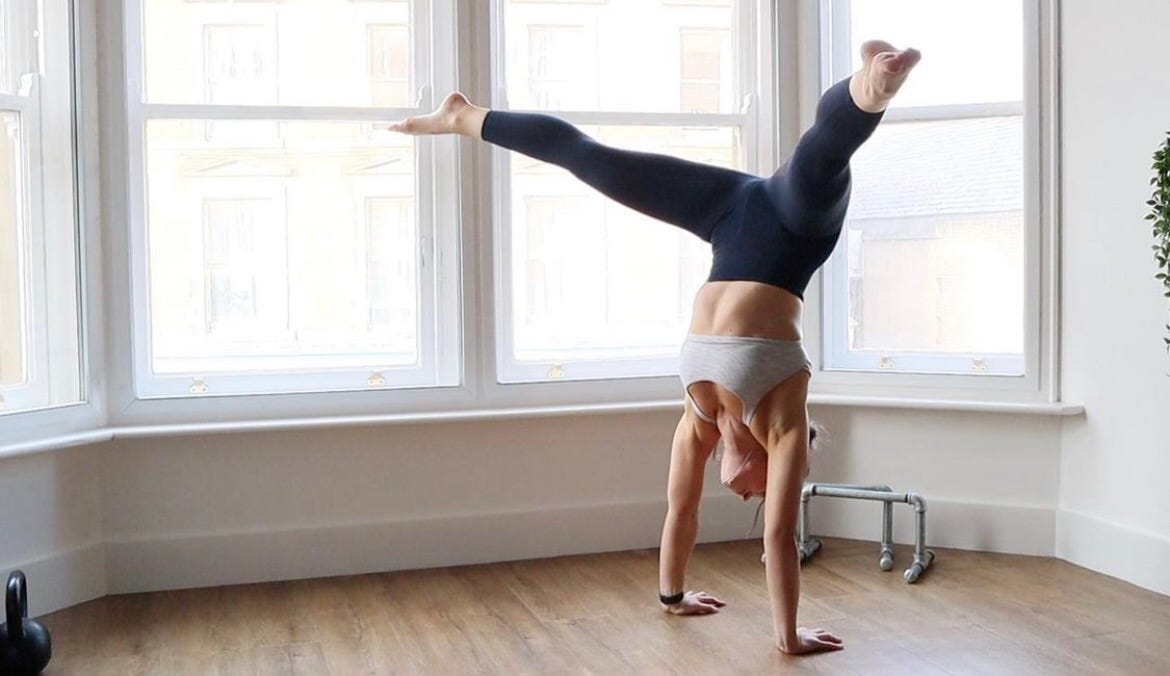
Let’s talk about what a handstand actually is because I think this is where most people get it slightly wrong. It tends to sit in that category of ‘impressive gym things other people can do.’ The kind that grabs your attention while you’re pretending not to stare. It’s definitely started a few convos in my gym sessions and led to some great friendships 😂.
It’s one of those classic calisthenics moves that seems to escape most people. Not because it’s impossible, but because it asks for a little bit more patience and stubbornness. The kind of persistence for those with the commitment and stubbornness of a man sliding into a girls DMs to play the ‘long game’. And from the outside, it does look like a show-off skill. A great party trick or something flashy.
But it’s also so much more than a way to show off, it requires:
Insane Shoulder strength (your shoulders are doing far more than you think)
Core control (not abs for aesthetics, for stability)
Body awareness (knowing where your body is in space)
Stability - it’s about learning to control small adjustments, not big dramatic saves.
Some serious commitment to training
And maybe most importantly, it’s consistency. Just the willingness to keep showing up and spending time upside down, even when it feels a bit awkward, a bit frustrating, or like you’re not getting anywhere. It’s the bit people don’t always see; a handstand isn’t just a skill, it’s a process you decide to stick with.
Learning to handstand is hard, it’s frustrating and it’s for the committed! The hill I will die on is that if you’re struggling to unlock yours, it’s not because you’re not strong enough. It’s not because you’re “too heavy” or just naturally bad at balance, and it’s definitely not because you’re the one person a handstand just isn’t meant for. I have probably the worst flexibility out of everyone I know and somehow I managed it…
Really, it’s because you’re guessing. Most people approach handstands in this slightly chaotic, hopeful way. There’s no real plan, just a kind of ‘let’s see what happens’ approach…
Kick up → Fall over → Try again → Get frustrated → Give up
And while I always advocate for just getting as much upside down time as possible when training for handstands, there is soooo much more to it that people don’t appreciate and there’s a limit to how far that alone will take you.
You need to know what a good handstand feels like. What position you’re aiming for. What small adjustments actually matter, and which things you can or can’t ignore. Without that, you’re not really practicing. You’re just repeating the same guess, over and over again.
A handstand isn’t just one thing you either have or don’t have. It’s a combination of smaller pieces like stability, mobility, strength and endurance, all of which can be trained and improved.
Suddenly, instead of falling into the ‘I’ll never be able to handstand’ doom spiral you start to see where the gaps actually are. Maybe you’ve got the strength, but not the control. Maybe your shoulders don’t quite have the range yet or you can get up there, but you can’t stay there, it becomes somewhat like a jigsaw puzzle with pieces that should fit together.
If I were starting again, I’d probably still do the same thing most people do at the beginning (and I did too)! I would still practice by just chucking myself into the middle of the room, but now I’m on the flip side I’d also break down the movement and work on each individual component.
It’d look something like this:
Wrist and shoulder mobility, stability and strength
Confidence upside down
Wall holds. Getting comfortable being inverted.Stacking your body
Learning how wrists → shoulders → hips → feet align.Controlled exits (yes, falling matters)
If you’re scared of falling, you’ll never commit. This alongside mobility challenges is the BIGGEST issue I see people struggle with.Short, repeatable holds
Not long, messy ones.Consistency over intensity and repeat repeat repeat.
10 minutes, done well, beats 45 minutes of chaos.
It’s not flashy and it’s definitely not the part people like to show, but it’s the part that works. It’s also the part people skip and more often than not, that’s exactly why they stay stuck. It would be like trying to drive a car not knowing how to operate a clutch, you’d probably get there eventually but it will be much more enjoyable knowing what you actually have to do.
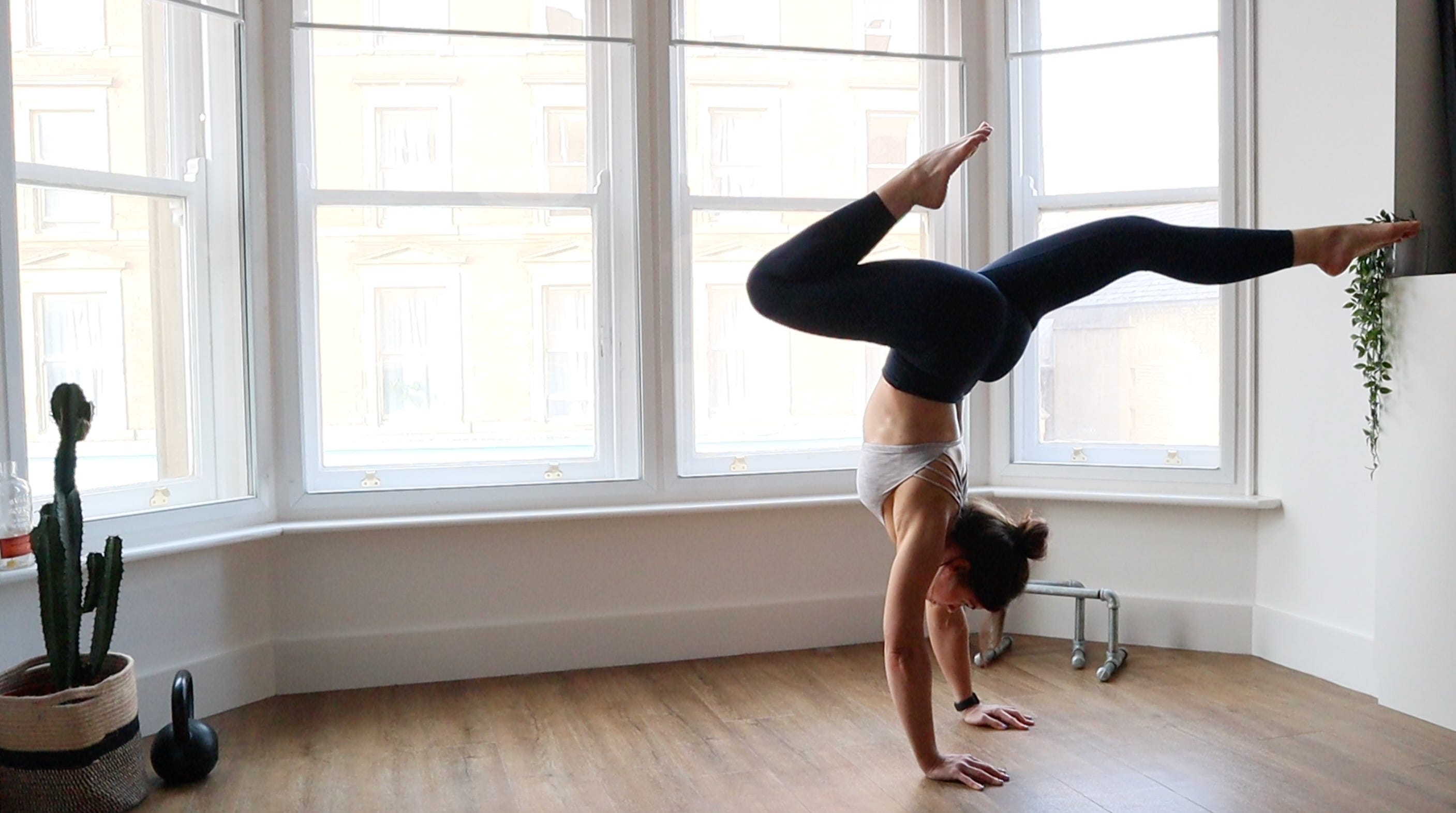
I’ve started a YouTube series breaking it down step-by-step. A 5 video series to work through the training framework above at your pace and finally master your handstand - woo woooooo!
Starting with a strong base of shoulder stability and core control this series relies of structure, progressions and practice.
You can see the first video of the series here 🥳
I’ll be releasing the full series over the next few months but it is very much designed to be used and abused, using all five videos in combination as they focus on various parts of the skills required to handstand! If you don’t want to wait I’m releasing the entire program inside my app this week.
All the workouts require no specialist equipment and are suitable for absolute beginners so get stuck in and start your journey to your next awesome party trick!
Even better…
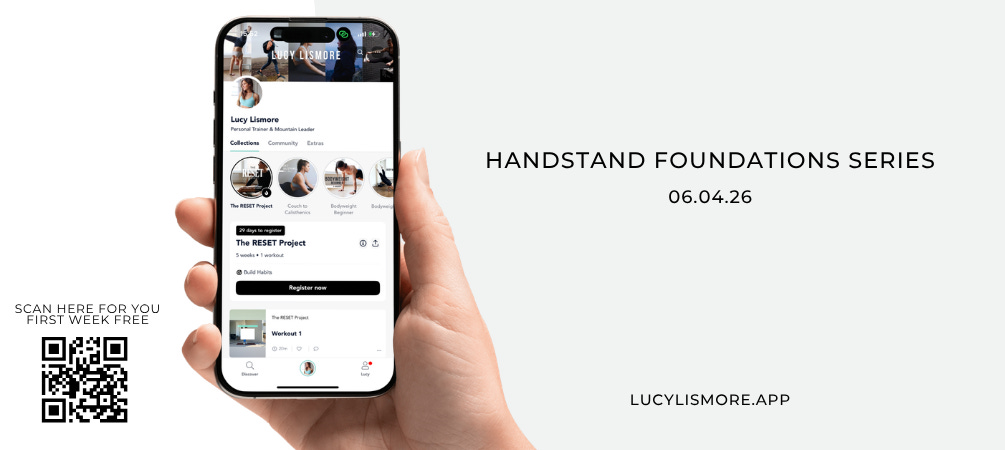
As someone who self taught themselves handstands from probably the lowest strength and ability base, I’ll give you the good news that I promise, you don’t you don’t need to be stronger, or lighter, or someone who’s just “naturally good” at handstands.
You just need a bit of guidance, consistency and patience to go with it. If you keep up the work and effort at some point, something WILL shift. You’ll kick up like you’ve done a hundred times before… but eventually, you’ll actually stay there and all the effort will have been worth it!
Catch ya soon,
Lucy x
(P.S. If you’ve been stuck with handstands for a while, reply and tell me what part you struggle with, I read every message, and it helps me shape future videos.)
No posts
Comments
Nothing yet. Say the first thing.
Sign in to join the conversation.