
In a world abundant with conflicting opinions and information it can be overwhelming and confusing when you start calisthenics. If you’ve spent more than five minutes researching calisthenics online, you’ll know the internet has… a lot to say. One person swears you need complicated routines and fancy progressions. Another insists you must train six days a week. To be completely honest my own training has changed multiple times too… and it’s my job!
Somewhere in between all that noise, it’s very easy for beginners to end up feeling confused before they’ve even started. So let’s simplify things.
Calisthenics, at its heart, is just learning how to move and control your own body. And while there are endless exercises and variations out there, there are a handful that form the backbone of almost every strong, capable body. In fact, if I were introducing someone to calisthenics for the very first time, there are five exercises I would give EVERY beginner in calisthenics (and honestly, probably most people in general).
They’re simple, effective, endlessly scalable, and together they build a foundation of strength you can take almost anywhere.
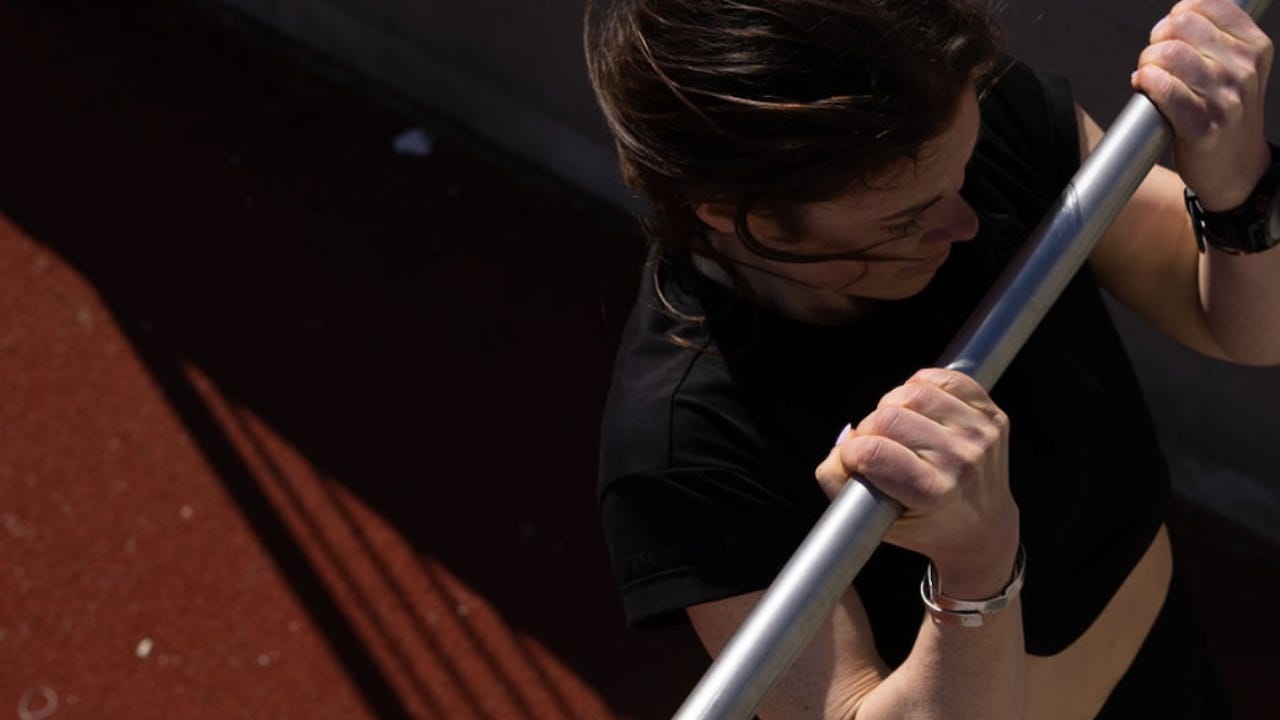
If I had to pick one exercise most beginners overlook, it would be hanging from a bar. It sounds simple, but for many beginners, grip strength is one of the first limiting factors when starting calisthenics. Spending time in passive and active hangs is one of the easiest ways to build that foundation.
Hanging helps develop forearm and grip strength, while also strengthening the tendons in the hands and wrists that will support you in future bar work. Active hangs also begin to introduce scapular control and stability, which is essential for healthy shoulders.
Just as importantly, hangs are a precursor to almost every bar skill in calisthenics — pull-ups, chin-ups, and many more. If you can hang comfortably and control your shoulders, you’re already laying the groundwork for those movements.
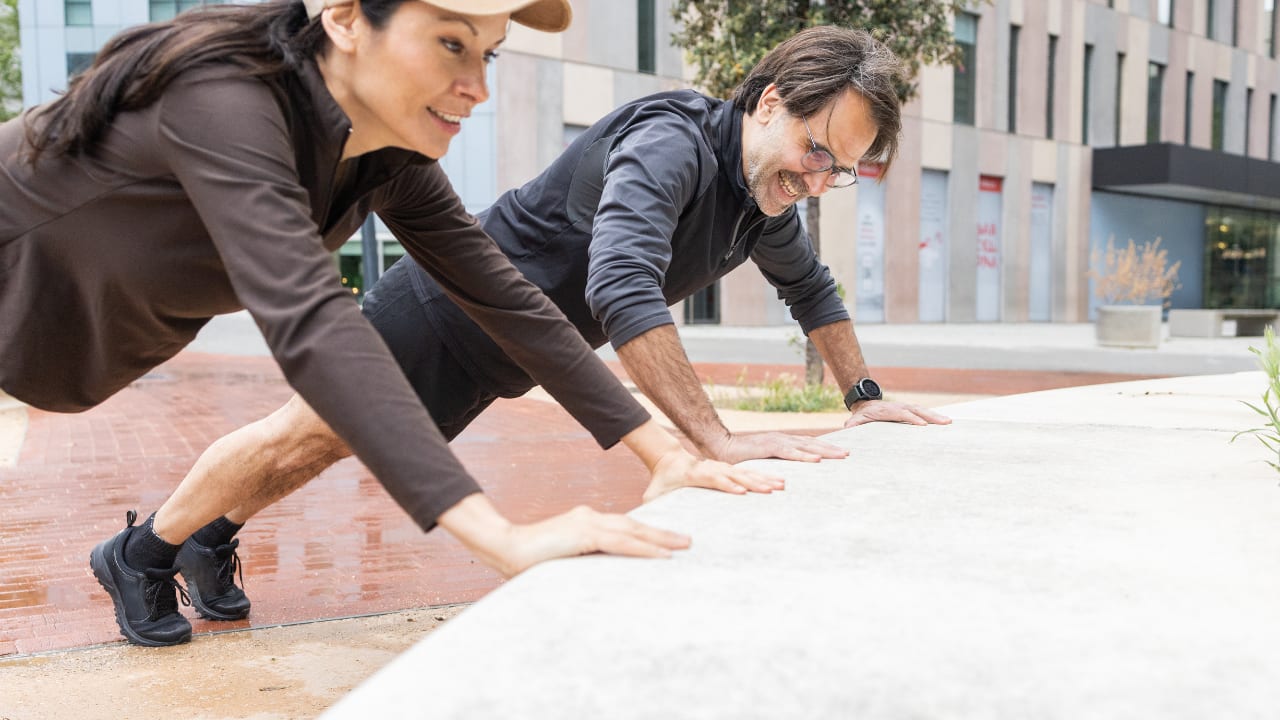
Push ups are one of the most recognised bodyweight exercises, but for many beginners a full push up on the floor can feel just out of reach. This is where incline push ups are incredibly useful.
By placing your hands on an elevated surface — a bench, box, or even a wall — you can practise the same full range of motion (ROM) and movement pattern as a standard push up, just with less load. That means you’re still learning the mechanics of the exercise while gradually building strength.
Incline push ups work the chest, shoulders, and triceps, making them a great way to develop upper body strength. The best part is that they’re easy to modify for any ability level simply by adjusting the height of the surface. For many people, this is the step that eventually unlocks their first full push up. Check out my push up tutorial for beginners and give them a go yourself.
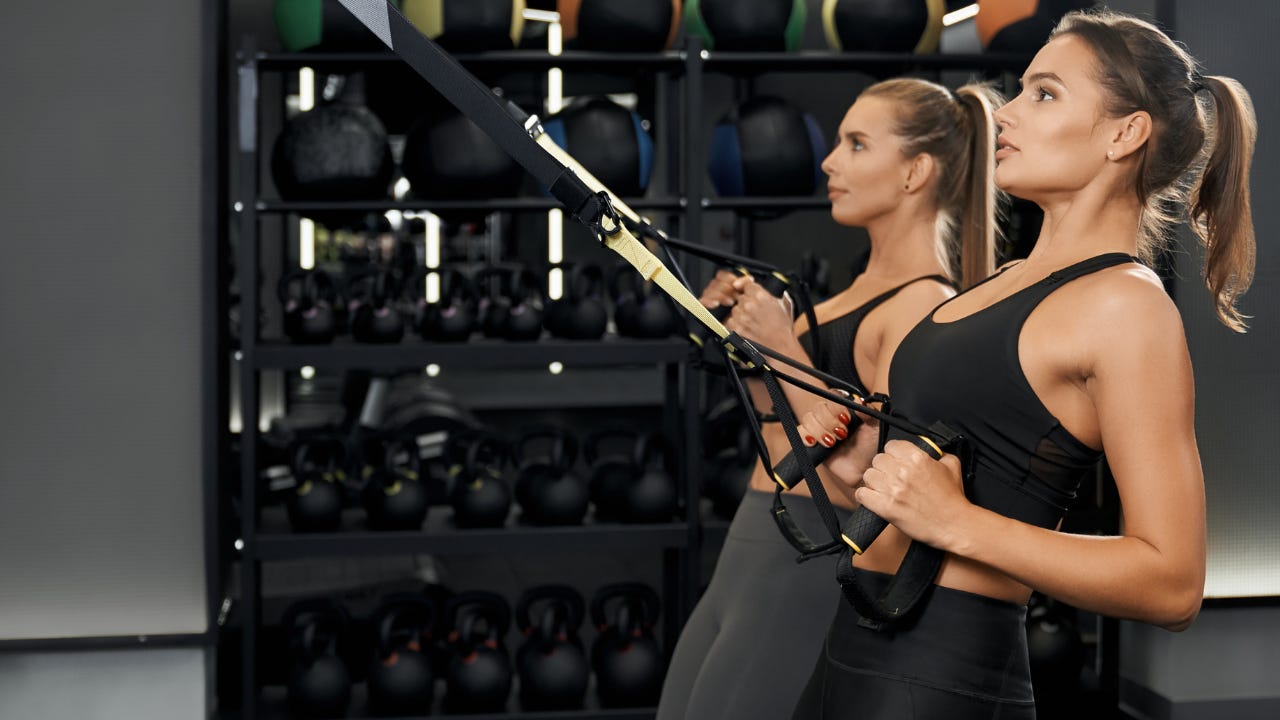
If push ups are the classic pushing exercise, bodyweight rows are their pulling counterpart. They’re one of the best ways for beginners to start building the lat strength needed for pull ups.
Rows can be performed on rings, a low bar, or even something as simple as a sturdy table at home, which makes them very accessible. By adjusting the angle of your body, you can make the movement easier or harder, meaning it works well for a wide range of abilities.
Alongside developing pulling strength, rows also help strengthen the muscles of the upper back, which can play a big role in improving posture — something many of us could benefit from after spending long hours sitting.
Lower body work sometimes gets overlooked in calisthenics, but strong, capable legs are just as important. Reverse lunges are a great place to start.
Because they’re a unilateral movement (working one leg at a time), they help improve balance, coordination, and proprioception, your body’s awareness of where it is in space. They’re also very useful for identifying and addressing strength imbalances between legs.
Reverse lunges have a lot of real-world carryover too. Movements like stepping, climbing stairs, or hiking all rely on similar patterns, so building strength here can genuinely improve day-to-day movement and quality of life. Over time, they also create a solid foundation for more advanced single-leg skills like the pistol squat.
If you’d like to build on this, I also have a 4-week lower body program that follows the same principles and helps you progress these movements step by step.
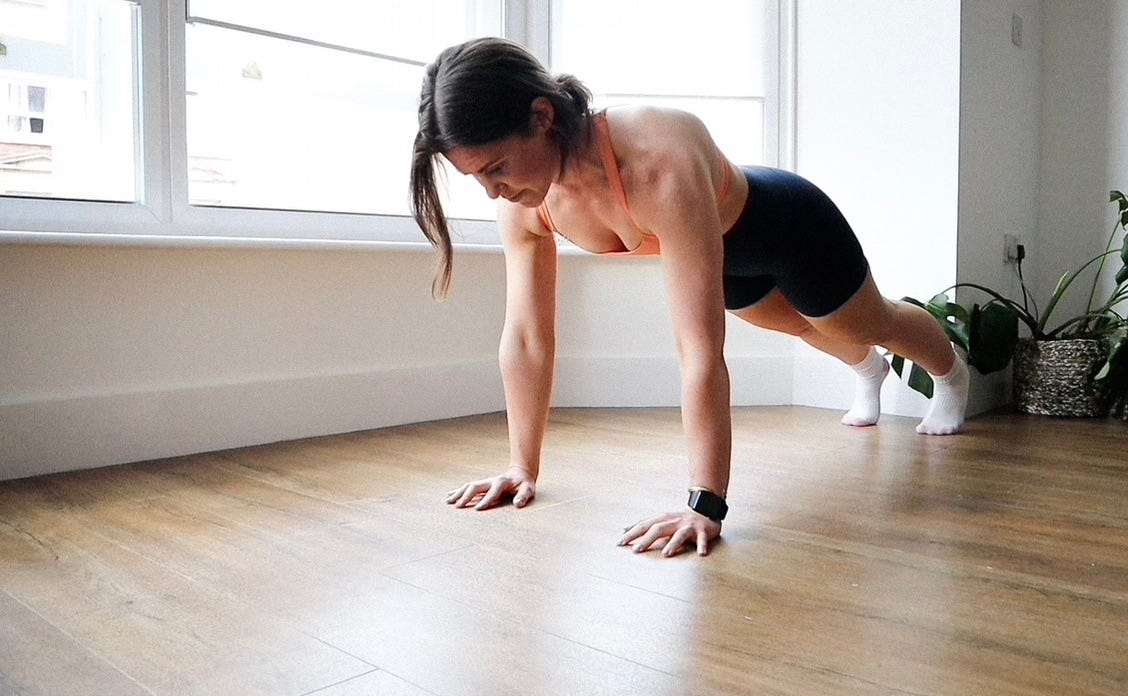
There are plenty of great core exercises out there, but the plank is something of a one-stop shop.
Done well, it trains the entire core while also developing shoulder stability, which is important for many upper body movements in calisthenics, including push ups, dips, and handstands.
Planks also teach something that’s central to calisthenics: full body tension. Learning how to create and maintain tension through the body makes many skills feel stronger and more controlled.
Once you’re comfortable with the basic plank, there are plenty of variations, side planks, reverse planks, and others that can challenge different parts of the core and keep things interesting.
Like most things in training, the real magic isn’t in complicated routines or secret exercises. It comes down to a few fundamentals done well: consistency, progressive overload, and giving your body enough rest and fuel to recover. Add a little patience to the mix and you’ll be surprised how far those basics can take you.
If you’d like a bit more structure, I’ve put together a range of calisthenics programs inside my app that guide you through workouts step by step.
And if you’d like to try it out, grab a week’s worth of workouts free now.
If you’d like some extra guidance alongside that, I also have a full calisthenics tutorials playlist on YouTube where I break down exercises and techniques in more detail.
Start simple, stay consistent, and build from there!
TLDR: Here’s the best video to checkout 👇🏻
The other TLDR: You can watch this Substack as a video on YouTube here
See ya next time crew,
Lucy xx
No posts
Comments
Nothing yet. Say the first thing.
Sign in to join the conversation.