
Dear Scotland,
A wild salmon fighting its way up the River Spey in spring is not just a fish — it is Scotland’s determination given form and muscle and ancient instinct. It remembers the sea but chooses the river. It has come home, and nothing will stop it. Watch it leap against the current. That is what it means to belong to a place so completely that you cannot help but return.

NEW! THE LOVE SCOTLAND APP IS HERE!
We’ve just launched the Love Scotland app on the App Store — everything you love about Love Scotland, beautifully built for your iPhone. Browse thousands of stories, places, castles and pubs in a clean, fast, made-for-mobile experience!

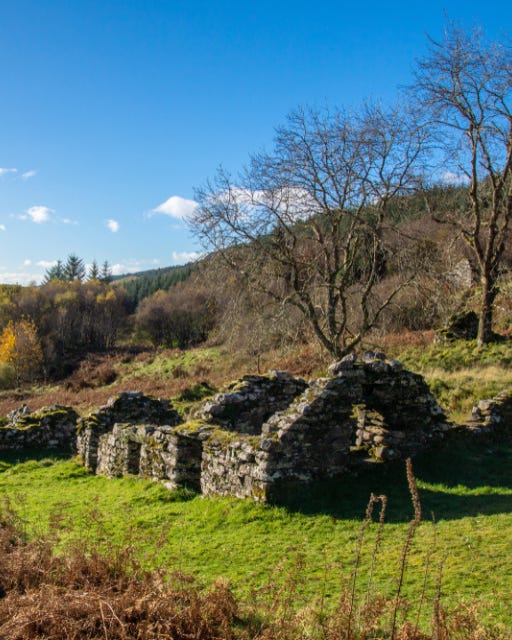
The silent Highland glens that were once home to thousands of Scots
Planning your trip: How to trace your cleared ancestors, glen by glen
Castles and Heritage: The church window that still holds the last words of the evicted
Around the Web: A whole week of gatherings lights up Sutherland + Ness of Brodgar dig comes to a close plus A Week Through Speyside’s Whisky Valley and more…
Experiences Likely To Sell Out
In Case You Missed It: Scottish Surnames of Clan MacKay – Origins, Tartans and Clan History + Scottish Surnames of Clan Gunn – Origins, Tartans and Clan History
The Love of Whisky: We raise a glass to InchDairnie Distillery
Scottish Food You Will Love: How to Make Scotland's Hearty Soup
💙Send a piece of Scotland to someone you love 💙
Your daily dose of #CooWisdom + Why Does Everyone Love Highland Coos?
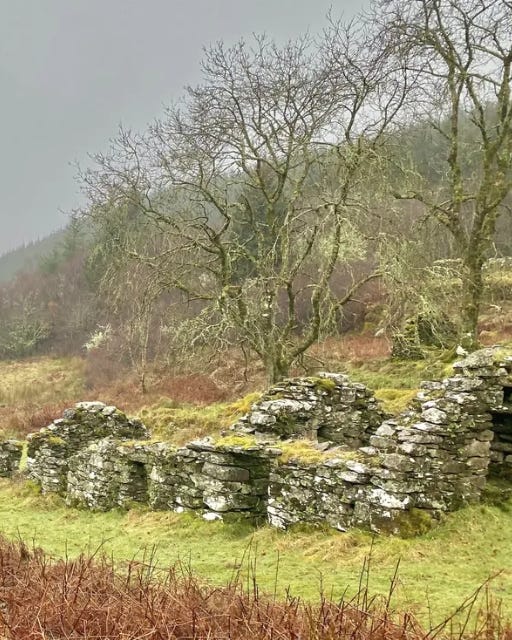
If you have ever wondered why your family name travelled from a Highland glen to Nova Scotia, the Carolinas or Otago, the answer is written into the empty straths of the north. Between 1750 and the 1880s, an estimated 150,000 Highlanders were cleared from land their clans had farmed for five hundred years — pushed out by landlords, many newly rich on tobacco and cotton fortunes, who found that Cheviot sheep paid better than people. In Sutherland’s Strathnaver, whole townships like Rosal were emptied in the notorious clearances of 1814; at Glencalvie in 1845, families sheltered in a churchyard because they had nowhere left to go.
Today you can stand in these glens — walk the ruined Rosal township, follow the road to the Sutherland Clearances monument at Helmsdale, trace the shieling stones under the heather — and feel exactly what was lost, and what your ancestors carried across the ocean instead: their Gaelic, their music, their names. It is one of the most moving journeys any traveller with Scottish blood can make.
Do you know which glen your family came from — and have you ever stood in it? Hit reply and tell us. And if you know someone with Scottish roots, forward this on: it tells the story most of us were never taught.
Before you can stand in your ancestral glen, you have to find it — and for Scottish records, that is more possible than most of the diaspora realise. The single most important resource is ScotlandsPeople (scotlandspeople.gov.uk), which holds the statutory registers from 1855, the Old Parish Registers stretching back to the 1550s, and the census returns of 1841 and 1851 that would have counted the clearances generation before they sailed.
Pair those with the free Valuation Rolls, the estate papers held at the National Records of Scotland in Edinburgh, and the local Highland Archive Centre in Inverness, and a surname can become a parish, a parish can become a glen, and a glen can become a trip. Our step-by-step guide walks you through every source, including the emigration and clan records that pick up the trail on the far side of the Atlantic.
Have you started tracing your Scottish line yet — and where did the paper trail run out?
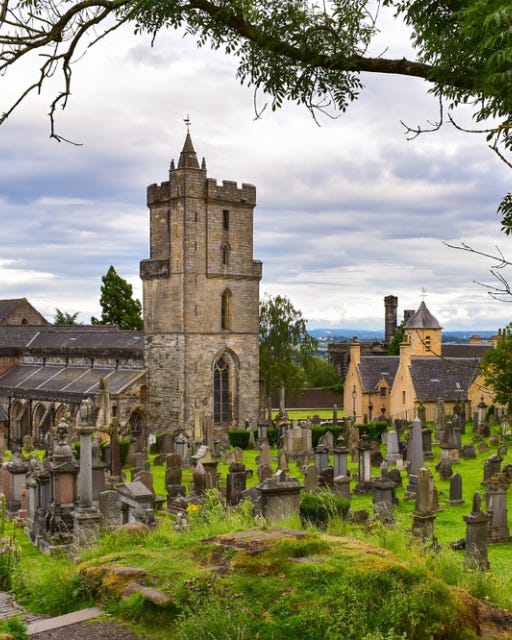
Not every trace of the clearances is a ruin under the bracken — some are scratched into glass. At Croick Church in Strathcarron, Easter Ross, around ninety people evicted from Glencalvie in 1845 sheltered in the churchyard, and before they scattered they scored their grief into the diamond panes of the east window with the sharp edge of a stone. The messages are still legible today — “Glencalvie people, the wicked generation” among them — a raw, human record left by ordinary Highlanders who knew their world was ending. It is one of the most affecting heritage sites in the north, a small country kirk that carries the weight of an entire chapter of Scottish history.
Would you visit Croick to see the window for yourself? Reply and let us know what draws you north…
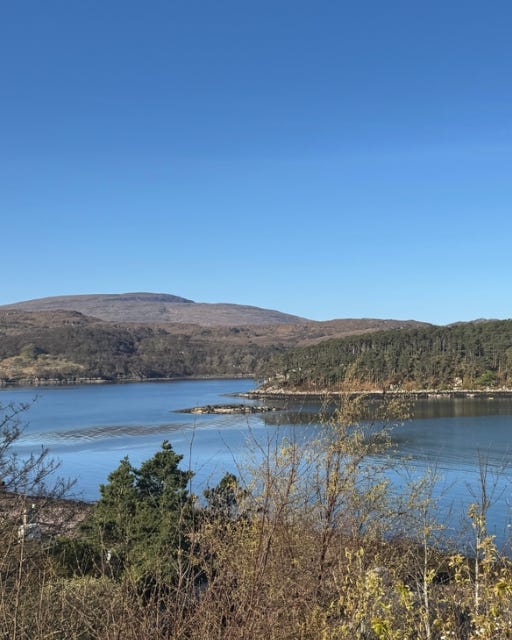
Most people who fly to Scotland for whisky do the same thing: they book one day, hire a car, and try to see five distilleries before dinner. They come home with a headache, a blur of tour guides, and no real memory of which dram was which. Speyside was never built for that kind of visit, and this week we want to make the case for doing it properly instead.
Speyside is the single most concentrated whisky region on earth. More than fifty working distilleries sit inside a modest stretch of Moray countryside centred on the River Spey, and that handful of square miles accounts for roughly half of all the working distilleries in Scotland. Nowhere else comes close. You could spend a lifetime here and still not taste everything the valley makes, but you can, in a single unhurried week, taste enough to understand why this small patch of ground became the heart of Scotch.



VOTE for your Top Places to Visit in Scotland here!
The MacKays held Duthaich MhicAoidh — “MacKay Country” — across north Sutherland and Strathnaver, the very glens that became the epicentre of the 1814 clearances, which is why the name scattered so widely across Canada and beyond. Read more: Scottish Surnames of Clan MacKay – Origins, Tartans and Clan History
One of Scotland’s oldest clans, the Gunns trace their line to Norse settlers of Caithness and Sutherland and famously have had no recognised chief since the 18th century — a scattering that long predates the clearances themselves. Read more: Scottish Surnames of Clan Gunn – Origins, Tartans and Clan History
Today we raise a glass to InchDairnie Distillery near Kinross in the Kingdom of Fife, the innovative Lowland distillery that is rewriting the rulebook for Scottish whisky. Opened in 2015, InchDairnie uses a rare Lomond wash still — giving the distiller exceptional control over the spirit’s character — alongside rye and other alternative grains. Its whisky releases under the RyeLaw and Strathenry brands have made InchDairnie one of the most watched names in Scottish craft distilling. Visit InchDairnie Distillery here!
Scottish Food you will love
👉 Vote for your favourite food here!
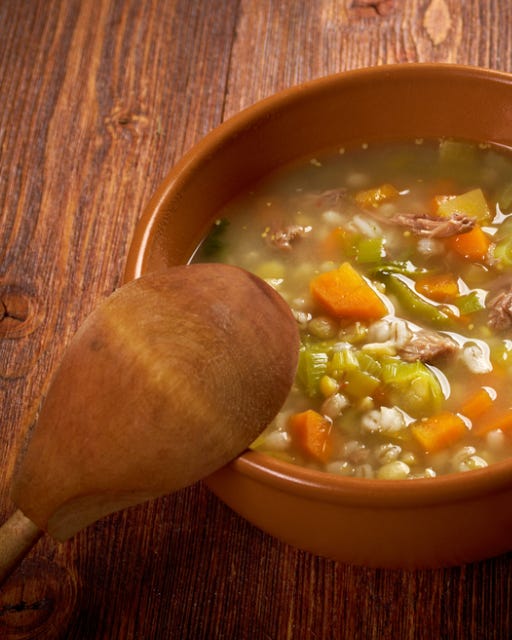
Scotch broth is Scotland’s national soup. It is a thick, hearty broth made with lamb or mutton, pearl barley, and seasonal vegetables like carrots, turnip, and leek. The barley absorbs the cooking liquid and gives the soup its characteristic body. It is not a thin broth. It is a meal.
The soup has its roots in the Scottish Highlands, where tough winters made warm, filling food a necessity. Farmers and crofters used every part of the animal. Nothing went to waste. A piece of lamb neck or mutton on the bone, slow-cooked with whatever vegetables the garden gave, became the cornerstone of Scottish home cooking.
Today, Scotch broth appears on menus in pubs and restaurants from Edinburgh to the Outer Hebrides. Most Scots still prefer their grandmother’s version.
Get the recipe here: How to make Scotch Broth
Here is a gentle thought for a diaspora edition: when the people were cleared from the glens, the Highland coos stayed. Those shaggy, long-horned, fringe-eyed cattle had grazed these straths for centuries, and they remain the living embodiment of the old crofting Highlands — patient, hardy, and utterly unbothered by anything as fashionable as a sheep. Ask any Scot far from home what they miss, and somewhere near the whisky and the hills you will find a heilan coo peering over a gate.
Read more here: Why Does Everyone Love Highland Coos?

💙Send a piece of Scotland
to someone you love 💙
Beautiful Scottish-themed digital cards for every occasion. Birthdays, blessings, thank-yous, and more — sent with warmth from the Highlands.
Browse the cards here!
This newsletter grows because of you — every time you share it with a friend, a colleague, or that person who keeps saying “I really must go to Scotland one day,” you help build something special: a community of people who genuinely love this wee country. Every subscriber has a unique referral link at the bottom of this email. Share it with your friends.
Comments
Nothing yet. Say the first thing.
Sign in to join the conversation.