
If you’re working harder for diminishing returns, and you know others in your industry/function/role who are doing the same, it’s time to take a step back and (re)evaluate what’s going on.
This month, I dig into the very human challenges we’re grappling with, how to recognise if you’re caught in a “just work harder” loop, and what you can do to change the game.
None of us can argue with the evidence that AI is dramatically increasing global productivity – but it doesn’t automatically translate into shared prosperity. And prosperity is far more than wealth – it’s when all people have the opportunity and freedom to thrive.
While the media focuses on volatile events, shifting markets, and AI-enabled converging technologies, a quiet disruption is simmering away beneath the surface of our business sectors. A pervasive undercurrent eroding previously robust business models – shaping how companies and people operate.
I say ‘quiet’ because we’re not dealing with obvious short-term issues or problems we can solve to get back on track. Rather, the track is being washed away, and it hasn’t yet been replaced by anything we recognise.
The signals, on the other hand, are clangingly loud and clear:
Data-driven, AI-first ‘consulting’ companies gaining traction with McKinsey/Bain/BCG quality/style reporting at a fraction of the cost.
Speakers’ Bureaus needing to serve both their clients and speakers themselves or risk being cut out of the transaction as AI alters their reach and impact.
People choosing human connection and experience over the abundant supply of information (courtesy of LLM GenAIs), fundamentally altering how the media, entertainment, retail, finance, healthcare and education sectors operate and interact with customers.
Major organisations quietly and consistently shedding people – 10,000 here, 15,000 there, while signalling productivity, performance and optimisation.
This feels like a fill-in-the-blank moment that needs your input: “What disruptions are you experiencing in your role or sector?”
It’s a tricky time, simply because it’s far easier to point at something and state the obvious after the event, rather than coming up for air and recognising when we’re in the middle of it.
And therin lies both the challenge and the opportunity.
What makes our current context challenging is that while we might recognise that the underlying conditions have changed, we’ve yet to bridge what we think we know, and knowing what to do about it.
And not every leader is willing to invest the time and energy to find out.
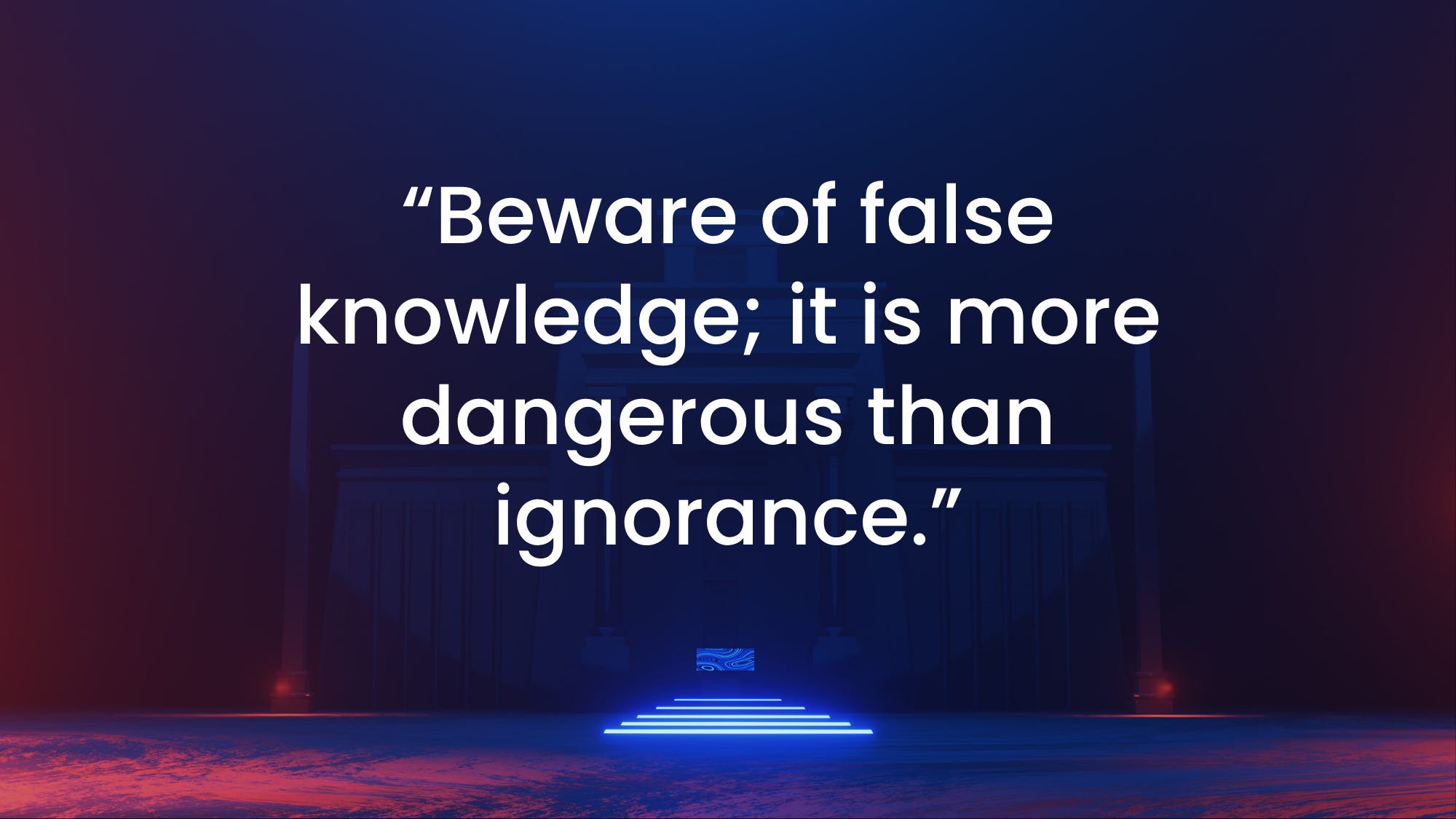
George Bernard Shaw said it best:
Our natural resistance to change is also very real. We humans, quite simply, prefer things to stay the same – unless we are the ones driving the change.
To add to the mix, 80% of us (fortunately) have the “Optimism Bias” (Tali Sharot). And while we absolutely need active optimism to build futures we want to live in, this bias also causes us to believe that bad things are more likely to happen to others than to us.
This further entrenches the idea that if we simply work harder, apply ourselves better, and give what we’re doing more attention, hours or resources, we’ll crack this thing and be ok.
The problem is that we’re trying to crack a used future. Used, spent, and soon to be superseded.
‘Used’ (or other people’s) futures will always feel elusive – their foundations were laid by others in a different time and context, and created for a future we won’t be occupying.
You’re working harder, putting more effort in, being more ‘productive’, yet feeling overwhelmed or exhausted, like a cog in an uninspiring, directionless wheel.
What you’re working towards – using methods that always worked in the past – remains out of reach, and you don’t know why or what to do about it.
You find yourself constantly talking about how busy you are, while at the same time, filling any empty time slots in an attempt to feel more productive, perpetuating 1 & 2.
You’ve tried 1 – 3, they haven’t worked, and you’ve checked out – either by disengaging or simply resigning yourself to the situation.
If this is something you, your team or organisation is grappling with, the best place to start is with awareness, and then add a generous dose of courage.
Start talking about what’s going on – name it, call the elephant in the room, get curious, question everything – and be very intentional about gathering insights from both expected and unexpected sources.
Don’t simply rely on data (the past) or trends (the present) to predict the future. We haven’t seen this movie before, and past patterns rarely predict future successes.
Work with independent people who have no stake in what you’re up to – a coach, facilitator or futures strategist – someone who will challenge your thinking, and act as a valuable sounding board and thought partner.
Think exponentially, and act incrementally – get wildly imaginative about the future, and turn bold ideas into small managed experiments where you can extract what works and discard what doesn’t.
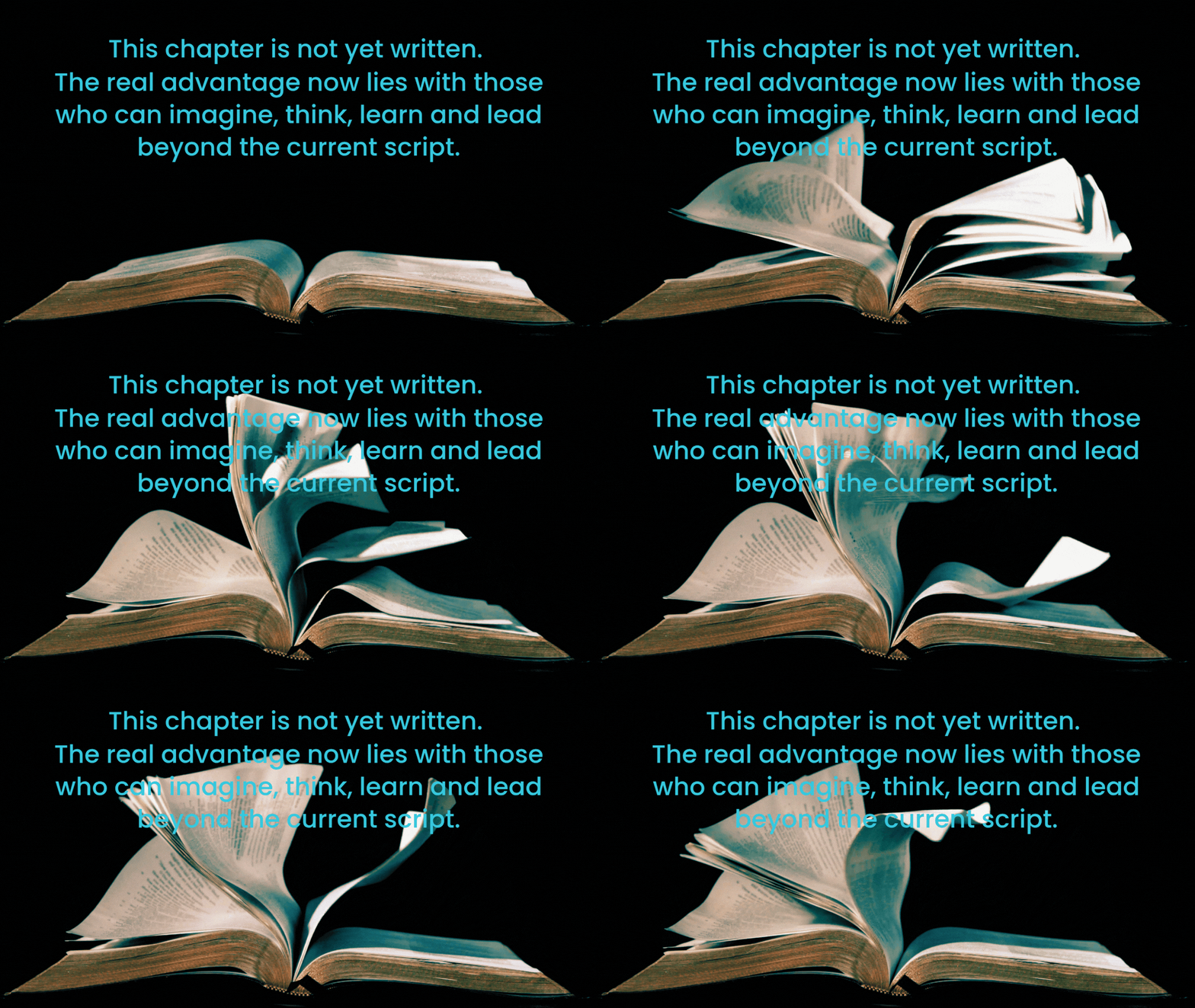
Remember, this chapter has yet to be written – and it’s yours to write. The real advantage now lies with those who can imagine, think, learn and lead beyond the current script.
One of the tools I use with my clients, which always frames the situation, opening doors in our minds and revealing futures we haven’t yet thought of, is The Futures Triangle. It never fails to deliver, whether you’re exploring the future of your career, your business or industry.
You’ll find more detail on pages 75 and 279 in my book, or you can download an overview here:
And if you’d like to work with me to do this for yourself, or with your team, get in touch to arrange a session.
Is there someone you know who would benefit from reading this? If so, please share it with them.
Until next time, take good care of yourself.
Best, Louise
Comments
Nothing yet. Say the first thing.
Sign in to join the conversation.