
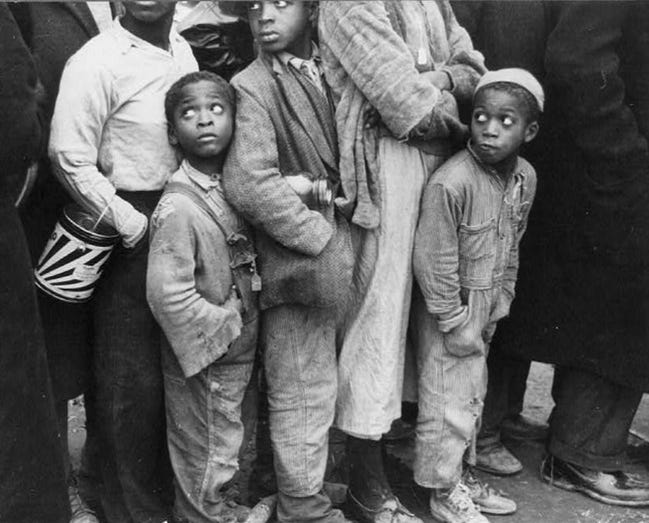
Arkansas flood refugees line up for suppertime, 1937.
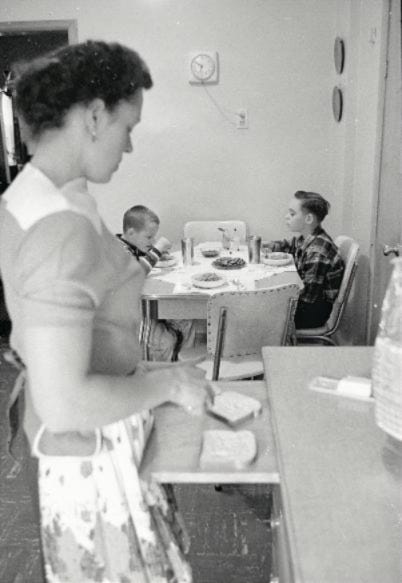
The boys eat breakfast while Mom prepares Wonder Bread sandwiches for school lunch boxes, 1959.
Text within this block will maintain its original spacing when published
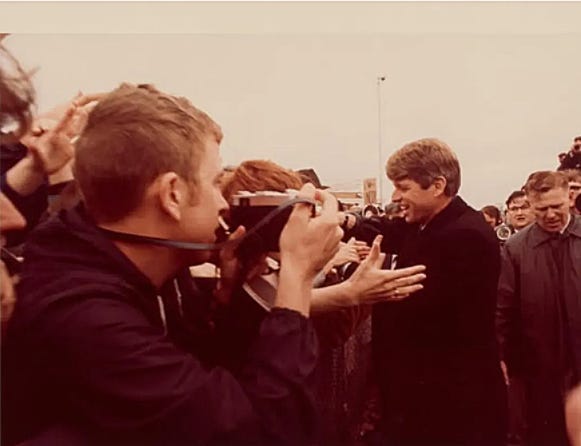
Each time a man stands up for an ideal, or acts to improve the lot of others, or strikes out against injustice, he sends forth a tiny ripple of hope,
and crossing each other from a million different centers of energy and daring, those ripples build a current which can sweep down the mightiest walls of oppression and resistance.
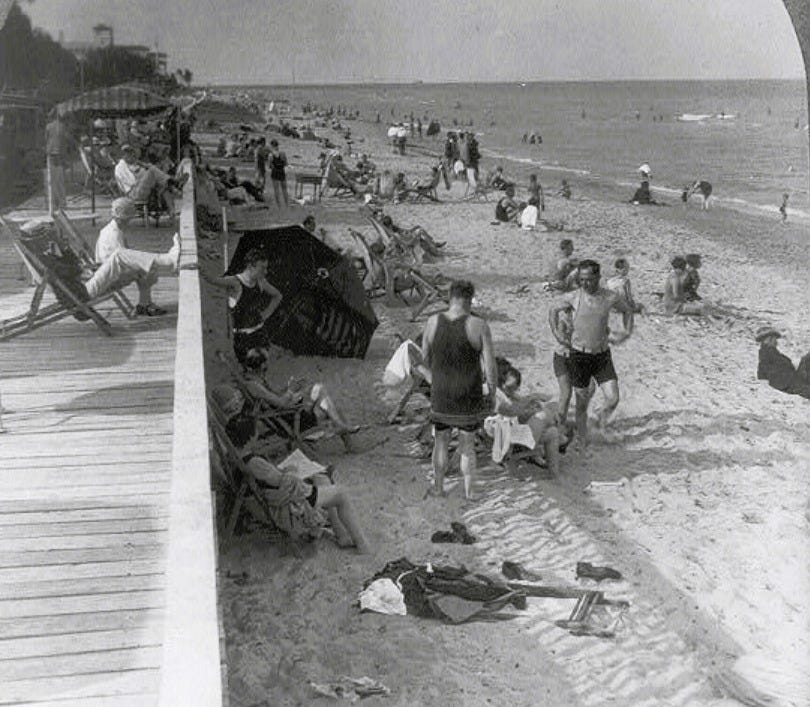
Miami Beach, 1926.
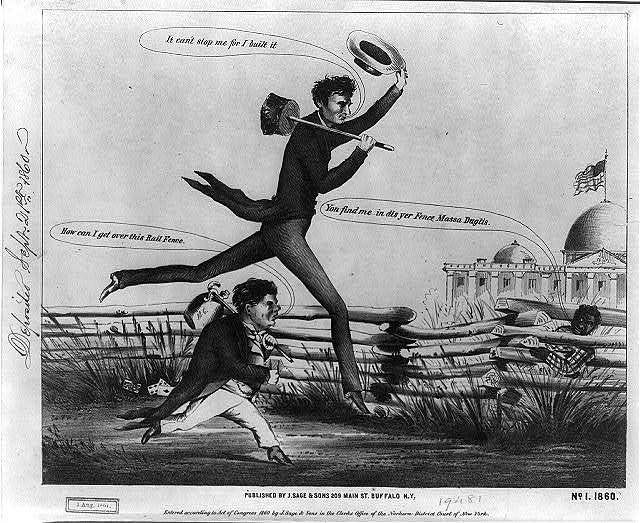
On this date in 1858, Abraham Lincoln and Stephen A. Douglas, Illinois candidates for the US Senate, held their first debate.
Lincoln:
Text within this block will maintain its original spacing when published
[T]here is no reason in the world why the negro is not entitled to all the natural rights enumerated in the Declaration of Independence, the right to life, liberty, and the pursuit of happiness.
I hold that he is as much entitled to these as the white man.
I agree with Judge Douglas he is not my equal in many respects-certainly not in color, perhaps not in moral or intellectual endowment.
But in the right to eat the bread, without the leave of anybody else, which his own hand earns, he is my equal and the equal of Judge Douglas, and the equal of every living man.
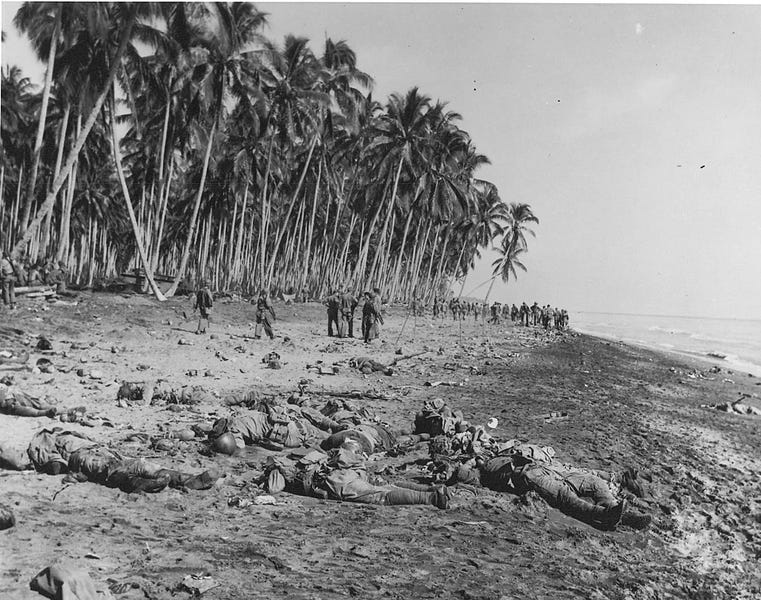
On this date in 1942, US Marines defending a Guadalcanal airfield captured from the Japanese two weeks earlier defeated a Japanese ground assault intended to recapture the airfield.
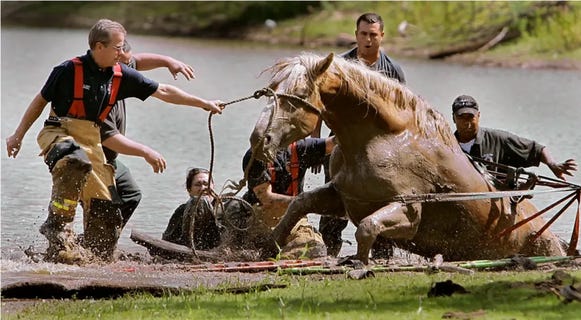
Oklahoma Fire and Rescue personnel assist animal welfare workers in saving a horse who fell into a muddy farm pond and was stuck there for several hours, 2006.
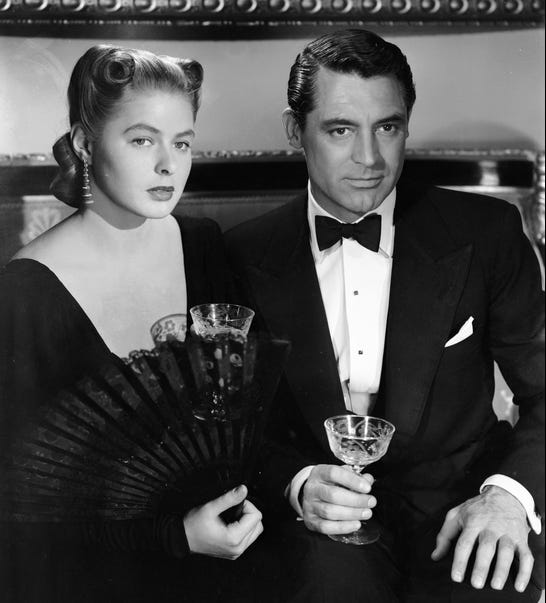
Text within this block will maintain its original spacing when published
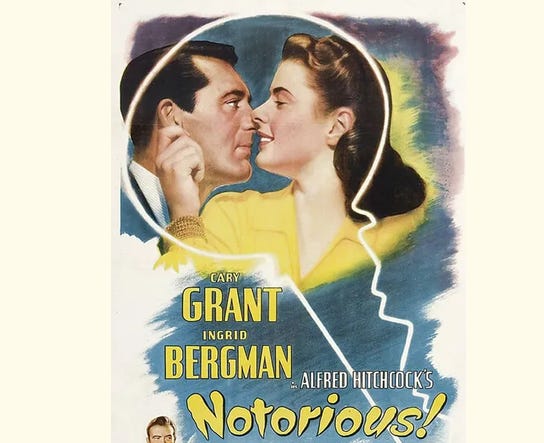
Waving the flag with one hand and picking pockets with the other, that's your "patriotism."
Well, you can have it.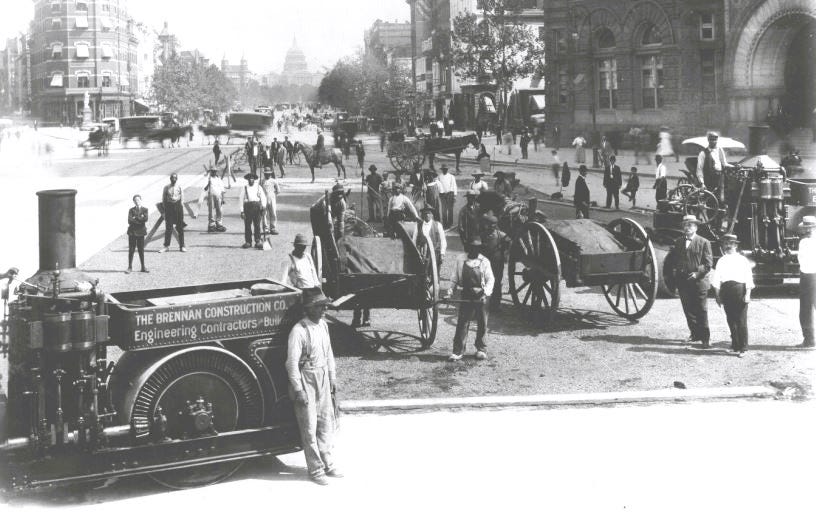
The nation’s first big asphalt paving job was done in 1876, when President Ulysses S. Grant ordered asphalt paving for Pennsylvania Avenue in advance of the nation’s centennial celebration.
Workers used naturally occurring liquid asphalt imported from Trinidad for this project.
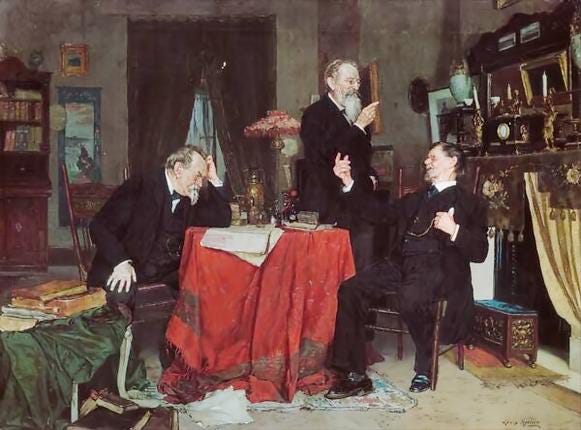
Louis Moeller, A Discussion, 1890-1895.
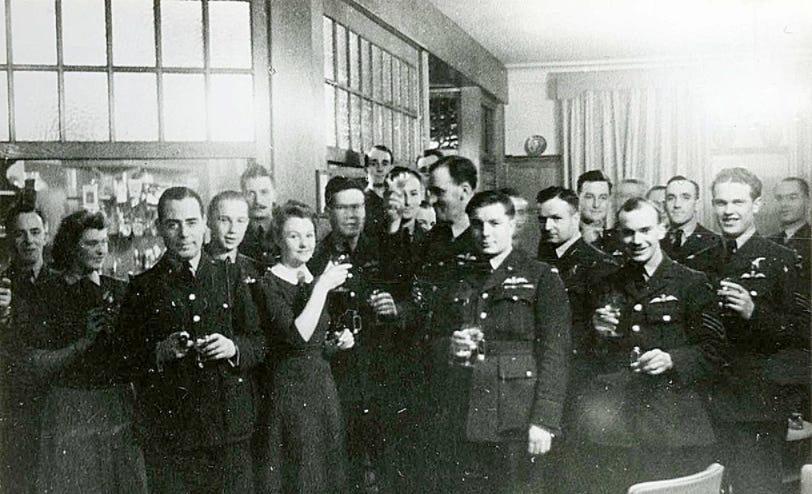
August 21, 1940: British Prime Minister Winston Churchill addressed the state of the war in a speech delivered in the House of Commons yesterday, voicing optimism in Britain’s ultimate victory over the Nazis and praising the courage of the men of the Royal Air Force:
Text within this block will maintain its original spacing when published
“The gratitude of every home in our island, in our empire, and indeed throughout the world, except in the abodes of the guilty, goes out to the British airmen who, undaunted by odds, unwearied in their constant challenge and mortal danger, are turning the tide of world war by their prowess and by their devotion.
Never in the field of human conflict was so much owed by so many to so few.”
In Congressional testimony in Washington yesterday, Army Chief of Staff General George Marshall said a trained army of four million men would be necessary to adequately defend the Western Hemisphere against a well-prepared enemy.
At present, a force strength of only 1.2 million men could be expected in the near future, he said.
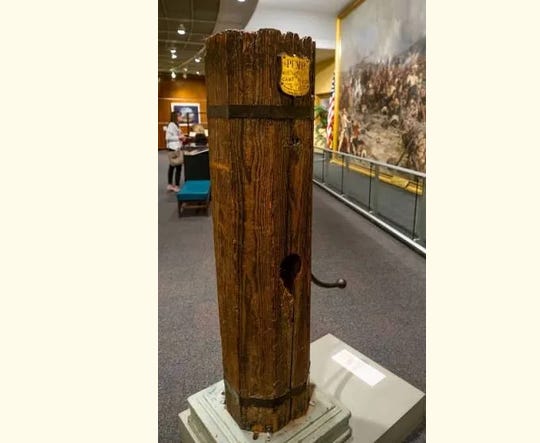
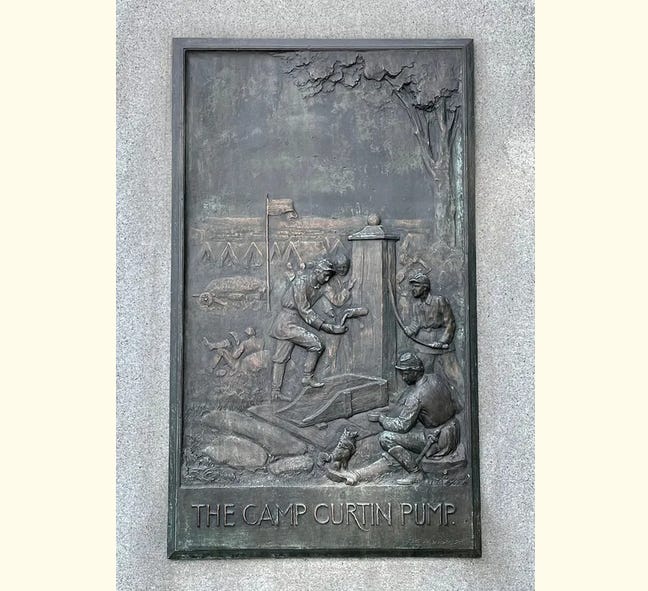
Camp Curtin, an eighty-acre facility in Harrisburg, Pennsylvania, was the largest Federal training camp during the Civil War.
From 1861 to 1865, more than 300,000 men, from Pennsylvania, New York, Ohio and Michigan, passed through its gates.
Although the camp is gone, the camp’s wooden water pump, where men gathered to drink and wash, has been preserved.
The pump served as the camp’s social hub, where recruits from different states mingled, swapped stories from home, and formed friendships.
Text within this block will maintain its original spacing when published
You are doubtless very big;
But all sorts of things and weather
Must be taken in together,
To make up a year
And a sphere.
And I think it no disgrace
To occupy my place.
If I'm not so large as you,
You are not so small as I,
And not half so spry.
     -- Ralph Waldo Emerson, 1846
I’ll see you on Monday.
— Brenda
Comments
Nothing yet. Say the first thing.
Sign in to join the conversation.