
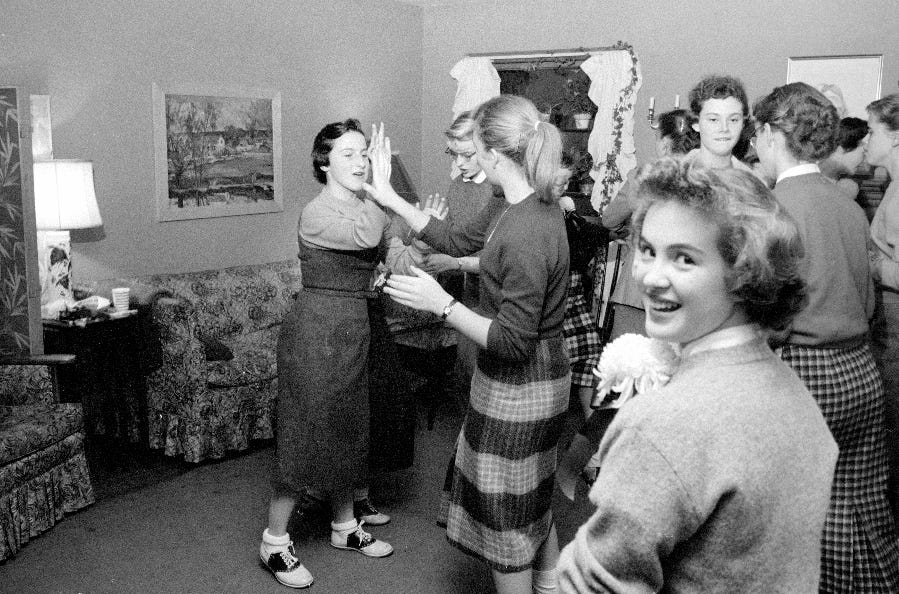
High school girls at a pot-luck supper before the big football game, 1957.
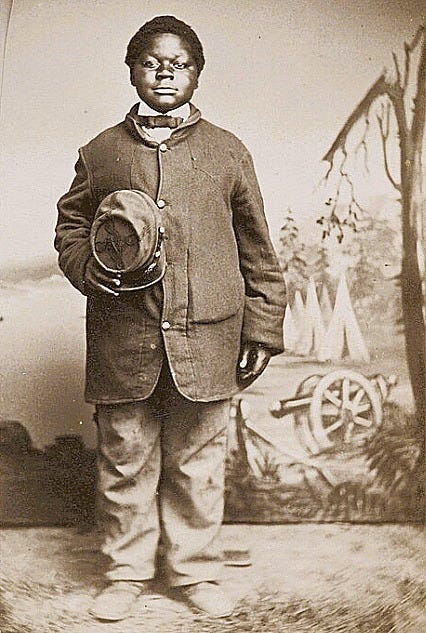
Drummer boy with the Union army, Civil War (1861-1865).
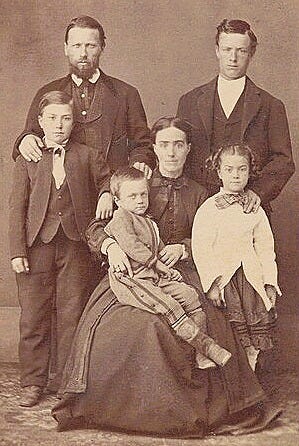
A Colorado family, c. 1875.
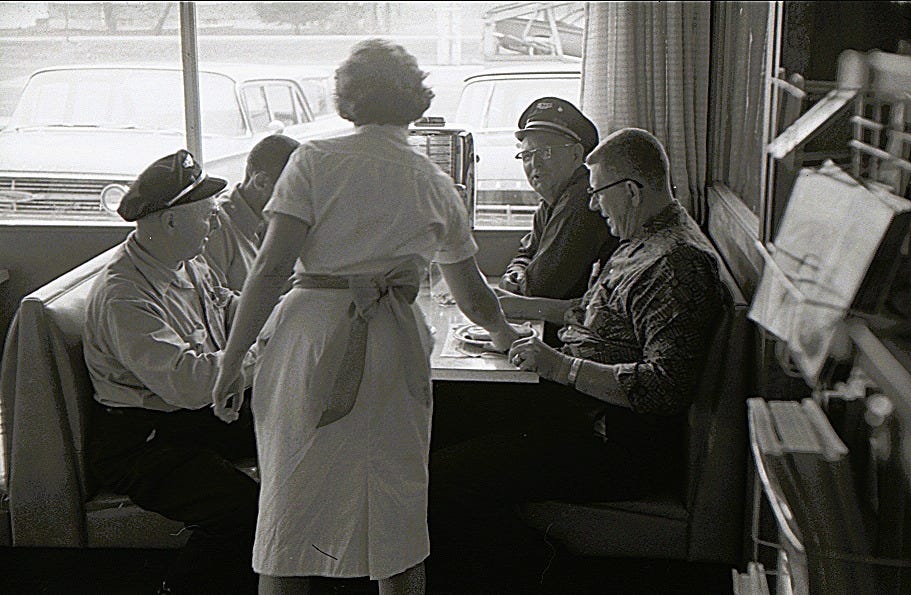
Truck stop dining room, 1962.

1950s Chrysler.
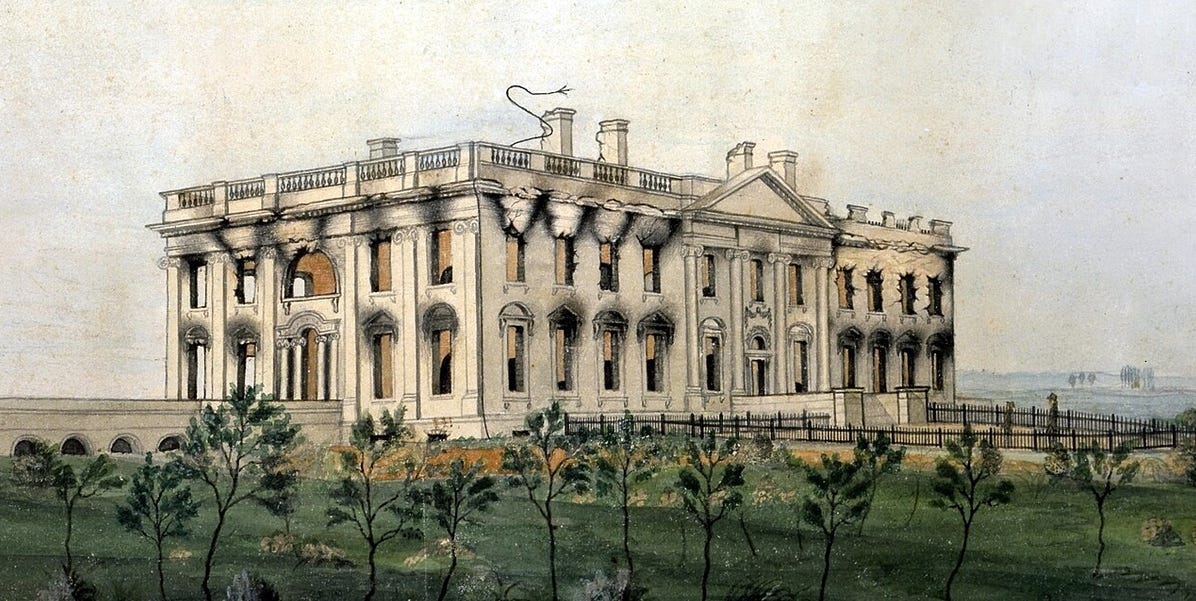
On this date in 1814, British troops captured and occupied Washington, D.C., looting and burning the White House, Capitol, Navy Yard, and other public buildings.
But a late-day thunderstorm with high winds extinguished the fires and flipped the British cannon, convincing the British troops to abandon their occupation of the city.
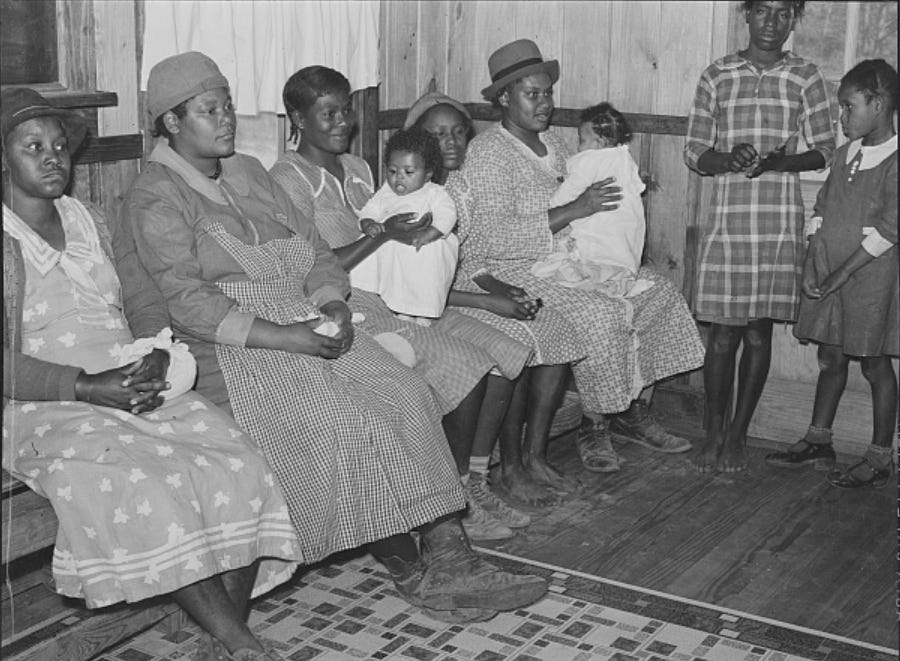
Alabama moms and babies wait to see the doctor at a government-funded health clinic, 1939.
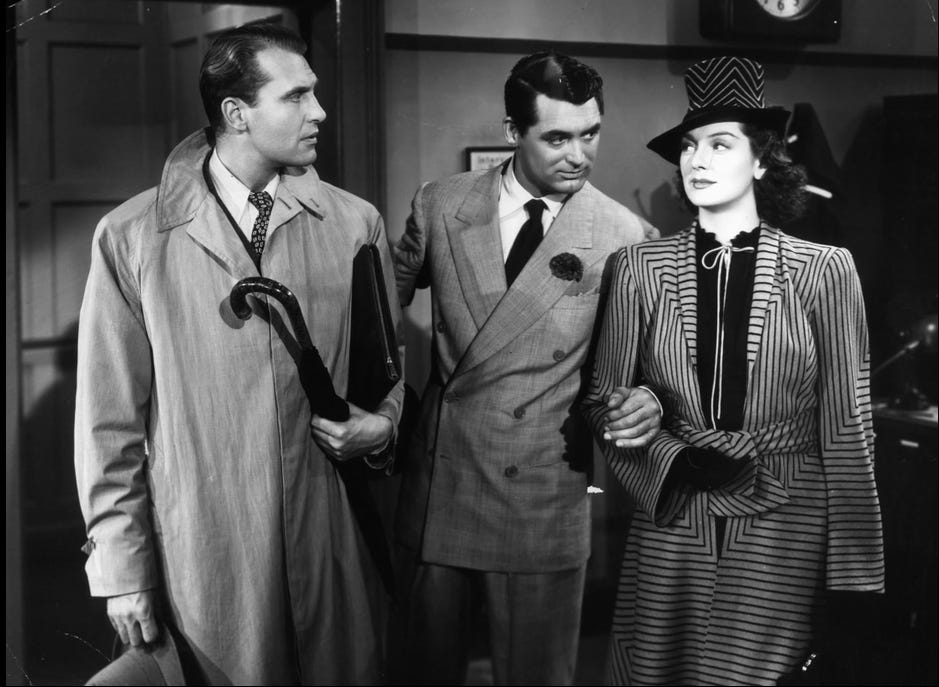
Ralph Bellamy, Cary Grant and Rosalind Russell in His Girl Friday (1940).
Text within this block will maintain its original spacing when published
You've got the brain of a pancake.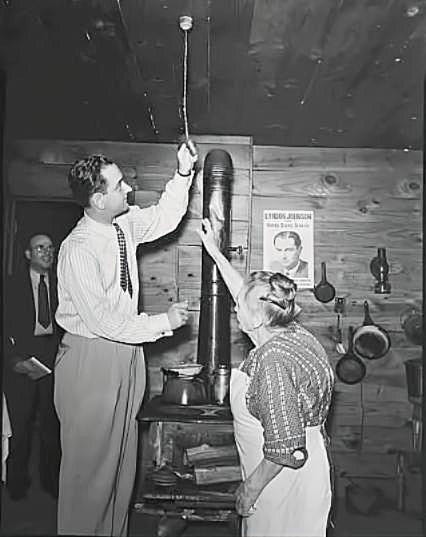
Farms which received electricity in the 1930s under the New Deal’s Rural Electrification Act received one ceiling-mounted light fixture in each room, controlled by a single wall switch near the door.
They also got one plug outlet in each room.
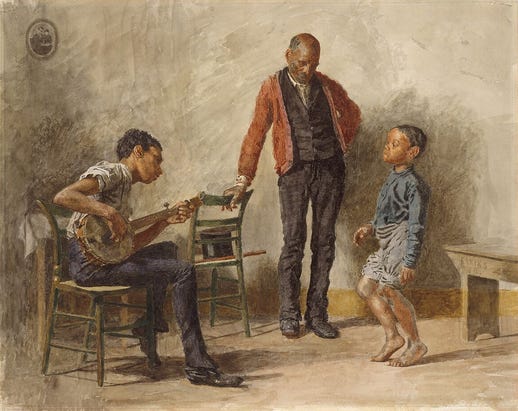
Thomas Eakins, The Dancing Lesson, 1878.
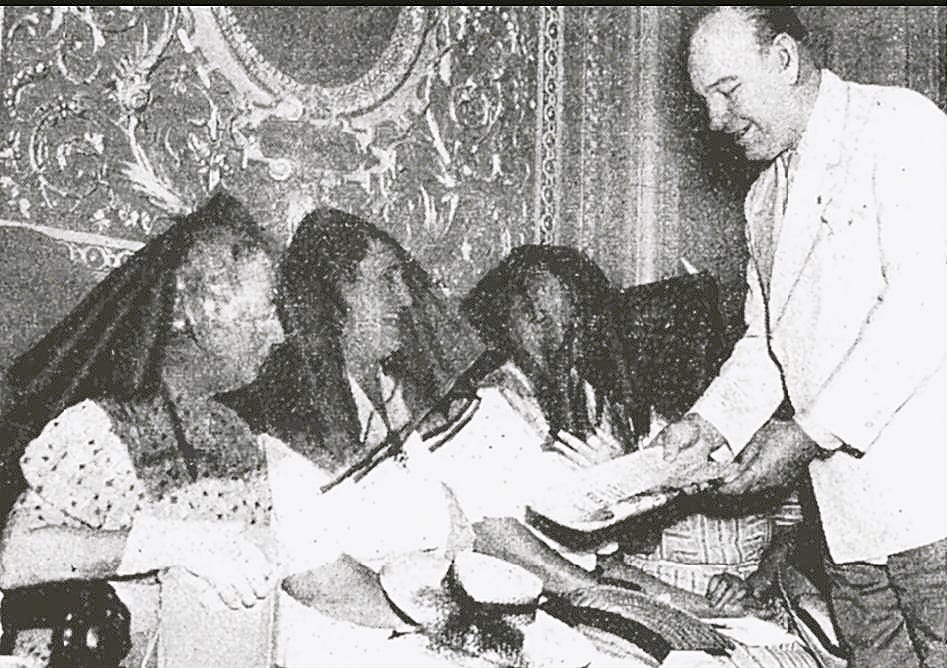
August 24, 1940: In Washington, President Roosevelt condemned the efforts of Senate isolationists to block passage of the draft bill.
An additional 800,000 men must begin military training immediately, given the world situation, Roosevelt said, noting that voluntary enlistments had not provided sufficient manpower.
Roosevelt is considering a deal with Great Britain which would provide the US with 99-year leases on eighteen British military bases in the Western Hemisphere in return for the cancellation of accrued British war debt.
The Soviet Union’s official newspaper, Izvestia, declared the Molotov-Ribbentrop Pact ‘to stand with unshakeable firmness,’ calling the one-year-old non-aggression agreement ‘a turning point in the history of Europe.’
The US government has delivered a blunt warning to Japan that ‘a day of reckoning will come if Japan persists on its current course in East Asia.’
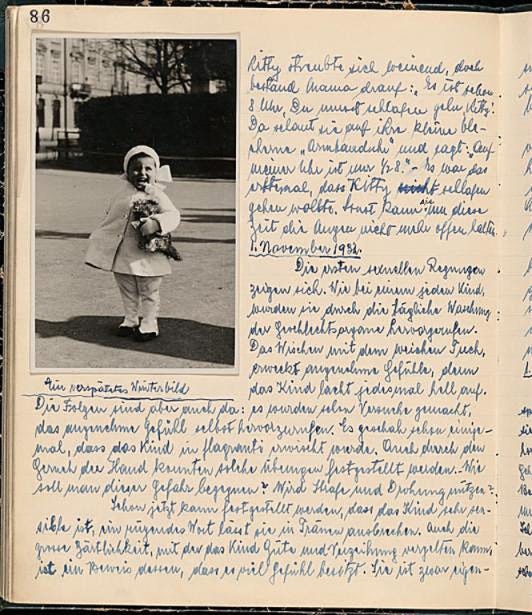
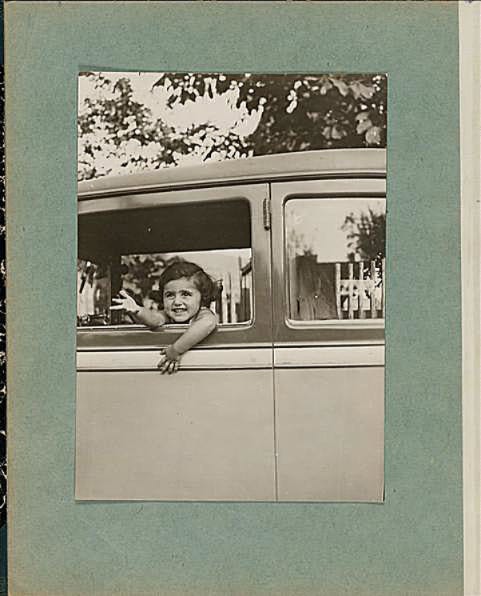
The diary of Béla Weichherz, a Jewish man from Czechoslovakia, is one of more than a thousand family journals and diaries of Holocaust victims held in the United States Holocaust Memorial Museum.
They tell the story of loss on a personal scale.
Béla began writing about his only child, Kitty, soon after her birth in 1929, and the diary chronicles her childhood.
In 1942, more than seventy thousand Slovak Jews were sent to concentration camps.
The Weichherz family was sent to Sobibor, in eastern Poland, a camps whose sole purpose was the killing of Jews.
The Weichherz family is presumed to have been killed upon their arrival at the camp.
Kitty was then twelve years old.
Her death came at the end of a long road which had begun a decade before, when an angry nation embraced a charismatic leader whose simplistic slogans masked a fascist ideology.
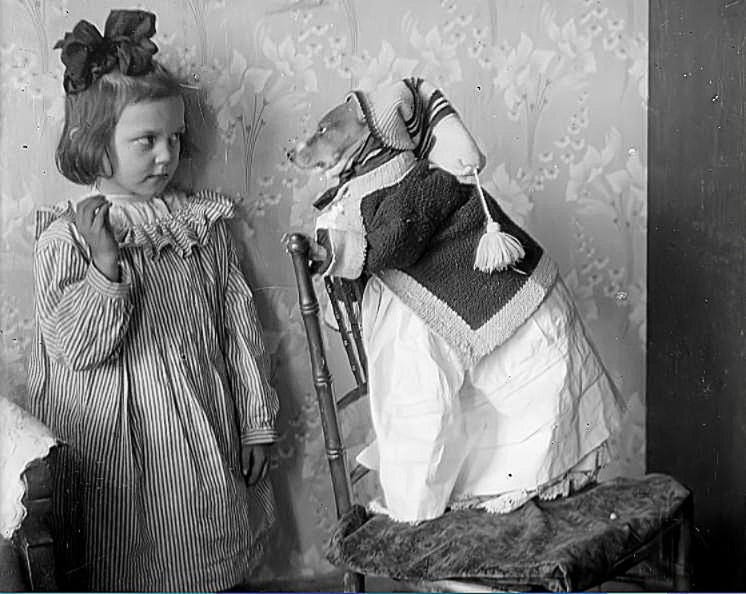
Text within this block will maintain its original spacing when published
Find yourself a friend
who is willing to tolerate you with patience.
A true friend can hold you
like God and his universe.
     -- a verse from the Persian poet, Rumi, c. 1270 (translation by Nader Khalili)
I’ll see you tomorrow.
— Brenda
Comments
Nothing yet. Say the first thing.
Sign in to join the conversation.