
For many years, I was rather obsessed with efficiency. Or rather, I was obsessed with the question of efficiency, more than with actually being efficient. I could happily spend hours theorizing about the perfect schedule, recording my activities, and even designing software to keep track of my to-do lists. In all likelihood, whatever gains in efficiency these activities led to didn’t compensate for the time they took up.
This, it seems to me now, is a very masculine approach to life.
Generalizing very broadly, I currently see myself as switching back and forth between two modes of thinking that could be said to represent a more masculine perspective and a more feminine perspective. Let’s call the masculine one the “mechanistic perspective”. It is all about creating theories, measuring things, constructing things, testing things. It sees humans as complicated machines.
The more feminine approach, by contrast, could be called the “organic perspective”. It is more concerned with systems, networks, processes and cycles. It focuses on the interconnectedness of elements more than on the structure of the elements. It recognizes that levels surge and wane. It sees humans as organic elements in the natural world.
Overall, I find that the more I take an organic approach to life, the happier I am.
Today I want to present you with a metaphor that combines these two approaches somewhat. I hope you will accompany me on a little factory tour.
If you were a machine, what settings would you have?
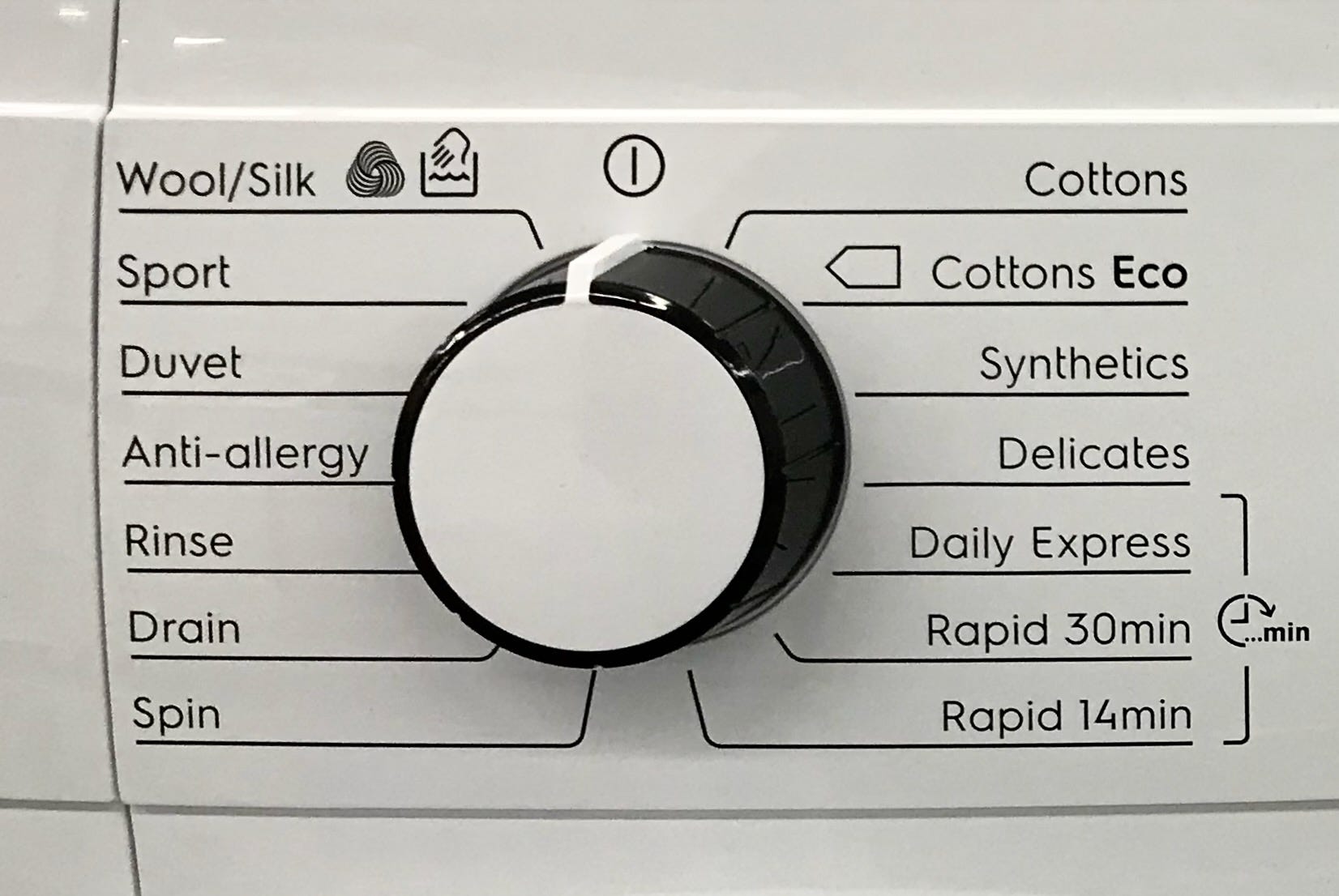
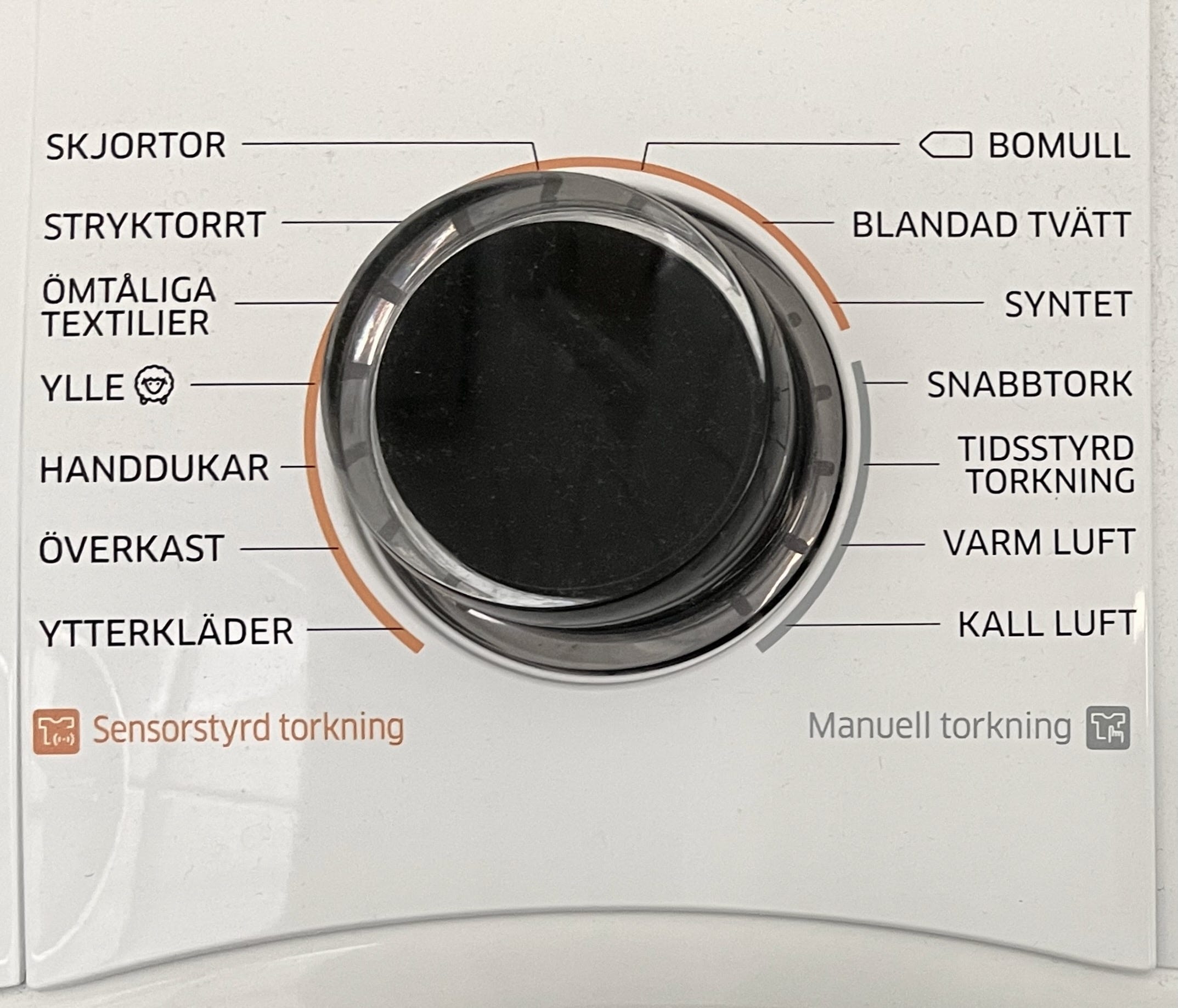
When I use my washing machine, I have to select among modes like Cotton, Synthetics, Delicates, and so on. When I run the dishwasher, I can choose among Automatic, Silent Mode, 30-Minute Power Mode, etc. Even when I iron my clothes (yes, I do that sometimes, even though it doesn’t look like it), I have to select a temperature and a steam level. As for my smartphone, I frequently put it into Silent, Do Not Disturb, or some other mode.
So machines tend to have various modes of operation. What about us? Do we also have different modes of operation?
That, of course, is a very “mechanistic” question to ask. But thinking about it has actually led me to draw on my increasingly used organic perspective. Let me share what I have come up with.
Before I start, though, a caveat: I try not to be one of those writers who use the second person all the time: You are like this! You have to do that! You want these things! You deserve such-and-such! You can’t afford not to take my advice. I find such discourse tiring; maybe you do, too.
What I aspire to do in Living Elsewhere is to present interesting ideas that will inspire readers to think about their own lives from a new perspective. The people reading this are so varied that it would be arrogant of me to say “You work like this” or “You need to do that”. So what I do instead is to use myself as an example, and leave it up to you to decide whether you are similar or different. This can lead to fruitful conversations.
So, with all that said, when I try to think about myself as a machine, I run up against the fact that I have levels that cycle up and down in a very organic way. My modes of operation, such as they are, are the product of the interaction of these levels—essentially, how I am feeling at any given moment.
I believe that the modes I cycle through on a daily or weekly basis depend more than anything else on three factors:
my physical energy level
my emotional well-being
my mental degree of focus
All three of these ebb and flow over the course of a day, a week, a month, etc. This, in turn, suggests that not all modes are available to me at every moment—which suggests that I might need to be a bit more compassionate with myself than my old efficiency-crazed self was.
If we allow ourselves to get a bit nerdy and hypothesize that each of these factors can have a level of “high” or a level of “low”, then it is logically possible that there are eight distinct modes of operation in the machine known as Gregory:
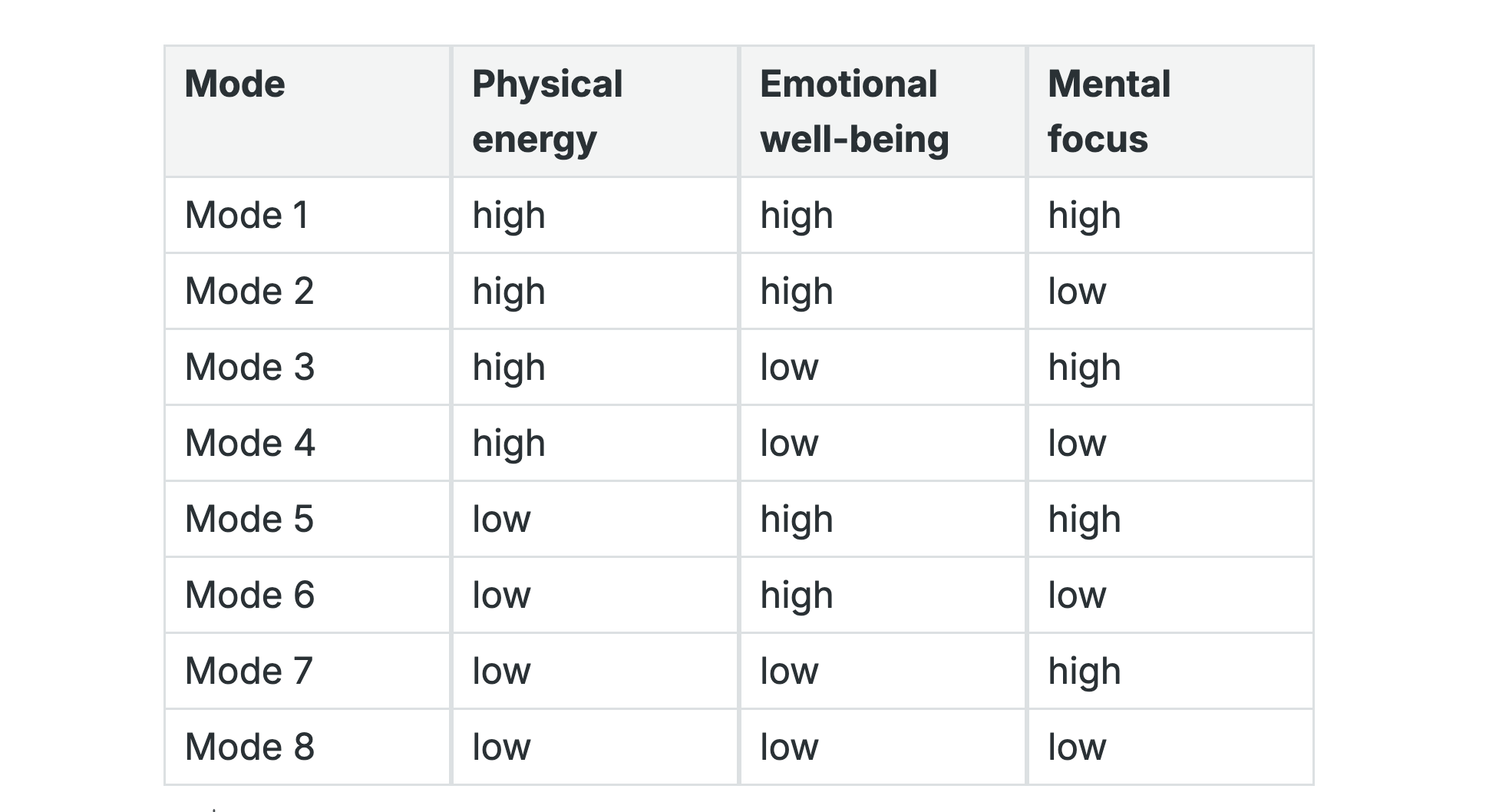
Does this seem to fit the observable facts? Actually, it does, surprisingly well. If I try to match the various configurations to my own experience, I am able to put labels on all eight of these modes.
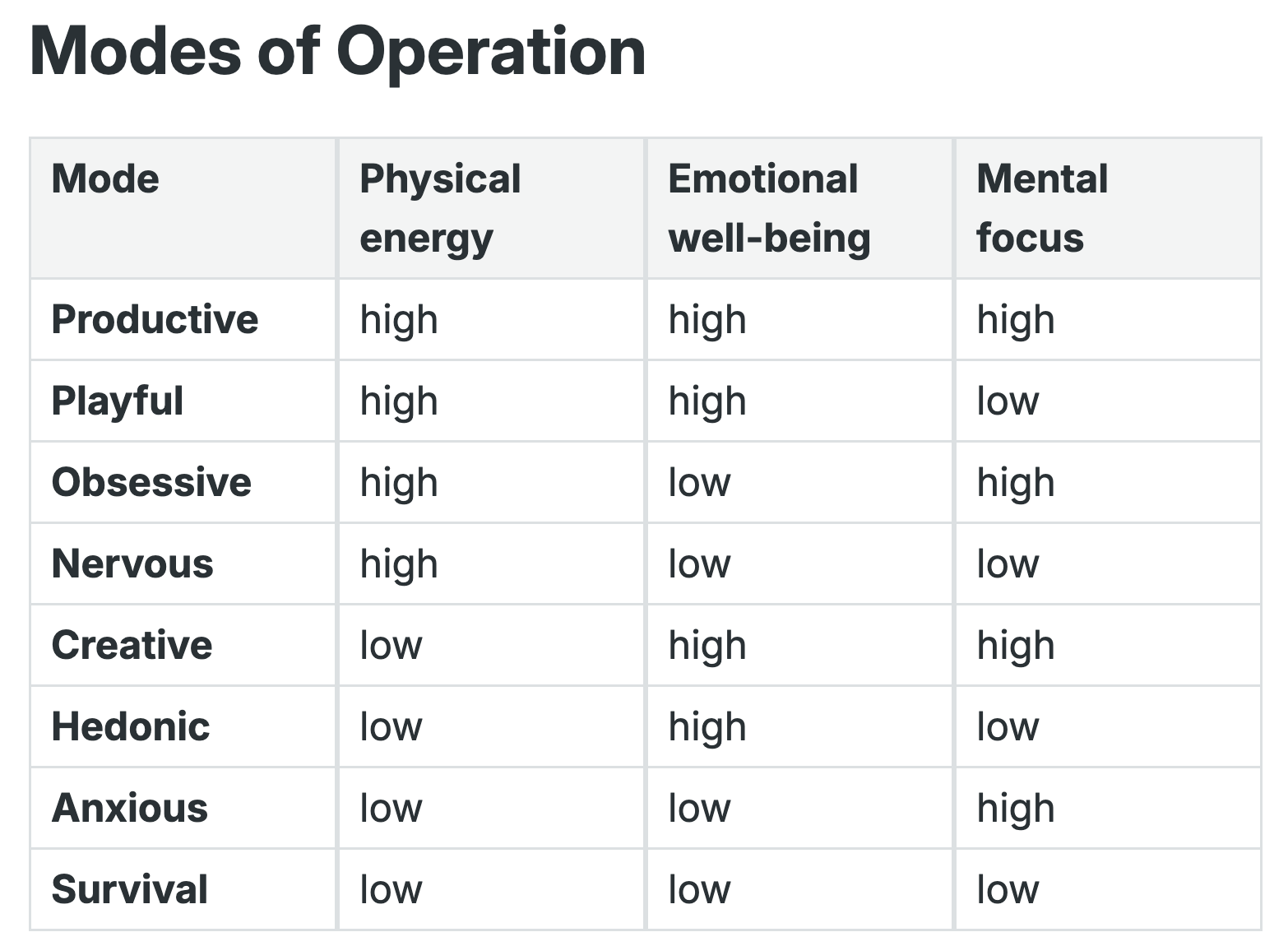
Let’s run through each of these modes briefly.
She is fast and thorough and sharp as a tack
She’s touring the facility and picking up slack
—Cake, “Short Skirt/Long Jacket”
In Productive Mode, I am really crushing it: Getting things done, making things happen, being productive. I feel good and come out of it with a glow of accomplishment. But sadly, it doesn’t last long, as it burns through the available energy.
In Playful Mode, I am not feeling very focused, but I have energy and feel good emotionally. I am more buoyant than productive. This is my most typical mode at a party, for example.
In Obsessive Mode, I am not feeling good emotionally, though I have high levels of energy and focus. This is the typical mode for going down a rabbit hole on the Internet—learning, for example, about all of the imaginable diseases that a given symptom could potentially indicate.
In Nervous Mode, I have more physical energy than anything else. I am not feeling great, and can’t really focus, so I tend to wander from room to room doing random and semi-useful things. Going out for a walk seems to be the best course of action.
In Creative Mode, I am able to sit down and get intellectually challenging things done. My energy level is not so high that I have to be in motion, so I am able to hunker down and focus on being creative. My emotional level is such that I believe I really can do it, and indeed I tend to prove to myself that this is true.
In Hedonic Mode, I am feeling good but have neither energy nor focus. This is typically how I feel when just sitting around and drinking wine with friends. Maybe the evening started in Playful Mode, but now energy and focus levels have dipped, leaving a simple feeling of enjoyment.
In Anxious Mode, the only thing that is high is my ability to focus. But because I’m not feeling good, I tend to focus on negative things, such as worries about the future. It is very hard to accomplish things in this mode.
Finally, in Survival Mode, as one might expect, all levels are low, and the machine is displaying an error message. This is essentially how depression feels. No energy, no focus, and no positive emotions. Clearly, this is the mode in which all hopes of productivity must be abandoned, in favor of simply getting through the day, or week.

I am being rather open here about my own states, or modes of operation, in the hope that you will think about whether you also experience a similar range. I know that everyone works differently, and I suspect that the proportion of time an individual spends in each of these states will vary tremendously. And of course, this will vary over the course of one’s life. I have already written about a very difficult period I had at the beginning of last year. Since then, I don’t think that Survival Mode has been a significant part of my experience.
Clearly, some of these modes are more attractive than others. I would love to spend almost all of my time in Productive and Creative modes. But alas, my body—including the squishy bits inside the cranium—do not allow this. Is there anything we can do to make some modes more frequent and others less so?
This is the point at which discussions of productivity and discussions of wellness meet. I am an expert in neither of these areas, so I will simply share what I have found works for me.
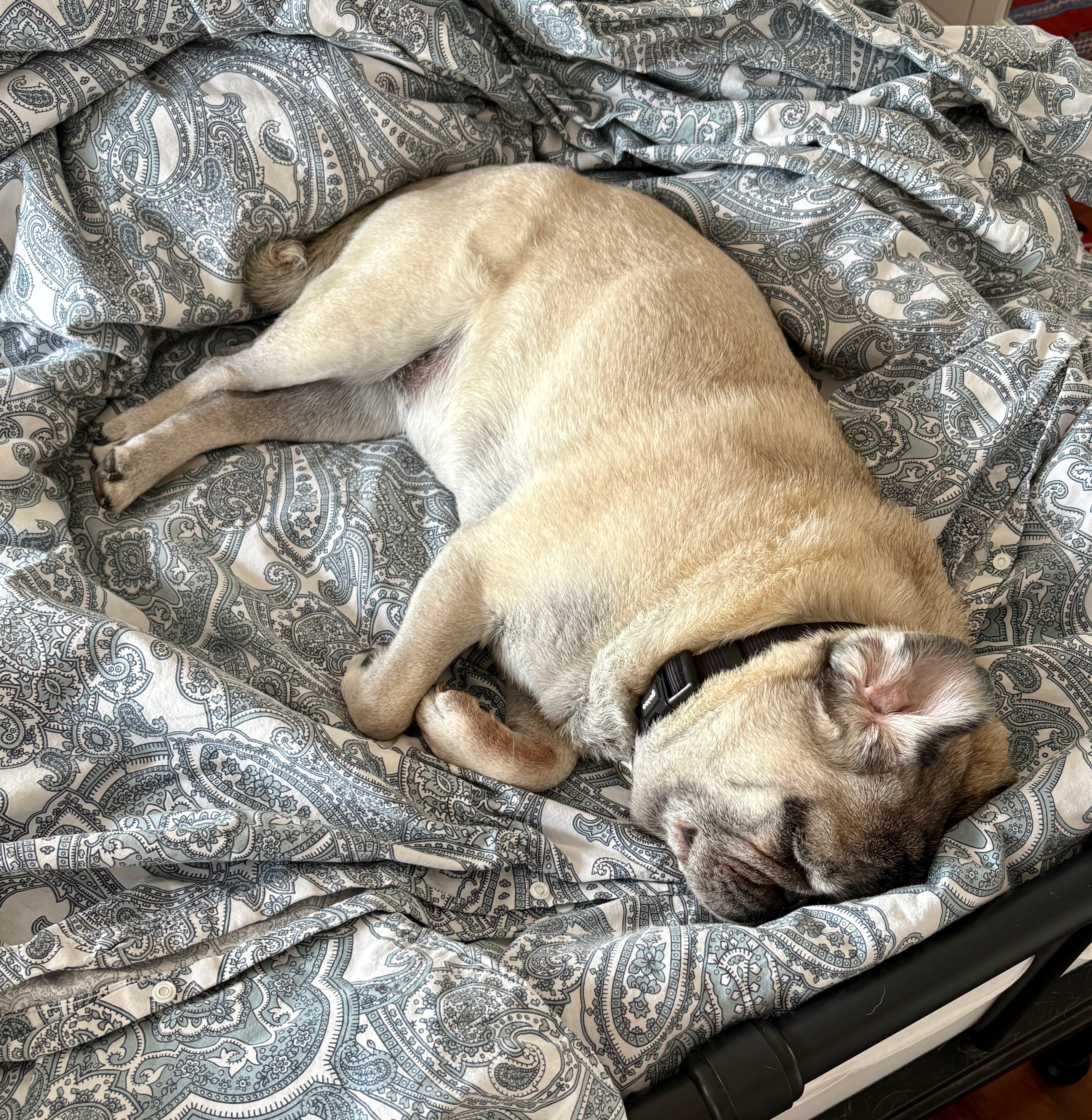
Without question, the most important factor in determining what modes are available on the machine called Gregory is the amount of rest I have had, in particular the amount of sleep. There is really nothing like the feeling of being fully rested in the morning. I remember reading somewhere that 70% of Americans are chronically sleep-deprived. I wonder whether such people even know what it feels like to be fully rested.
I would ask anyone who says that they don’t have time to get a full night’s sleep why they have time to watch television or doomscroll on their phone. Many of the activities people engage in in the evening aren’t really necessary. For many years, I looked with horror at the prospect of going to bed before midnight. Then I tried it. I quickly learned that being rested is much more attractive than being a night owl.
Of course, different people have different biorhythms, and so you may not be able to go to bed early. This New York Times quiz is interesting in that it classifies everyone into one of several types of “birds”, depending on their natural sleeping patterns.
Another thing that I resisted for a long time was getting regular exercise. I have always thought it seemed a bit daft to spend an hour lifting heavy objects, only to put them down again.
Similarly, I recently had a conversation with a Dutch person in which I learned about the multi-day marches that take place every year around Nijmegen. My response was, “So you walk out of the city, and then walk back into the city…with thousands of other people?” I am naturally skeptical of physical activity that doesn’t offer an advantage like getting you somewhere you need to go or putting you in contact with nature.
But I must admit, getting physical exercise does wonders for the functioning of the machine. My level of physical energy and my emotional well-being are boosted long-term when I take the time to exercise regularly.
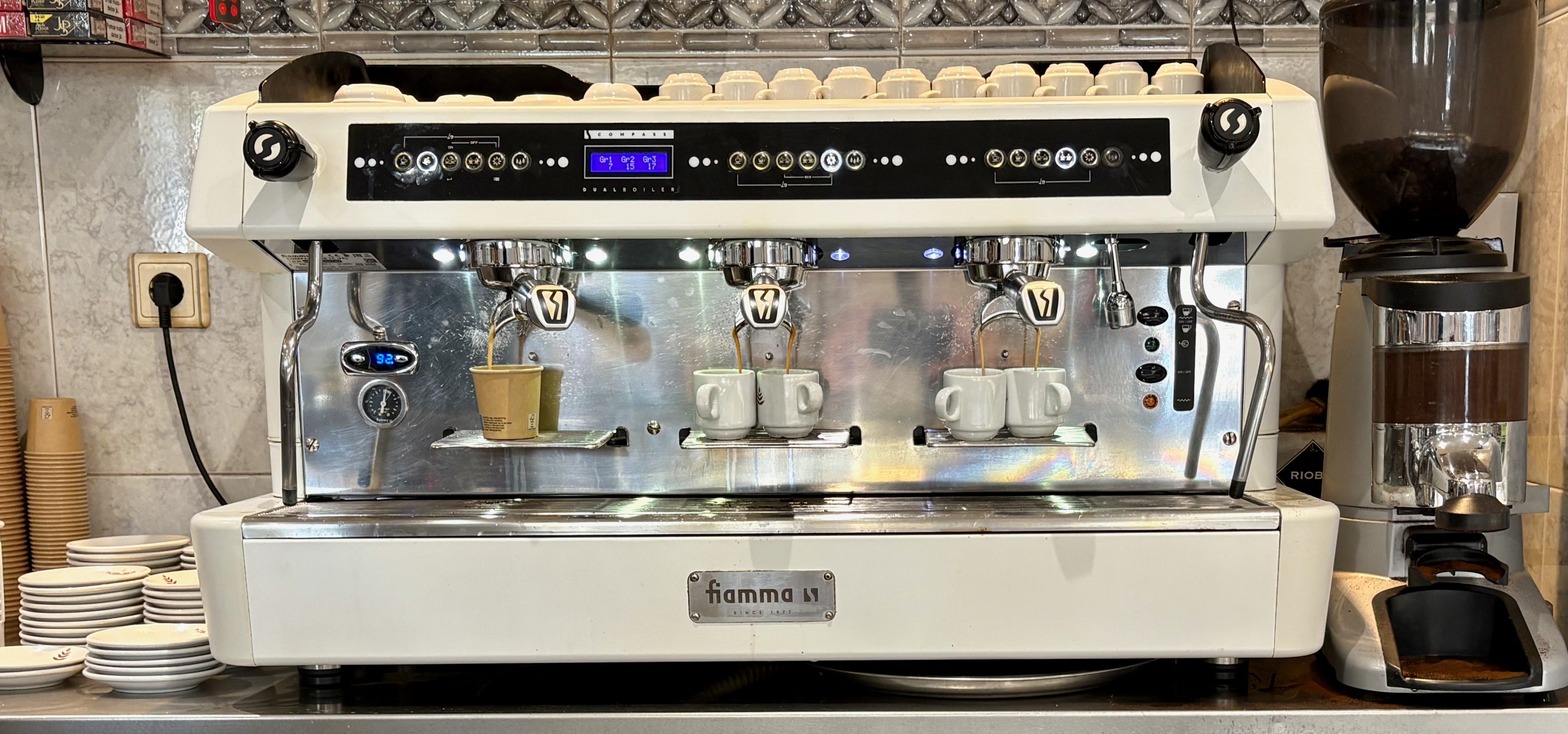
I have drunk coffee nearly every day for forty years. That is a terrifying thing to contemplate. What would my life look like if I hadn’t taken up that habit?
On one hand, drinking coffee is a marvelous sensory experience—see my vignette called “The Espresso”, for example. On the other hand, it costs money, wastes time, and can leave one feeling jittery.
I have contemplated giving up coffee, and have toyed with my intake in all sorts of ways. The conclusion at which I have arrived—as much as I hate to admit it—is that a certain level of caffeine consumption makes it much easier for me to focus, which makes it easier to enter my two favorite modes: Productive Mode and Creative Mode.
Unfortunately, too much caffeine can make it easier to enter Obsessive Mode and Anxious Mode. So the amount of coffee I drink really does need to be regulated. And then there’s the fact that caffeine can ruin my sleep, which is even more important.
Similar to coffee, wine, beer, and other spirits can provide an extraordinarily enjoyable sensory experience. There are few things I enjoy more than discovering a fascinating and delicious new wine.
But of course, alcohol is essentially bad for us. Consumed in large quantities, it makes it difficult or impossible to get into any of the high-focus or high-energy modes of operation. I believe that many people (myself included) find that it does provide a mood lift, and thus a temporarily higher level of emotional well-being, but this comes at a real cost, in that it actually damages the machine itself.
What makes all this more complicated is that the ritualized consumption of alcohol is one of the most common ways in which we spend time in communion with others, which leads us to the final topic…
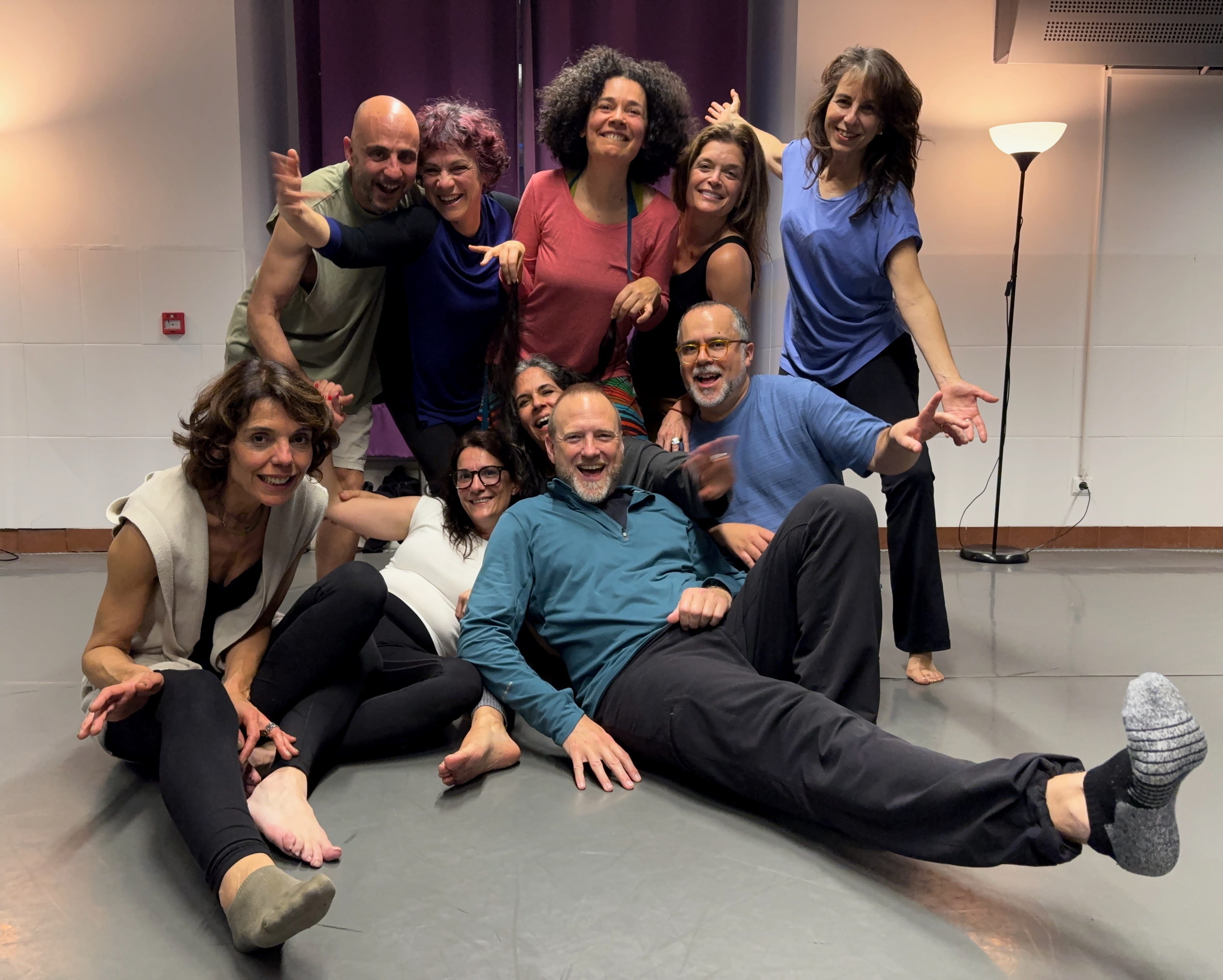
If you, like me, sometimes find that your emotional well-being is the main obstacle to getting into the desired mode, then you, like me, have probably found that positive interactions with other people can be the key that unlocks those modes of higher well-being.
It is difficult to overstate the effect that positive or negative interactions with others—especially our loved ones—can have on our emotional well-being. One of the ways in which I have re-imagined and re-structured my life over the past four years has been to minimize contact with people who bring me down and maximize contact with people who lift me up. If that sounds simple to imagine, it certainly isn’t simple to put into practice. But I can attest that it pays off enormously.
These days, even though I still enjoy doing little thought experiments like imagining that I am a machine, I find that I focus increasingly on less mechanical concepts—like joy, beauty, and fellowship. This is how I try to keep the machine in decent running order, over and above any basic maintenance involving liquids and rest.
I would be interested to hear your perspective on the machine that is you. Perhaps you would like to point out other helpful practices? For example, I didn’t mention food or meditation here.
However your machine functions, I hope that you will give it some love and help it to do what it needs to do. After all, you can’t trade it in, can you?
If you enjoy more thoughtful, conceptual pieces like this, here are some more from Living Elsewhere:
Comments
Nothing yet. Say the first thing.
Sign in to join the conversation.