
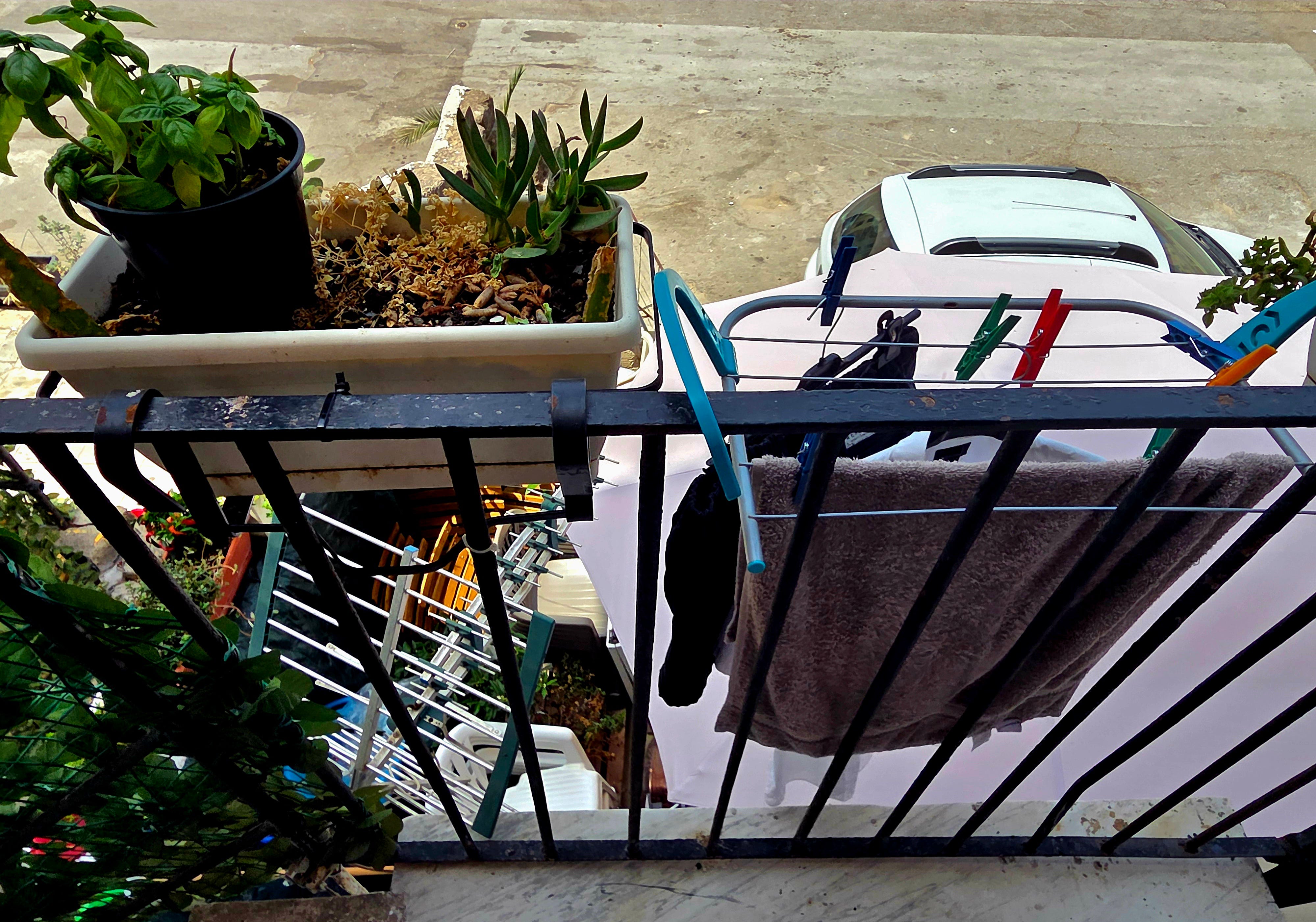
[My front balcone such as it has been during this hot month. I’ve grown used to hanging some laundry out to dry, old-style. After three days of 100+ temps, the little basil plant at the left seemed entirely dead by last night; but a heavy drink of water earlier today has revived it.]
Not long from this blog’s initiation, I described five things that I found while doing a household clear-out. I had not used or even looked at them in years and so wondered: should they be kept or tossed? As it happened, I did save two small and light items - such as my original membership card in the National Junior Classical League - but got rid of the others, including old copies of weekend supplements to the Financial Times. Also sent to recycling were two volumes of the Oxford Latin Course, a textbook series that did not live up to expectations and hardly anybody seems still to be using. The two scholars who authored the OLC are now both closer to the Elysian Fields than they are to any of the classrooms or campuses I visit. Sad to say, personal effects of even great scholars are today sometimes sent to recycling by their children or other heirs who would rather just go see the movie.
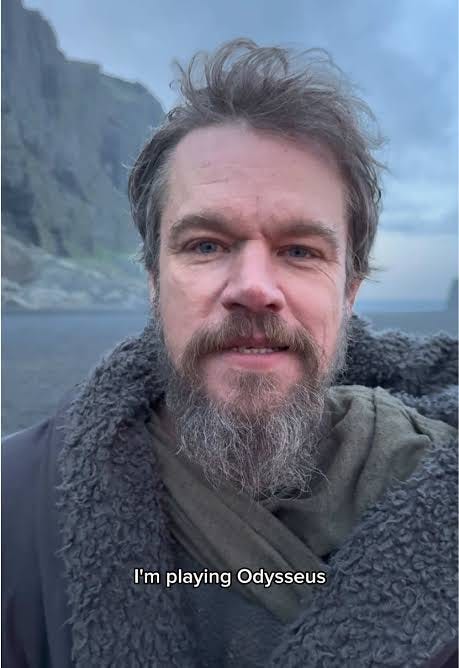
[Matt Damon appears now to be just about the right age to play Odysseus, at least in my view. The Ὀδύσσεια was and is NOT a bio-pic but an epic story, one which in its oldest form was probably presented more like an extended song-cycle than it was a prosaic account of early Greek history. Friends here in Sicily - none of them much more ancient than this writer is - are planning a group outing to a local theater, where I’m counting on being compelled to listen to a dubbed (Italian) version of the script.]
During this viaggio and a previous one where I’ve been able to spend several weeks living in the remarkable old city of Palermo, I’ve grown sort-of accustomed to certain of its peculiarities. One is the locals’ enjoyment of fireworks at any hour of any day. They may soon be forced by officials to cut back on those for the rest of the summer due to intense heat that has settled onto the island over the past two weeks. Dramatic videos have been shared across the globe of hillsides ablaze, and some of those slopes are not many miles from where I currently sit; yet the city itself seems to be all right for now.

[Falcone-Borsellino, Palermo’s international airport, is not far from the site of some hillside fires now burning, but as of this writing the runways are open for business. Certain fires seen nearby are controlled burns set by local farmers.]
If flames were to come even closer this summer, or if they verged near someplace else where one was living, what five items would then be at the top of a must-save list? Such a question is often asked in parts of California that are highly fire-prone. Those of us who usually dwell in more humid areas of the world (e.g., Virginia and Maryland) are less likely to have made a relevant plan; but climate change may affect our decisions, even for those who are skeptical of doomsday predictions.
Ergo, here is the list that has occurred to me during recent evenings as I’ve tried, despite the heavy heat, to take walks along the narrow streets of Sicily’s capital. Italians will often insist that this ritual of the passeggiata is one key to their living longer and better than do most Americans. Perhaps; but for me this week, the primary effect of a hot stroll at 9 PM has been to make my little wall-mounted AC unit feel all the more appreciated. Can or should such devices be said to feel in an active sense?
These are not necessarily items to be saved. Some still are waiting for me in the shops, which in Italy are often small but tend to be perfectly appointed.
(1) Loose-fitting all-cotton clothing such as the shirt I shared a pic of last week. This garment was probably not made in Italy - it was too inexpensive - but the “natural” feeling is there even after a laundering (finished, however, with being hung for some hours in fresh air out on my balcone).
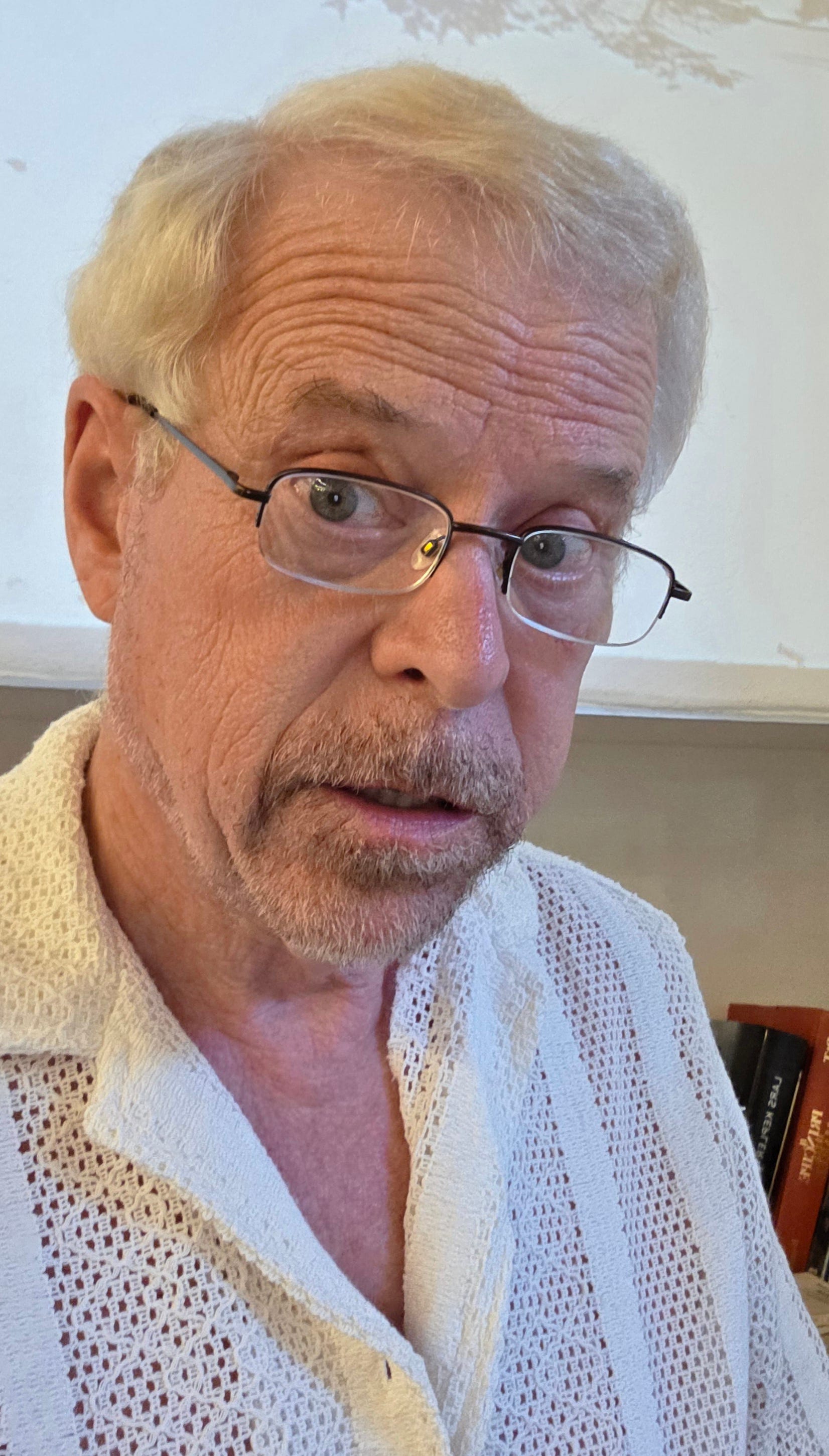
[Is it time yet for Botox? Even if somebody else paid for the injections, I’m not convinced. Better to hire a clever photo editor.]
(2) A high-grade magnifying glass. I’ve given up pretending that I can read things anyway, although indirect summer lighting as experienced in a Mediterranean city goes a long way toward making my work possible.
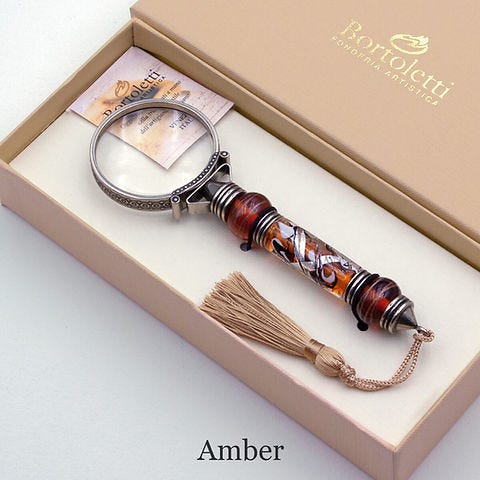
[This one looks lovely in its box. I’ll need something larger if more prosaic.]
(3) A fresh volume of Sudoku puzzles, in large type, with at least two new black pens that won’t leak. I know the game is usually seen as a nerdy kid’s activity, but that’s me; and doing Sudoku or similar puzzles can both calm one down and provide an excuse to ask for a second caffe at almost any hour (though locals prefer durante mattina).
(4) Cash, and of various types. No matter what some governments may do to try to suppress its use, cash is freedom and cash is reassuring. Yes, if you lose bills, you lose them; but the same can be said of almost any form of money. Drop your debit card on a counter here - or in many tourist-heavy places across the globe - and within minutes somebody can drain you. Vendors are not checking ID unless the purchase is substantial.
(5) At the end of this sort of list, it’s customary to mention items like family pictures or, if one is being purely practical, driver’s license/passport. When the End Times come, will it still be vital to confirm one’s official identity? Few of us really think that way, but we do think about the people we have cared about most. Ergo I’ll plan to save my father’s dog tags (probably Korean War-era but could date back to WWII) even though we did not know each other well and he died when I was only 14. I still like to think that, had he lived to be an old man, he would have mellowed and become the sort of character with whom one can have lively conversations and create, if not Homeric epics, then at least good stories that will be passed on to anyone who might be ready to listen.
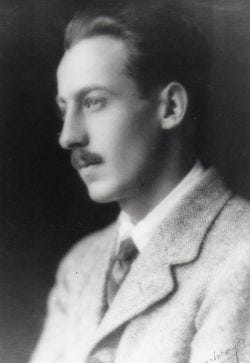
[Milman Parry - shown here - and Albert Lord were the two Yankee scholars of the early- and mid-20th century whom Classicists rarely tire of discussing. Their work should NEVER be sent to recycling, for by studying the living tradition of epic poetry they found in the Balkan region of southeastern Europe, Parry and Lord effectively disposed of some hoary old notions of who was the “real” Homer or who his characters “actually” were. Homer is a story, and part of a mythos. Somebody please tell Elon?]
It’s all set now: on Saturday evening I get to join some local Palermitani and at least a couple of British expats for a showing of Nolan’s Odyssey at the Cineplex Tiffany that’s about four miles up a broad boulevard from the center of Palermo. I’m told this is an establishment that has both electric lighting and cold drinks.
No posts
Comments
Nothing yet. Say the first thing.
Sign in to join the conversation.