
Greetings! If you’re new to the Writing Your Resilience Substack, welcome! I’m Lisa Cooper Ellison, a trauma-informed writing coach, author of this Substack, and your resident story alchemist. I’m currently on my July break. You can join me on this adventure by participating in this summer retreat series. See you in August. :)
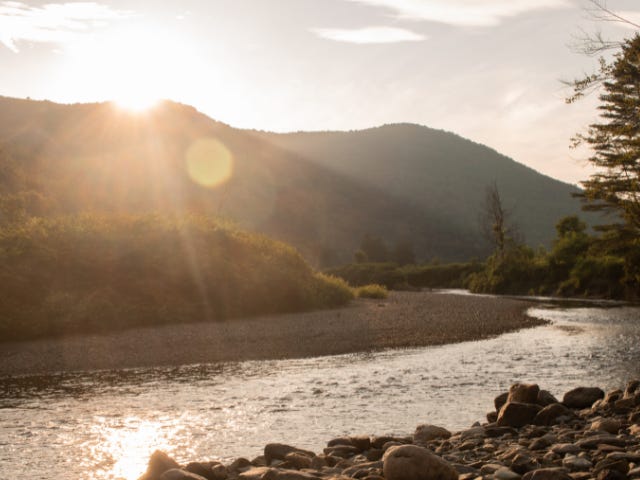
I’ve always spent time on the water.
Kayaking and canoeing in my twenties and thirties taught me something I keep relearning: sometimes you let the current carry you, and sometimes you paddle. The key was never strength or speed, but knowing the terrain well enough to read what the river needed from you at any given moment.
I’ve been thinking about that a lot this week.
I’m balancing visits with dear friends against a deep need to write, now that I’ve finally found my creative footing again. Part of me fears that this flow is a fragile balloon that could burst if I don’t constantly tend it, sending all that momentum back into the ether. That fear can lead to familiar urges: get up earlier, stay up later, cancel dinner, protect the work.
And yet, my community and my sleep matter. So, I’m sitting with the fear instead of obeying it.
What makes this week’s tension especially relevant is that we’re in the transit of Gate 56—the Gate of Stimulation, also known as the Wandering Storyteller. In the I Ching, Gate 56 represents the traveler who moves from place to place, gathering experience, meeting people, and collecting the raw material of life that fertilizes our stories. The wanderer’s gift is inner stability paired with outer adaptability that’s clear-minded about your goals yet so flexible that you trust anything you do can support them.
The high expression of Gate 56 is having adventures by following your curiosity and returning home with stories worth telling. The shadow is chasing every shiny thing until you’ve exhausted yourself and lost the thread entirely. The wanderer who stays grounded comes home full. The one who seeks stimulation for its own sake comes home depleted.
Gate 56 is essentially handing us a permission slip that encourages us to be fully present in our lives and trust that our creative rivers will still carry us, even when we step away from our desks.
In On Writing, Stephen King says it this way: “Put your desk in the corner, and every time you sit down there to write, remind yourself why it isn’t in the middle of the room. Life isn’t a support system for art. It’s the other way around.”
I come back to this every time fears around my creativity tell me to cancel my plans.
So, here’s what I’m practicing this week, and what I offer to you if you’re navigating the same current:
Before going to sleep, ask your creative intuition what it wants to accomplish—not what you think you should produce, but what it actually needs. If you’re traveling or life is currently full, make your goal small and kind; it can be as simple as thinking about your project for five minutes and jotting down a few notes or one true sentence. If this is purely a rest period, engage in things that fill your cup. Either way, listen.
The next night, before setting your new intention, write down three things: what you accomplished, what surprised you, and what you’re grateful for. That last one keeps you in contact with the part of you that’s always in the flow, regardless of what you did.
And if goal setting while traveling or wandering gives you the willies, scrap it. The river will carry you exactly where you need to go.
May you always trust its current, and may that current help you always write on.
Love and blessings to you,
Lisa
Your Turn: What’s one way you’re maintaining a balance between your inner urges and your calendar? Share your answer in the comments. I’d love to hear what’s showing up for you. Besides, you never know who you might inspire or help.
Thank you for taking the time to read this post; your support means so much to me. If this content resonated with you, here are four simple ways to support this Substack:
Subscribe to this Substack if you’re not already a free subscriber
Like this post by clicking the heart
Restack this post (bonus points if you include a note)
Forward this email to a friend or share the link on social media
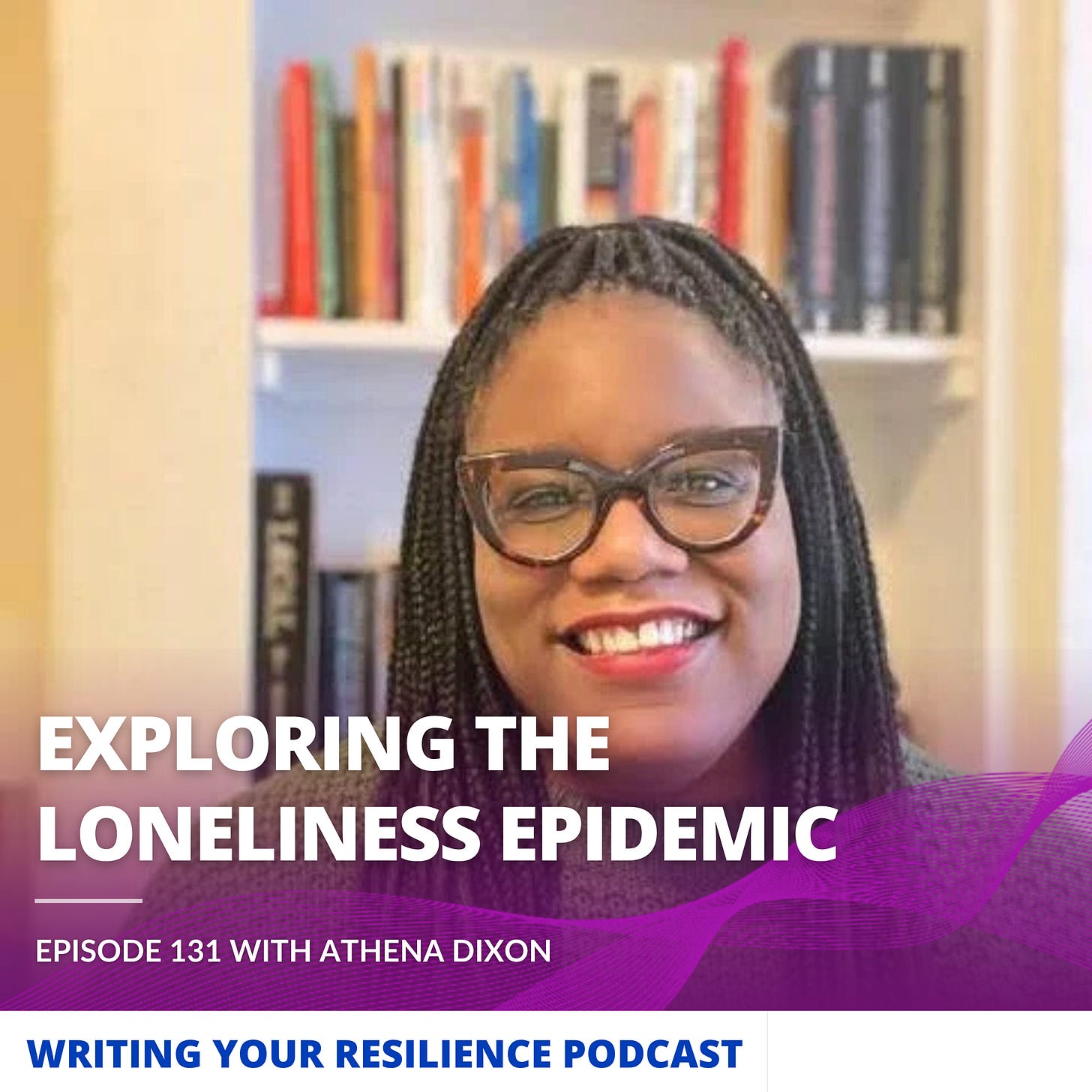
In this Summer Rewind episode, I’m bringing back my conversation with Athena Dixon, author of The Loneliness Files. We talk about the story that launched her book, the difference between honesty and brutality on the page, and what hyper-independence has to do with loneliness. We also wade into sensory deprivation tanks, digital disconnection, and why a free mind can be both the greatest gift and the most terrifying thing a writer can face. If you’ve ever felt alone in a crowded room, or on a crowded feed, this one is for you.
And when you’re done listening, head over to Open Secrets Magazine to read Athena’s monthly column.
Listen Now or Read the Transcript
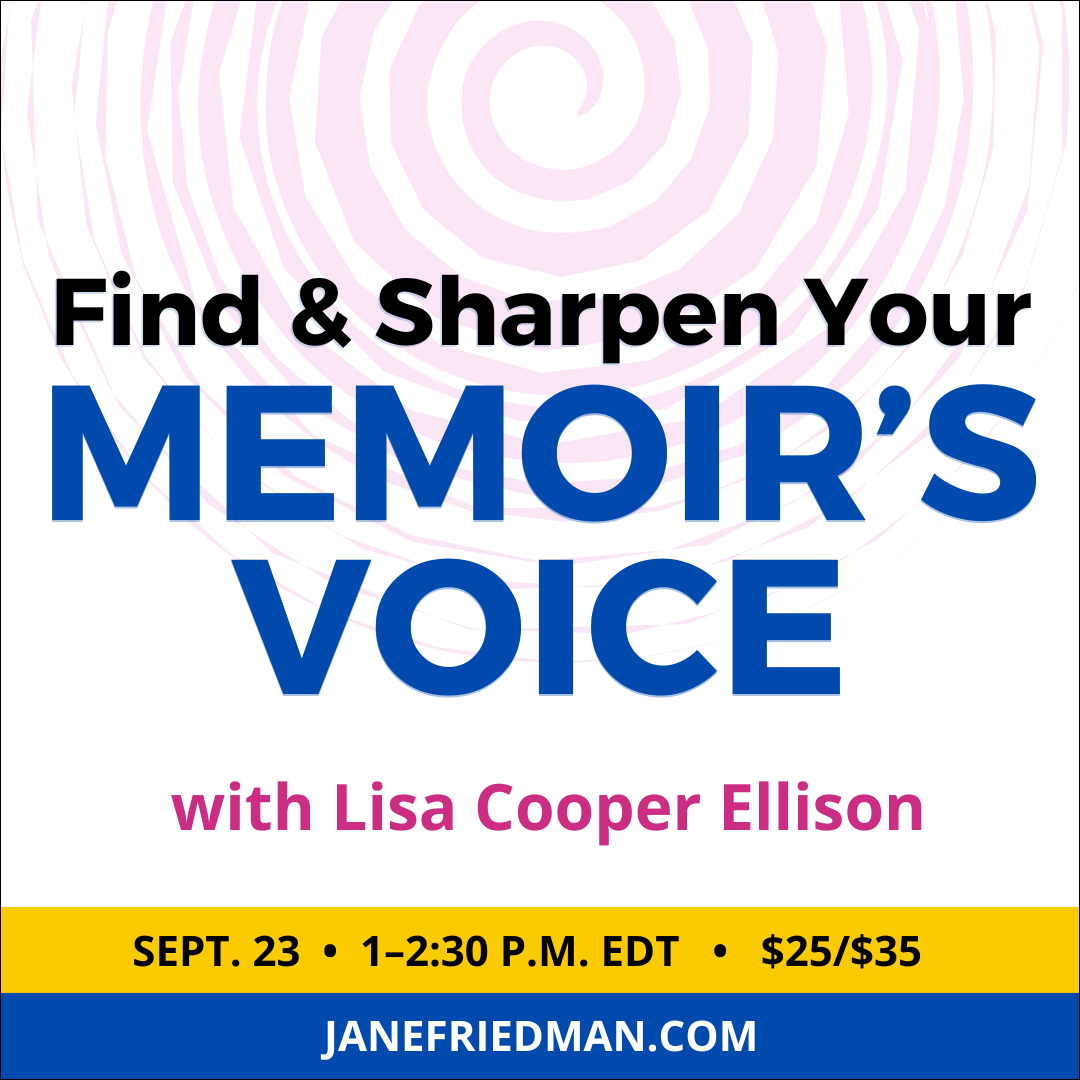
Discover what a writing voice is, the question you should ask BEFORE trying to cultivate yours, and the skills you need to develop to make your work so distinctive that all people need to do is read a few sentences to know it’s you.
Comments
Nothing yet. Say the first thing.
Sign in to join the conversation.