
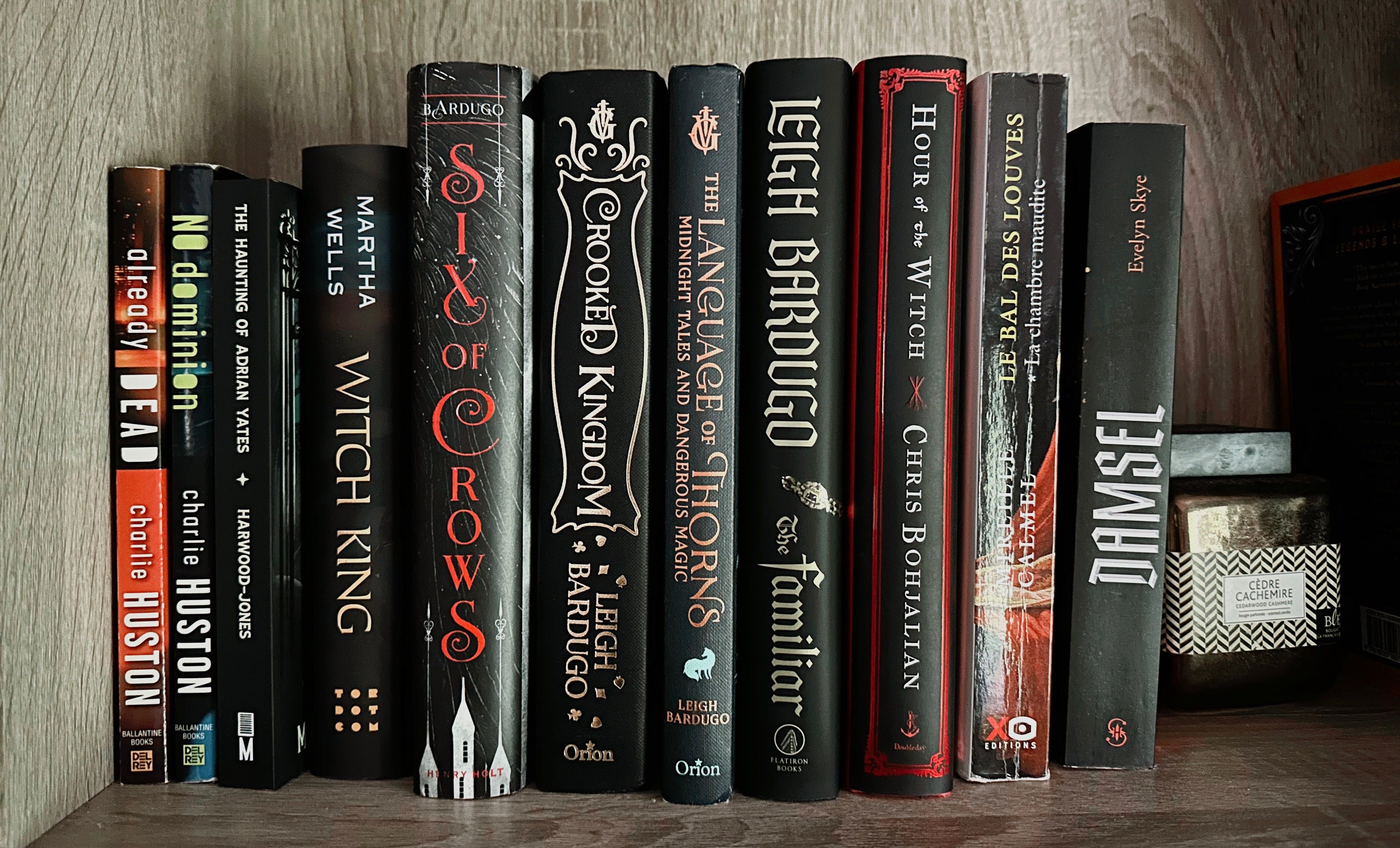
I’m gonna start here with the backdrop of this essay, I’m a reader and I did consume more than my share of Romance (Dark Romance included) through books as well as movies and TV shows, and I have quite a passion for Morally Grey Characters. I guess some could say I’m broken this way (but Am I?). I’m also coming out of 10 years of an abusive relationship where who I considered my partner did his best worst to destroy my mental health and break me with quite an arsenal, from insults, demeaning comments, emotional blackmail, multiple cheatings with sparkles of harm (when the fog of such a relationship is gone, it can feel absolutely crazy what we’ve stayed and loved through, but this is not the subject today).
Let’s dive in this one first. Is being morally grey a red flag in itself? Did my books condition me to accept an abusive situation as “romantic”? Well, let’s not have this one up in the air for too long : NO. At least, not on their own.
Morally Grey Characters (MGC, for shorts) are usually multilayered which makes them very interesting, because they’re more realistic than perfectly moral ones. In real life, you probably never met someone that’s absolutely and unequivocally morally “white”, one good reason for that is that in the end we can have different views on what’s moral. And if people from the same cultural background will generally agree on the biggest moral points, it can get trickier when it comes to the finest details of what we’ll consider moral (or not) individually. And therefore, what kind of bent to it we’ll be ready to look at as acceptable (or even desirable).
Those MGC are often political dissidents, outlaws, vigilantes (hello Batman and the Punisher) — but not necessarily without values, codes of conduct or loyalty, for exemple. They see a world in black and white and are making a mix of the two according to their moral compass and their social experiences, just like we somewhat all do. Morally Grey Characters are not necessarily violent or dangerous, but they can be. They can also be well written, or very poorly. The last one is usually the sign that the author had no clue about how to build a complex though whole character and threw in a bunch of layers, not mixing with one another, to make a violent and abusive character redeemable because of some arbitrary moral code that doesn’t match the rest of their persona. Those are particularly seen in the Dark Romance genre, and they are the “dangerous” ones.
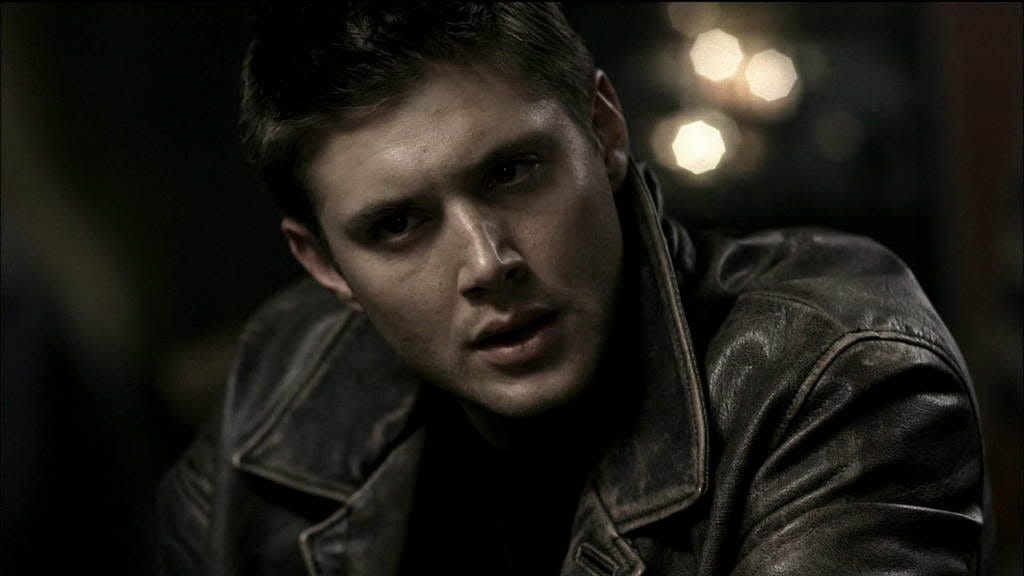
If you need a good exemple for what an MGC can look like, my favourites would probably be Dean Winchester (Supernatural - TV Show) and the two protagonists of The Familiar (Leigh Bardugo - Books). The characters can show violence, have a moral compass that is not just based on pure acceptable values and commonly accepted morals, but have made their own shade of grey with the brushes they were given, a shade of grey making them far from what we normally would label “good”, but never bad either.
In Romance, the defining principle of most Morally Grey Characters is that their answer to the Trolley Problem is just not the one everyone deems the most ethic. A key point in the construction of those protagonists, particularly in romances, is that whatever would be their sense of ethics for everything else, they would always save their partner, even if it meant dooming the rest of humanity. Comes with this character building the idea that a MGC is more an anti-hero than a hero. You might remember that BookTok sound that was trending last year “I’m not a hero, a hero would let you die to save the world. I would burn the world to the ground just to save you”. We can all agree that if that’s ethically discutable, most people would love that their partner would feel like this about them.
Throw in how patriarchy made women abusable and seen as highly replaceable by men, treated as a trade element, and you’ll get why a lot of women, mainly the ones that can be interested by dating men, would be into those characters. More than into the ones willing to sacrifice them at least… They hit too close to home.
It means, I’m interested by characters and people with whom I could have philosophical conversations about what is or isn’t moral, the difference between morality and legality, but also about the different moral grounds that people can be attached to. It means I value the loyalty someone would have towards me (with all its reciprocity) very highly, but that I can understand, discuss and accept that someone would not always have exactly the same views as me. Though that doesn’t mean being okay with values on the opposite side of my own morals (and its shades of grey). There’s a reason Batman goes after vilains, or Dexter was trained to follow a code making him kill serial killers… We probably would have not connected with just random violent people that kill people like us with no moral codes of conduct that we can identify or relate to.
Morally grey isn’t and should never become a synonym of controlling and abusive. Even if a lot of bad Dark Romances have had a tendency to make the confusion. Being in control or desiring control does not even equate being controlling. In that last case whatever control the protagonist has, he’s taken, robbed, stolen. Consent that he has (or is trying to maintain) was not given freely without any form of coercion. That is what’s problematic. That and the fact that quite a few of those stories tend to superpose being controlling and being a protector… Which takes the story down a very problematic path, specially if we are not conscious of what we’re actually reading.
First things first, Dark Romance is a vast genre. It regroups all romance stories that will include dark elements into the romantic entangling. Like, for exemple, BDSM. Now, BDSM practice is based on trust, risk awareness, and key point : consent. The unequivocal (and enthusiastic) consent of all parties involved. Dark Romance should therefore not exclusively mean romanticisation of abusive behaviours. But… But a lot of new big trending books in that genre, do.
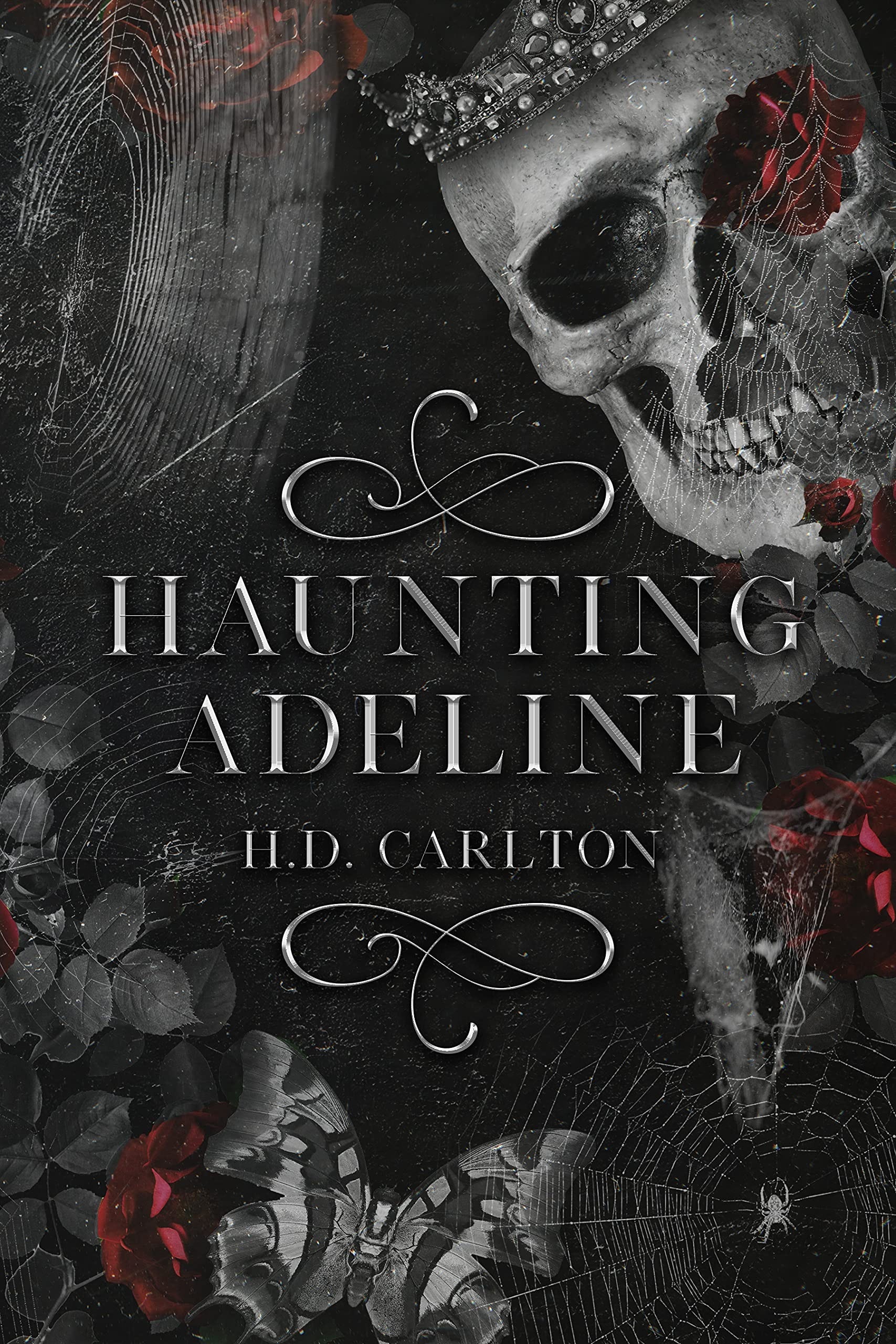
Let’s dive in with an exemple of a kind of character I truly dislike : Zade Meadows from Haunting Adeline. He is a creep rapist but the author throws in the fact that he would “also” be hunting sexual predators as the sugar coating of him being one… And it doesn’t work. The moral part of the characters feels fabricated, the character therefore doesn’t work as a morally grey protagonist. And quite frankly, the book would have been better if the author hadn’t tried to make the character “greyer” so arbitrarily. A true villain would at least have made a better story.
“She wanted this, she just didn’t knew it yet” as a justification to sexual assault is not really coherent with a character that allegedly spends all of his days trying to prevent rapists to find new victims, and is also a way too common and disgusting excuse threw in by actual rapists. Which means if you’re gonna use that sentence, you better build a better story around it, even if a darker one.
1- yes it’s okay they’re published, thank you;
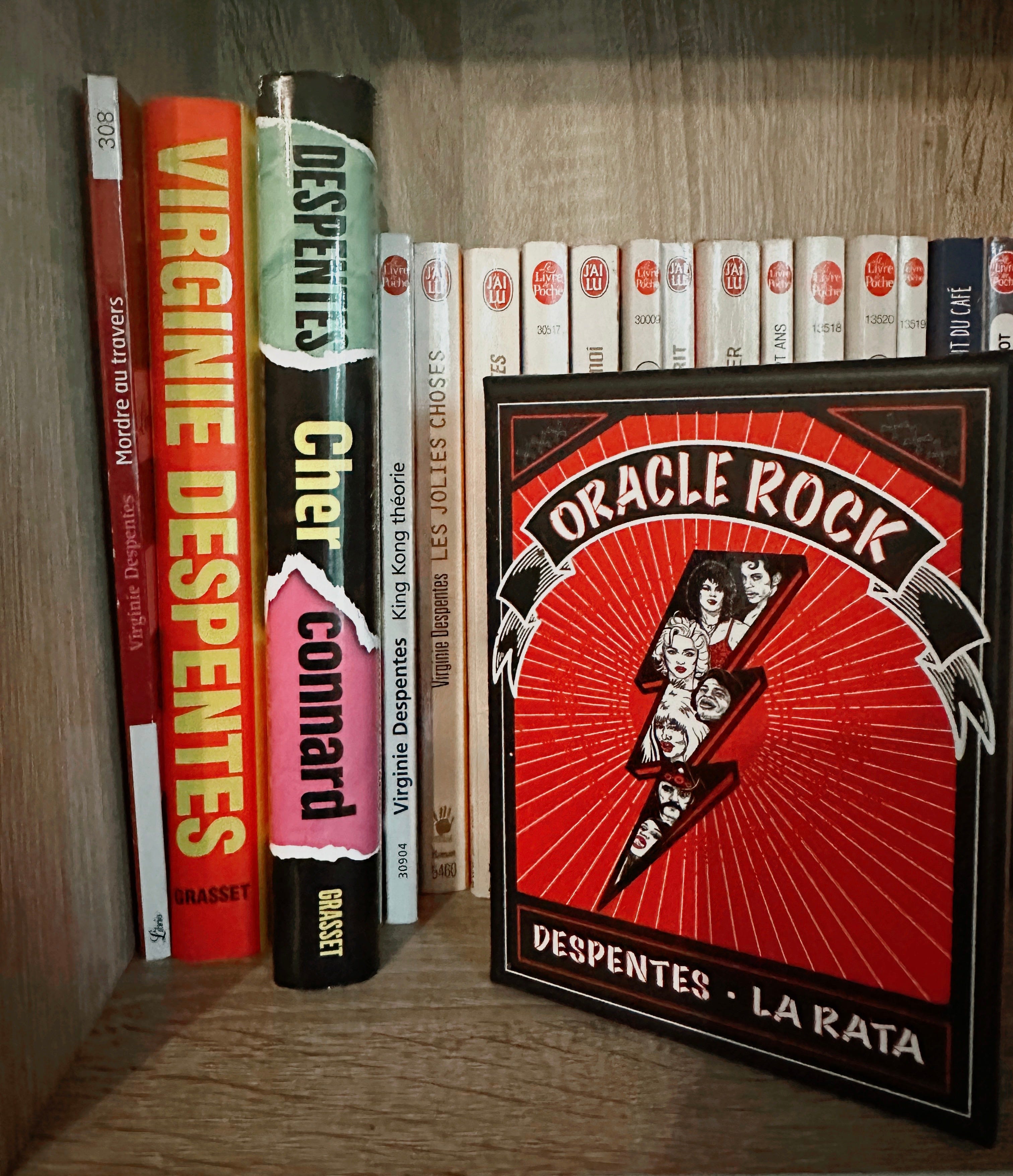
2- because it’s important to make the difference between reads (and even fantasies) and what those readers would genuinely wish would happen to them in real life. If you haven’t read it yet, I advise reading the wonderful essay on rape fantasies written by Virginie Despentes in King Kong Theory where she dives in the reality (though most times silent) of this very common women fantasy. And how it absolutely never means that they actually would like to be raped.
Thing is, as women we are taught since our childhood that we do risk rape, just by existing. That we should be wary of men and their predatory instincts. That we should be careful walking alone, particularly at night etc. Those fears and images will therefore naturally take a big place in the construct of our mental world.
Add on top this that women’s sexuality is still suffering a very bad stigma, therefore women are not supposed to talk about their sex life, not supposed to have that many partners, even less so enjoy sex or be assertive when it comes to their wants or needs (in any form and shape, but particularly when it comes to sex), and you’ll get women that will somewhat naturally develop variations of those rape and abduction fantasies as a way to express desires without having to actually express them as yours (they’re “forced”) but also as a way to cope with knowing that some of those things, they’re a genuine risk.
Creating works of fiction around those themes is then no more problematic than video games, books, movies (etc) about war or violence, and no more leading to someone “becoming” more violent (or more tolerant to violence) because of them per say. Now, as those are all a part of a society that values women’s submission (sexually, but generally speaking too) and men’s violence (sexually, but not exclusively) then those characters and stories can have different effects from triggers to empowerment (by owning and reclaiming a very complex, dark, and highly judged fantasy construct), up to enabling, indeed. Just like porn isn’t a real representation of sex, those books are not a real representation of what women expect of a relationship. Which is why it is always important to put a work of fiction in context, and in hands that can actually understand them, take a step back and not look at it for what it isn’t.
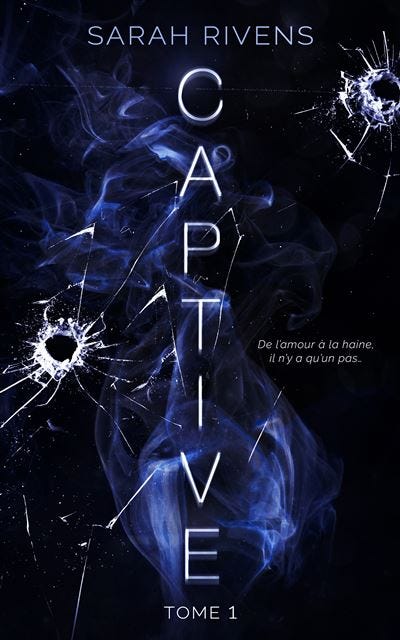
And here we get to one of the main problem in today’s Dark Romance : the age at which to access those stories. It’s not about censorship or banning those books, but about making sure those stories don’t end up in hands that are not equipped to make the difference between a fantasy narrative and an aspirational reality. I’ve seen a 14 yo reading “Captive”- a french very bad Dark Romance and I was seriously concerned about the impact it could have on her. Because adults will make the difference between what’s on the page and just a “not to become real fantasy that is still arousing or fun to read about”, but kids accessing the same content at a formative moment in their emotional development? That is really dangerous as it will, for them, give romantic traits to abusive, violent and dangerous behaviours without giving them keys (like RACK - Risk Aware Consensual Kink) to explore some of their darkest fantasies safely.
Hell no. I could have written that piece ten years ago, before I met the person that abused me. I was already a feminist, I had a good political and social education (better than his). I had friends around me (feminists or allies, and well educated too). But society and patriarchy are hard to escape, and personal traumas and self-esteem issues are just as complicated to get away from. And people lying, mis-representing themselves, manipulating and being two different people (Dr Jekyll and Mr Hyde style, since we’re in for literary references) are not something we’re ever that prepared for when we are willing to see the best in people.
My literature tastes didn’t make me more prone to the abuse. It had contributed to make me more willing to see the good in people though, more willing to discuss moral differences, to accept mental health problems and the specific relational issues they can come with. They had made me, in the end, what I do consider to be a better person. And I do not want to change those things about me.
I was abused because someone saw in those qualities an easy way to manipulate and hurt me. I wasn’t abused because I was weak, but because I was strong, loving, resilient and forgiving. I wasn’t abused because of “me”, I was abused because “he” was an abuser. And I refuse to let him win by taking away the trust I can have in people, the acceptance, the care, and all those things that reading (romance included though not exclusively), consuming movies, shows, music, art (etc) had made me.
Comments
Nothing yet. Say the first thing.
Sign in to join the conversation.