
Lexi Ventures is a VC firm with a unique focus on genetic engineering at seed stage.
The past month has been great for early stage genetics company investors.
Alnylam Pharmaceuticals signed a research collaboration with Tenaya Therapeutics (4 years from Seed to IPO) worth up to $1.13 billion to develop RNAi-based cardiovascular therapeutics.
Gilead Sciences agreed to acquire Arcellx (5 years from Seed to acquisition) for up to $7.8 billion for its phase 2 CAR-T therapy for multiple myeloma.
Eli Lilly is acquiring Orna Therapeutics (7 years from Seed to acquisition) for up to $2.4 billion for its circular RNA and LNP platforms.
Eli Lilly also signed a deal worth up to $1.12 billion with 3-year-old startup Seamless Therapeutics to develop new genetic medicines, including therapies targeting hearing loss.
Novartis agreed a research partnership worth up to $1.7 billion with macrocyclic peptide startup Unnatural Products, one of my angel investments.
At the Advances in Genome Biology and Technology (AGBT) conference, Ultima Genomics unveiled its next-generation sequencers and workflows, pushing whole-genome sequencing (WGS) at 30x coverage to just $80 per genome. These innovations bring Ultima closer to enabling routine population-scale genomics, AI-driven discoveries, and broad clinical applications by greatly reducing the barriers to sequencing at massive scale.
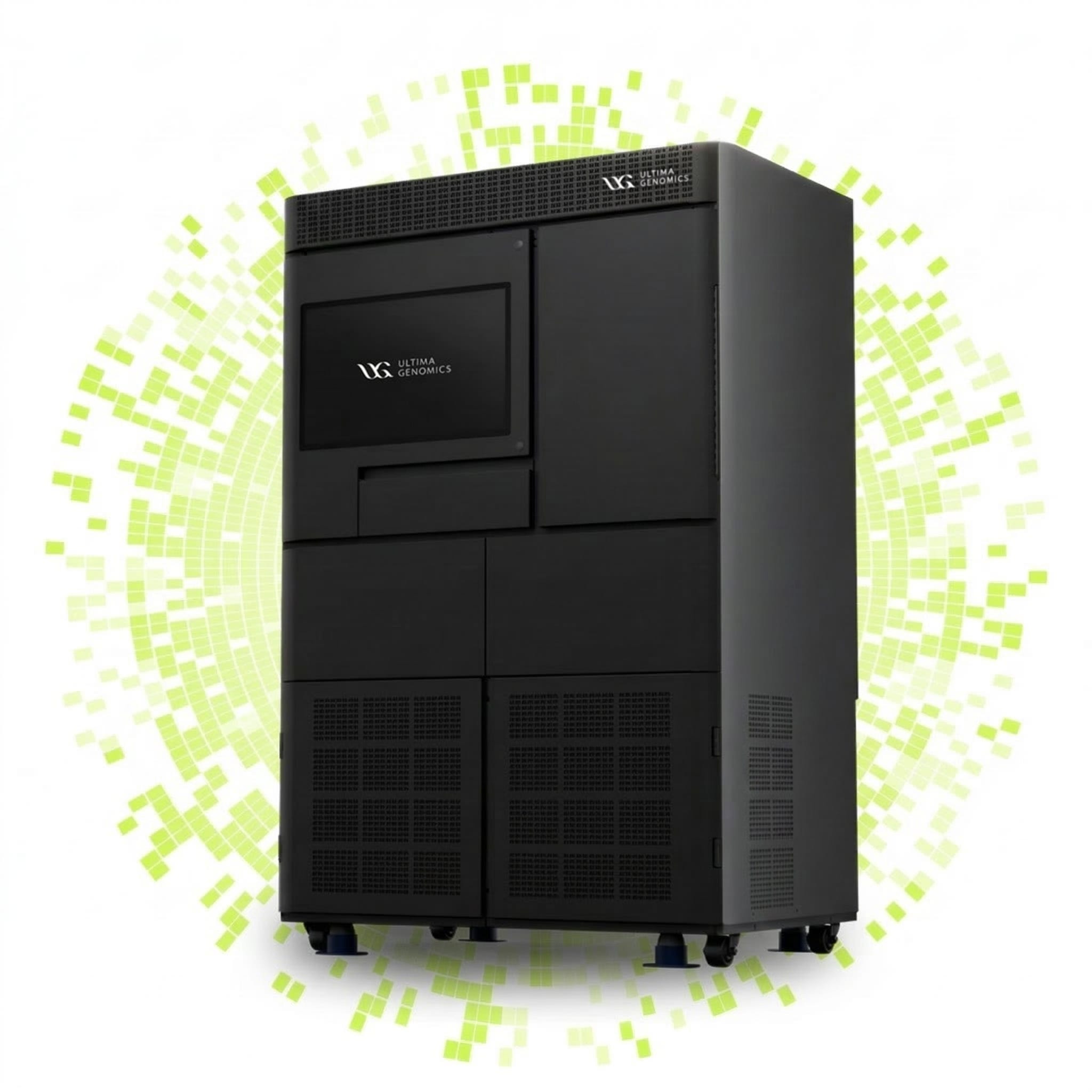
Ultima’s customers are already deploying the platform for clinical applications including minimal residual disease testing and cancer diagnostics. Ultima is simultaneously partnering with the Chan Zuckerberg Initiative and 10x Genomics on a Billion Cells Project to sequence one billion single cells for AI model training.
Institutional investors tend to identify investment growth opportunities by analyzing past data.
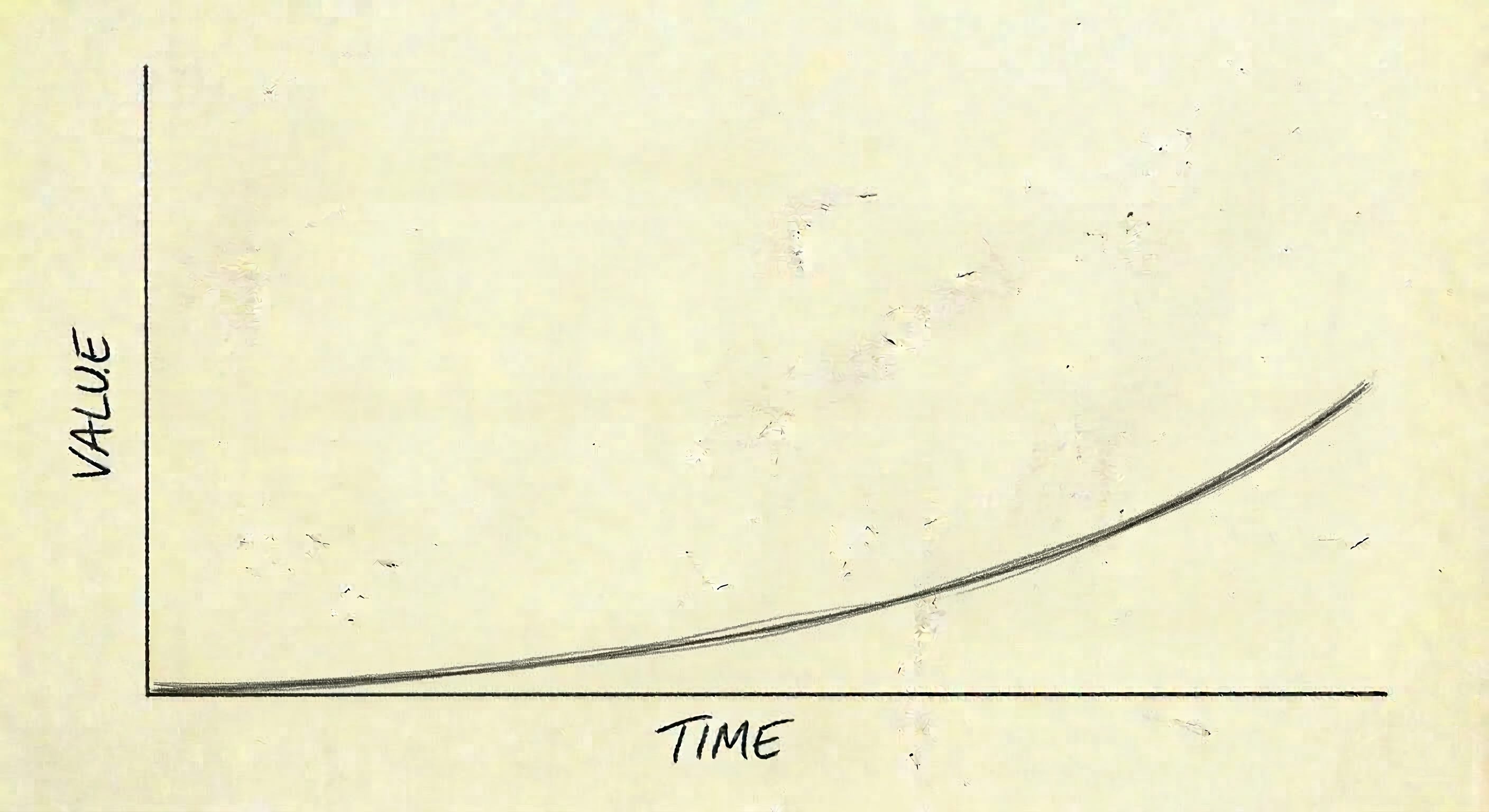
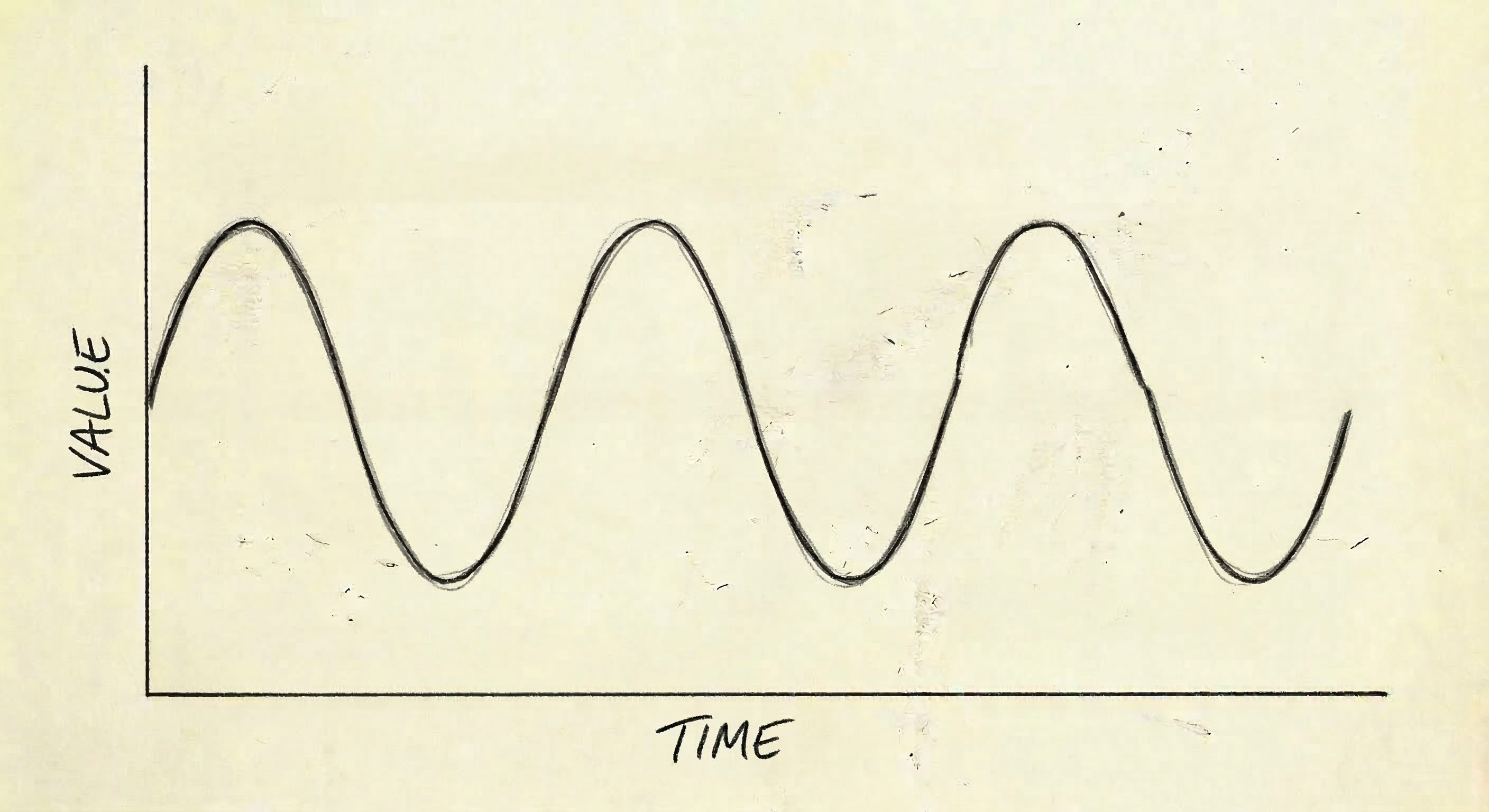
This works where there are identifiable trends or cyclical market behavior.
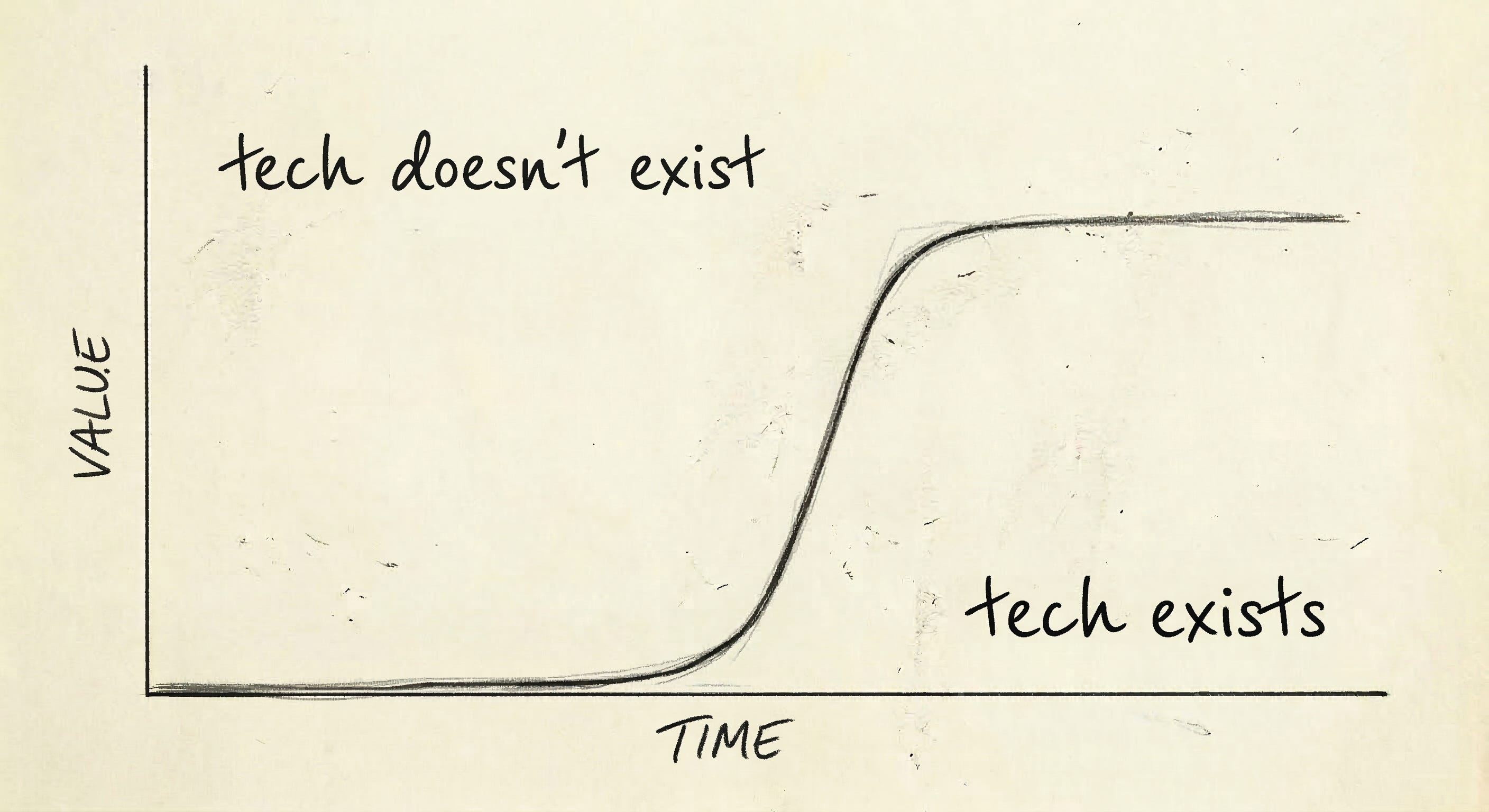
The biggest opportunities for investment growth come in discontinuities. This is most often the result of the invention of a new technology. These opportunities are what venture capitalists try to identify. For example:
No projection from the electronics industry of the 1970s could have forecasted the software revolution of the 1980s. It happened when the personal computer came into existence. Sequoia was transformed by capturing the opportunity.
No projection from the auction industry of the 1990s could have forecast the online marketplace that eBay created in the 2000s. It happened when the internet came into existence. Benchmark had that insight for one of the best VC fund returns ever.
No projection from the taxi industry of the 2000s could have forecasted the app-based ride hailing revolution of the 2010s. It happened when mobile phones got GPS technology. Benchmark nailed it again with Uber.
Lexi Ventures’ insight is that we are at the beginning of a genetic engineering revolution. It is masked from most institutional investors by many failed genetic medicine and disappointing synbio companies of the past decade. The revolution will happen because of:
The new ability to create DNA editing enzymes such as CRISPR-Cas9 and its improvements
The precipitous fall in the cost of DNA sequencing
The advent of AI modeling.
We expect this revolution to make Lexi Ventures one of the great VC firms of the future.
Thank you for your interest and support.

Comments
Nothing yet. Say the first thing.
Sign in to join the conversation.