
Lexi Ventures is a VC firm with a unique focus on gene tech at seed stage.
A federal appeals court has upheld an injunction preventing the Trump administration from implementing steep cuts to National Institutes of Health (NIH) grant funding. The court held that the administration’s attempt to cap “indirect cost” reimbursements at 15% was unlawful. This is a legal victory for the research universities and other institutions that spin out world-changing startup companies.
Lexi Ventures participated in the JPM healthcare conference in San Francisco. It is the world’s largest such conference. Many VC firms host competing lavish cocktail parties as a once-per-year opportunity to meet startup founders congregating from all over the world.

Conscious of using fees efficiently, Lexi Ventures hosted a humble mid-afternoon pizza party. With few competing events, we had 550 sign-up, accepted 350, and had around 200 turn out, packing the patio of the downtown CPK with the founders of the next revolutionary companies.
The Linux operating system powers electronics from thermostats to space ships, stock exchanges, firearms, and more. CRISPR nucleases power biological things from cancer cures to replacement organs, pathogen detectors, better foods, future fabrics, safer cosmetics, dinosaur zoos, and more.
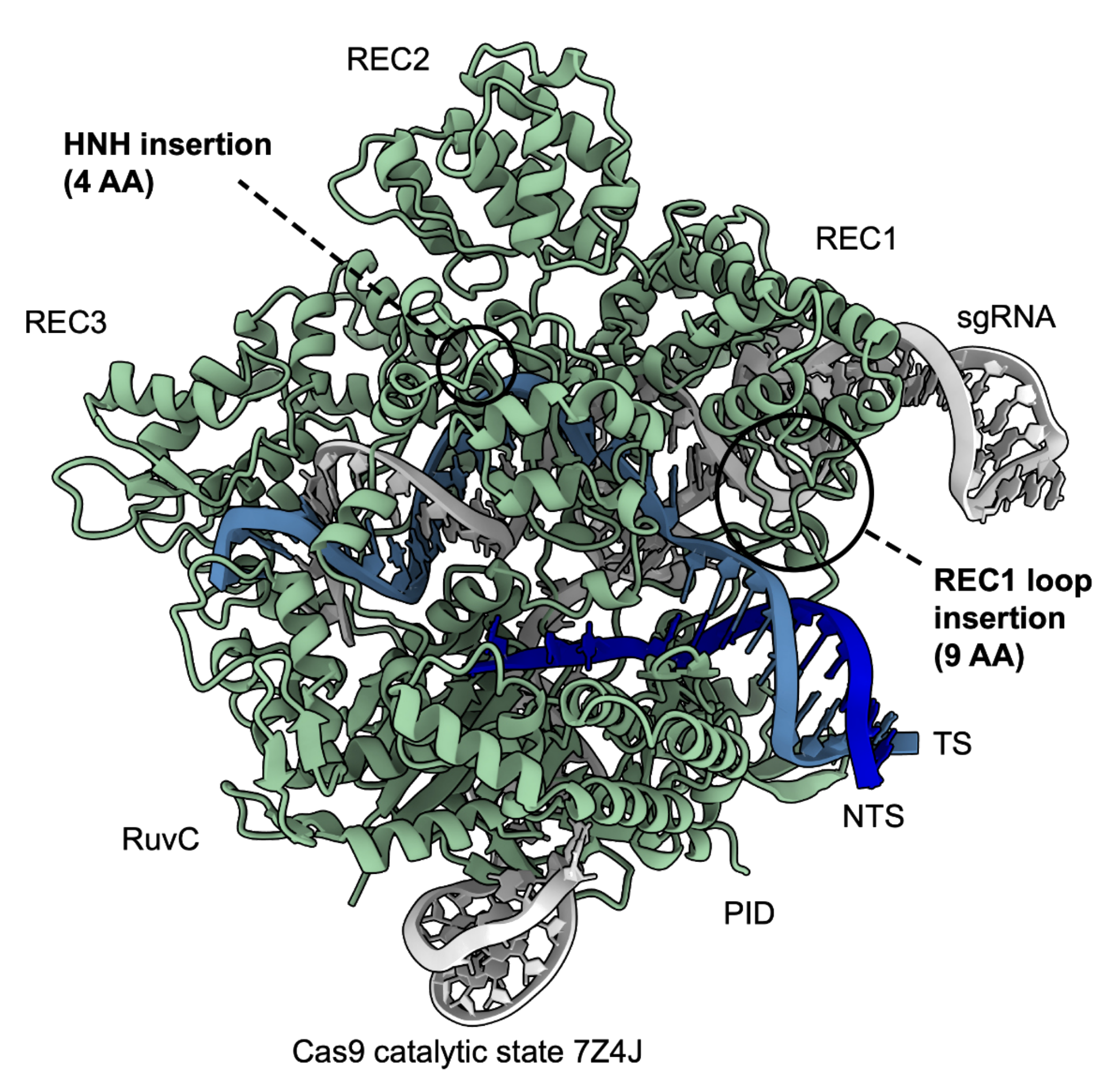
OpenCRISPR-1 is a revolutionary gene-editing tool, generated entirely by AI. It is as effective as the original CRISPR discovered in nature but with 95% less off-target effects. In April 2024, its creator, Profluent, released the recipe to the world, free of charge for anyone to build on, like Linux.
Previously, companies developing gene tech had to pay millions in patent royalties, which constrained innovation. By removing this financial barrier, OpenCRISPR makes startups more capital efficient like open-source did for software companies.
Today, tens of thousands of scientists are building with OpenCRISPR-1. This “democratization” of gene editing has increased the number of gene tech startups. This gives VC investors more “shots on goal”, raising the probability of profitable outcomes for a gene tech fund.
In a win for rationality and empiricism, a majority of EU Member States agreed to relax regulations on crops developed using New Genomic Techniques (NGTs), including CRISPR editing. This would finally allow European food producers and scientists to innovate on crops that are:
more delicious
more nutritious
less allergenic
more affordable
more varied
waste less in stores
resilient to climate change
displace less forest
disease resistant
require little or no chemical pesticides
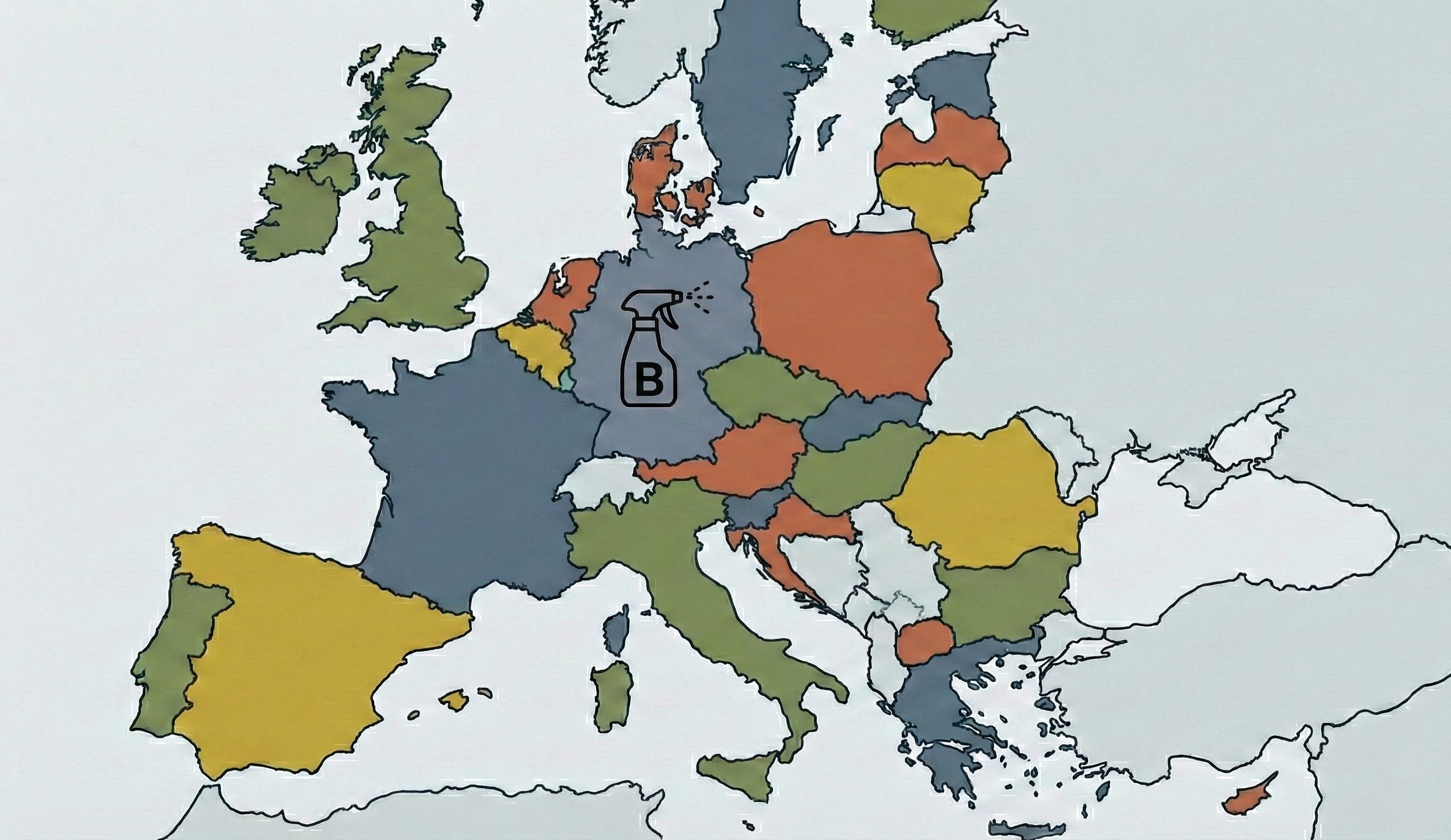
Despite the agreement, a significant bloc of nations, including Germany, withheld support, capitulating, yet again, to the interests of certain large (mostly German) chemical pesticide corporations and pseudo-environmentalist scaremongering. The proposal now moves to the European Parliament for a final vote, where it still faces significant political opposition. Good luck, Europe.
Thank you for your interest and support.

Comments
Nothing yet. Say the first thing.
Sign in to join the conversation.