
Apparently social media is the new cigarettes.
Earlier this month a jury in California ordered Facebook to pay a 20 year old woman over $4 million for causing her depression.
This type of award has been a long time coming. Rising teenage anxiety and depression started a major trend upwards just as social media came on the scene. Sociologist Jonathan Haidt has argued persuasively that social media is the prime culprit. The addictive social apps impact us all - and few see it as a positive change, driving increased isolation and emotional response.
And yes, these companies seek ways to keep us addicted, learning from our preferences and serving more of what we want - or what we can’t stop watching. Add in these are the richest companies (and people) in the world making it happen and the desire to lay blame becomes irresistible.

It’s nice to find an attractive scapegoat for our problems, but, let’s be clear, social media is not cigarettes.
Despite the tempting desire to simply explain our problems, the verdict sets a dangerous precedent. If Facebook is liable for a teenager's depression, who isn't liable? McDonald's for obesity. Netflix for lost sleep. Amazon Prime for credit rating issue. The list writes itself. More troubling than the legal chaos is what this case suggests — that we are no longer agents of our own lives, but only victims of whatever captures our attention next.
Social media is special, you say? The harms are clear and obvious? Not so fast. Any social condition is a complex blend of causes and effects almost impossible to tease out. And the studies on social media use are themselves massively inconclusive. Forget the headlines you read, the actual studies are anything but clear. If you want, check it out: here, here, here, here. The Oxford study, for example, found social media use explained .4% of adolescent unhappiness. A requirement to wear eye glasses during childhood had a much more profound negative impact on a child’s mental health. Regular cigarette use by the way increased cancer rates by 1000-1500%. Now that is clear science.
But, we can see that kids are less happy since the arrival of phones and social media! What else could it be?
Well, it could be LOTS of things - and surely many things are contributing along with social media. How about: increased rates of divorce, fewer children in the family, fewer nearby relatives, chronic helicopter parenting and safetyism, the rise in social guilt tied to race and climate, the decline in religion, the rise in marijuana use, open access to porn, increased obesity and poor food quality, the massive rise SSRI and ADHD prescriptions…I could go on and on.
It also could just be an increase in reporting due to the increase in status of the depressed (in my childhood mental health issues were a badge of shame).
I don’t claim that any of these are THE cause of declining youth happiness - but I surely think they could contribute a little - just as social media has.
Looking at the facts of the case in question demonstrates a lot of possible issues. Yes, the “victim” spent a lot of time on social media. But, her family life included an ugly divorce and claims of verbal and physical abuse. Her sister attempted suicide during her early years. She also experienced bullying at school and complained of body issues. Growing up is tough - and tougher on some. But, it is also complicated and to say social media is the proximate cause of anyone’s depression feels like a massive stretch.
It could just as easily be that the depressed simply spend more time on social media.
Even if we could prove that social media has a material and direct impact on children, what IS social media? Is it Instagram? TikTok? Watching videos on Youtube? What about text messaging? In my experience, Snapchat’s location tracking in its app causes as much anxiety and insecurity as anything. So should we make location tracking a source of liability? Texting? Teasing out these issues is simply impossible.
There is no doubt these technologies are changing our brains.
But, so did the printing press, radio, TV, and the internet. And, don’t forget the “devil’s music” - rock n’ roll which gave rise to its own moral panic. In the 1950s, Time Magazine warned readers of teenagers at concerts “bearing resemblance to Hitler’s mass meetings.” Psychologists quoted in the New York Times called the spread of Rock n’ Roll “a communicable disease.” And, yes, the call for bans were widespread - and many passed.
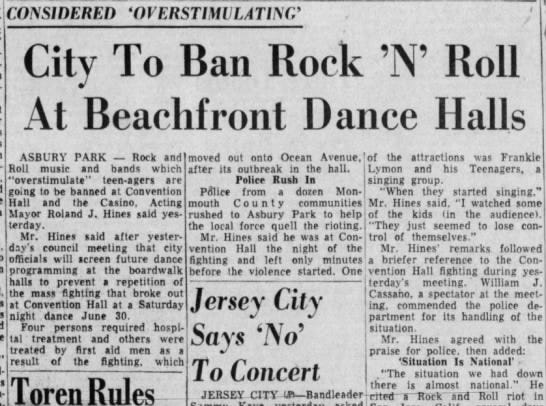
We have always been bad at big change. The printing press spread subversive thought. TV was going to kill family connectivity. Video games were going to make us violent. They all changed us. None of them broke us. The answer to social media isn’t a courtroom, it’s adapting and adjusting to live well with new things. That’s slower and harder than a lawsuit. It’s also the only thing that actually works - and allows progress to continue.
“Maybe everybody thinking about how anxious or hurt they are might not be the best idea”. The Atlantic opens the Overton window to what Abigail Shrier so persuasively argued in the must read Bad Therapy.
Rob Henderson on what makes people happy: work (and love).
More Frankl, less Freud. Psychological tools focused on goals and the future just work better.
Protect the children…from traffic. Homeschooling returns to Pittsburgh due to too many tourists.
Latest study on social media is definitive claims Jonathan Haidt - and the world echoes it. But read it and you see - 3% attribution. For a social science study hardly statistically relevant. And a far cry from cigarettes.
What a boy really needs - a well:
Comments
Nothing yet. Say the first thing.
Sign in to join the conversation.