
The Starbucks barista is one of the most common entry level jobs in America. Several hundred thousand people currently do it. If you get the job, you will make at least $15/hour (plus tips). Starbucks also provides healthcare, dental, 401k matching, family leave, free food and drinks, a Spotify premium subscription, free Lyra therapy sessions and a free online college tuition program. Not bad for a first job!
Of course, try to live in a major American city, buy a home and raise a family on this income. Not possible.
Is this an unfair deal? A reflection of predatory capitalism?
The Starbucks union sure thinks so. Across the country baristas are organizing to increase wages, guarantee large annual increases, secure predictable hours and restrict termination rights.
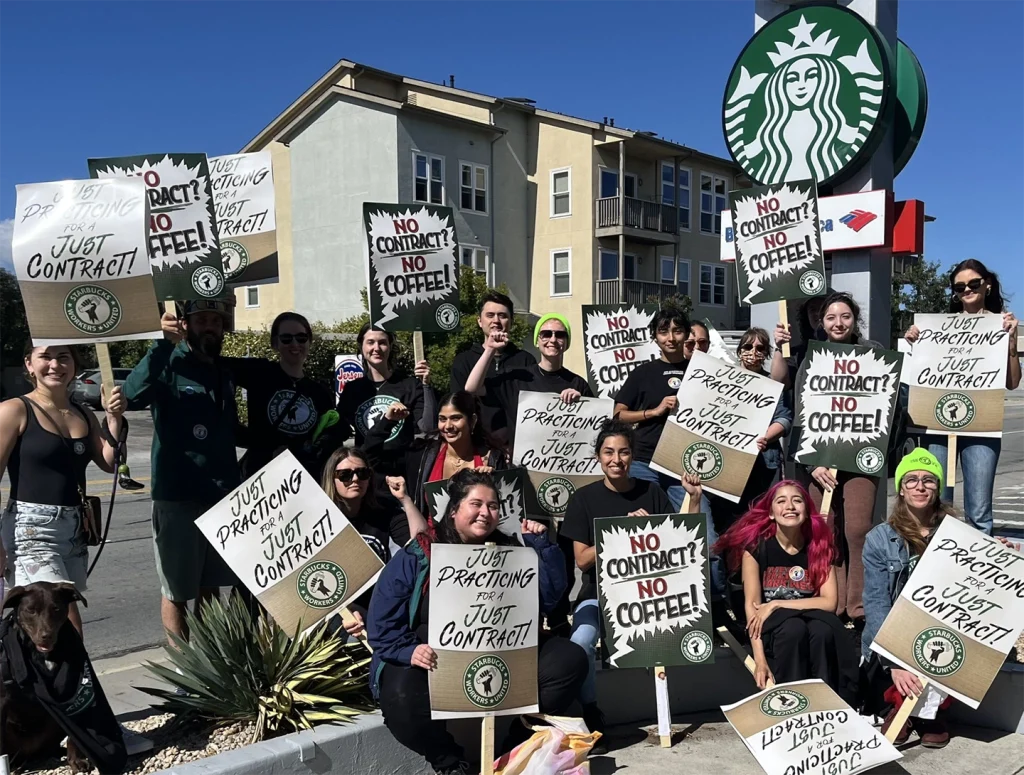
Starbucks recently hired a new CEO and he surely got paid. In 2025 he made over $30 million, not counting private jet service allowing him to commute to Seattle from California. And he will make much more if the stock performs over time. It seems incredible that you could pay one person so much and not spare a bit more for front line employees - the people actually doing the hard work serving customers.
But, there are two big issues with this line of thinking.
First, the basic economics. A Starbucks store is a stand alone business. It makes money or not based on location specific sales and expenses. And, across the country there are many stores not making money or just barely getting by. Any increase in store costs will reduce the viability of more stores. And this is happening. Starbucks closed more than 400 US stores in the last year - and the barista jobs went with them.
Just raise prices you say? Well, that is an option. But, it is unlikely to help. Higher prices will eventually mean lower demand. Customers can find a cheaper shop - or just make that marginal cup of joe at home. So the store often loses any gains it gets. Furthermore, the higher prices are just pure inflation unless the baristas suddenly can serve more drinks per hour. So covering a non productivity based increase will be funded from all the customers - they pay more for the exact same thing.
And this is the dynamic we have lived with over the last 5 years. Starting entry level wages have blown through all time highs, so incomes have gone up, but affordability has gone up right with it (mostly hurting the working poor). This is just economics 101.
Just take the money from the CEO, you say? No one needs (or deserves) $30 million! Regardless of your view on this topic it does not solve the problem. If you took his whole salary and put it in barista pay, it would cover a modest $2/hour increase for the barista population for just over one week. And, back to the original point, if the store on its own loses money, why would they ever keep it open - regardless of CEO pay.
This brings us to the second issue with driving for ever higher entry wages: it creates a terrible expectation in young workers. It might seem reasonable that a front line worker should be able to make a strong living and support a family. But, entry level jobs have simply never done that - and expecting otherwise sets people up to fail.
Entry jobs are an opportunity to build skills and a track record that lead to a career. In the long run, people are paid for the value they deliver. And you have to do more to get more. The real way to get paid more is to get promoted. And there are plenty of opportunities to rise at Starbucks: shift supervisor, assistant store manager, store manager, district manager, regional director, regional vice president and beyond. This is how everyone over time has gotten paid more. Being in the same entry job doing good work forever will limit your real earnings over time - period. Employees need to know that the way to make more is add more value. This, again, is basic economics - not an oppressive feature of capitalism.
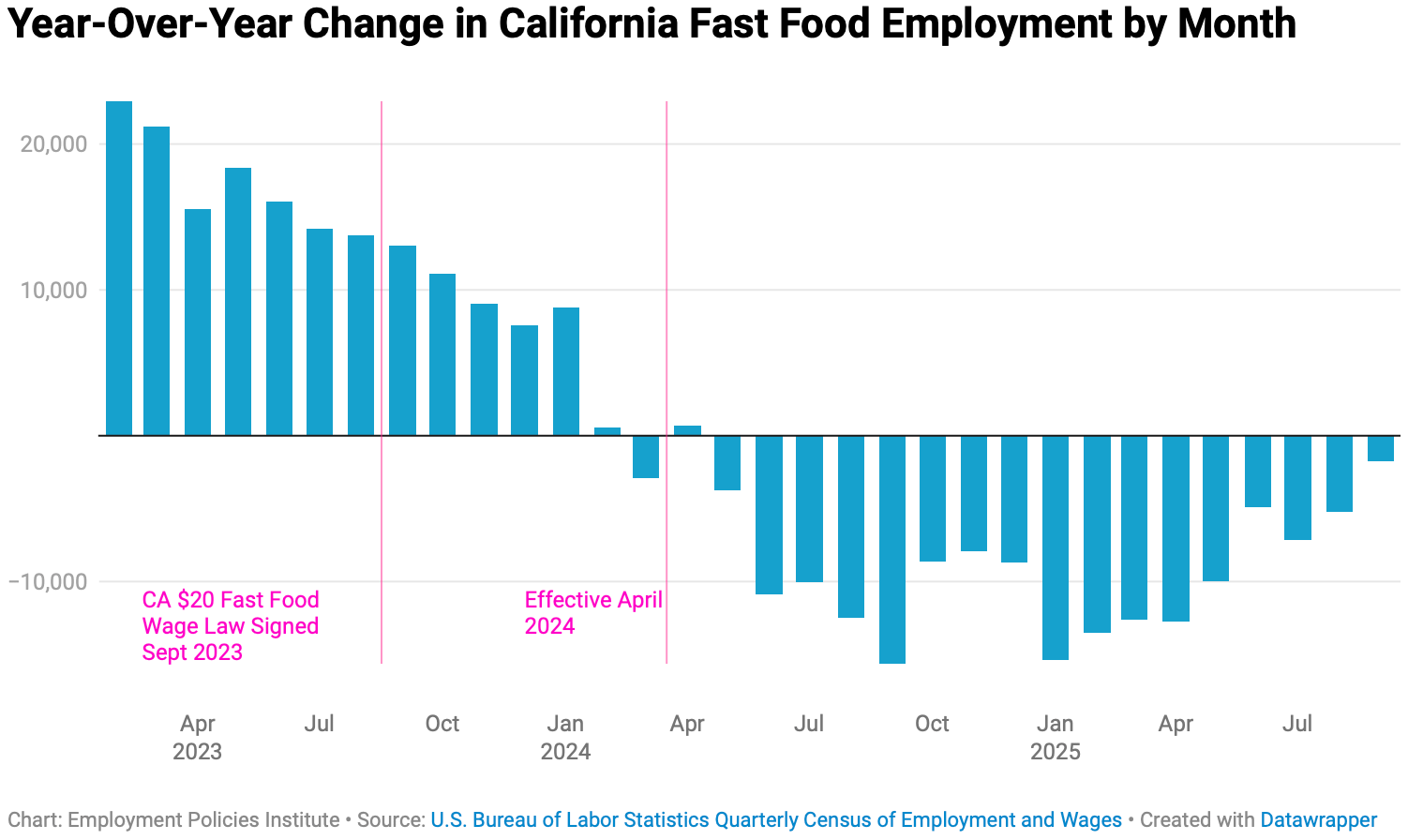
Even worse, the real impact of massively higher entry pay will most likely be job automation or elimination. Low productivity jobs simply can’t pay too much or the pricing passed on to customers will destroy the business. And, this dynamic is exactly what California has experienced with their high fast food worker minimum wage. Yes, those in jobs get a small boost (and inflation), but fewer people are now able to get on the path to a career where they can truly earn more.
The best employers help workers get on the path to a career. They provide training, mentorship and an opportunity to earn more with success. They grow people along with incomes.
The starting wage is a static metric that only applies to new employees - the real question is what happens next? Consider the concept of a Wage Velocity Index. Forget starting wages. How do wages climb over time? Companies could report on year over year wages increases across their employee base. Just as companies report same store sales year over year, they could report on the opportunity growth of their people. The number could only go substantially higher if a company was building people and promoting from within their system.
Consider two companies. One starts wages at $12/hour. Another at $16/hour. But over the next 3 years the workers still in the first company see wages climb to $30, while the second tops out at $20. Where would you rather work? The growth in pay over time tells you much more about the quality of the company - and the prospects for its people. Not to mention those best at employee building will naturally pay higher entry wages to attract ambitious workers ready to grow.
Yet, the focused fight over starting wages continues. If unions, HR departments and the business press focused on wage velocity we could really see which companies grew their people and helped spread prosperity. That could help shatter the Barista fallacy for good.
Guess who is against high minimum wages? The very restaurant workers they are designed to help. 15 minutes very worth your time.
Rob Henderson: A society that removes the need to work risks removing one of the main sources of meaning in life.
PJ O’Rourke’s classic and hilarious budget balancing project (via John Cochrane).
10 quotes from the much missed Christopher Hitchens who would be useful today to irritate both sides.
The real problem with coffee jobs? The regulars:
Comments
Nothing yet. Say the first thing.
Sign in to join the conversation.