
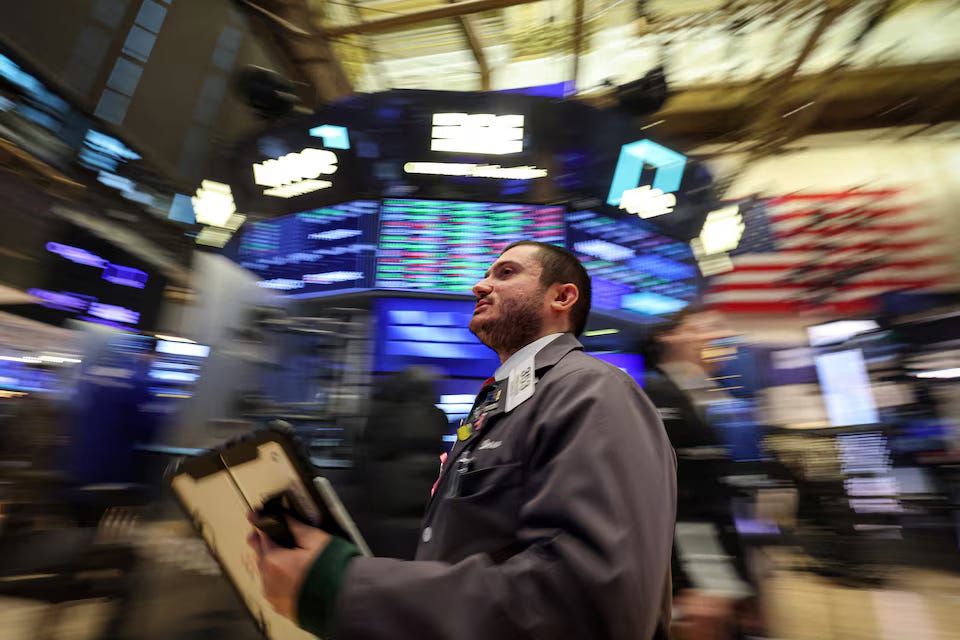
There’s something psychologically powerful about the start of a new year. It creates the illusion of a reset; a clean slate, fresh expectations, renewed optimism. But markets don’t operate on arbitrary concepts. They move in cycles, narratives, liquidity and human behaviour - none of which pause for holidays or New Year’s resolutions.
As we return after a short break, the first weeks of the year have already delivered a familiar reminder; uncertainty is the crux of the markets. There wasn’t a slow pace to the beginning of the year, instead investors were met with an influx of new headlines driven by the same underlying forces - geopolitics, monetary policy, risk appetite and sentiment.
Are these new narratives to pay attention to or just more noise?
Geopolitics Returns to the Forefront
One of the earliest catalysts for market volatility this year came from geopolitics rather than economics. Renewed tensions between the United States and Europe, sparked by trade rhetoric and tariff threats linked to Greenland negotiations, quickly reminded investors how fragile global cooperation can be.
Equity markets responded in a predictable fashion. Risk assets sold off as uncertainty rose, with investors reducing exposure rather than attempting to price every potential outcome. European stocks, in particular, experienced heightened volatility, while U.S. markets also showed signs of stress as global growth concerns resurfaced. In currency markets, the reaction was equally telling. The U.S. dollar weakened as investors rotated toward traditional safe havens, while currencies like the Japanese yen and Swiss franc benefited from risk-off flows.
Risk Assets Under Pressure
Alongside geopolitical tensions, the early part of the year has been marked by a noticeable shift in risk appetite. Crypto markets, in particular, have borne the brunt of this adjustment. Bitcoin’s move lower, slipping below key psychological levels, triggered a wave of liquidations across leveraged positions. As prices fell, confidence weakened, and capital rotated out of speculative assets toward perceived safety.
What made this period especially notable was the divergence between asset classes. While crypto struggled, traditional safe havens such as gold and silver rallied aggressively. That contrast highlighted a broader theme of investors reallocating exposure to assets based on perceived risk.
Equity markets reflected a similar story. Growth-oriented stocks, particularly those sensitive to interest rates and liquidity conditions, faced pressure. Meanwhile, more defensive sectors held up better as investors sought stability over expansion. This environment exposed a crucial truth that often gets lost in bull markets - correlations rise during periods of stress. When confidence is shaken, diversification becomes harder, and capital preservation takes priority.
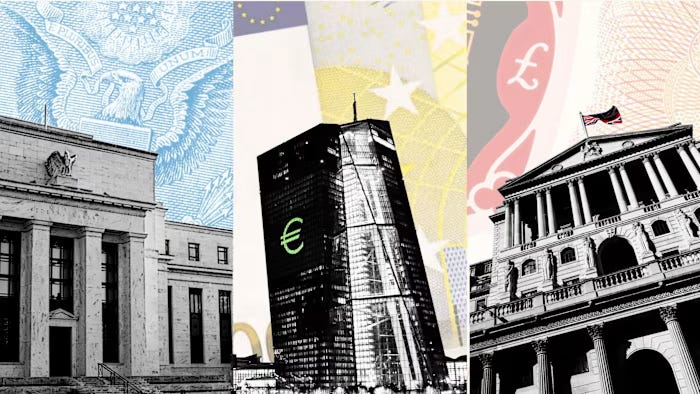
Hovering over all of this is the macro backdrop of interest rates, inflation and central bank policy. While central banks remain cautious, the tone has subtly shifted. The aggressive tightening phase that defined previous years is no longer the dominant narrative. Instead, markets are increasingly focused on when easing may begin rather than if it will happen at all.
Notably, the first rate cut of the year for the US is expected to be in June. Ideally, the Federal Reserve needs to see inflation data maintaining a downward trajectory throughout the months prior to the next cut. If this isn’t the case and inflation remains sticky, they may need to re-visit the expected amount of cuts this year.
Should those cuts remain the same, markets will cheer and likely have a push higher across the second half of the year. Should the cuts decrease, portfolio growth may be stagnant.
This shift has meaningful implications across asset classes. In equity markets, rate expectations continue to influence valuations, particularly in growth and technology sectors where future cash flows are more sensitive to discount rates. In currency markets, changing rate differentials are driving volatility across major pairs as traders adjust positioning.
For crypto, monetary policy remains a critical, if indirect, driver. Digital assets thrive in environments where liquidity is expanding and real yields are falling. While we are not fully there yet, the direction of travel matters more than the destination in the early stages of a cycle shift.
At this stage of the year, markets are slightly reluctant and pricing hesitation - an important aspect to understand when deciding how aggressive you wish to be in deploying capital.
If you’re enjoying the read so far, why not click the like button and share it with a friend? It takes just a few seconds and would be greatly appreciated!

In response to all of this, my approach has been deliberately calm. One of the biggest mistakes market participants make is confusing information with instruction. Every headline feels urgent. Every scenario feels actionable. But reacting to every new development rarely leads to better outcomes - it usually leads to inconsistency.
Markets are designed to test emotional discipline. They reward those who can absorb new information without abandoning their framework. Whether you’re investing long term or trading shorter time frames, your strategy should not be rewritten every time sentiment shifts.
There will always be another risk to focus on. Another narrative competing for attention. Another reason to hesitate or rush. But success in markets comes from alignment between your goals, your strategy and your temperament. Long-term thinking is not passive. It requires patience, conviction and the ability to sit with discomfort while others chase certainty.
With that mindset in place, my focus for the year is clear…
I’m paying close attention to the part of the market that has not yet had its moment - altcoins within the crypto ecosystem. At present, confidence in this segment is low. Many assets remain significantly below prior cycle highs, participation is thin, and sentiment is fragile. For many, that feels like a reason to stay away. For me, it’s precisely what makes the opportunity interesting.
Markets don’t offer outsized returns when confidence is high and narratives are obvious. They offer them when expectations are compressed and participation is limited. From a risk-to-reward perspective, altcoins currently present one of the most asymmetric setups across major asset classes.
This view is supported by the broader macro context. As growth expectations stabilise and monetary policy gradually shifts, liquidity conditions are likely to become more supportive of risk assets over time. When that happens, capital tends to rotates toward areas offering the greatest upside potential.
Crypto has always been driven by cycles of fear and enthusiasm. Right now, fear and doubt dominate large parts of the market. Historically, those environments have preceded some of the strongest moves - not immediately, but decisively.
Remember, it’s not about trying to predict the exact timing of the next run higher but rather about positioning thoughtfully when the balance of risk and reward begins to tilt.
The early weeks of the year have already delivered volatility, uncertainty and shifting narratives. That won’t change. Markets will continue to challenge your conviction and test patience. But the goal isn’t to avoid volatility; it’s to understand it, manage it and use it to your advantage. By staying focused on process rather than headlines, and by recognising where opportunity exists before confidence returns, you give yourself an edge that most participants never develop.
The year may be new, but the principles remain timeless. Stay disciplined. Stay patient. And above all, keep your eyes on the long game.

I hope you’ve learned something new, and if you have any questions or want anything to be clarified, please leave a comment below and make sure to follow us on all social media pages.
Instagram: @lets.speculate / TikTok: @lets.speculate / X: @_LetsSpeculate
No posts
Comments
Nothing yet. Say the first thing.
Sign in to join the conversation.