
“Recovery is different for everyone!”. We hear this a lot in recovery spaces, and well, yes, it is technically true. Of course recovery is different for everyone, duh! We all have different experiences and outcomes. The issue is when this sentence is being hijacked by the eating disorder to mean “recovery is different for everyone, therefore I can recover whilst still engaging in rigid, restrictive, sneaky and disordered behaviours and expecting full results”. (And when that does not work, the person moves on to blame on recovery what’s caused by the ED, concluding recovery just ‘does not work’ for them somehow).
My recovery framework is that there’s four non-negotiable R’s that needs to be addressed for full recovery. These are rest (resting and healing your relationship w/ exercise), restoration (of weight and/or health, e.g restoring bone density loss, healing metabolism and normalising any vitamin deficiencies), re-feeding (increasing intake) and reprogramming (sometimes referred to as ‘rewiring’, involves challenging fear foods- and behaviours; reprogramming any sneaky, disordered habits). I’d argue the first three are pretty non-controversial and usually addressed in treatment (albeit sometimes not adequately), but the last one is often missed. Then again, in recovery coaching I sometimes see all the focus being on the last one, hoping that by doing so, the other three fill fall into place without much targeting. Sometimes it does, sometimes it doesn’t.
When working with clients, I often meet people who have tried to recover a specific way previously, often ignoring key factors in the recovery process, because “can’t I just recover whilst still doing x, y z?” (and “x, y, and z” here being stuff the ED feels more comfortable with). The eating disorder holds onto this “different for everyone” part and twists its meaning into something else. Examples:
• ”Recovery looks different on everyone, plus an eating disorder is not about weight, so why can’t I recover without focusing on weight restoration?”
• “Everyone recovers with a different path - and my path is raw veganism.”
• “Well, that fitfluencer I follow on Instagram went #fromstrongtoskinny and seemingly recovered by weight lifting and fitness competitions, so why can’t I?”
Translation: why can’t I recover whilst skipping one or more of the four key R’s?
Maybe you can, but after almost a decade in recovery spaces, the general consensus is that the above is rather ineffective for full mental- and physical recovery. I have seen people swapping one obsession with food and body with another, and convincing themselves this is recovery, but they can only do this for so long until shit hits the fan. At the end of the day, the antidote to an eating disorder is not to rebrand the eating disorder into something new, potentially more socially acceptable. Instead, let’s throw the whole demon of an illness in the bin (and keep it there).
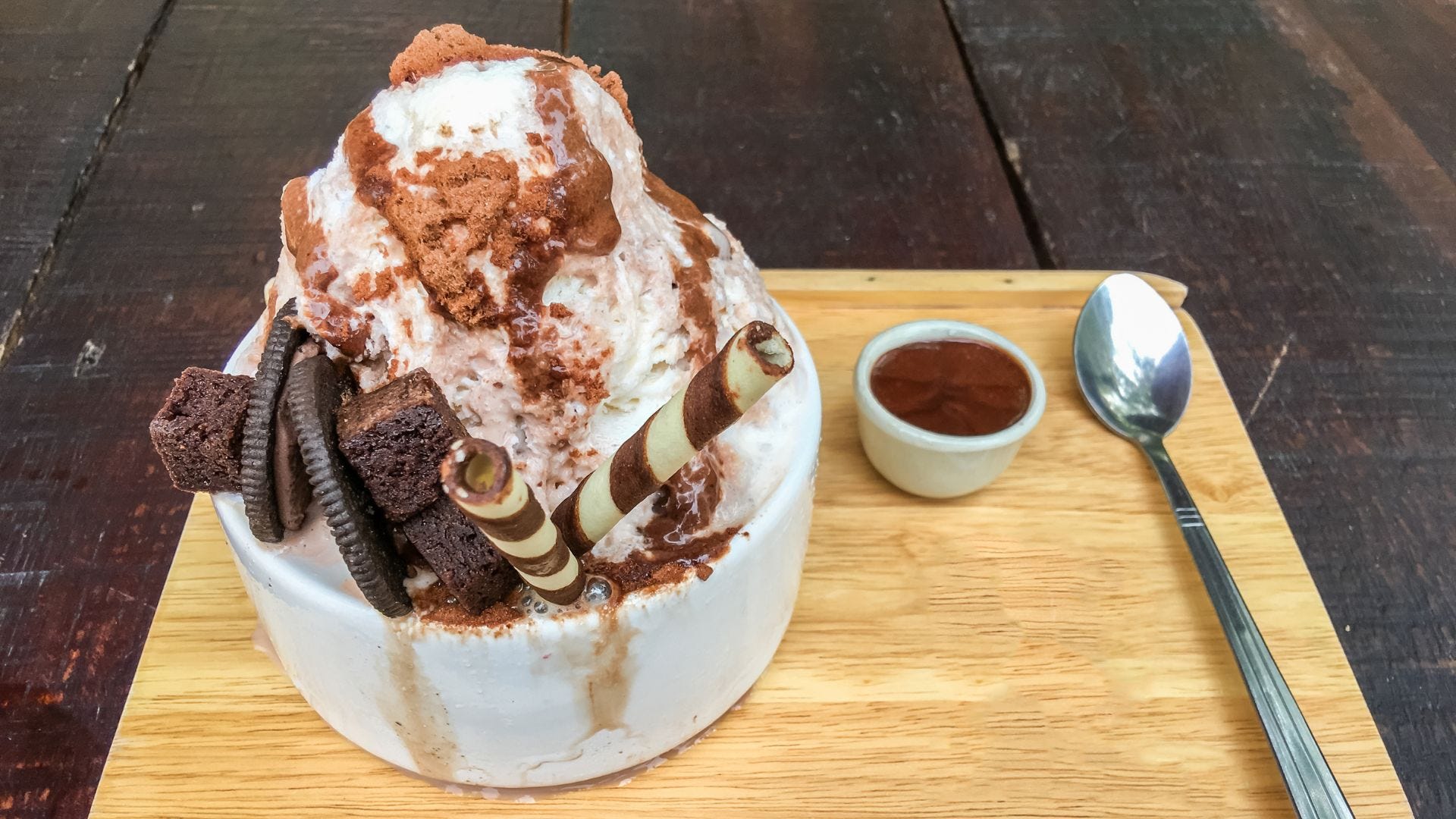
(“Of course I’m fully recovered from this whole eating disorder thing! Oh, you want to grab ice cream tomorrow? Ah, it’s not my cheat day until Saturday, you know. Also, is it vegan/keto/sugar free/organic?")
I also think that sometimes people confuse doing better with being recovered because their bar is so low (sometimes reinforced by treatment professionals who settle for quasi-recovery for their patients). If you started with starving yourself and running for two hours per day, upping your intake in the name of a ‘bulk’ and lifting weights every day might indeed feel better - but is it really full recovery when a gym closure sends you into a spiral, when you spend the majority of your time thinking about food and plan your day thereafter, when you’re still spending your life chasing a certain body type, or when you cancel plans because it is your holy ‘cheat day’? Why not aim higher, recovery-wise?
We often tend to seek out what’s familiar (incl. familiar misery) and try look for solutions where we want to find them rather than where we rationally know they are. In recovery, this is a very poor strategy. Don’t fall for it.
No posts
Comments
Nothing yet. Say the first thing.
Sign in to join the conversation.