
In this week’s Recovery Talk podcast episode I was joined by fellow Let’s Recover eating disorder recovery coach Louisa Sophie for a conversation on compulsive movement. You can listen to the full episode here.
Something that really stuck with me about our conversation was how much joy, peace and convenience healing from compulsive movement can bring. I wanted to highlight this as so often people with eating disorders struggle with the ‘why’s’ when it comes to this particular facet of recovery: “Why should I let go of this part of myself? Why is this even a problem?”
Here’s the truth: doing something because your eating disorder tells you to, is always a problem. You cannot expect full recovery from an eating disorder whilst still… engaging in eating disorder behaviours.
Heck, it does not really matter what the eating disorder is asking you to do, as long as it is the one asking. For example, my eating disorder was very hung up on me following a few seemingly harmless, but compulsive rules in regards to eating: I had to have a certain lamp turned on in my room, and eat with a certain spoon, from a certain bowl. Is eating oatmeal with the exact same teaspoon every day physically dangerous? No. Is it conductive to mental recovery, freedom and flexibility? Absolutely not. Imagine being ‘recovered’ but panicking because you cannot find your special spoon, or bringing your own utensils or safe foods to a sleepover*. That is not full recovery.
When it comes to recovery from compulsive movement, a similar sentiment applies. Sure, there is the physical aspect of it: over-exercise and not giving yourself a goddamn break is physically harmful, no matter how much your eating disorder denies it. But solely focusing on that can reinforce a faulty ED logic that suggests that once you’re physically ‘healthy’, movement can’t be a problem anymore, or that the whole ‘rest’ part of recovery and the 4’s only applies to people who are underweight or acutely undernourished. Overall, it paints movement as this thing you have to do if you can do it. This does not set anyone up for a healthy, relaxed and joyful relationship with movement. It can also reinforce the idea that if a kind of movement is not excessive or overly intense, it is immediately ‘fine’. Sure, that 10 minute compulsive walk you did this morning might not acutely kill you, but as discussed in my article “What about walking?”, it can still be harmful. To quote:
Too often, I see people being “allowed” a daily walk of let’s say maximum 30 minutes, and their ED interpreting this as “you need to walk 30 minutes every day, no matter what” - any kind of interference with this walk causes mental mayhem. For example, you’re on your way out, and surprise, family visit on the door! Normally you’d enjoy family coming over, but it interferes with your walk so now you’re low-key resentful. Perhaps you even do the walk after they leave (hoping they’ll get their butts out ASAP), despite it being late and cold, and you being tired. This is not a normal or healthy relationship with walking.
Recovery is about restoring mental and physical health, sometimes through behaviours which in the moment may feel counter-productive to what society tells us ‘health’ is. What is healthy for one person, can be unhealthy to another. This is why it is so important not to compare, and to instead keep your eyes on your own plate, literally and metaphorically. (I discuss and work on this more extensively with clients in my upcoming group coaching programme, where we have a full week dedicated to identifying and recovering from disordered movement, more about that here).
Now back to the why’s.
Recovery from compulsive movement is worth it because spending your life in a weird, abusive ‘Stockholm Syndrome’ relationship with your eating disorder is a waste of the one life you’ve been given. It drains your time, energy, and your relationships with other people. It prevents you from showing up fully as your true, authentic self, which means a chronic feeling of shallowness; of not living and acting in alignment with your true values. You may not know who this ‘true, authentic you’ is yet, but part of figuring out who you are is figuring out who you are not, and let’s face it: this is not you.
Recovery from compulsive movement is worth it because always having the ‘itch’ to move is exhausting, and prevents you from doing shit that really matters. Always having to plan around gym opening hours; declining activities because they’re not active enough; rushing your guests out the door so you can go for a compulsive walk in the rain… This is not something to settle for. You can and should aim higher.
Recovery from compulsive movement is worth is because it allows you to reclaim activities you really enjoy. Perhaps you always loved tennis, but the eating disorder came in and took over, and now it’s not fun anymore. Perhaps you always loved to paint, but the eating disorder deemed it ‘too sedentary’. Healing your relationship with movement means figuring out which is your interests and preferences, and which is the ED’s. You don’t want your dog walks to be about you dragging your exhausted seniors around, rather than sitting down, being present and allowing them to sniff and play. You don’t want to spend your family ski trip looking at your Apple Watch as opposed to the sunset, or your parents’ happy faces. Life is a collection of moments, big and small - how do you want these to be remembered? Don’t let your eating disorder stain and sour the good things in life.
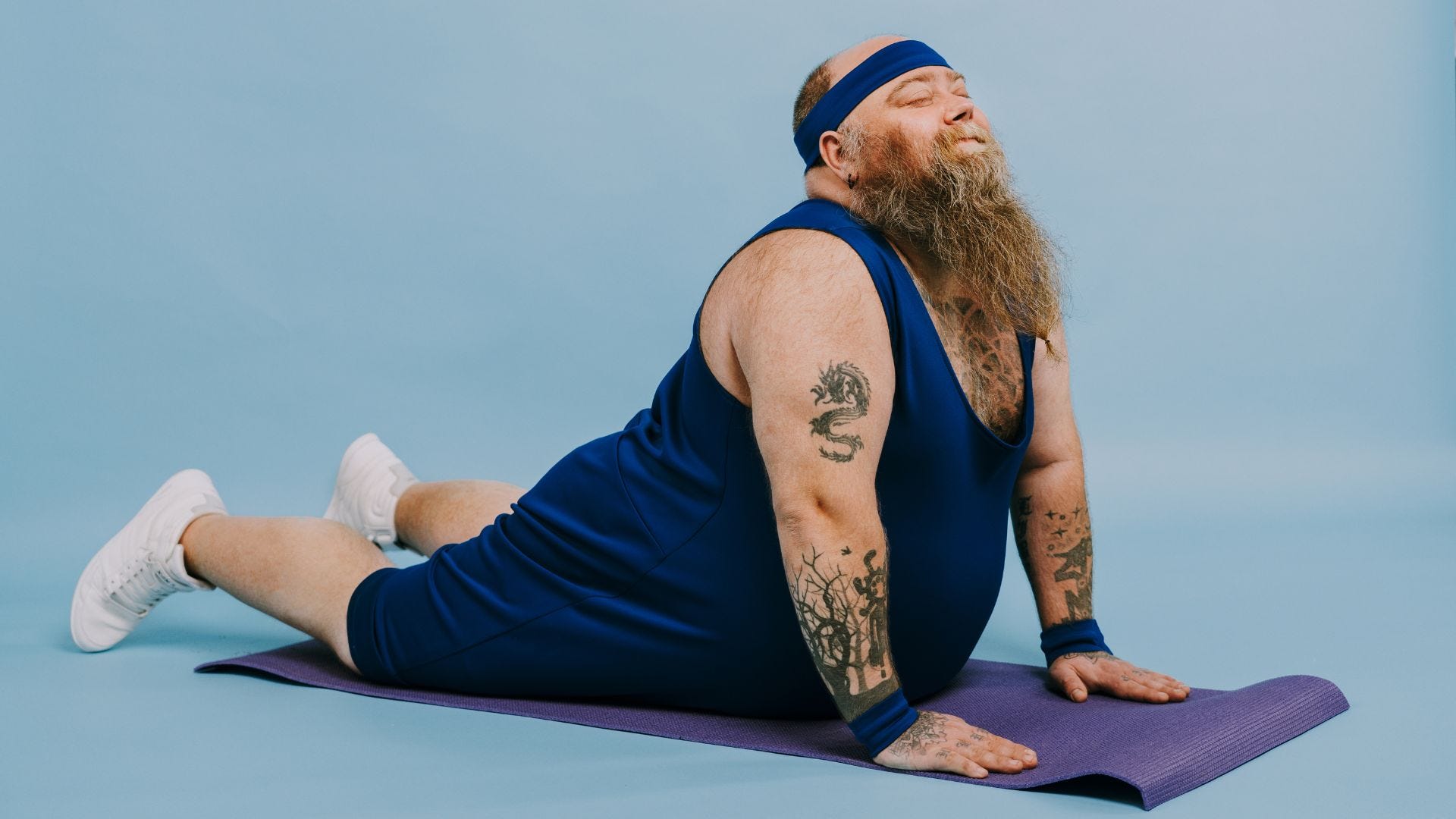
(Movement is so much better when you’re actually enjoying it, without the ED tagging along.)
I want to emphasise a bit on the last point reg. family and relationships. One of the many wise things Louisa brought up in our podcast episode was on how recovering from compulsive movement helped improve how she shows up in her relationship with her own family. She mentioned how she could finally have a holiday season without constant worry about squeezing in a workout, and how being flexible with exercise has been essential as the mother of a baby. This is all a logistical relief as well as an emotional one.
The truth about an eating disorder and compulsive movement is that it does not automatically go away just because you have a child or find an awesome partner. Sure, for some people having an external, meaningful goal can help motivate them towards recovery, but you still have to put in the work. An eating disorder can also prevent these things from happening, or harm them if they do happen. So many relationships, whether between partners, friends or family members, have been strained from eating disorders.
You often don’t know what you’ve lost until you get it back, and this is very much the case when it comes to recovery from disordered movement. ‘Having to’ engage in movement compulsions may have become so normal to you that you don’t even realise just how draining, time-consuming and toxic it really is. Being able to move without these compulsions might seem like an impossible feat, like you’re doomed to have your eating disorder join you for every walk you’ll ever go on. Narratives about eating disorders ‘always being there’, and recovery therefore not being possible, helps reinforce this idea: “if I’ll always feel like this, why bother trying?”
Truth is, you can heal your relationship with movement. You are not doomed to feel this way forever, but it will require work on your end, and an acceptance of a range of emotions coming up: guilt, shame, doubt you’re even doing the right thing… you name it! It will require a lot of ‘opposite actions’, a lot of trial and error, and a lot of rest. It is hard work, but the payoff is greater than the struggle ever will be.
One of my most hated quotes is ‘nobody regrets a workout’, because as someone who works with people with eating disorders, I see this regret every day. I also see people who’ve gone through recovery from compulsive movement (and skipped a lot of workouts), and what they all have in common is an immense gratefulness that they chose to work on this aspect of their recoveries. A life spent with an eating disorder is a life with regret.
“I am so glad I’ve spent my life engaging in compulsive movement”, said no one, ever.
*I acknowledge some (but not all!) autistic individuals might show similar behaviours to this without having an eating disorder. If you are an autistic person with an eating disorder, it can be helpful to work with a professional informed about autism and eating disorders to explore ‘which is which’.
No posts
Comments
Nothing yet. Say the first thing.
Sign in to join the conversation.