
👋 Hey, Leo here. Antifragile Intelligence is where I explore how leaders think, decide, and build in uncertain environments shaped by technology and change.
Each edition is a reflection, a principle, or a field note from the work itself.
Hey Friends,
Welcome to the 169th edition of Antifragile Intelligence.
Someone asked me last week on LinkedIn how I actually use AI in my day-to-day life and I realized I have never written about this so here it goes. I’m sure this will change in the future.
I do most, if not all, of my AI work inside my Obsidian Second Brain, but I will try to divide it into areas or applicability.
By the way, for my Romanian readers, I hold a workshop on Wednesday about creating your own AI Second Brain with Claude Cowork. Register here, still have a few spots left.
I have all my objectives in my Obsidian Second Brain, which is connected, through Claude Code, to my personal email, calendar, and to-do list. As I also write there daily what I am doing and how I feel and so on, it’s easy for the AI to track my progress.
I have annual goals which cascade to quarterly and weekly ones.
At the end of each week, I trigger a /weekly-review skill that goes through my daily notes, my tasks, and my objectives and gives me a clear view of my progress and where I am stuck. This way, nothing slips through the cracks.
I have a workflow that takes all my health data from Apple Health, puts it every week in my Second Brain, and Claude analyzes that to see if there are any anomalies or things I should take care of, for example, maybe my heart rate was too high, or I slept less on average.
When I go to the doctor’s office, aside from the blood tests, I have also weeks of data regarding my HRV, my respiratory rate, blood oxygen, and so on. It helps to detect patterns.
Based on my goals, my past performance, my plan for the week, and my individual preferences, I let Claude create my weekly workout plan.
Then, each day, based on my recovery, it changes that plan to better accommodate my state.
As part of my Second Brain routine, I put in Obsidian all the articles I am reading, all the videos I am watching, all the courses I am taking, and so on. Claude then makes connections between them and my daily writing, and identifies areas of interest (content creation, new courses, a new hobby, whatever surfaces more often in my notes).
Most of the courses and the presentations I create nowadays are drafted initially by Claude based on what I have in my second brain, plus research on what’s hot. It automatically links to Canva via MCP, and in less than an hour I can have a 50-slide presentation done, in my brand colors, fonts, and so on. Of course, I still need to refine it, but it’s hours and hours I’m saving with this process.
I have several automations set in place, like Claude delivering a morning brief with all my important tasks, events, and emails for each day. I also have an automation that saves the conclusion of each discussion I have with Claude and saves this into the Daily Note as a reference.
Other useful automations involve keeping track of my expenses and paying the bills automatically.
I am not particularly interested in creating a SAAS products, but I like to play around and build some simple web apps that can make life easier for me or for people who ask me. These are not complex apps, but still complex enough to have cost 30-50K if I had asked a developer to make them for me a couple of years ago.
Most of the content I create, be it LinkedIn posts or this newsletter, comes from a brainstorming session I have with Claude. I never have to start fresh from a blank page, not knowing what to write about.
Each week starts with 5-10 ideas and drafted posts. I pick the ones that are most suitable. I go back and forth until I have a good enough version, and then it goes automatically, via MCP, to my LinkedIn drafts in AuthoredUP. I go through the draft one more time, and it gets scheduled.
I have a skill in Claude that I trigger every time before having a meeting with someone for the first time. It goes through their LinkedIn profile, their mentions in the news, and so on, and gives me a brief before the meeting.
This way, I come prepared beforehand and people are pleasantly surprised I “did my homework”.
I no longer have the time to go through tens of reviews and find the best price for something. Claude knows me, what I prefer, and analyzes all the offers on the market for everything I need to buy, from sunglasses to smart lamps and electric cars.
It gives me comparisons, tells me which store ships to Romania, and many other pieces of information I would spend hours getting by myself.
And that’s it, or at least that’s most of it, what comes to my mind at a quick glance.
All in all, I would say most of my tasks right now start in the terminal, or 80% of them at least.
I’m curious, what do you use AI for these days?
Everyone has an AI Second Brain these days (if you don’t, let’s build one together), but it seems it’s not that easy to maintain it, just like our actual brains. Cole Medin explains how you can do it:
xAI’s Grok Bot is one of the things that have the potential to change the AI space. I think we have another “Openclaw moment” with this release. Too bad it’s too expensive right now, as it sits at 200 USD/month, but I’m sure this will change soon.
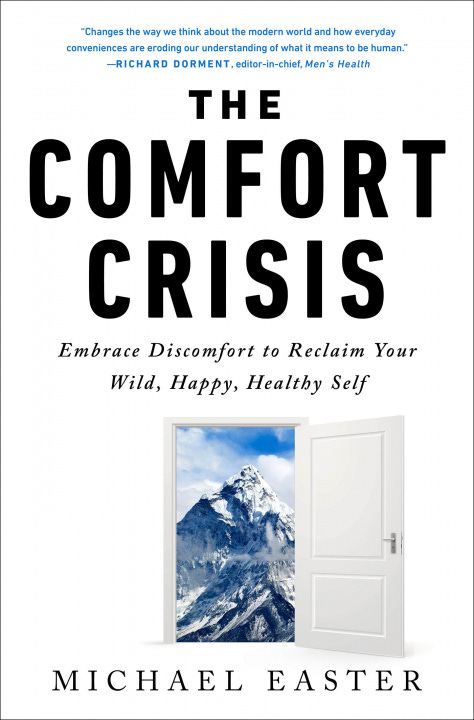
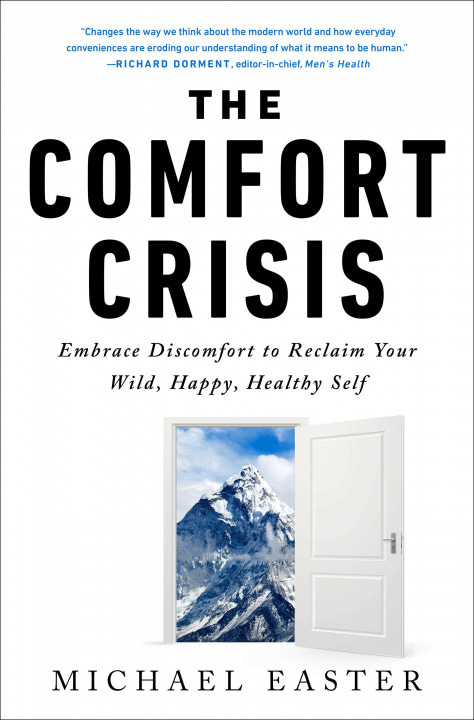
I listened to “The Comfort Crisis,” and it resonated. I think we all live too comfortable lives, and this is not always beneficial. As a fan of antifragility, I believe we should put ourselves in stressful situations, mentally and physically, to evolve.
Thank you for reading.
If this resonated, forward it to someone who might benefit from it.
Stay antifragile.
Leo
If you enjoyed this piece and want to support my writing, please consider sharing it and becoming a paid subscriber.
Comments
Nothing yet. Say the first thing.
Sign in to join the conversation.