
If you read my previous two newsletters, you’ll know I’ve been thinking about what the textiles in our family hold - carriers of both practical survival and resistance. I see this in our burnoos, a woolen cloak that became a symbol of the Algerian resistance, and a blanket my great-grandmother made that my family used during their forced displacement onto a French-run internment camp.
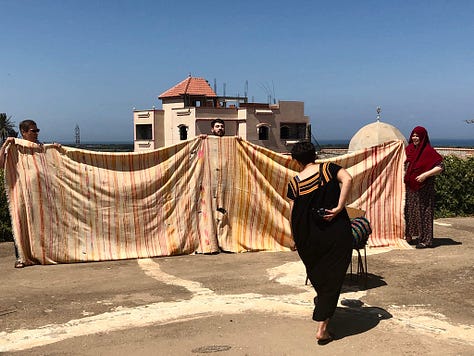
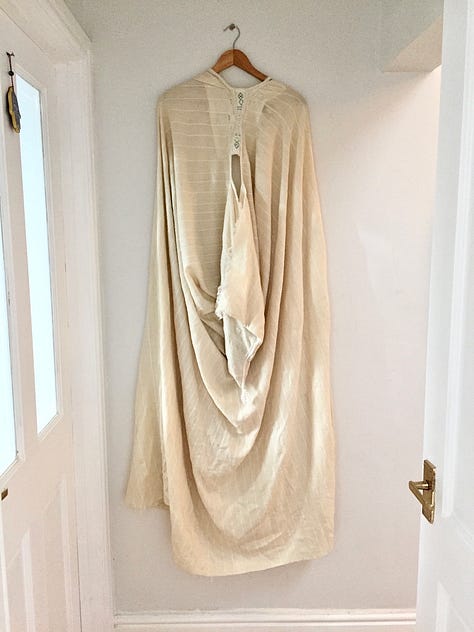

Despite the French’s systematic campaign to destroy the Algerian identity and people during their 132 year colonial occupation, Algerians resisted until freedom was won in 1962. I find myself turning back to our family archives to think about how to keep this legacy alive. I’m drawn to the stories of women - in my family and beyond - who were part of the resistance movement.
I see this in the armed struggle - from Lalla Fatma N’Soumer’s rebellion against the French in the 1800s to Lalla Zaynab’s defence of her sufi Zawiya until her death. I see it in the fida’iyat - female members of the armed resistance during the Algerian Revolution - like Djamila Bouhired, Zohra Drif, and Samia Lakhdari - who dressed in European clothes to smuggle bombs under their clothes.

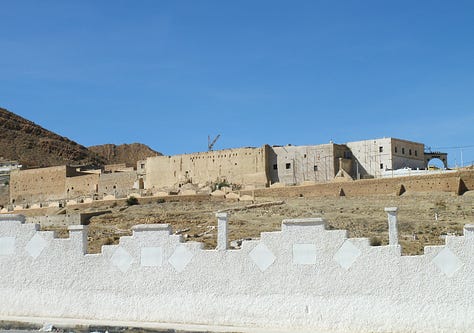

I also see it in the insistence on protecting our memories, languages, collective faith and the integrity of our own souls. In my research I came across what Rahal calls ‘Internal Hijra’ - a form of non-cooperation by Algerian women through an emotional and psychological withdrawal to the inner domain. This remained beyond the occupiers’ reach, allowing us to protect our practices that held meaning long before the French arrived.
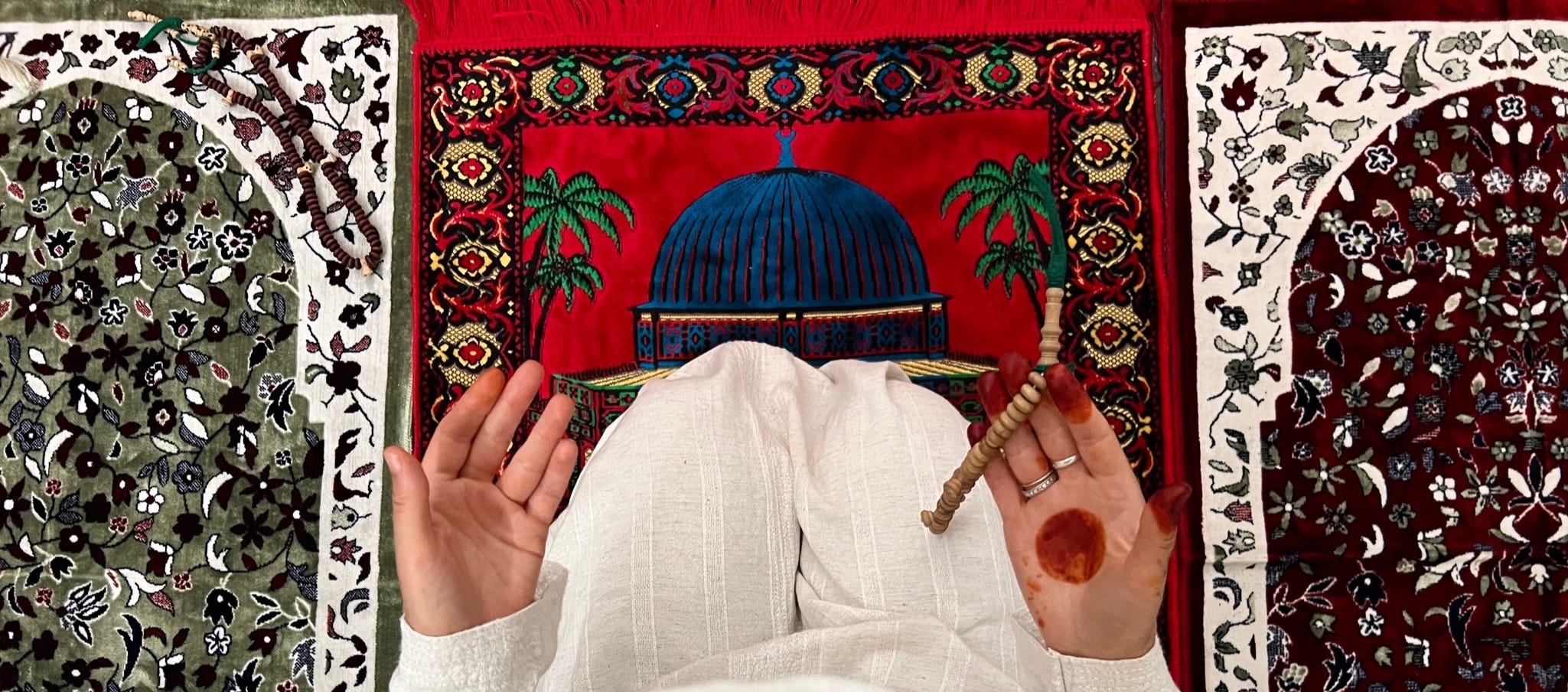
I see this in the stories of my family and the many women who lived under 24-hour surveillance in internment camps during the Algerian Revolution, designed to break up local solidarities between them and outside resistance efforts. My great-grandmother - and so many women - drew on their collective skills and wisdom, becoming community nurses and teachers, sharing childcare and worshipping collectively.

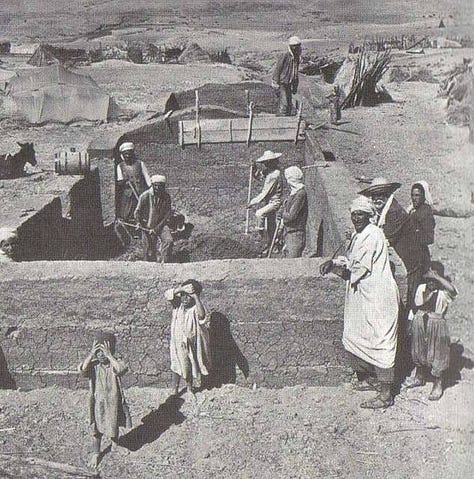
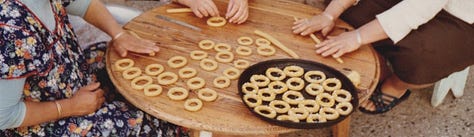
Long after our languages and stories were banned from schools, women ensured that these were carried onto the next generation. Long after colonial authorities condemned traditional herbal care as ‘superstitious’, women continued to prepare remedies and pass on knowledge that the French tried to criminalise. Long after a ban on communal fires and cooking, women continued to prepare our traditional recipes and share them between one another. Long after restrictions on religious gatherings, women continued to bow their heads to the Most High instead of the oppressors who housed them in these prisons.
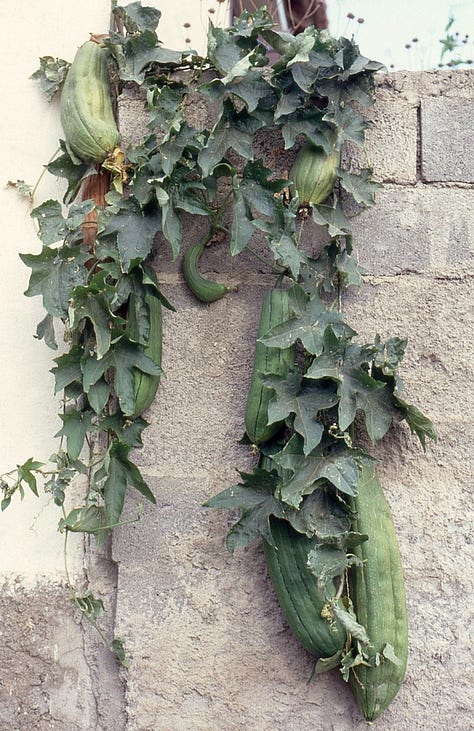


And despite attempts to sever all contact with the outside resistance efforts, freedom fighters snuck onto the camps at night, receiving messages and food from our family and others. My dad recalls a false wall built into their earth hut where weapons were stored. He was lowered into the gap by his mum, handed sweets and sworn to secrecy. If discovered, my whole family would have been killed.
These acts of defiance within the camps reveal that the battleground was military, cultural, domestic, and embodied. Beyond the camps, women asserted themselves in public spaces through acts of withdrawal, refusing to conform to the colonial gaze.
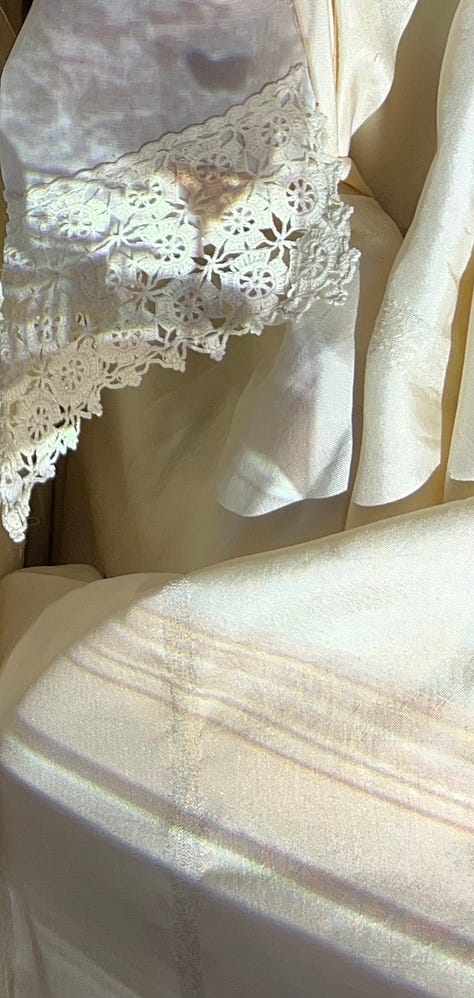
Europeans fixated on exoticising and controlling Algerian women through paintings and photographs, yet women used their entire bodies to resist this. In response to a series of forced unveilings in 1958, the haik - a culturally significant rectangular piece of cloth wrapped around the body, worn with a triangle of lace partly concealing the face - rose in popularity and became a symbol of resistance for women much like the burnoos for men.
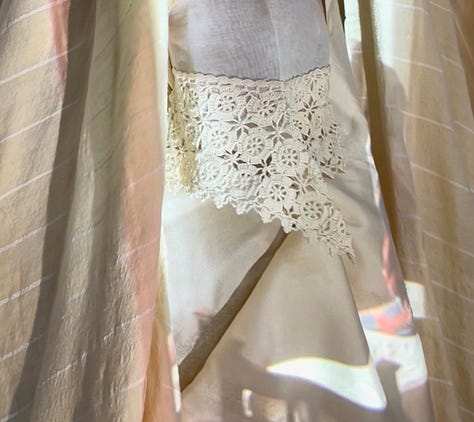

Attempts were made to suppress this female lifeforce as part of the occupational endeavour, knowing the threat women presented to it. This was well understood by the French, as we see in Fanon’s description of the colonial dogma in Algeria:
“If we want to destroy the structure of Algerian society, its capacity for resistance, we must first of all conquer the women; we must go and find them behind the veil where they hide themselves”
Colonial authorities understood that Algerian women were not passive subjects but central to the spirit the occupation sought to extinguish.
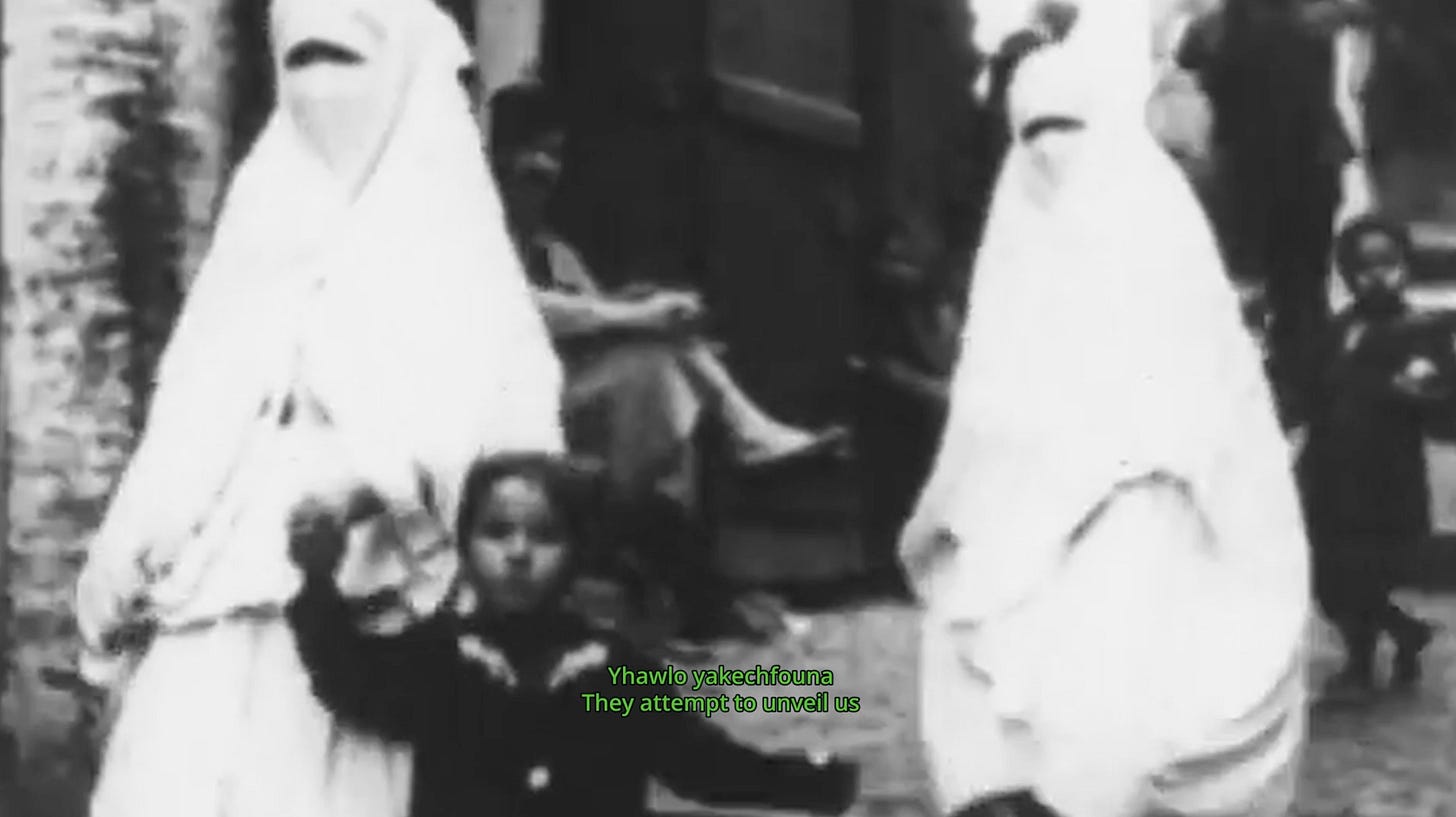
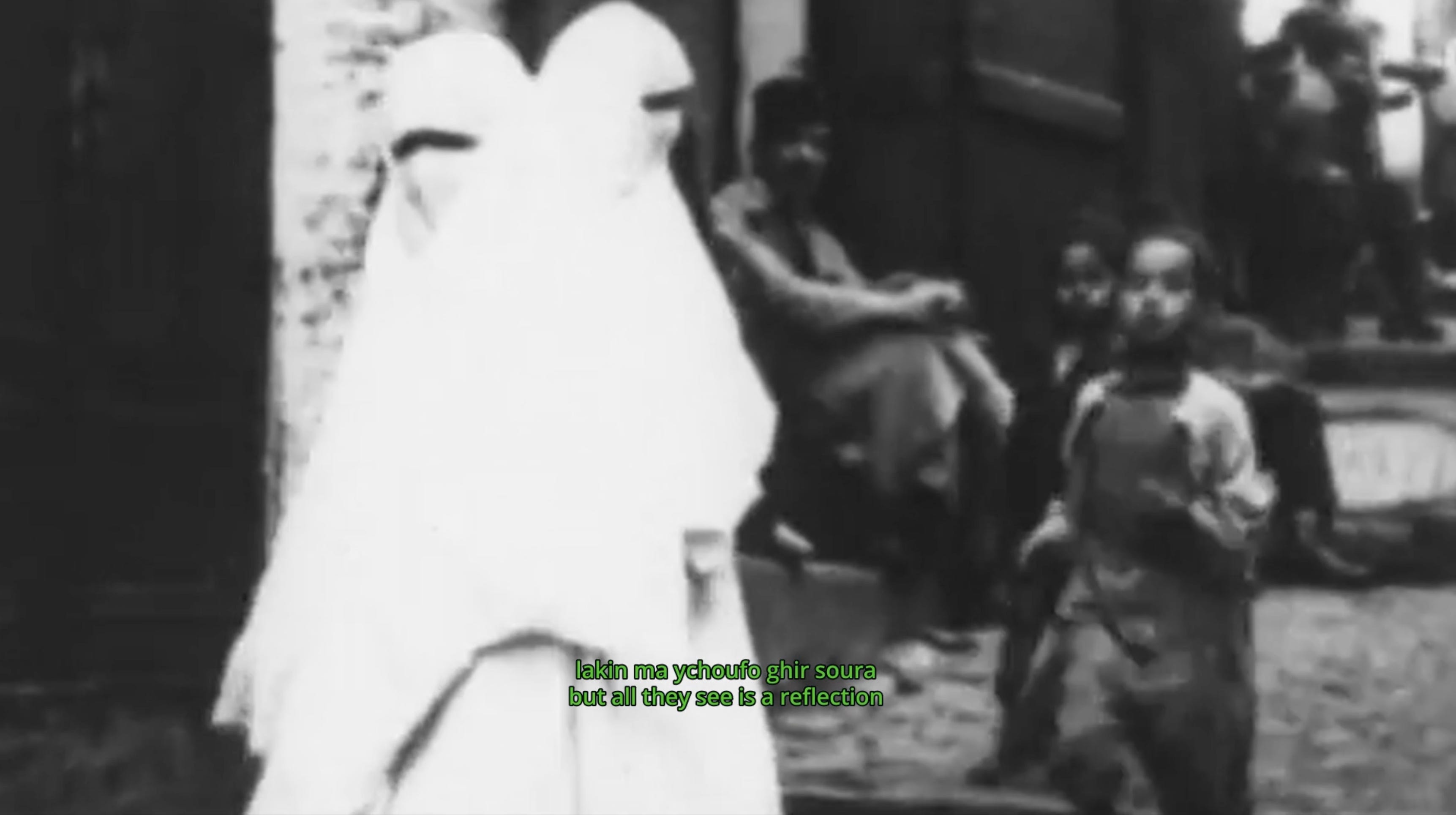
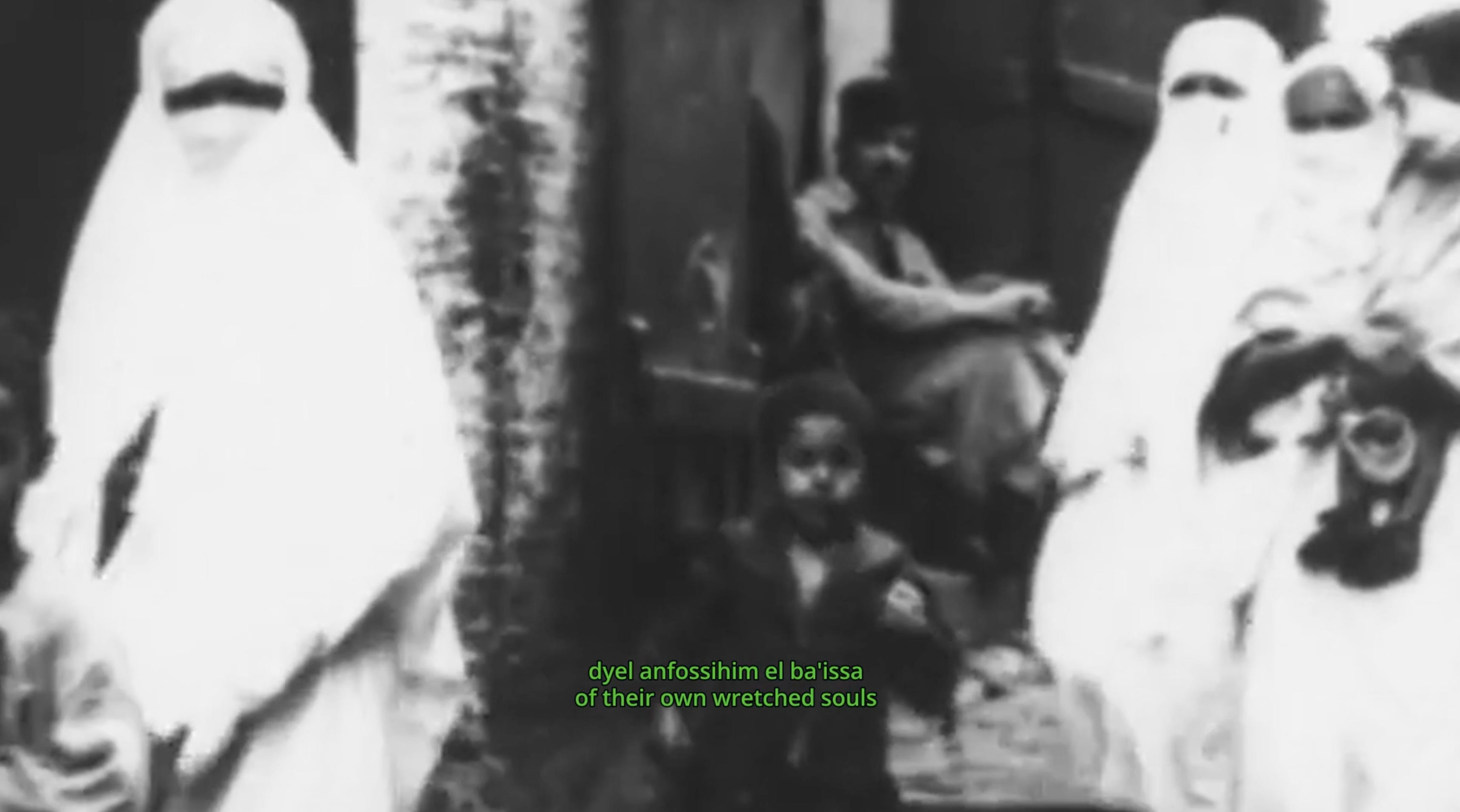
In tracing these stories, I see how resistance can be carried through our entire bodies. Internal Hijra was both a withdrawal and an assertion of autonomy, offering blueprints for our collective liberation. I also see an insistence on sustaining the belief that freedom was possible - even within the confines prisons, it was found internally. It is through these acts, repeated and renewed across generations, that the work of liberation continues.
We follow the fragments that remain
we haven’t forgotten
our footsteps take us there
our tongues take us there
our hearts take us there
we dream an archive
My film Nahalmo B Archeev | Dreaming an Archive will be showing at Lhara Algerian Film Festival at Not Nowhere in London on 13th December.
Comments
Nothing yet. Say the first thing.
Sign in to join the conversation.