

There is a Little Free Library on every other block within a mile radius of my home, so naturally, I’ve become acquainted with the ones that populate the corners of my walking routes. These libraries, though not far from each other, attract such different books and ephemera that they’ve taken on their own characteristics, and each tells its own story based on the items it contains.
The characteristics of three in particular represent some of the most successful forms of storytelling out there.1 Let me show you what I mean.
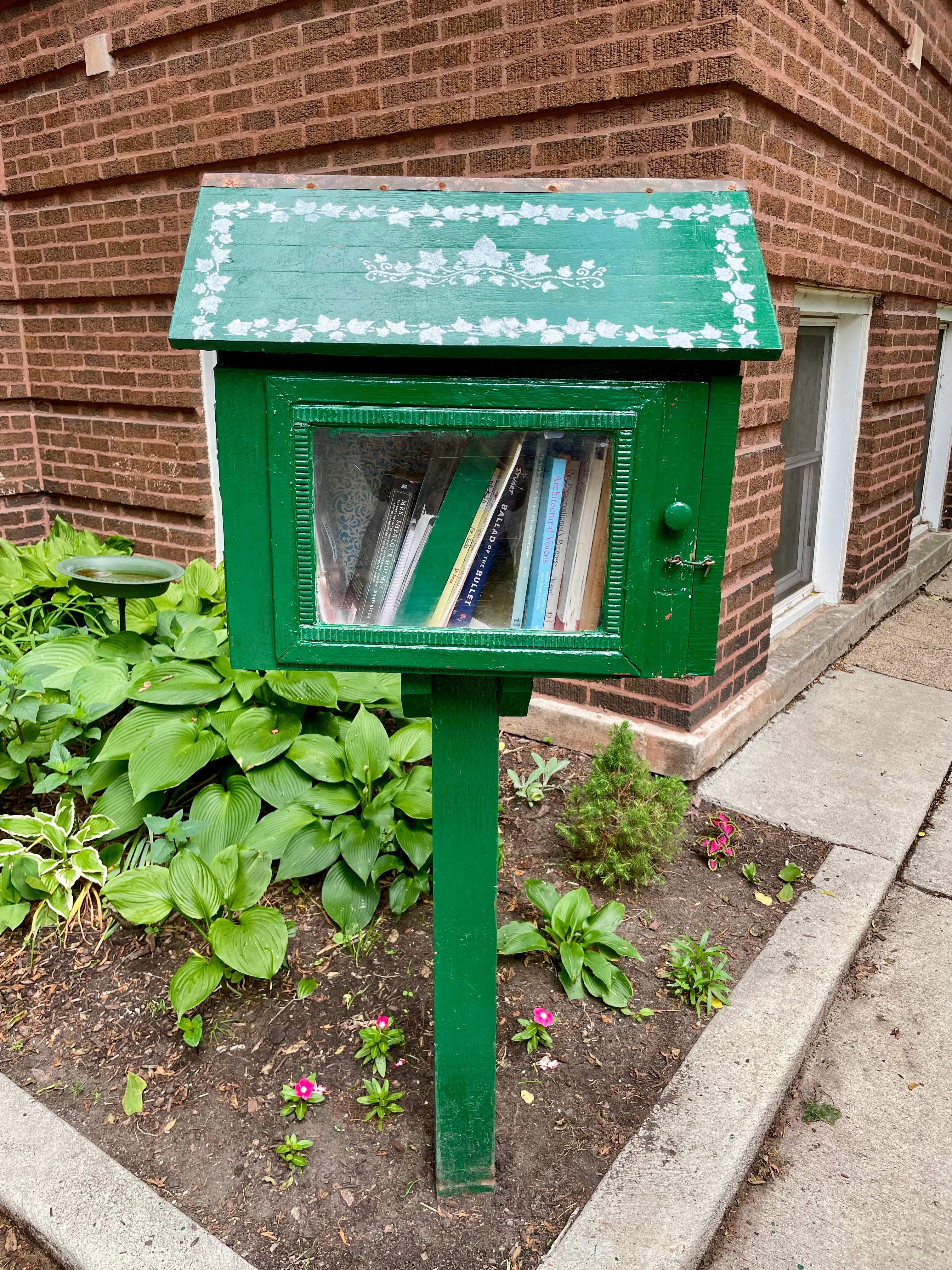
This booth always has a bit of everything: one day, esteemed novels, such as Toni Morrison’s Beloved, and the next, nothing but children’s books and old magazines. Believe it or not, this is also where I found my favorite salmon-colored dessert dishes. By all accounts, this little library embodies the story that subverts expectations. It’s varied, contemplative, enriching, and full of surprises. Just when you think you’ve arrived at some conclusion, you’re surprised at how many more angles there are to think about a plotline or character arc or piece of dialogue.
This is the hardest story to tell. Authors who get this right express a real curiosity. They inspect aspects of the world that we all accept as commonplace, and they flip them around show us the other side. These books are not always pretty—examples that come to mind are Hurricane Season by Fernanda Melchor, Frankenstein by Mary Shelley, and Infinite Jest by David Foster Wallace—but you can tell they’ve been written using pure craft and unbridled creativity. In terms of visual storytelling, I would throw season two of The Rehearsal on this list. The story that unfolds in that series was so thought-provoking and unexpected, I still think about it years later.
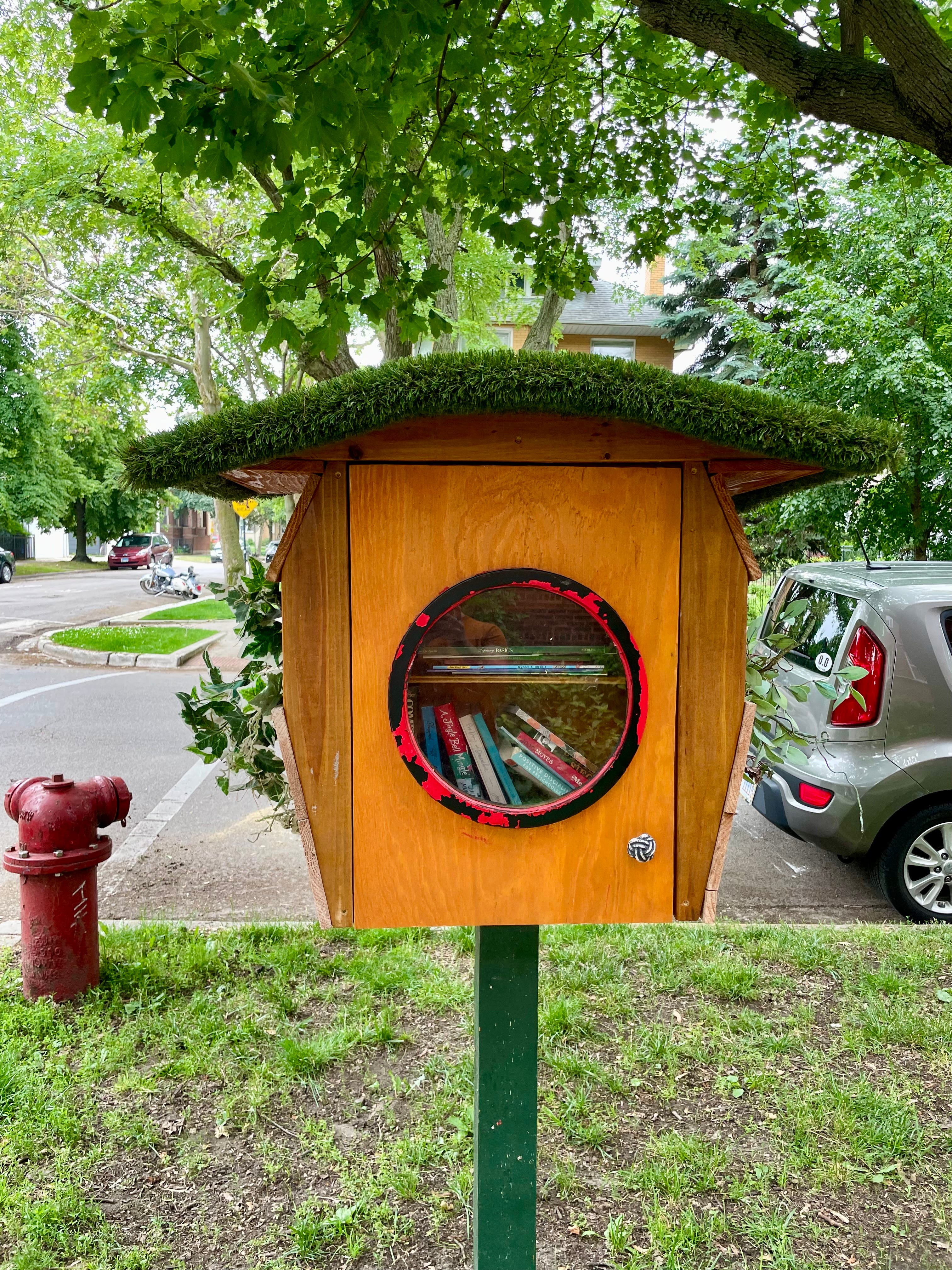
The effort that went into decorating this little library is extraordinary. It is, without a doubt, the cutest thing on the block, and it’s hard to beat in terms of style. This embodies the tight and tidy tale. It gets in, tells a complete and straightforward story, and gets out. That isn’t a bad thing; these are some of the most iconic books out there. I’m thinking stories such as Jane Eyre by Charlotte Brönte and The Picture of Dorian Gray by Oscar Wilde.
The thing with this little library is that its face value is so good, it almost doesn’t matter what’s on the inside. And let’s be real—the stories in the books I just listed are compelling and at times gripping, but they give you everything up front. They’re instant crowd pleasers, which is sometimes all you want as a reader.
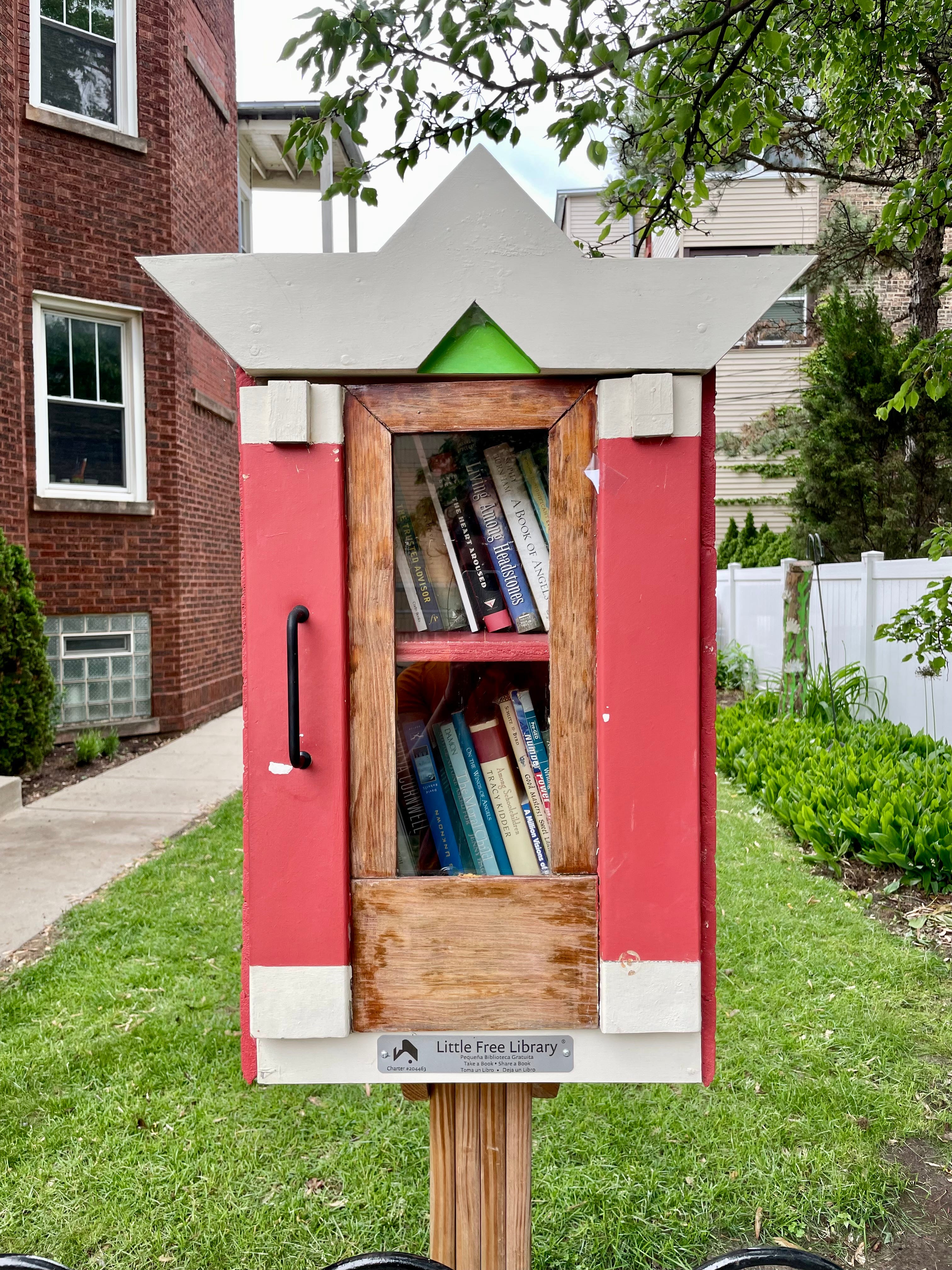
This little library feels like it was made by a professional DIYer. A natural. Whoever built this executed a vision that lends the library enough character to be enticing but not overly whimsical. The window shows enough that passersby recognize that the contents may have potential, but knowing exactly what’s inside requires a closer look. It’s discerning and stately but rewarding.
This library represents stories with perceptive depth. These authors offer wisdom that feels incredibly tangible. Such stories give you a point of view that expands your thinking on the first read then continually offers more perspective on every read after that. They’re poignant and sharp and timeless. On my shelf, these books include Moby Dick by Herman Melville, Anne Truitt’s Daybook, and The Bell Jar by Sylvia Plath. And, if we’re counting TV, I’d throw Girls into this bunch. Wisdom can be witty, too.
When it comes to storytelling, no one of these styles is necessarily better than the other. It’s all in the execution. The person telling the story told it correctly. The throughline in the success of any story is that the dedication, clarity, and creativity it took to tell it is evident in the finished product. When you encounter a strong story, the examples of vapid or inane stories become even more apparent. That’s true for any medium.
These little libraries are visual representations of ingenuity, community, and curiosity. The experience of visiting them is as relevant as the items you retrieve from them. Next time you encounter one, think about its character. What message is it telling? Which are you most attracted to visiting and why? These answers may tell you more about your story preferences than you think.
Of course, I’m spotlighting the best of storytelling here. There is a lot to say about the Little Free Library where I found nothing but Salman Rushdie’s Satanic Verses and a pink plastic cup with a penny inside it. It had a doorframe but no window to protect the book (and the cup) from the elements, and someone had scribbled “This library has moldy books” on the front of the shelf. This booth might represent the aspirational story that falls flat. Or it could be the story with only a few promising lines, half-baked and sitting in a Google doc without a plotline or passionate writer to continue it.
No posts
Comments
Nothing yet. Say the first thing.
Sign in to join the conversation.