
Abstract
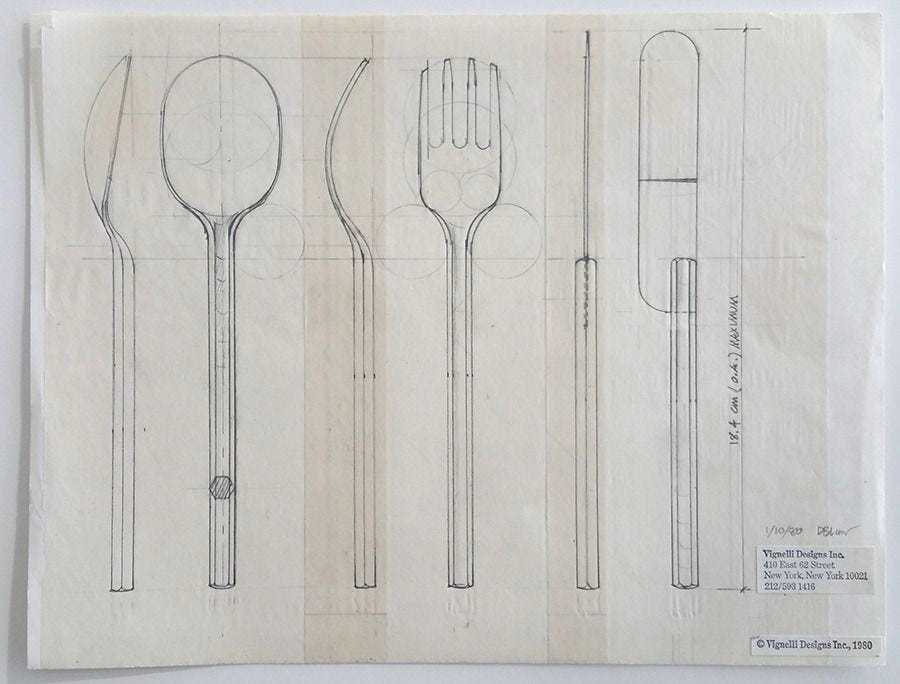
Few designers have exerted as profound an influence on modern visual culture as Massimo Vignelli (1931–2014). Working across graphic design, corporate identity, publishing, architecture, furniture, exhibition design, and transportation systems, Vignelli approached design as an intellectual discipline rather than a stylistic pursuit. His work championed clarity, permanence, and structural logic, rejecting decorative trends in favor of universal principles rooted in Modernism. From the iconic New York City Subway Map to corporate identities for American Airlines, Knoll, Bloomingdale’s, and the National Park Service, his designs continue to shape how information is organized and experienced. This essay examines Vignelli’s philosophy, his interdisciplinary practice, and his enduring legacy within twentieth-century design.
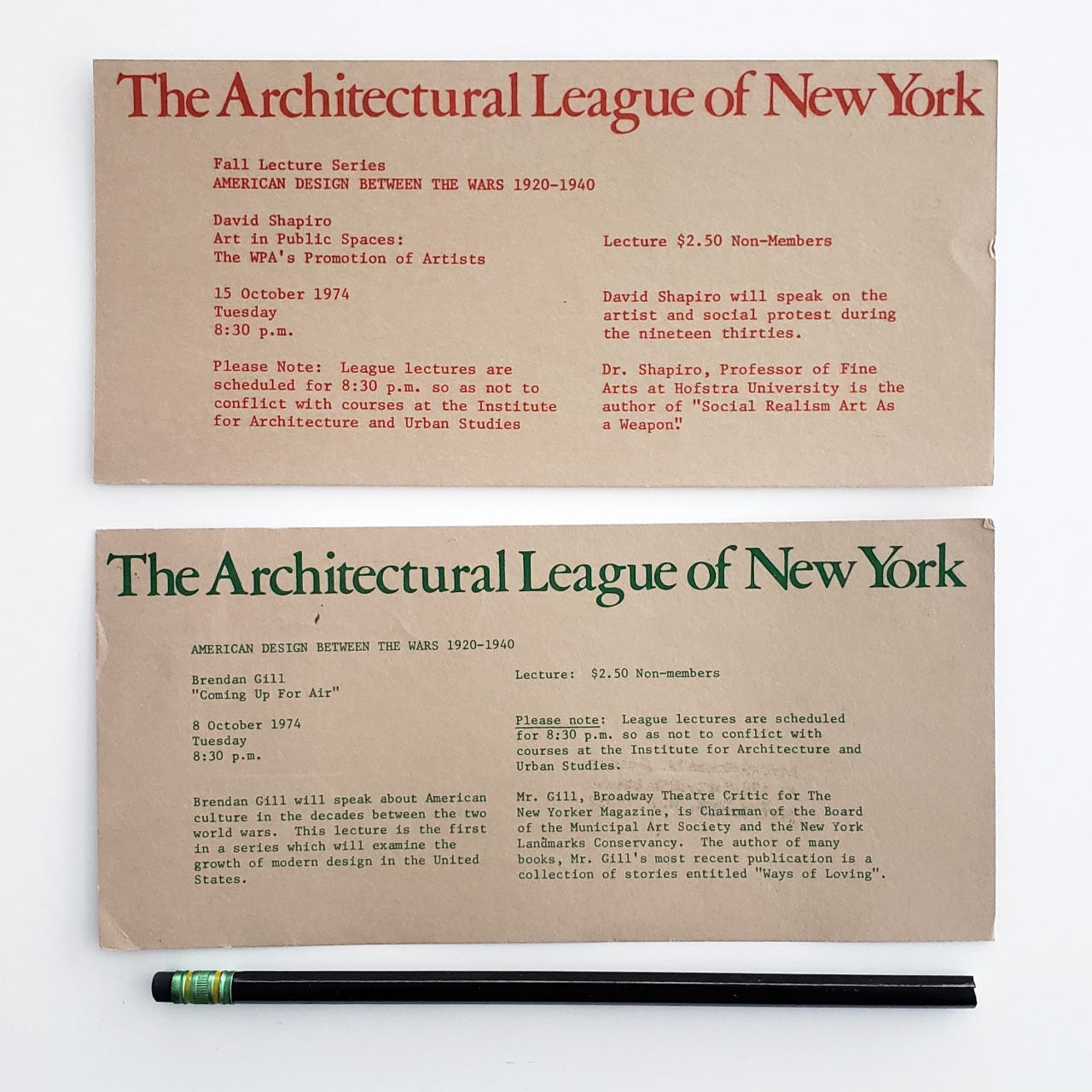
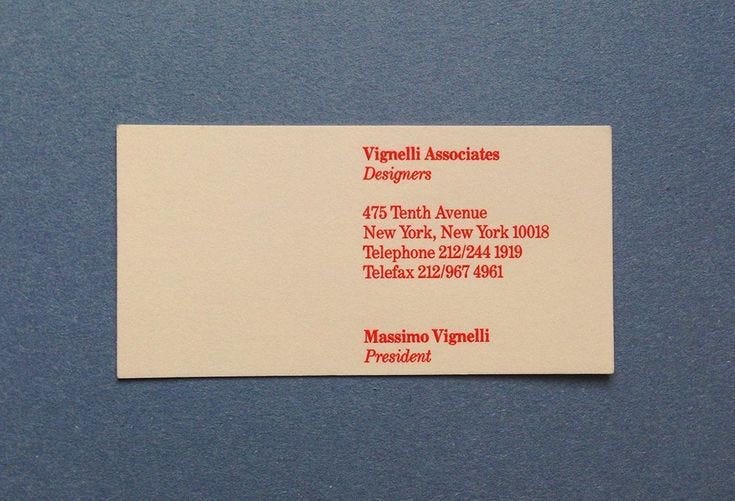
Massimo Vignelli occupies a singular position in twentieth-century design history, not only as one of its most influential graphic designers but as one of its strongest advocates for Modernist principles. Through his work in graphic design, identity systems, publishing, and environmental design, he created visual languages that continue to shape the everyday experiences of millions. While often associated with the International Typographic Style and Swiss Modernism, Vignelli's work transcended stylistic labels.
His practice was guided by a belief that design should not pursue novelty, but should solve problems through clarity, discipline, and timeless form. Through his work, teaching, and writing, he helped preserve and advance the fundamental principles of Modernism, demonstrating their continued relevance in contemporary design.
Comments
Nothing yet. Say the first thing.
Sign in to join the conversation.