
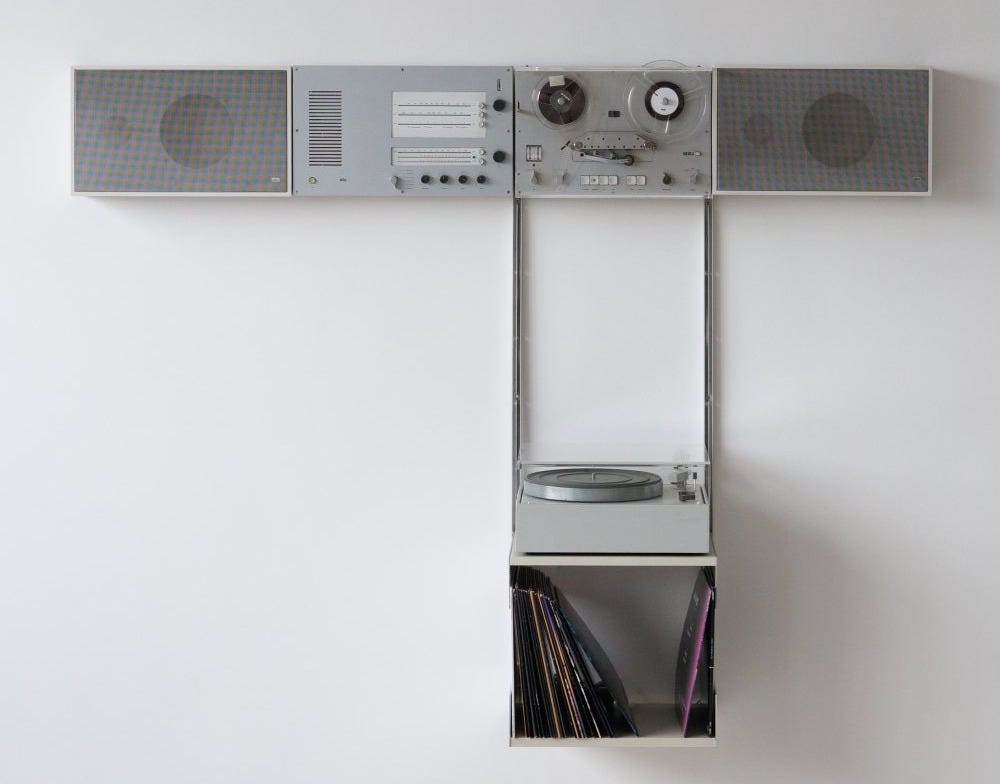
“LESS, BUT BETTER”
Industrial design in the twentieth century was shaped by a handful of individuals whose work fundamentally altered the relationship between consumer products and everyday life. Among these figures, Dieter Rams occupies a singular position. His influence extends well beyond the products he designed for Braun, reaching into contemporary technology, furniture, architecture, and sustainable design philosophy. Rams’ work represents a convergence of German modernism, postwar industrial production, and an ethical commitment to clarity and restraint. His designs continue to serve as benchmarks for functional excellence, while his famous “Ten Principles for Good Design” remain among the most widely cited philosophies in industrial design.
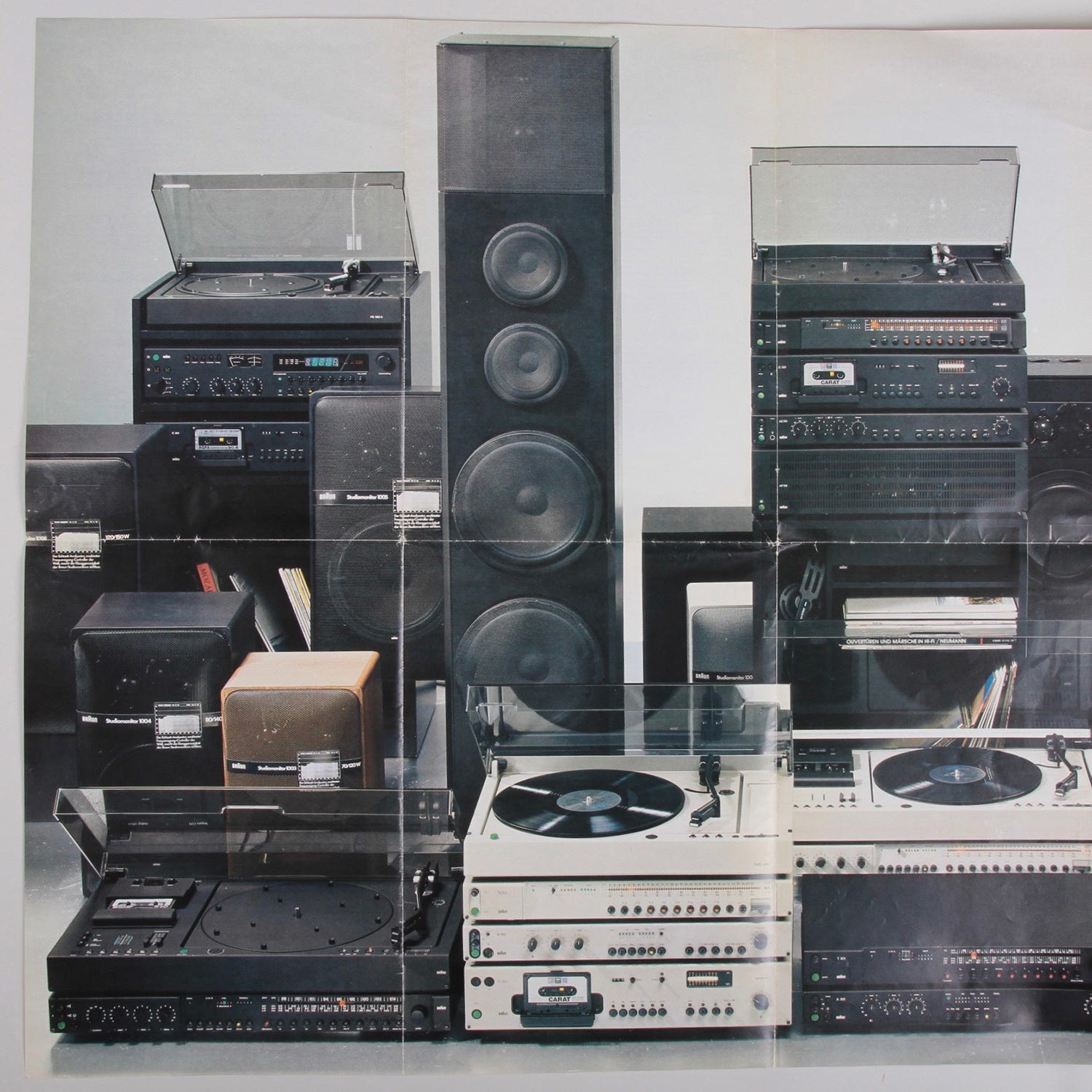
Rather than pursuing novelty for its own sake, Rams argued that successful products should quietly serve their users through intuitive operation, visual order, and enduring quality. This philosophy emerged during his decades-long career at Braun, where he transformed a household electronics manufacturer into one of the world’s most influential design organizations. Through radios, record players, calculators, shelving systems, and household appliances, Rams established a visual language that continues to shape industrial design over sixty years later.
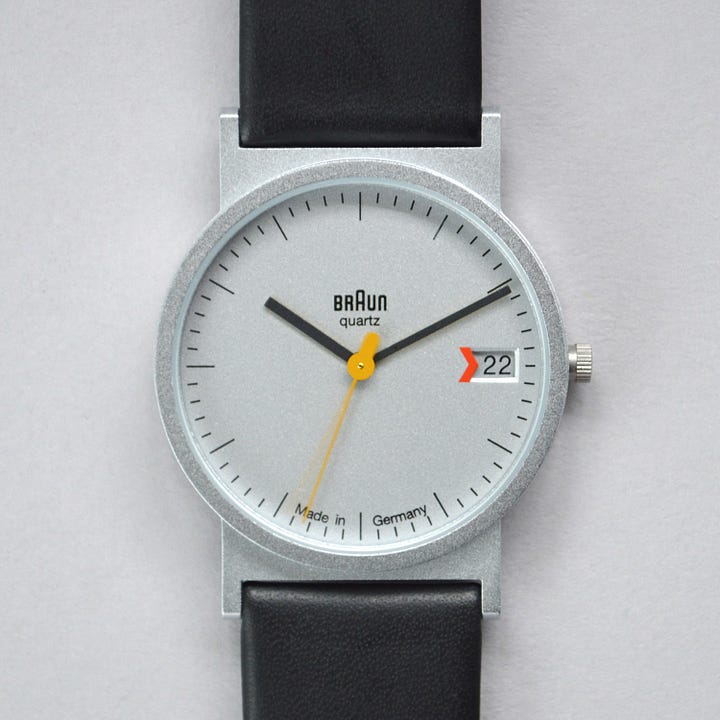
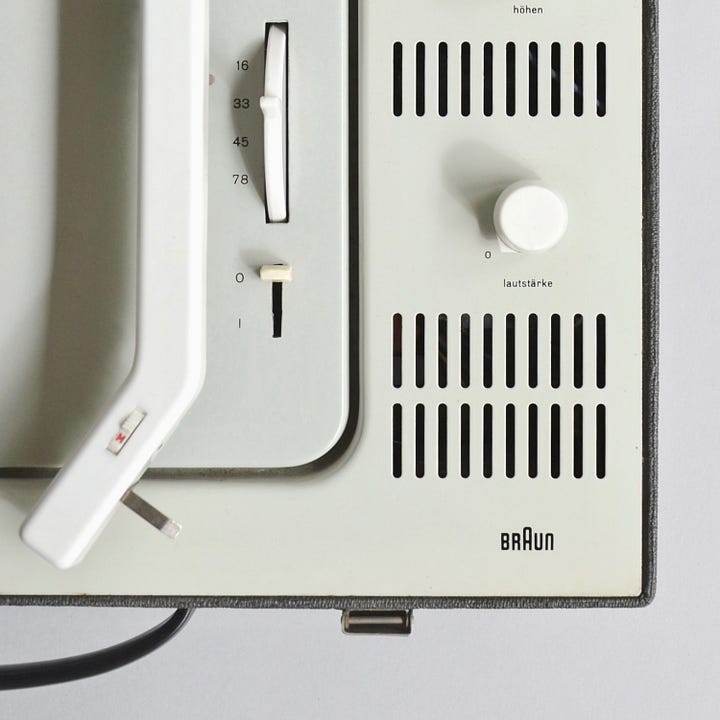
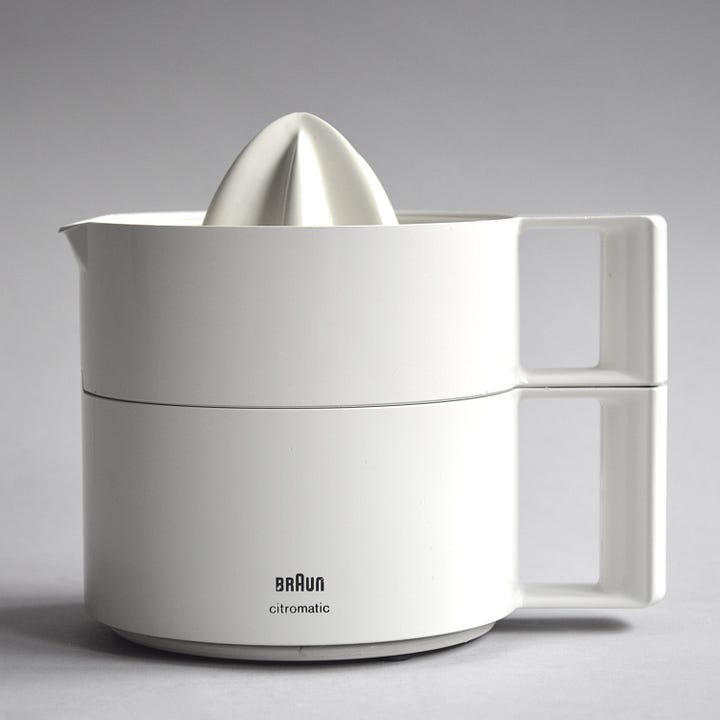
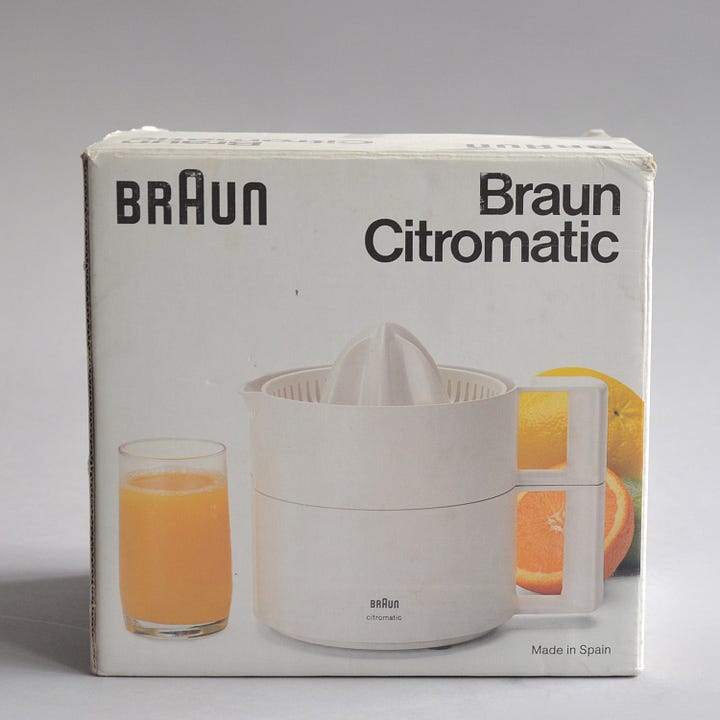
Born in Wiesbaden, Germany, in 1932, Dieter Rams initially trained as an architect before joining Braun in 1955.¹ Germany during the postwar period experienced rapid industrial reconstruction, creating opportunities for manufacturers seeking to redefine their products through innovation rather than ornamentation. Braun became one of the foremost examples of this transformation.
The company had already begun moving away from traditional decorative consumer products under the influence of the Hochschule für Gestaltung Ulm (Ulm School of Design), which itself drew heavily upon the ideas of the Bauhaus. This intellectual environment emphasized rationality, systems thinking, standardization, and user-centered design.
Comments
Nothing yet. Say the first thing.
Sign in to join the conversation.