
There are countless ways to nurture our kids’ learning - and traditional schools are just one of them. More and more parents are stepping off the beaten path, exploring homeschooling, unschooling, alternative programs, and everything in between. Education is shifting: becoming more flexible, more personalized, and more child-driven. The future of learning looks less like a one-size-fits-all system and more like an upgrade - tailored to each child’s curiosity and potential. Let’s dive into the different options out there.
Private schools aren’t all rows of desks and heavy textbooks anymore. While many still look like traditional classrooms - with strict curricula, little flexibility, and large class sizes - some are breaking the mold and trying bold new ways of learning.
On one end of the spectrum, there’s Alpha School, where AI-driven, two-hour learning blocks free up time for projects, creativity, and real-world skills. On the other, nature-based programs inspired by Waldorf and child-centered models like Montessori emphasize independence, exploration, and hands-on discovery.
And in between? A wave of microschools is popping up across the country. These small, community-driven schools bring together fewer students, more personalized instruction, and the freedom to innovate. They vary widely depending on where you live, but when they work - they can be nothing short of transformative.
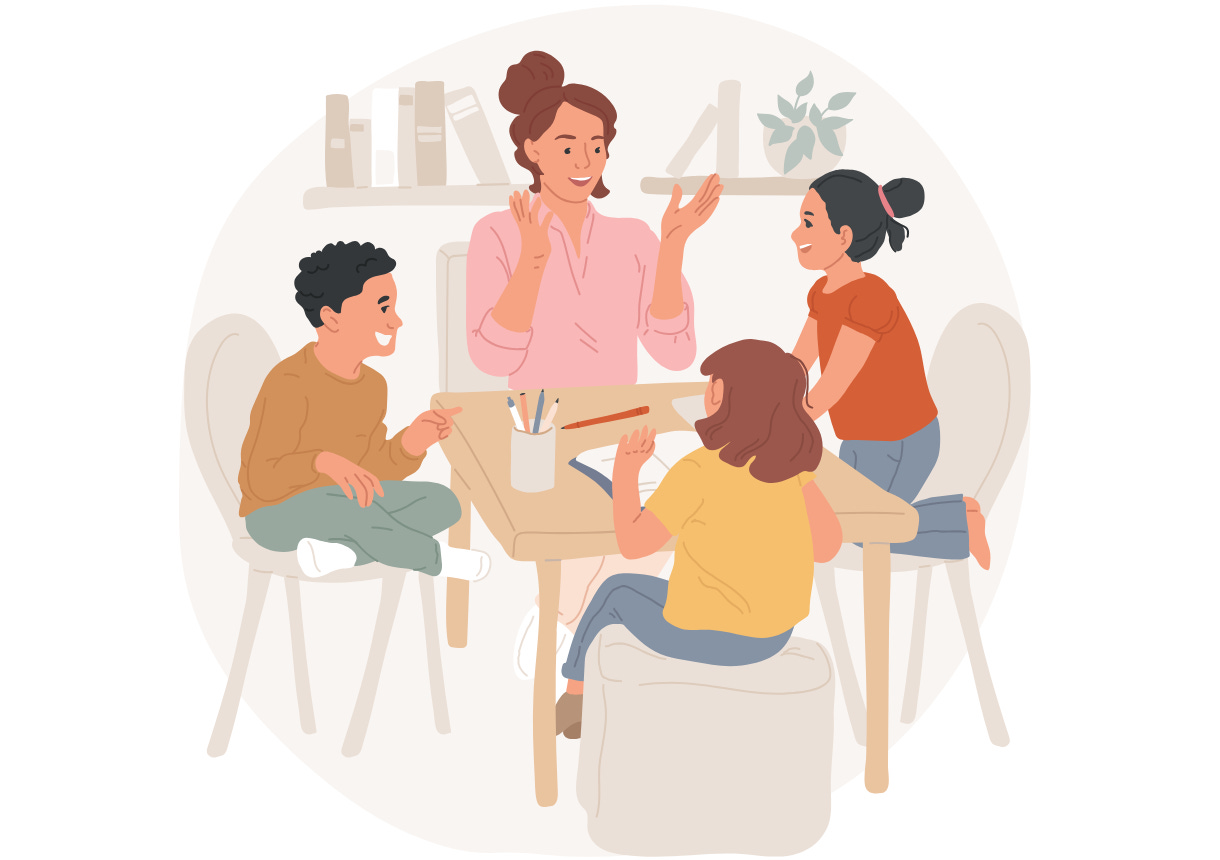
For some families, homeschooling feels like a natural extension of home life. Many weave faith and family values right into the daily routine, with a parent (often mom, though not always!) leading the way through academics and character development.
This style usually looks like:
A faith-based curriculum that reflects the family’s beliefs
A focus on character and values, alongside academics
A flexible schedule that fits family rhythms
Lots of parent-child connection, with parents teaching everything from math to worldview
It tends to be fairly structured, though families can always adjust the pace. For many, the biggest draw is having learning and life completely woven together.
It’s usually pretty structured (there are exceptions, of course), but with room to slow down, speed up, or shift focus depending on what works best for the family.
Not all homeschooling is faith-based. Many families choose secular homeschooling simply for the flexibility, personalization, or because school just wasn’t working.
This approach often includes:
Academic freedom: Parents pick curriculum or design their own, based on a child’s interests
Critical thinking: Science, history, and literature taught with evidence-based resources
Personalization: Kids can speed ahead in one subject or dive deep into another
Hands-on learning: Projects, experiments, field trips, and community involvement
It’s school reimagined for families who want freedom and creativity at the center.
Think of charter schools as public schools with more flexibility. They’re free to attend, open to all students, and funded with public dollars - but they run independently from local districts. That independence gives them room to design their own curriculum and culture.
Each charter school operates under a “charter” (basically a contract) with a state, district, or authorizing body. That charter spells out the school’s mission, how they plan to teach, and the results they’re expected to deliver. In return for this freedom, they have to meet specific performance goals - or they can be shut down.
Here’s what makes charter schools stand out:
Free to attend - no tuition, just like regular public schools
Open enrollment - any student can apply (though some use lotteries if there’s more demand than spots)
Independently run - often by nonprofits, educators, or specialized organizations
Flexible curriculum - can focus on STEM, the arts, Montessori, project-based learning, classical education… you name it
Accountability - they keep their independence by showing strong student outcomes
In short, charter schools aim to combine the accessibility of public school with the flexibility to innovate.
What if kids were in charge of their own learning? That’s the heart of unschooling. No set curriculum, no rigid schedule - just following curiosity wherever it leads.
The idea is simple: learning happens all the time, not just between the hours of 9 and 3. When kids are truly interested in something, they’ll dive deeper, stick with it longer, and remember more - because the motivation comes from within.
Here’s what it often looks like:
Trust the child – Kids are naturally curious. Give them space and support, and they’ll find things they want to learn.
Follow their interests – Dinosaurs, coding, baking, skateboarding, making YouTube videos… it’s all valid and valuable.
Skip the forced curriculum – Learning comes from real life: conversations, books, projects, play, and exploration.
Parents as guides – You’re there to offer tools, resources, encouragement, and new opportunities, not to direct every step.
For unschooling families, life is the classroom - and every day brings a new chance to explore.
On a personal note, we actually started unschooling while my son was still in school. Once a week, we’d keep him home and let him spend the day following whatever he was curious about. It was amazing to see how much more engaged he became when he got to choose what to learn.
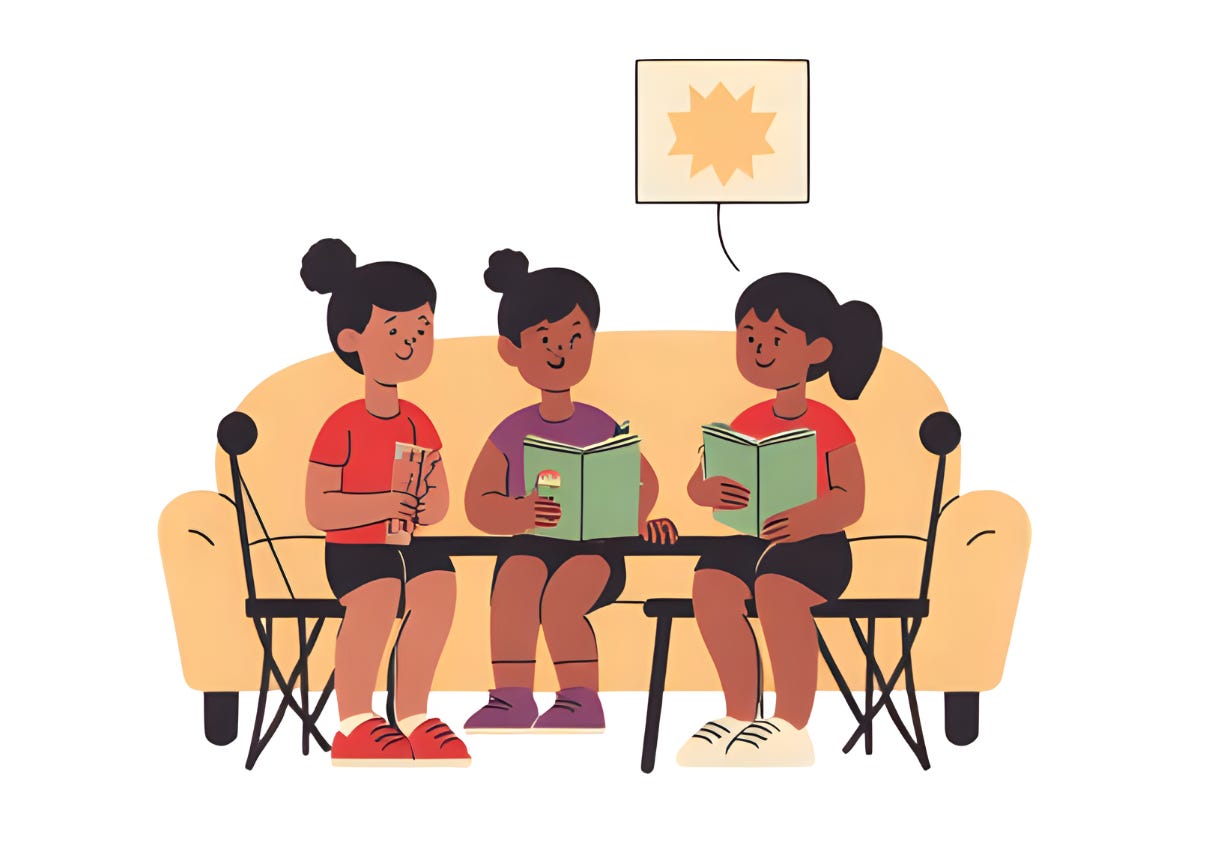
Homeschooling doesn’t have to mean learning alone. More families are joining pods and co-ops to bring in community, share resources, and add variety.
🏫 Homeschool Co-ops (Cooperatives)
Groups of families who meet weekly for classes, activities, and social time. Parents often take turns teaching, and co-ops can be academic, arts-based, faith-based, or just social.
❤️ Why families love them: kids get peer interaction, parents share teaching duties, and everyone benefits from community.
🧑🏫 Homeschool Pods (Learning Pods)
Smaller, more structured groups (3–8 families) who hire a tutor or share teaching. Pods often meet multiple times a week and feel more like mini-schools.
Both bring connection, support, and new learning opportunities - without the scale of a traditional classroom.
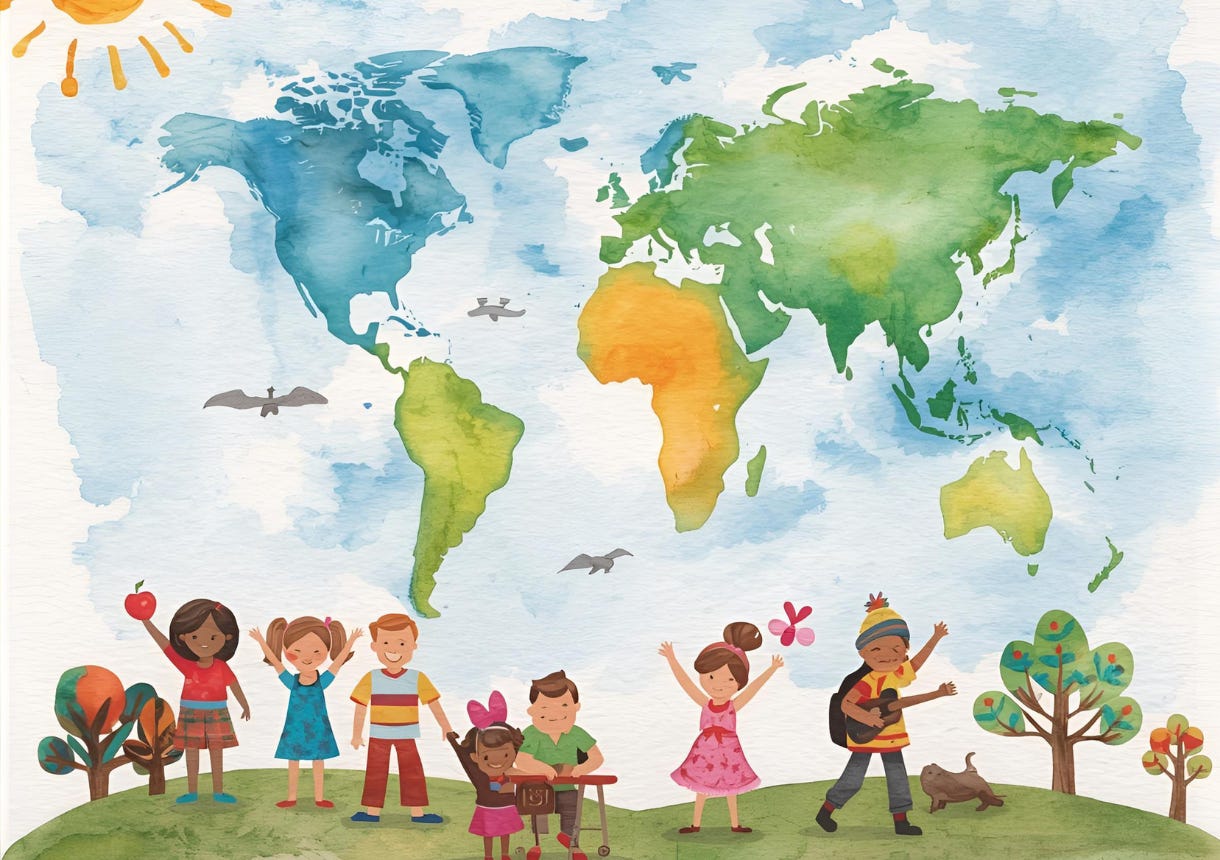
Some families take learning on the road. Worldschooling is all about using travel and real-world experiences as the classroom. Instead of textbooks, kids learn history by walking through ancient ruins, practice languages in everyday conversations, and explore science in jungles, oceans, and mountains.
It can look different for every family - some travel full-time, while others take extended trips and weave learning into the journey. At its heart, worldschooling is about showing kids the world firsthand and letting curiosity unfold wherever they are. For many parents, it’s less about checking boxes and more about raising global citizens who see learning as a lifelong adventure.
While we’re not worldschooling (yet), we try to use every trip as a fun learning opportunity.
There are a wide range of educational philosophies out there, each offering a different vision of how children learn best. While we can’t cover them all in one newsletter, here’s a quick tour of some of the most influential ones:
Montessori → Hands-on, child-centered learning focused on independence and real-life skills
Waldorf / Steiner → Arts-rich, imaginative education rooted in rhythm, creativity, and storytelling
Charlotte Mason → “Living books,” nature study, and short, focused lessons that build habits and character
Reggio Emilia → Collaborative, project-based learning, especially in early childhood
Classical Education → Built around the Trivium (grammar, logic, rhetoric), with deep study of classics and critical thinking
Project-Based / Self-Directed → Kids lead with big questions and real-world problem solving
Democratic / Sudbury → Schools run by students and staff together; kids choose how (and what) they learn
Each one reflects a different belief about childhood and learning - but they all point to the idea that education can be more than just memorizing facts.
Not every family wants to follow just one path—and that’s where what we call Modern Schooling comes in. We’ve been blending different approaches: working with tutors, forming small groups, diving into projects, and weaving in practical life skills. Our kids aren’t just absorbing lessons - they’re actively participating, exploring, and even teaching each other.
For us, this mix feels flexible, practical, and truly child-driven. It’s education that adapts to our kids, not the other way around. That’s the spirit behind Learning Lot too: building spaces where families can connect, share resources, and help kids thrive together in ways that feel modern and meaningful.
🌈 Education isn’t one-size-fits-all, and that’s the beauty of it. Every family finds their own mix, rhythm, and approach. Which flavor works best for you?
Let me know in the comments - I’d love to hear your story. And remember, we’re here to help you explore, connect, and find what feels right for your family’s learning journey.
Nena,
Founder of Learning Lot
No posts
Comments
Nothing yet. Say the first thing.
Sign in to join the conversation.