
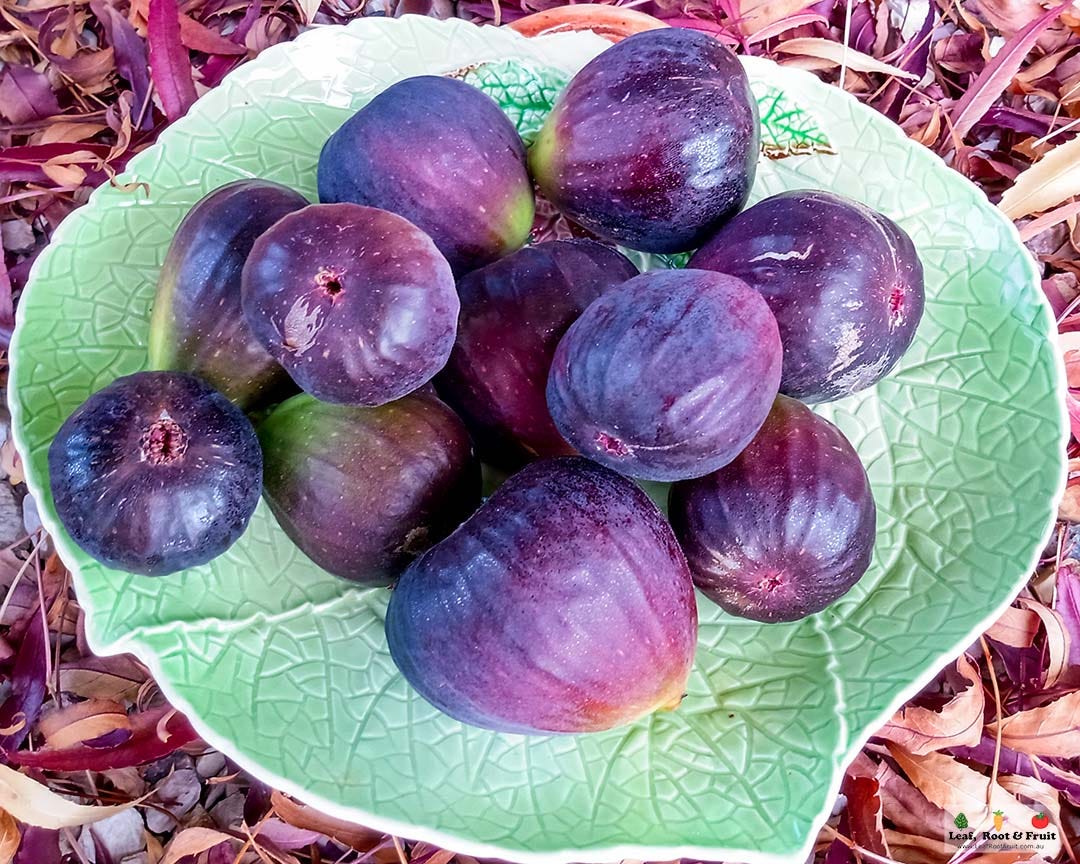
I vividly remember the fig tree planted right at the back door of my grandparents’ home in Glenroy, in the northern suburbs of Melbourne. In autumn it produced the most delicious sweet, juicy brown figs. Pa would lift me up onto his shoulders so I could scoff myself silly on them. That tree is long gone, razed by the developer’s bulldozer. But before it was razed, I struck a cutting from it, and now its roots anchor my childhood memory in my orchard.
Figs are great story tellers (novelist Elif Shafak says so too). Which is a good thing, because they can live for thousands of years. Some of the oldest figs have seen wars and peace, watched humankind come to dominate the planet, felt the changing climate, supported countless birds and other wildlife, had children climbing them to sample the fruit, and offered shade to many a picnicker. I bet those old-time fig trees have some fantastic tales to share. For many, figs are a sentimental tree. They remind folks of their childhood, perhaps their faraway country of birth. Of cuttings smuggled into the country in migrant luggage. A new chapter planted. A new story to tell .
I find figs fascinating.
A fig is not a fruit, it’s a flower, an inside-out flower pollinated by a wasp that crawls up inside it.
Fruiting patterns of figs are complex. There are many different varieties of figs out there, and most of them produce two crops a year. They produce their first crop, called the breba crop, in spring as the tree leafs out. That crop is formed on wood that grew towards the end of the previous summer.
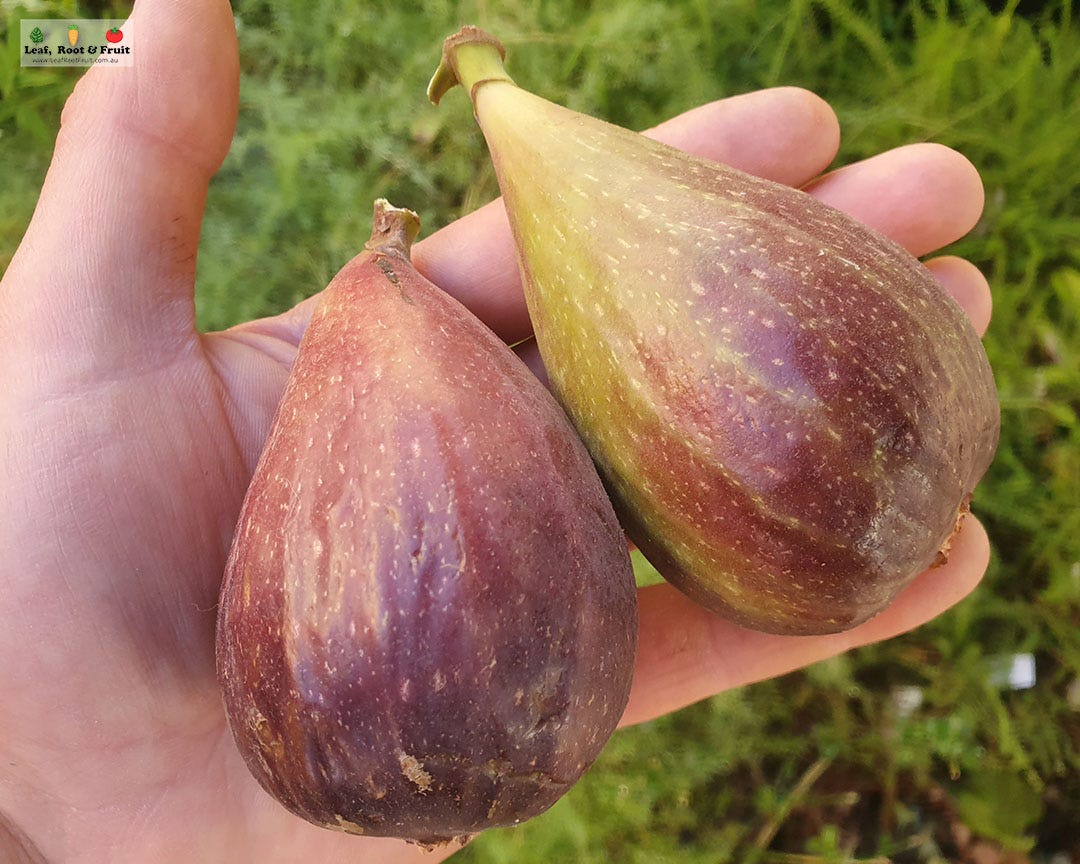
Any new growth that occurs in spring and summer produces the true crop. Some varieties of figs produce only a true crop and no breba crop, while others produce only a breba crop and no true crop, but most varieties produce both.
Comments
Nothing yet. Say the first thing.
Sign in to join the conversation.