
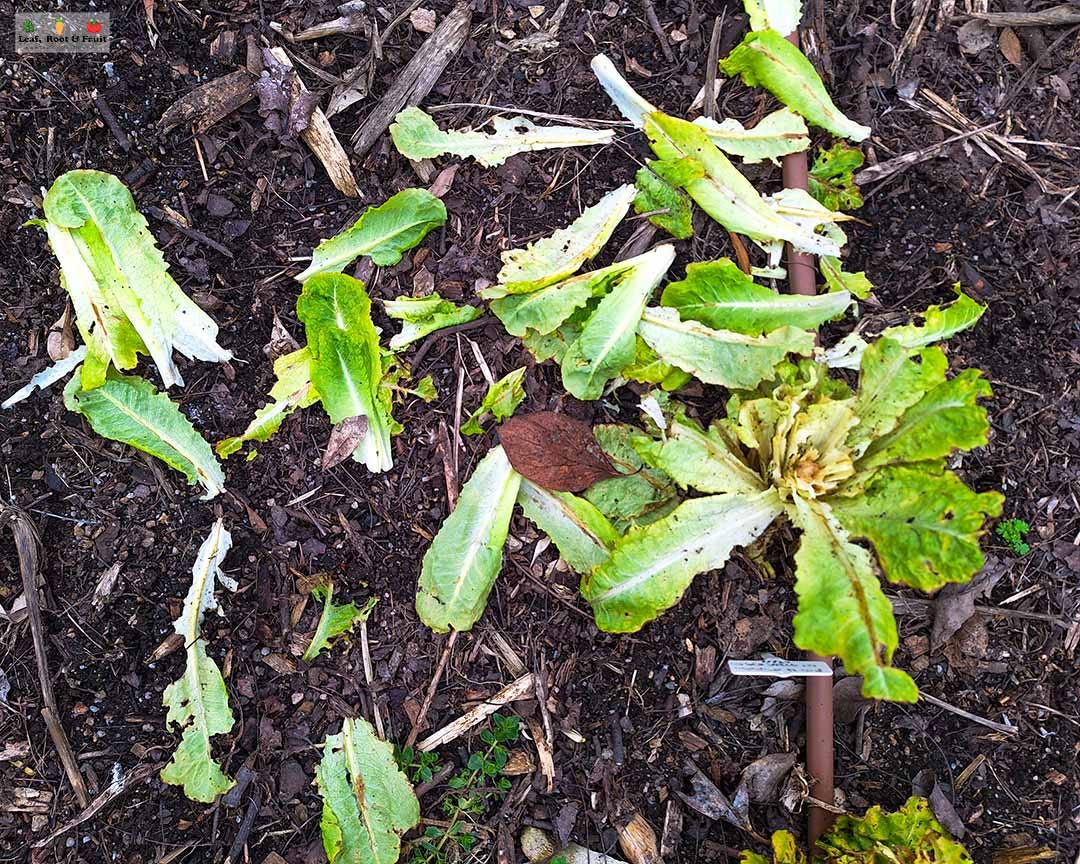
Darren’s dances of destruction have begun. This year, lettuce seedlings are Darren’s thing. Perhaps it’s because, thanks to my generous readers, I have so many lettuce seedlings in my garden. Good grief, Jen’s “Green Oakleaf”! Sue’s “All Year Round” strewn all around. And Stewart’s “Red Cos”, nipped off just because.
Jeepers Darren, cut it out!
Unfamiliar with Darren and Narelle the sulphur-crested cockatoos? Lucky you – read about them here.
On his first visit to my garden this season, while Narelle watched, Darren also clear-felled a medium sized silverbeet plant and gave a haircut to some wormwood. It was destined for a trim anyway, so no harm done there. But I’m lamenting the loss of the lettuces. Now I’ll need to sow another huge batch to grow on for seed as part of my lettuce landrace. Darren’s destruction will further delay sharing them with readers.
I’m relieved that so far, touch wood, he hasn’t found the garlic or the daffs. But that’s only a matter of time. After Darren’s first visit, I upended some old wire baskets over the various garlic crops that make up round two of my garlic rust trials. Hopefully that will keep the cheeky, loved-up scallywag from ransacking them.
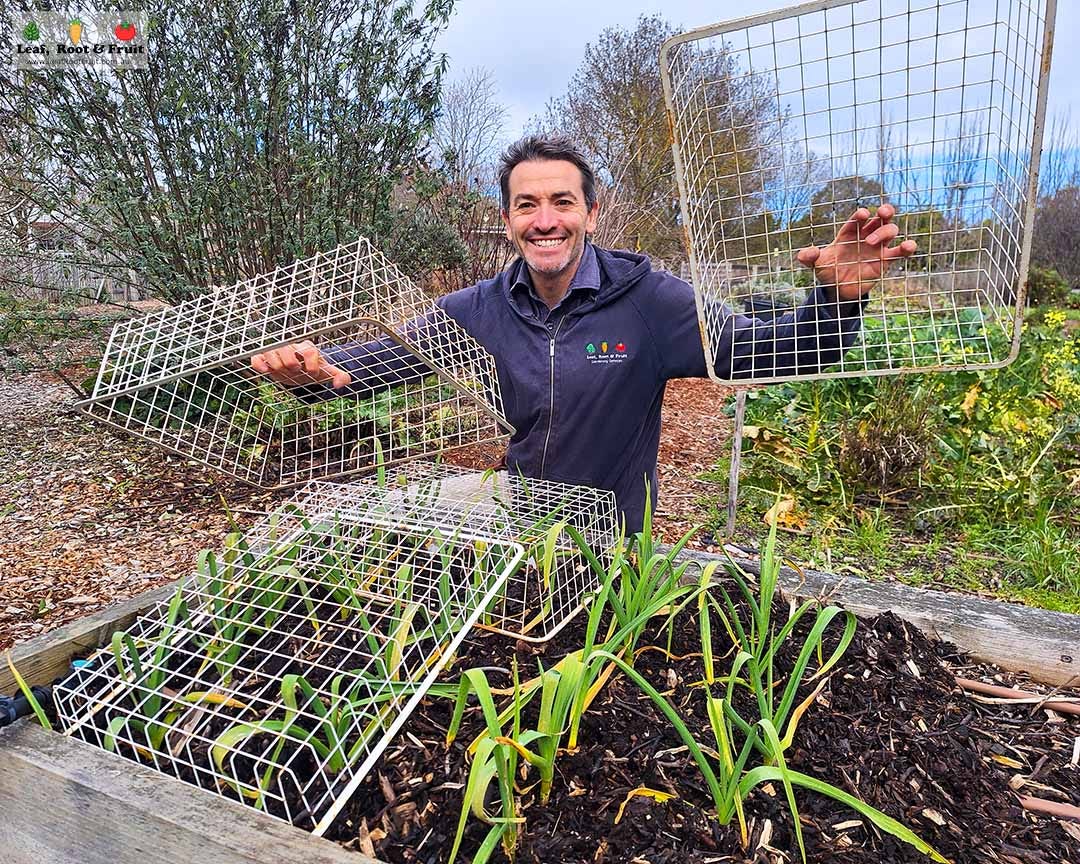
This year, Darren is slightly early, and full of hormone fuelled energy. The destruction has already surpassed his efforts of last August. Last month I mentioned how enthusiastic the wood ducks were in searching for nest sites – far more so than in 2025. According to the birds, spring is well and truly in the air, and this year is going to a bumper breeding season.
In 2019, when my young family and I moved to Kyneton, in Central Victoria, I started recording everything that I noticed in my garden ecosystem. I’ve continued this for seven years and have accumulated a powerful data set I can use to observe the progress of the seasons and measure variability between years. I use this data set to inform my gardening activities. For example, if some of my mid to late spring observations, such as the flowering of the chocolate lily (Arthropodium strictum), are tracking later than usual, then I may delay planting my tomato seedlings into the garden. Using nature-based indicators in this way is called phenology. You can read more about it here.
Last month I reported my phenological trifecta of the silver wattle, wood duck nesting behaviour and flowering snowflakes all occurring on the same day. All three events were early, but the silver wattle flowered a full month earlier than the average of the previous seven years and almost two months earlier than it did in 2025 (see the data in last month’s update here).
I’ve been watching closely as the seasonal pattern develops. I’m trying to predict what will happen. Will our upcoming summer growing season be a long one? Can I transplant my tomato plants into the garden early?
Here are some of my observations from July 2026
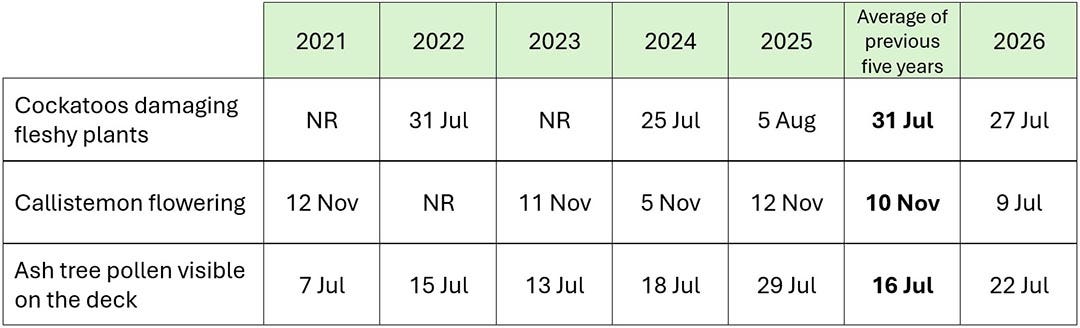
NR = Not recorded. These three observations have been added to my list of regular observations only in recent years– see the full list here. Dates of events were not recorded in the first few years that I lived in Kyneton.
Until this year, the callistemon growing in my hedge garden has been incredibly reliable, always initiating flowering in the first two weeks of November. This and the flowering of the chocolate lilies are my signal that it’s time to transplant tomatoes and directly sow zucchini, sweet corn and beans.
But this year the callistemon flowered in July, and I’m not stupid enough to blindly follow its signal no matter what it says. No one would be crazy enough to plant tomato seedlings into a Kyneton garden in July. Not even me. This year, I’ll mark down the flowering callistemon as a head-scratching outlier. The chocolate lilies don’t agree with it. They’re stubbornly staying hunkered down in the leaf litter until the “right” time.
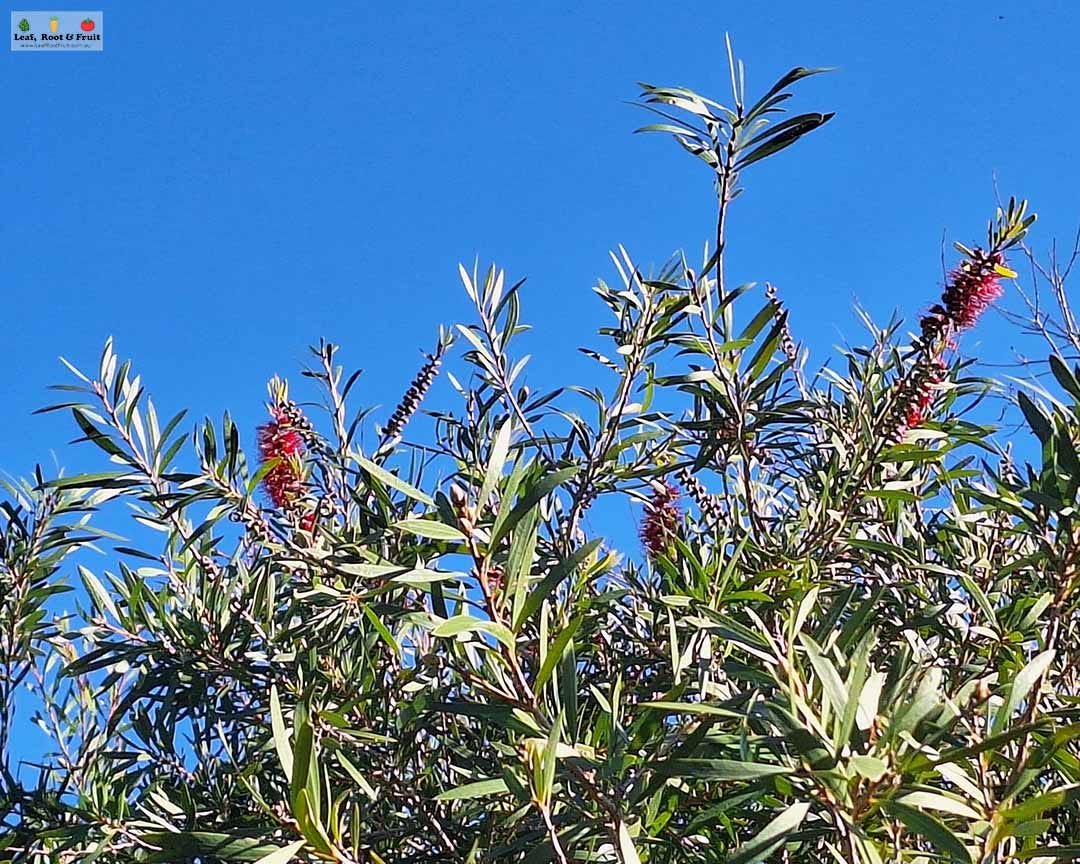
And the callistemon seems to have now recognised its own folly. After opening a few red sprays at the top of the plant, it’s decided, “To hell with it, I’m waiting a bit longer”, and advanced no further, climbing back into bed straight after its feathery red toes hit the cold tiled floor.
This year, I’m not going to waste my precious tomato seedlings on a stunt. There’ll be no crazy fool’s garden or Christmas tomatoes without a greenhouse. And I won’t bother tilling a patch of sodden soil and wasting expensive hybrid sweet corn seed by planting it early.
But playing it safe is boring. For a laugh, on 10 July 2026, I planted some bean seeds. I’d saved them myself, so they cost me nothing but my time. The experiment took me a whole ten minutes, just the time I needed to locate the seeds in the cupboard and unceremoniously drop them into a hastily dragged furrow. I back-filled the trench and waited.
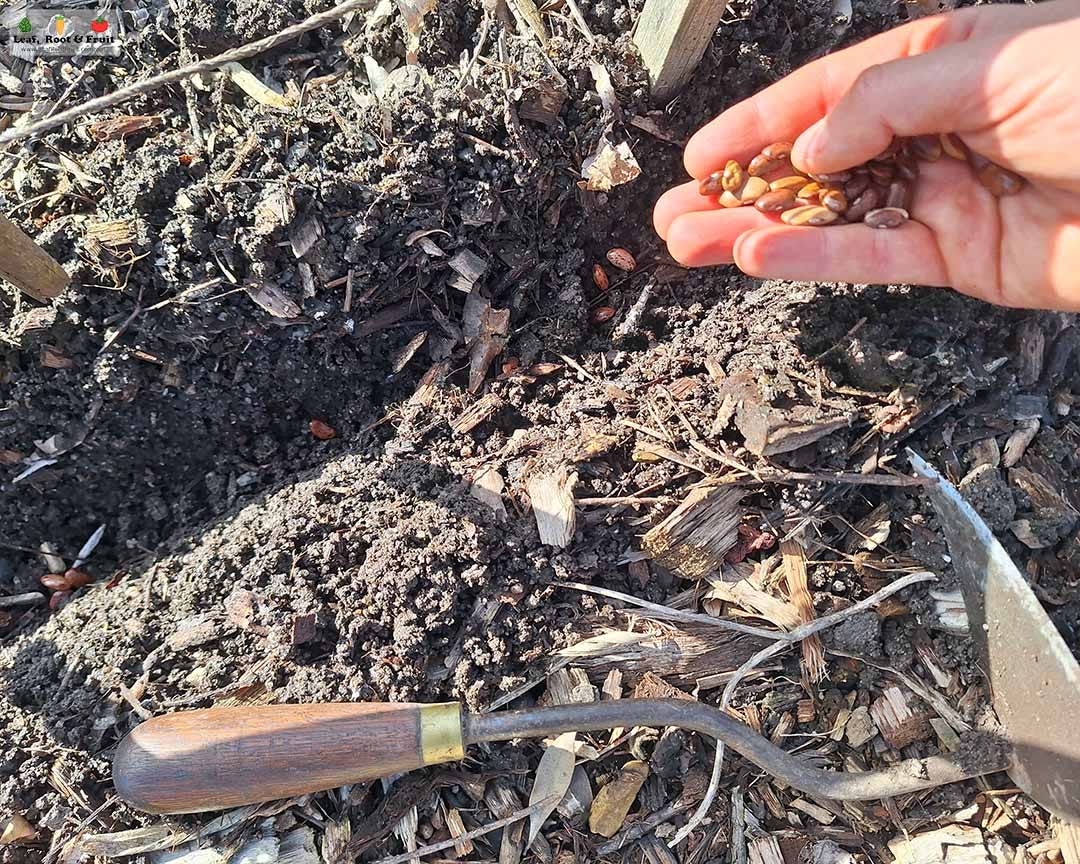
Three weeks later, the beans haven’t germinated. No surprises there. But they haven’t rotted in the cold and wet soil, either. And I’m very surprised about that. The seeds have swelled to double the size they were when I planted them. In time they might germinate. Just maybe. And if they do, there will be no one more surprised than me.
I’ll keep you posted.
The evergreen callistemon tree is flowering incredibly early, and the deciduous claret ash tree is flowering late. Those two signals might appear to contradict. But they align to sing the same song.
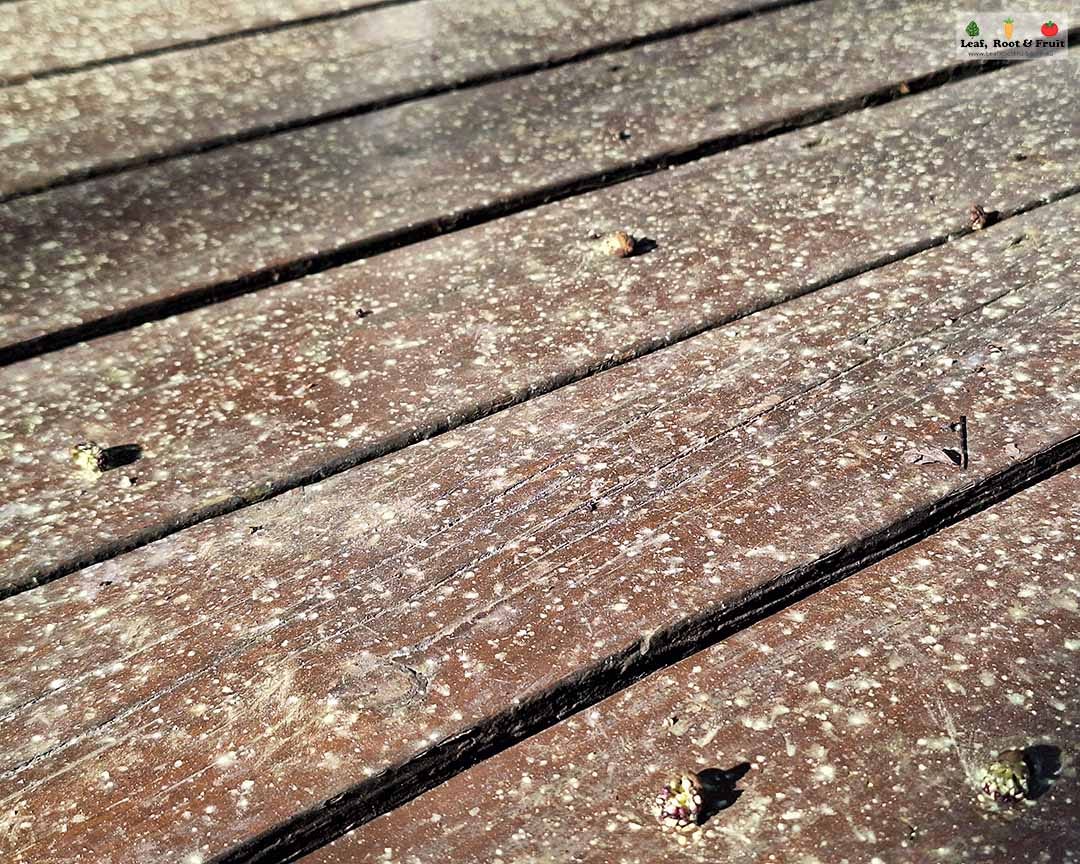
Deciduous plants need two things to stimulate them to break dormancy. First, they need a period of cold (vernalisation). It’s why, if you’re growing tulips in Melbourne, the bulbs need to be lifted each year and put in the fridge for a few weeks. But here in Kyneton, our winters are typically cold enough for the bulbs to remain in the ground and still break dormancy. It’s also why it’s difficult to grow a cherry tree in subtropical Queensland. The length and depth of cold is important, and different deciduous plants need to experience different amounts of cold during winter.
Once the deciduous plant has clocked up enough chill hours, it then needs the ambient temperature to warm up enough for its internal alarm clock to sound that it’s time to get shooting. This year I expect most deciduous trees to break dormancy later than usual. That’s because with the mild winter it will take them longer to accumulate their chill hours.
Apart from chill hours, other factors can contribute to delays. For example, last year I am sure the seasonal delay was due to drought stress. But this year, I reckon it’s the mild winter behind the delayed deciduous trees and the accelerated everything else, from nesting wood ducks to flowering callistemon, from Darren’s destruction to silver wattle blossom. It’s all pointing to mild temperatures, and an early spring. Provided I can keep the water up during El Niño, I should enjoy a long and bumper growing season this summer.
Are you noticing any timing shifts in your garden?
To the untrained eye, not much is happening in the vegetable patch at this time of the year. As per my harvest chart, I’m entering the lean time, a period where I rely heavily on brassicas for fresh vegetables. But this year, even they have deserted me.
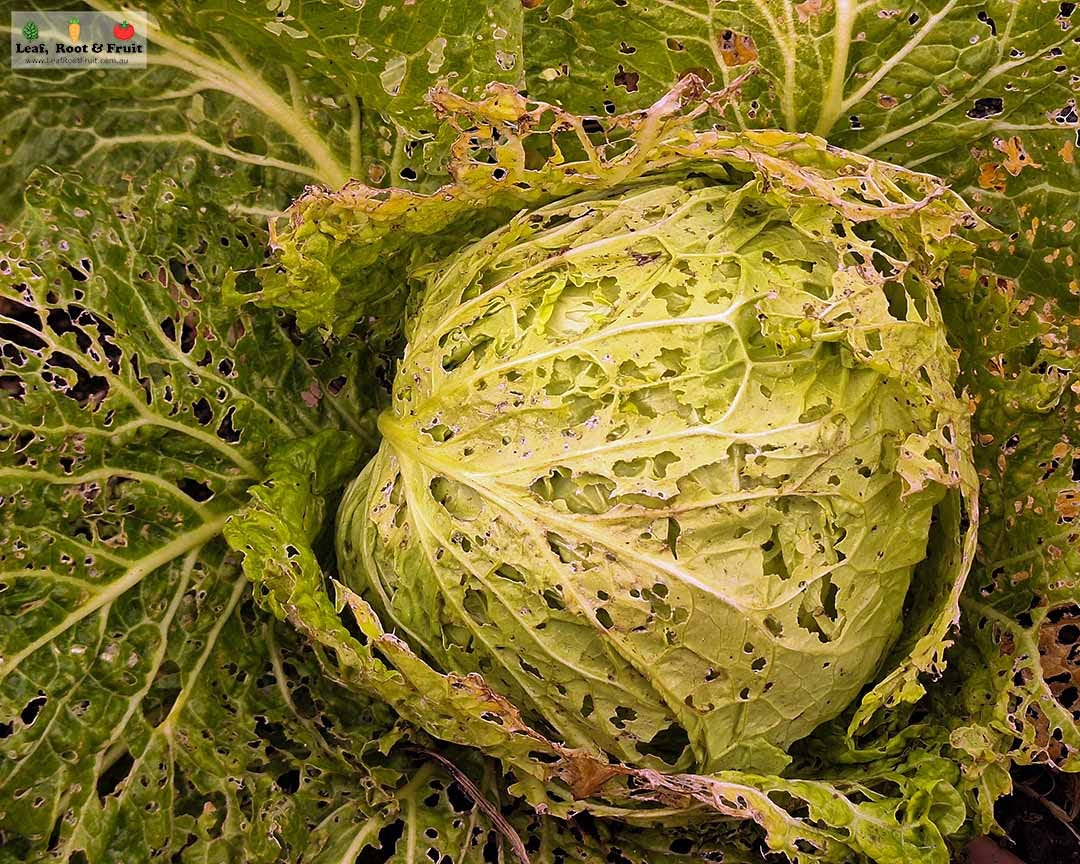
There are a few cabbages ready to be picked. But they’re languishing in the garden. No one wants to deal with the hundreds of tiny slugs that have bred up over the mild and wet winter and now infest every nook and cranny in those dense, wrinkled heads. The chickens are less discerning and eagerly get through a slug-filled cabbage head every few days.
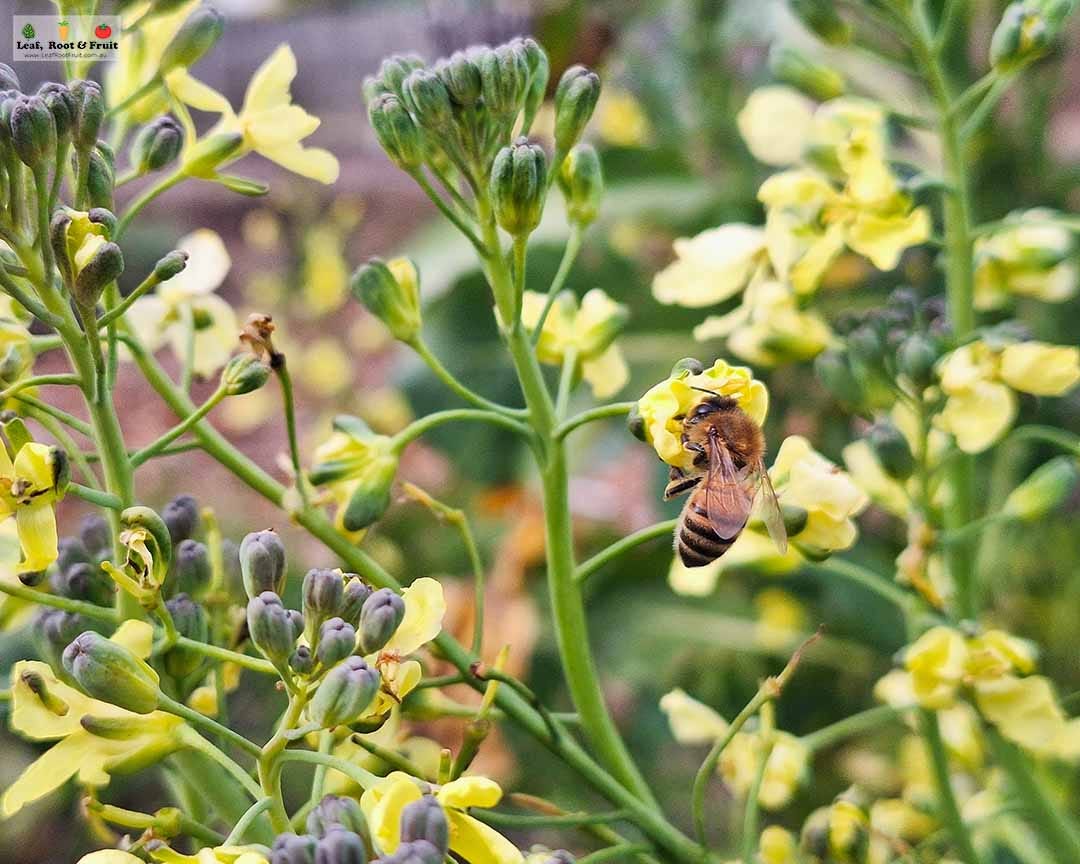
I’m still harvesting small side-shoots of broccoli, enough to contribute to a meal every day or so. But if I blink, those side shoots soon become bright yellow bee fodder. The broccoli harvest is rapidly grinding to a halt, and the caulis are long gone.
Why no brassica glut this year? It’s a combination of factors. The mild, warm winter meant that succession crops one and two merged and I had an abundance of early winter brassicas. The seedlings of crop three were swamped with weeds (again thanks to the mild, wet winter), and before I managed to clear the weeds away from the seedlings, the slugs mowed most of the seedlings down. The few remaining plants in crop three are starting to produce, but they’re small and not overly productive.
Thank goodness for stored carrots, pumpkins and potatoes, overwintering beets, and leafy greens such as silverbeet, celery, kale and lettuce. When we’ve eaten our way through those, it’s off to the local greengrocer!
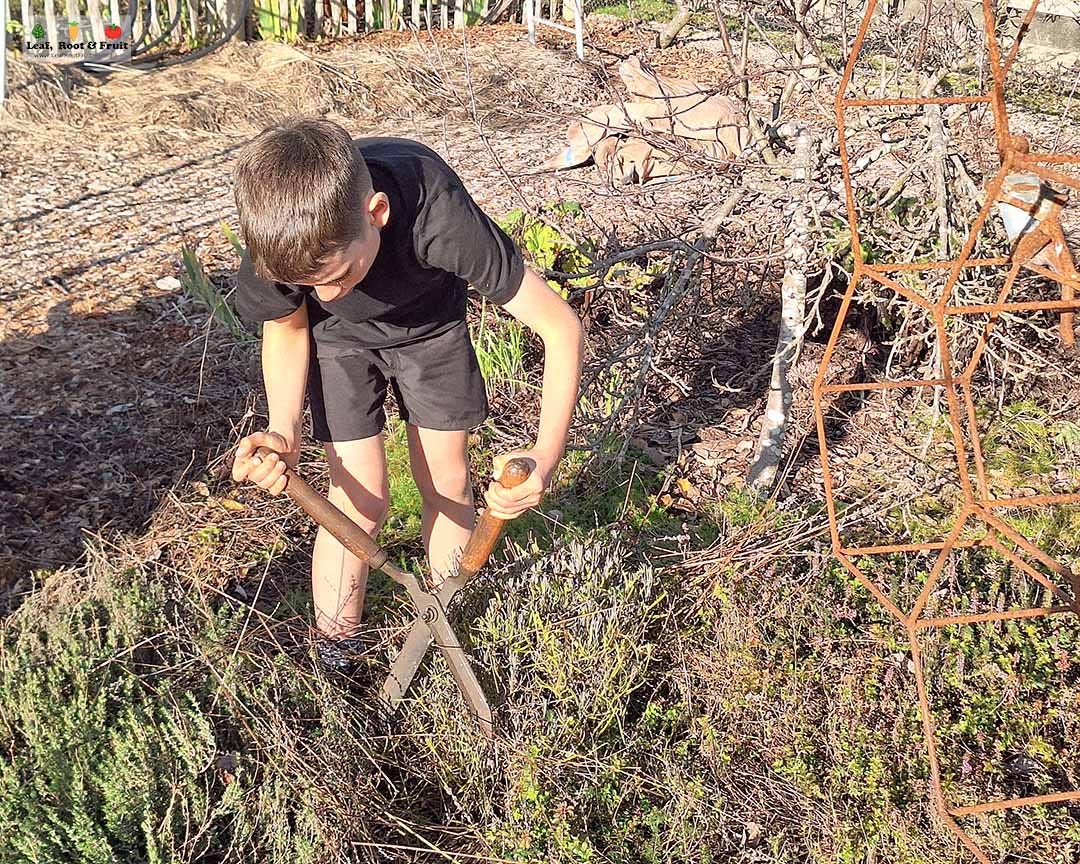
My son Angus (age nine) is an enthusiastic young bloke, a bouncing ball of energy. And in July he was keen to use that energy to help me in the garden. Helping to cut back the herbaceous perennial plants suits his personality and channels the energetic urges that would otherwise be directed towards provoking his sister Emily (age six). He gets to be destructive but for a positive purpose. Winning fatherly praise for hacking something to bits – what’s not to like about that?
Angus loves using the hedge trimmers or secateurs to give each plant a haircut. He follows my directions to cut the penstemons down to a third of their original size, and he lops the aster daisies at ground level. Dying rhubarb stalks are tugged free from the crown by hand. At the end of each tidied bed, together we stand back and admire our combined handiwork. The look of achievement on his face is priceless as he realises that he is contributing to the household chores. I can hear the sense of pride in his voice when he asks, “Which bed will we do next, Dad?”.
A sense of achievement and contribution is a grand thing in children. But his efforts are not completely selfless. Angus is motivated in equal parts by helping his dad and earning money. Every week his focus seems to shift with the schoolyard antics. Minecraft and Pokémon gave way to AFL footy cards. Early in July, FIFA World Cup collector cards were all the rage. Warhammer and Dungeons & Dragons have both cropped up, but we’ve done our best to smother those two money-pit hobbies until he is older. There is also the pipe dream of buying a marbled gecko complete with glass case to sit on his desk – his very own pet. We’re thankful for the local library, because otherwise his insatiable reading habit would leave us destitute, but there is always a book he needs that the library doesn’t have. Money burns holes in Angus’s pockets faster than hot embers. But he has a strong work ethic and we’re keen to support that by giving him small jobs to complete around the house. He doesn’t get paid to do things he should normally do anyway, like make his bed, or tidy his room. But taking out the bins, pairing socks, and helping me in the garden are all worthy of payment for his time. As a bonus, I’ve shared some sunny July afternoons in the garden with my son. I get to do what I enjoy and share it with someone I love. No doubt, in a few years, he’ll be “too cool” to hang in the garden with his dad, so I’m cherishing every moment of it that I can. Even if it means regularly handing over cash for the benefit.
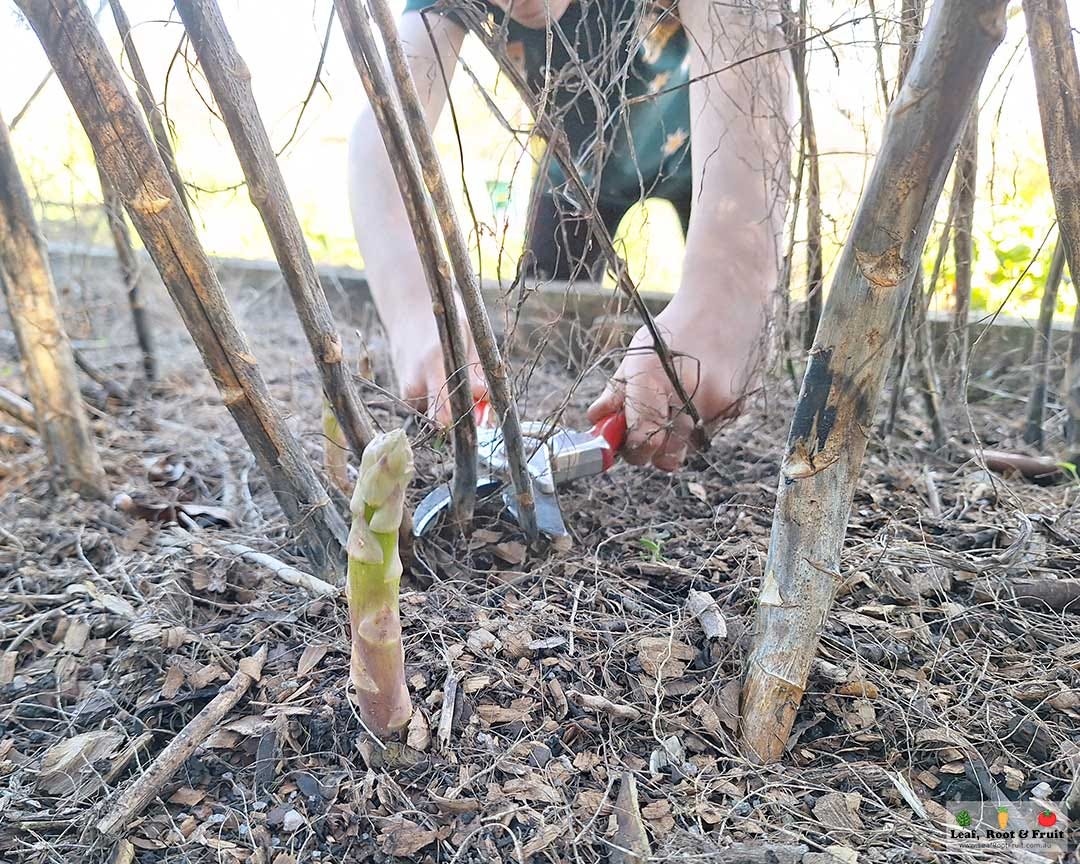
Last week Angus trimmed back the old asparagus fronds. He top dressed the bed with some of the deep litter from the chicken run. This combination of wood chips and chicken manure is the perfect mulch for the asparagus plants. While snipping away at the dead foliage he noticed the tips of spears breaking through the soil surface. The signs that the lean period will soon end are showing in the asparagus patch. I should be able to harvest the first asparagus around mid-September, perhaps earlier the way this season is tracking.
It’s a quiet month in the vegetable patch for me, but I’ll focus on having everything ready to go when things begin to really ramp up in September.
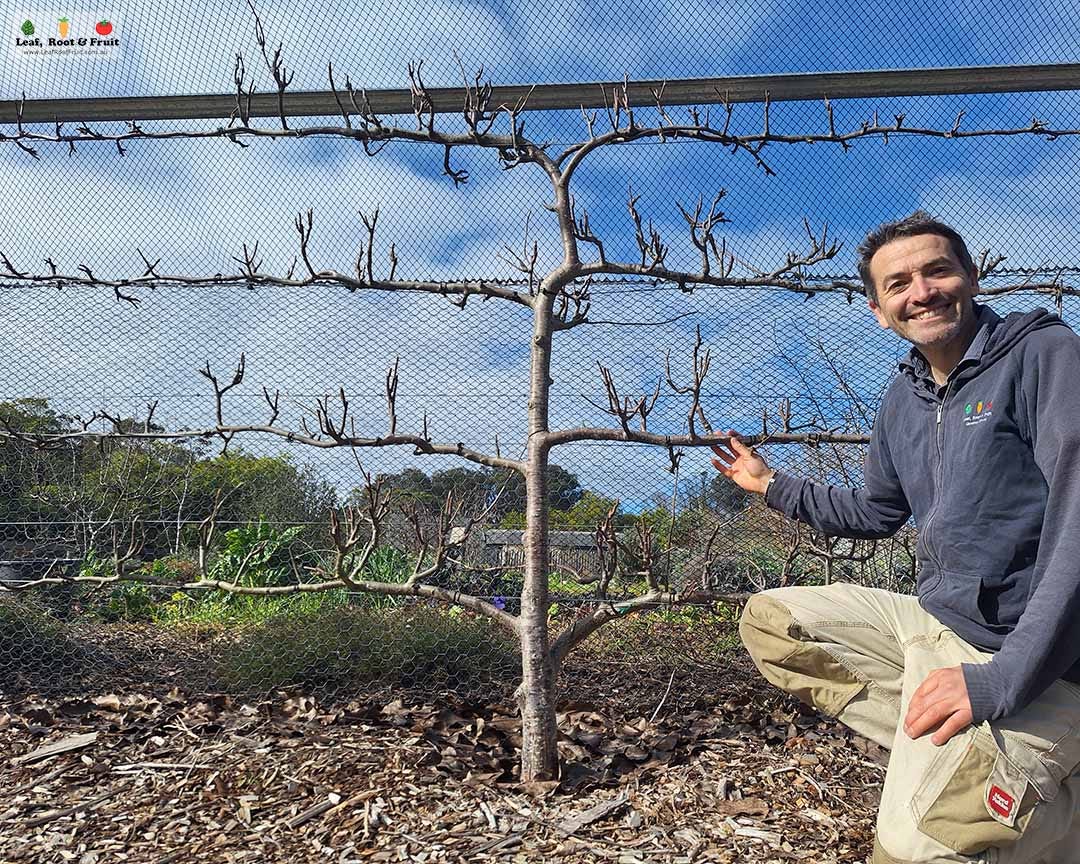
The daytime temperatures will slowly creep up. By mid-August the grass usually explodes with rampant growth, although this year, the mild winter meant the mower never sat idle for very long. With all the rain and the mild conditions, this spring is going to be chaos in the garden.
The weeds will be bursting out of control by the middle of the month. I’ll be doing plenty of hand weeding, but I won’t start applying some of my more effective organic weed control strategies for another month. Come along to my upcoming workshop Controlling Weeds Naturally on Friday 4 September and I’ll show you how to reduce the amount of time you spend weeding your own garden.
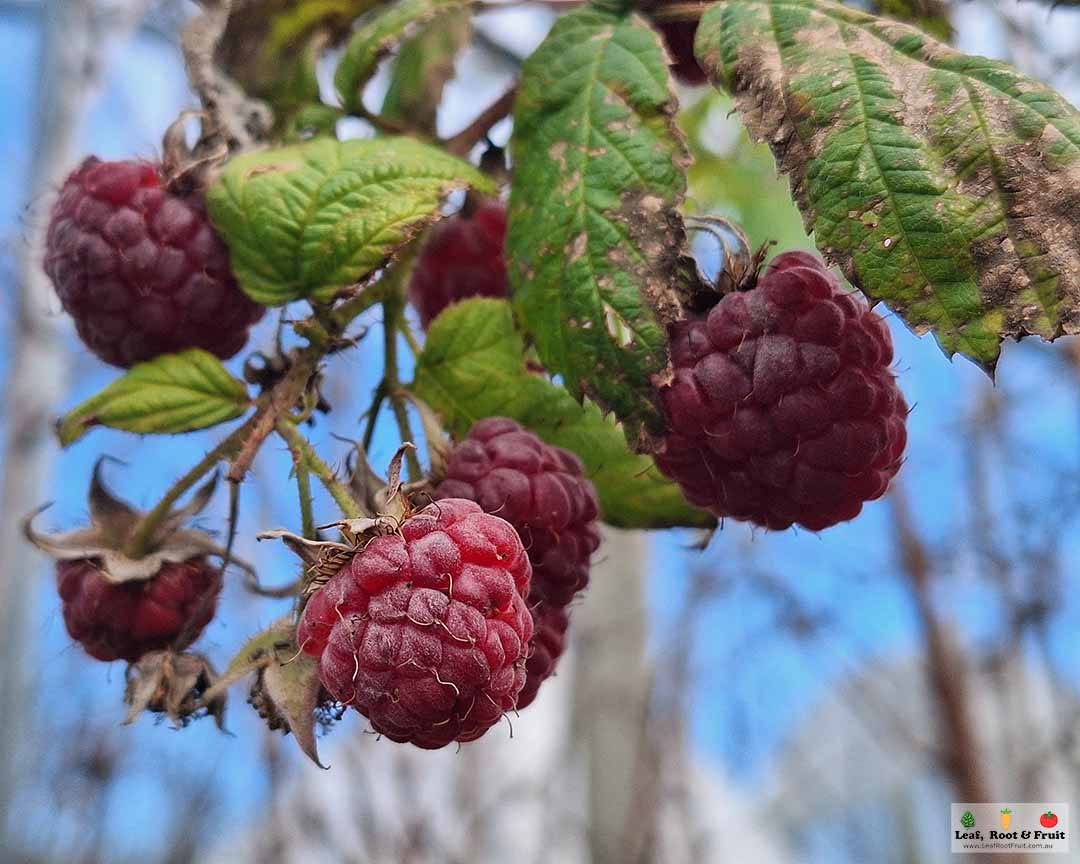
The first flowers have just opened on my raspberries. This month, I’ll apply some chicken manure to the berry patch. The burst of nitrogen will help ensure good fruit set and strong summer growth on my blueberries, raspberries and strawberries.
The understory of my edible forest garden beds is mostly herbaceous perennials. They die back in winter and I need to cut them back to ground level. The annual cut-back of the dead foliage makes space where I can add mulch.
I’ll be topping up woodchip mulch layers in my perennial garden beds, berry patch and areas within the orchard. The mulch helps feed the garden, reduce weed growth and lock in soil moisture.
Using Woodchip Mulch in the Garden
It’s compost time. Early spring results in an abundance of grass clippings, spent brassica plants, prunings and other organic matter. I’ll be using this as the basis of a huge hot compost pile.
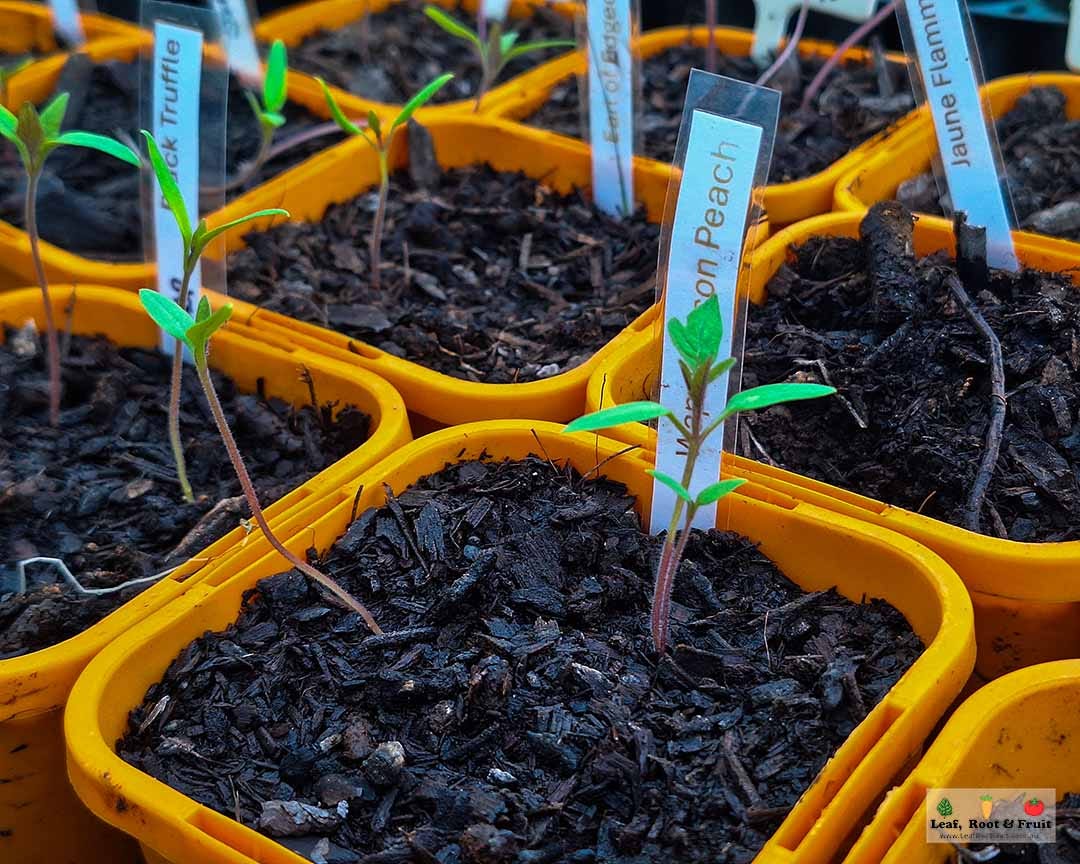
Next week I’ll transfer my precious tomato seedlings from indoors on the heat mat across to my greenhouse. They will soon need thinning, but I won’t pot them up until the first flowers start to develop.
Your planting options are probably narrowest in August. The soil temperature is low and the daylight hours are still short. I’d recommend that you put all your energy into preparing garden beds for spring planting and maybe starting some of your summer vegetables early, either inside or under glass.
The Vegetable Patch from Scratch series is popular with novice and seasoned gardeners alike. It covers everything you might want to know about growing vegetables. It might save you a bit of time and frustration by helping you to avoid preventable crop failures.
My planting guide generally refers to vegetables planted in the garden (as opposed to a greenhouse). This planting may consist of seeds directly sown (my usual and preferred method) or plants transplanted as seedlings. Read more about using this guide here.
Based in Central Victoria? My Vegetable Garden Planting Plan provides details of what to plant when to achieve a good spread of produce throughout the year. It’s also useful for growers in warmer climates, but it may need tweaking.
Here’s my guide to some of the things you could consider planting this month in a warm temperate climate, like Melbourne’s.

You can start a herb garden almost any time of the year. In winter most herbs won’t grow very much, but if you plant larger plants, they’ll happily sit there in a dormant state, waiting for you to snip away as needed. Try growing the following and save yourself a heap of money and supermarket packaging:
Parsley
Chervil
Mint
Rosemary
Coriander
Chives
Oregano
Spring onions.
Most of the leafy greens will handle the cold weather in the garden now. But thanks to photoperiodism, they will soon bolt with the lengthening days. Waiting another month before planting celery and silverbeet will extend the harvest from those plants by a whole year (more on that here). The following leafy greens are still worth planting now, but follow up by planting a succession crop in September to really extend your harvest.
Spinach
Rocket

The following root vegetables can be planted in August:
Radishes
Parsnips
Onions
Spring onions
Potatoes (only if you have a well-protected, frost-free site).

Most fruiting plants are grown over the summer. The exceptions are the following which can be planted in August:
If you have access to a greenhouse, or a very warm, sunny spot indoors, then have a go at growing your tomatoes from seed this year.
See my blog post for more information on growing great tomatoes and how to start your seedlings early.
If you have a greenhouse, you can now consider getting a head start on your capsicum and eggplant seedlings. See my spring planting guide for more information on planning for the upcoming season.
Good luck and happy gardening
Duncan
PS Thanks to everyone who has sent kind words in reply to Why Do You Garden? It’s been such a fun activity. If you haven’t already done so, there is still time to submit your own reasons for gardening.
Why Do You Garden?
·
Jul 13
I’ve always been a gardener. But running. That’s something that’s come and gone from my life. There was the phase when I was in uni. I’d come home and run around the block, all 5 kilometres of it. I lived in London for three years and would often get home from work and head out in the dark to run across Putney Bridge, along the Thames, across the Hammer…
Comments
Nothing yet. Say the first thing.
Sign in to join the conversation.