
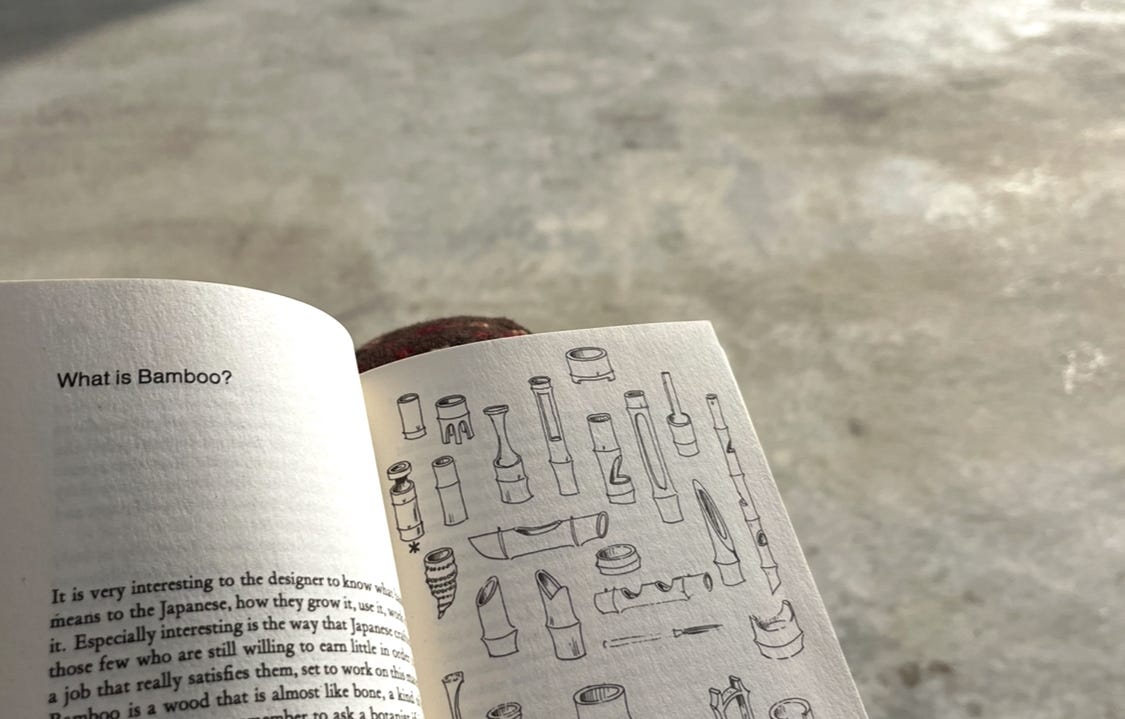
“A designer is a planner with an aesthetic sense. ”
— Bruno Munari
Reading Munari’s Design as Art at the start of the year reminded me why I care about design in the first place. Not just as a tool for fixing things, but as a way to notice, connect, and make meaning out of the everyday. His writing gave me permission to let design be emotional, poetic, and even a bit uncertain. That idea has quietly trailed me through the months since.
With a background shaped by living in Taiwan, studying in western countries, meeting and working with people around the world, I’ve realised my approach to design is deeply coloured by stories, feelings, and context. Working in the art department for film left me sensitive to rhythm, atmosphere, and the small emotional details. For a long time, I thought of those instincts as personal quirks, interesting, maybe, but not part of “real” design. Lately, I’ve started to see them as strengths.
I find myself drawn to the contradictions and routines that shape people’s lives. But there’s a tension that sits with me too. Recently working more on UI/UX projects, the tools we use like journey maps, interviews, empathy diagrams, are helpful for organising thoughts and getting inputs, but sometimes they feel too structured for the messiness of real experience. Under time pressure, those frameworks can start to feel clinical, as if we’re trying to turn lived moments into tidy data points. That never sits quite right with me.
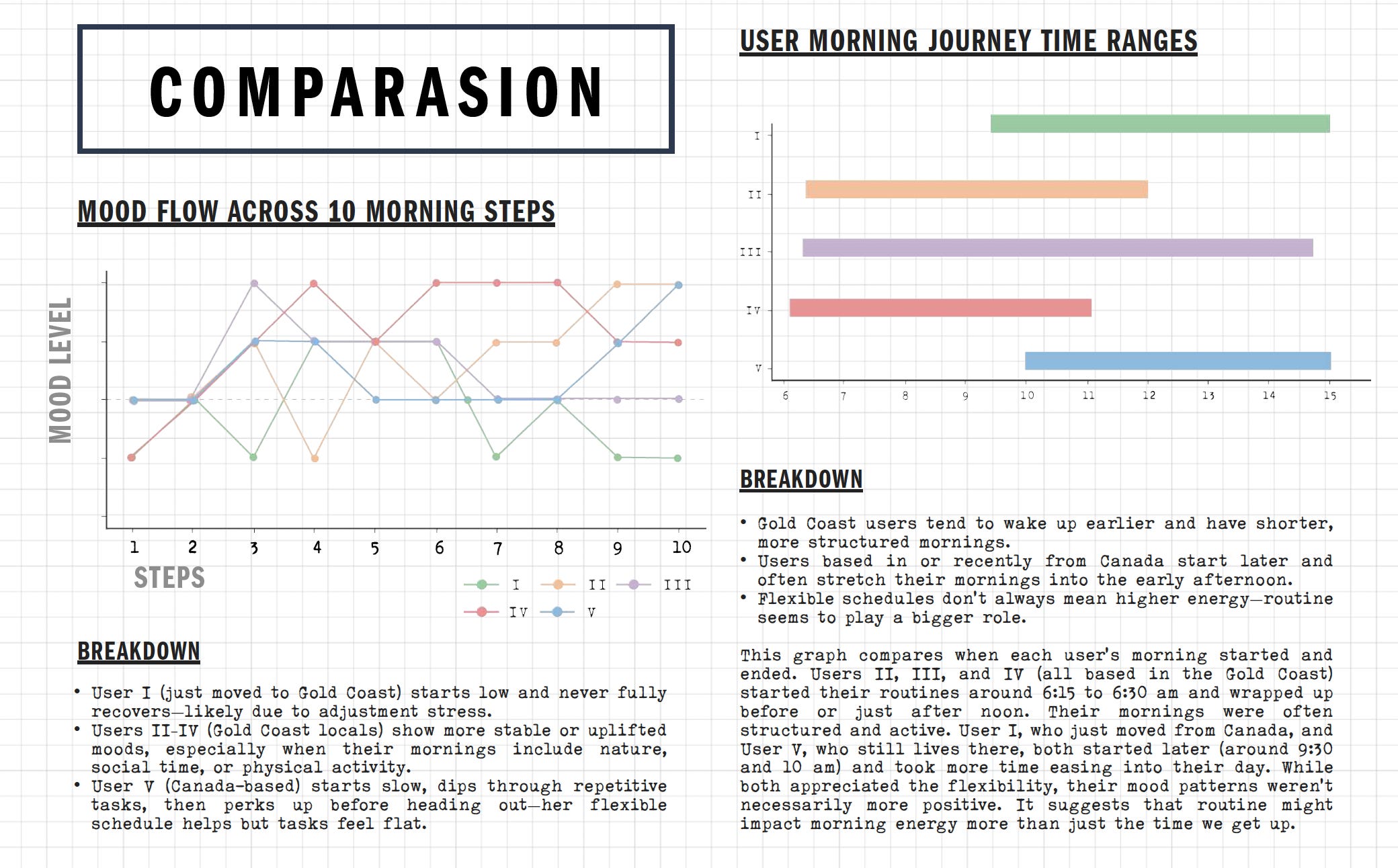
What’s helped is reframing these tools as prompts, not prescriptions. Seeing them as flexible, and remembering that people are more than just “users,” has let me slow down and listen differently. I find myself paying more attention to the stories beneath the structure.
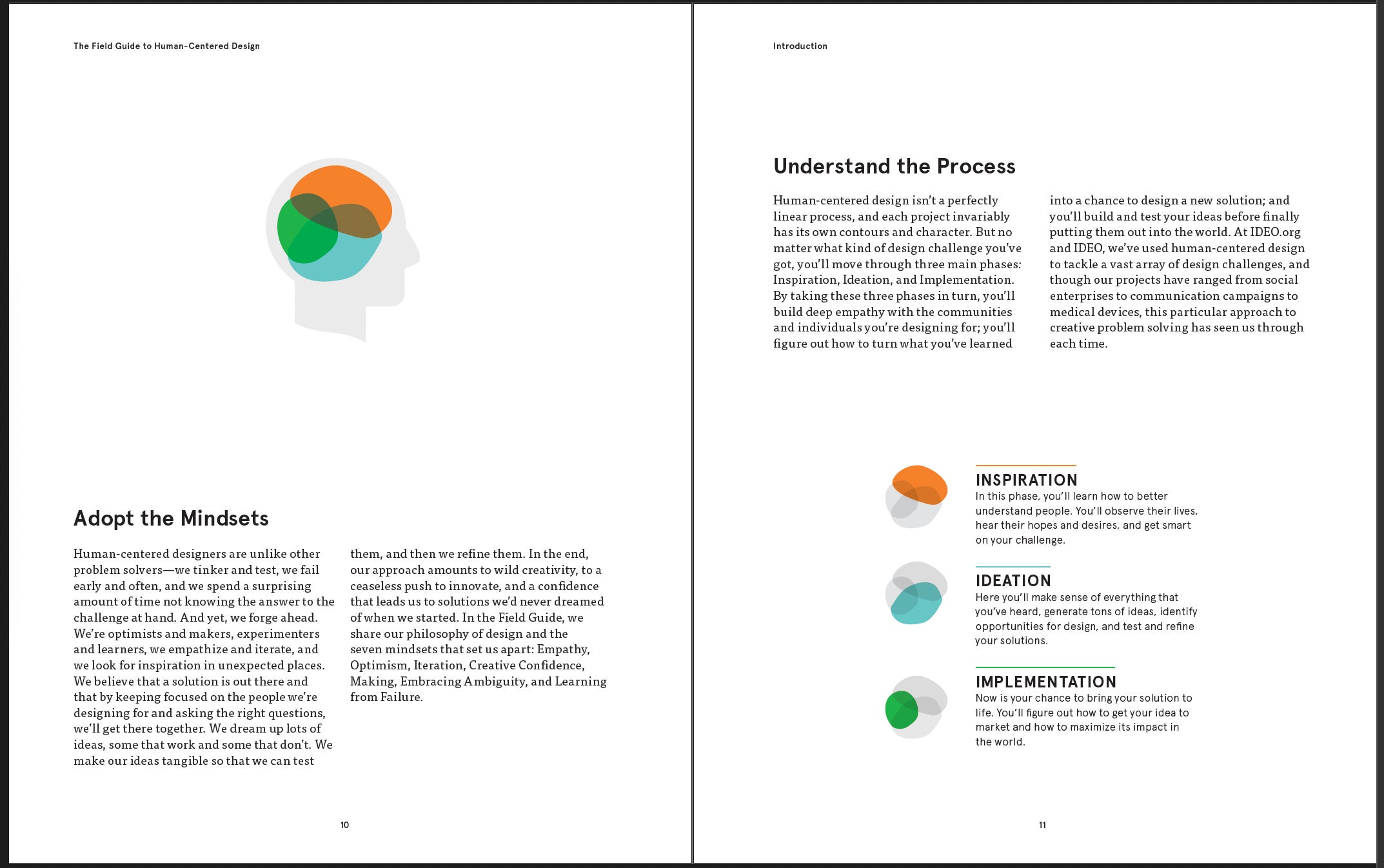
Reading the IDEO Human-Centred Design Toolkit affirmed that instinct. It reminded me that the value in design isn’t about perfecting a method, but about learning through the process—listening carefully, prototyping early, and co-creating with people rather than designing for them. That’s become something of a touchstone, especially when I feel unsure about the structure of things. Good design, I’ve realised, can feel a bit messy at first. That’s not a flaw; it’s part of the work.
All these thoughts have led me to think about the limits of human-centred design. A friend told me about the More Than Human exhibition at the Design Museum in London, which explores how design can respond to ecological, social, and multispecies relationships. I couldn’t attend, but just hearing about it made me reflect on how design might expand beyond individual users to consider broader systems—cultural, emotional, environmental. It’s a direction I would love to explore.
As technology becomes more woven into daily life, I find myself drawn to the idea of design that supports slower, more meaningful moments. I’m interested in work that feels personal, attentive to the quiet rhythms of everyday living.
Not everything needs a neat resolution. The tension I feel around these questions is something I want to keep. It reminds me to stay grounded, to listen more closely, and to keep asking better questions. For me, that tension now lives in a question I’ll keep carrying:
How do we hold space for people as they are, not just as users?
—
✲ I’d love to hear what you think, whether you design or not :)
No posts
Comments
Nothing yet. Say the first thing.
Sign in to join the conversation.