
Healing Invisible Wounds: The Importance of Emotional Health in Migrant Communities
Thousands of migrants come to the United States hoping to build a better life for their families. But along the way, they face fear, discrimination, persecution, and constant emotional violence.
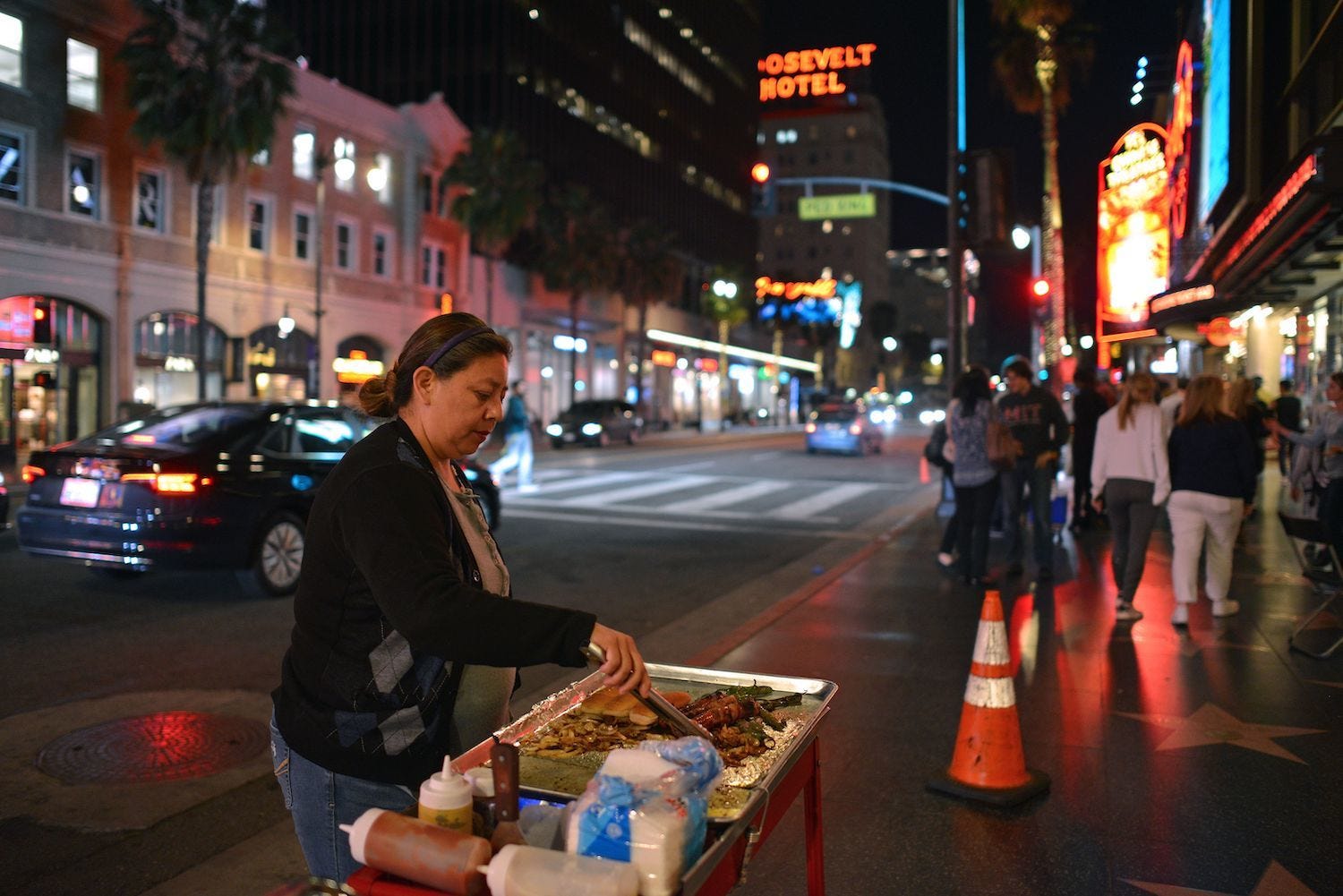
Among them are thousands of street vendors who go out every day to work honestly just to survive, yet are often treated like criminals.
The emotional impact of these experiences is often profound. Anxiety, fear, and trauma affect the mental health of many migrants, especially when they face arrests, family separation, or constant harassment from authorities. Yet many do not seek help because they are unaware of available resources or because culturally they are not used to talking about emotional health.
In response to this reality, community organizations such as Colectivo Poder Comunitario have begun creating spaces for emotional support and community therapy for street vendors and migrant workers, understanding that defending labor rights also means protecting people’s mental health.
Mrs. De Paz, a street vendor and community leader, shared part of her story to highlight the importance of psychological support.
“For many years I have earned a living by working hard to support my family. In the streets I have faced humiliation and discrimination from people and authorities who criminalize us simply for working honestly,” she explains.
In 2025, she experienced one of the most difficult moments of her life when she was arrested by immigration agents while working.
“I was locked up without knowing anything about my family. I didn’t know if it was day or night, and that gave me severe depression. I felt like I was dying,” she recalls.
One of the most painful moments happened when she was taken to a hospital under immigration custody and tied to a bed.
“I felt desperate because I wanted to ask for help to let my family know where I was, but they wouldn’t let me. I even thought about dying because I couldn’t handle what I was going through.”
In the middle of that traumatic experience, her faith and the community leadership trainings she had previously received helped her resist.
“I remembered that I had prepared myself to become a leader and help my fellow vendors. That gave me strength to keep going.”
Mrs. De Paz had also experienced deep family losses years earlier, including the death of her mother and her partner. All of this increased the emotional burden she carried. However, thanks to the support of community organizations and access to emotional therapy, she began a process of healing.
“When I was given the opportunity to receive psychological help, I felt very grateful. There I was able to cry, share what I had suffered, and express my pain. They listened to me and helped me get back up.”
Emotional therapy and community workshops allowed her to learn tools to confront fear, heal emotional wounds, and recover hope. These spaces also became safe places where she and other women could support one another and realize they were not alone.
“Sometimes we think therapy is not for us because we are not used to those practices, but now I believe it is very important. It helps us move forward and not remain trapped in pain.”
The emotional health of migrant communities is also deeply connected to immigration policies and labor conditions. Human rights organizations have warned that the constant fear of raids, detention, and deportation generates high levels of toxic stress within thousands of migrant families.
This impact does not end when someone leaves a detention center. Many continue living with anxiety, insomnia, panic attacks, and permanent fear even after regaining their freedom.
For years, migrant communities have economically sustained entire cities through their work in construction, agriculture, cleaning, kitchens, and street vending. Yet very rarely do people talk about the emotional cost of living and working under constant fear.
Stories like Mrs. De Paz’s show that emotional well-being is an urgent need within migrant communities. Mental health should not be seen as a luxury, but as a necessary tool to heal, recover strength, and sustain life in the face of adversity.
Mrs. De Paz’s experience also reminds us that migrant trauma is rarely individual. When a street vendor is detained, it is not only that person who suffers; their family, coworkers, and an entire community reflected in that pain suffer as well.
That is why, beyond professional support, collective care and community organizing play a fundamental role in healing processes.
In communities impacted by fear, persecution, and uncertainty, healing together also becomes a form of resistance.
Migrant communities do not only need labor rights and legal protection; they also need spaces to heal the invisible wounds caused by surviving within a system that constantly criminalizes them.
Because surviving should not mean living in fear.
And because healing is also a way of fighting back.
No posts
Comments
Nothing yet. Say the first thing.
Sign in to join the conversation.