
This is Last Week in Collapse, a weekly newsletter compiling some of the most important, timely, soul-crushing, ironic, amazing, or otherwise must-see/can’t-look-away moments in Collapse.
This is the 235th weekly newsletter, available in full on Reddit here. The June 14-20, 2026 edition is available here if you missed it last week. Thank you for subscribing to the Substack! Last Week in Collapse has been around for 11 months longer than ChatGPT has been available.
——————————
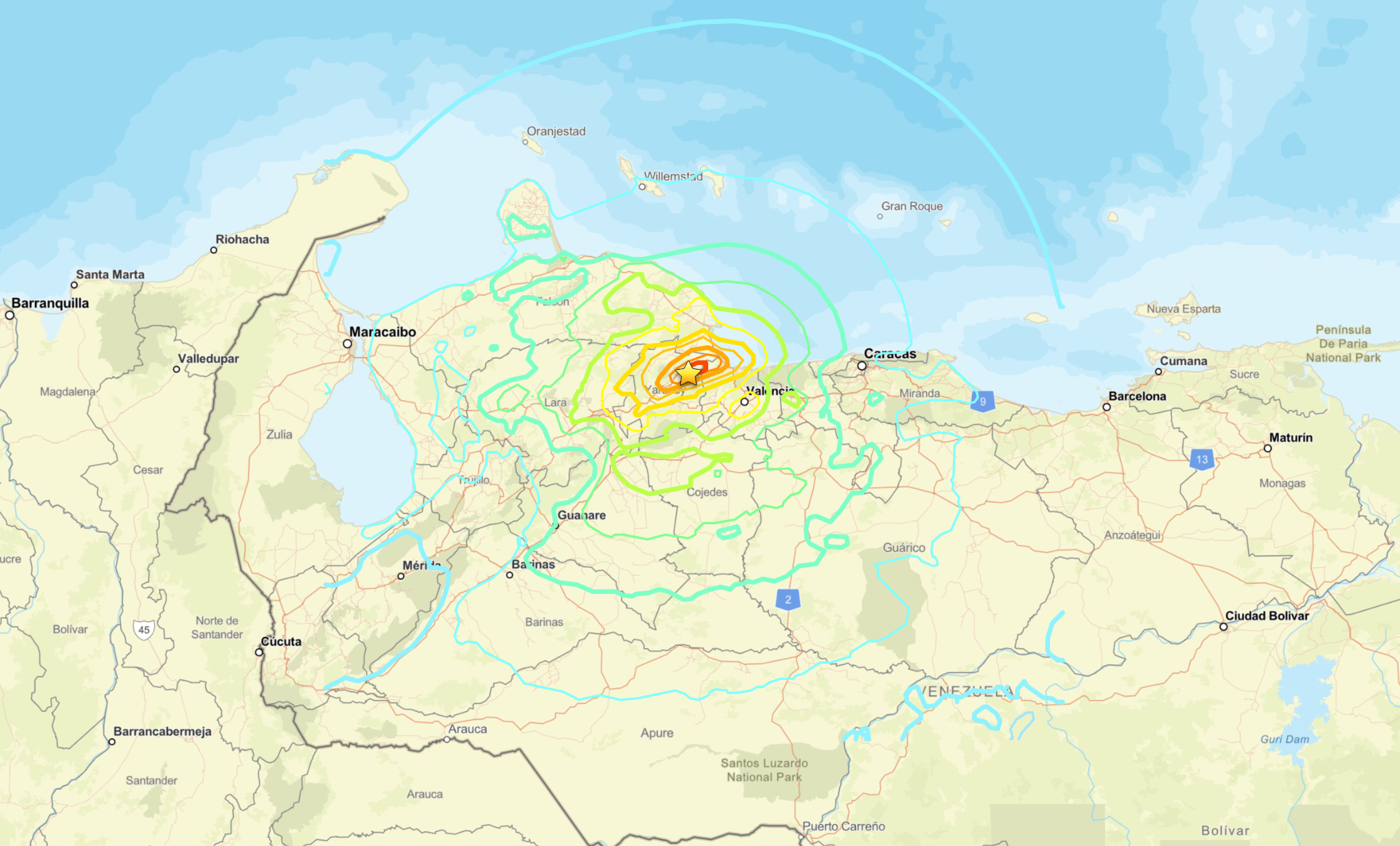
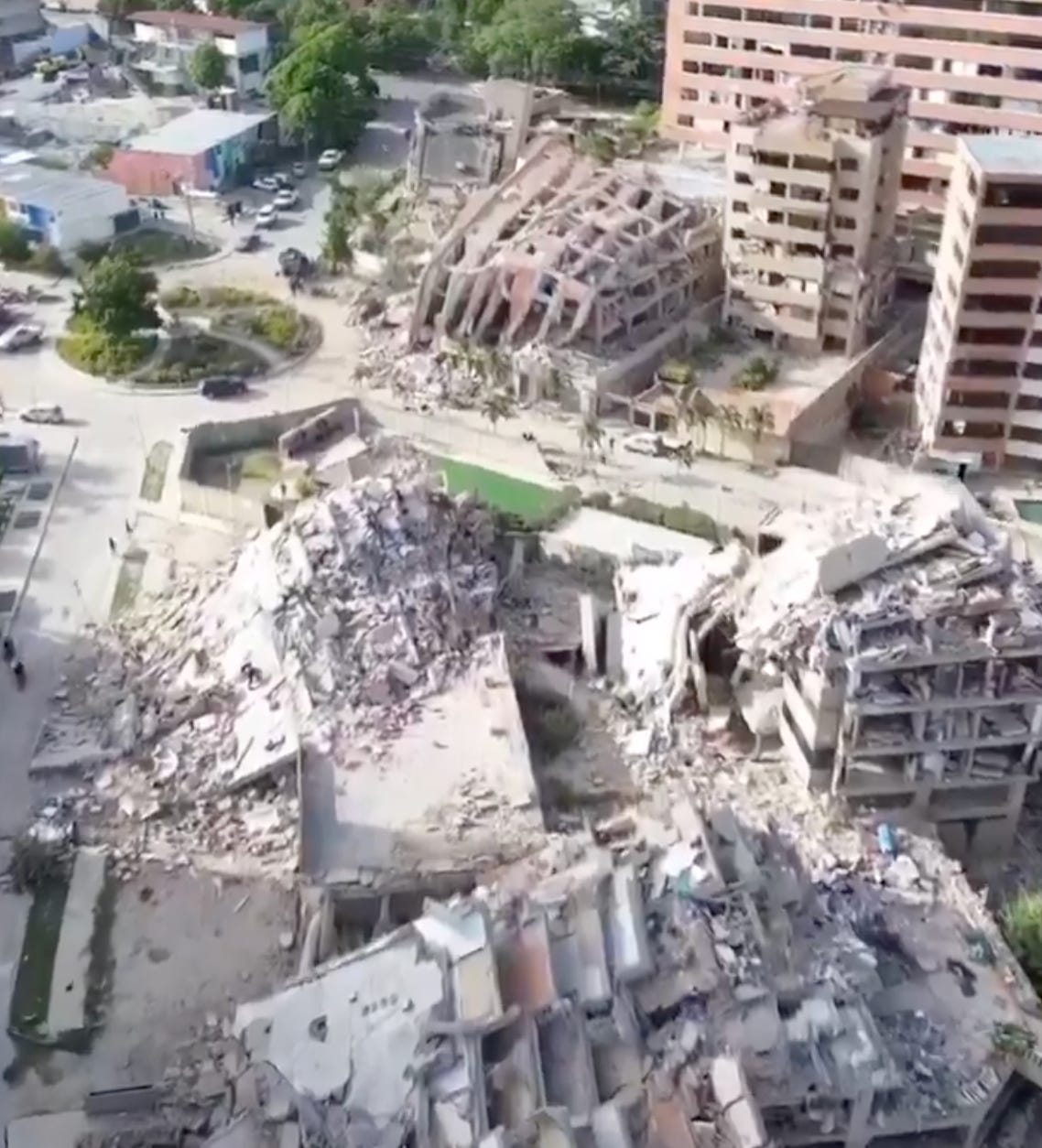
A catastrophic 7.2 earthquake hit Venezuela on Wednesday, followed by a 7.5 quake soon after. The second shaking lasted for over a minute in some places, bringing buildings down around the epicenter, which was about 160 km (100 miles) west of Caracas (metro pop: 5M), although Caracas’ suburbs were also hard hit. Over 900 people have been confirmed dead and thousands injured, but observers say the real number of dead may stretch beyond 10,000. Almost 50,000 people are unaccounted for. This photo essay , and this one , document some of the Collapsed structures and search efforts in the aftermath; or you can watch this before/after satellite image comparison to see the damage writ large.
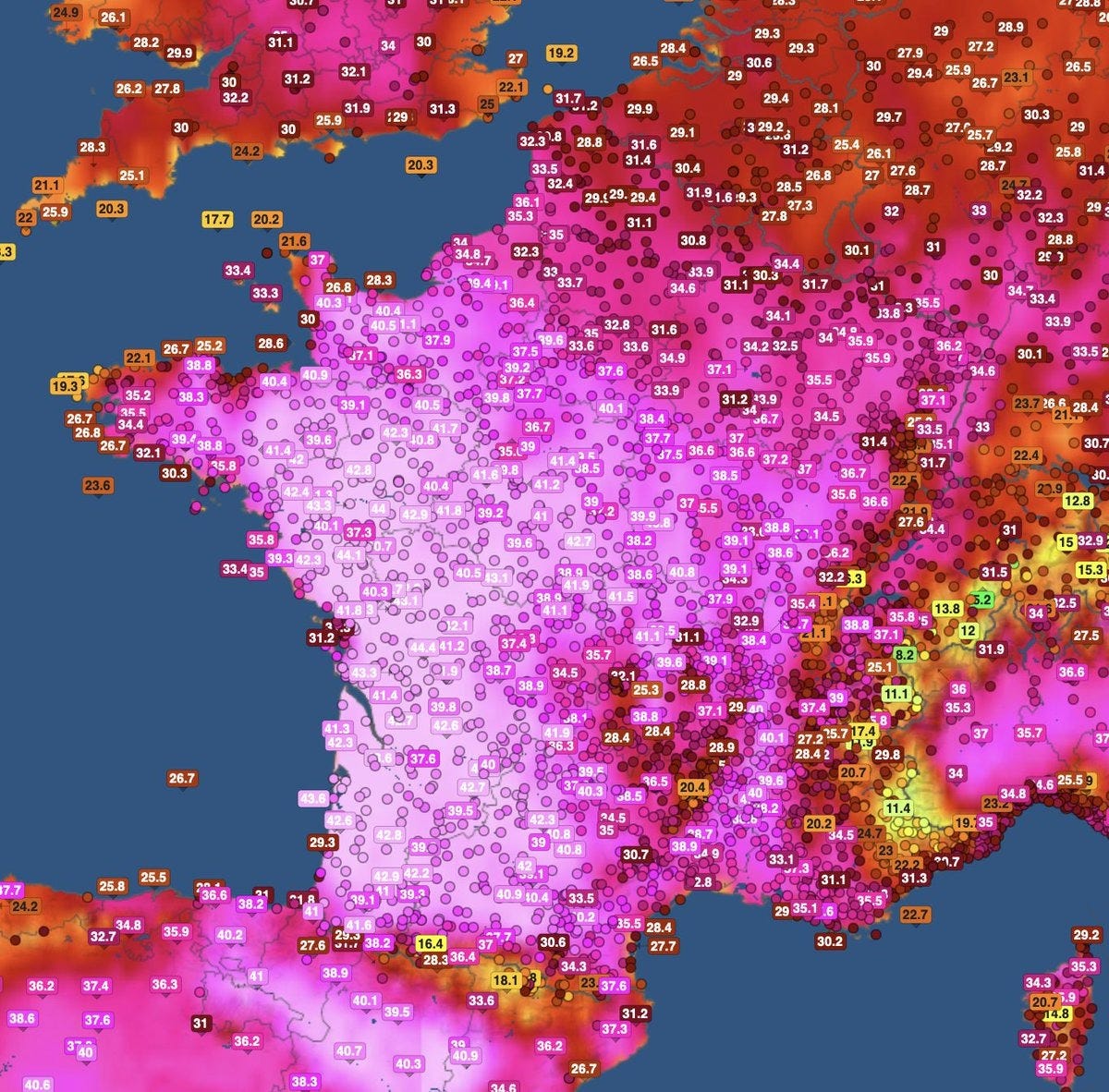
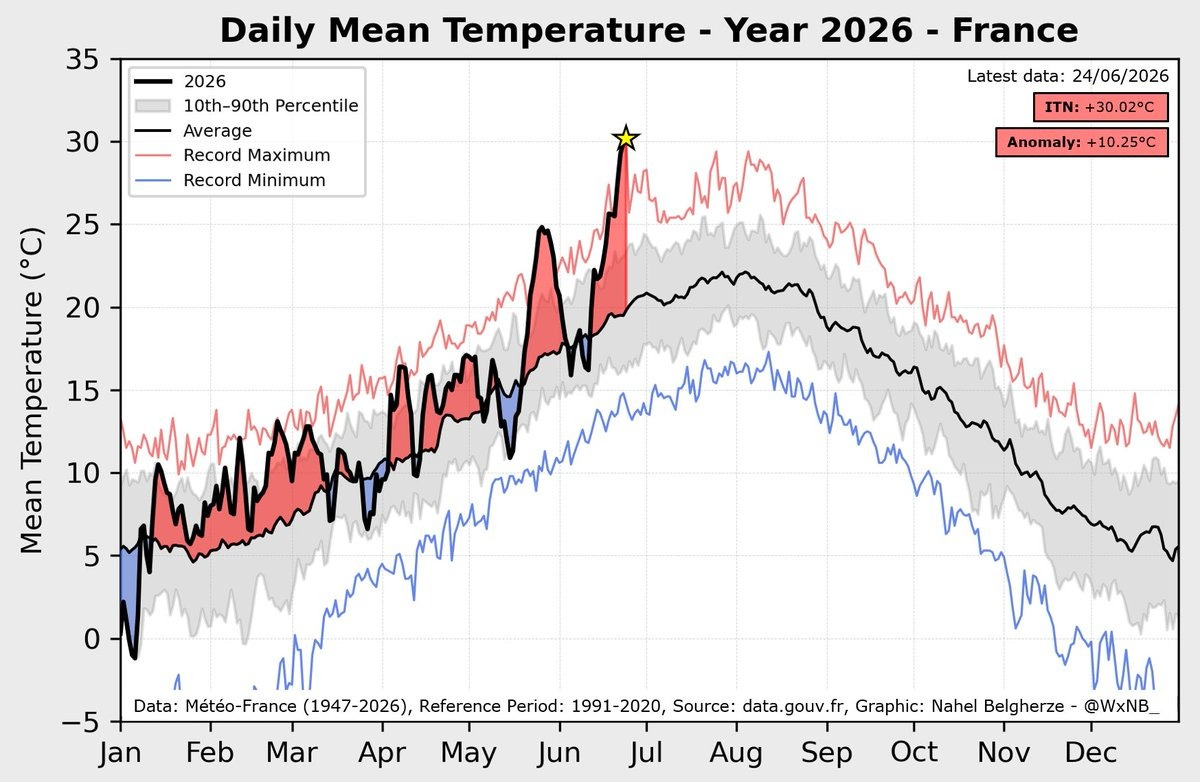
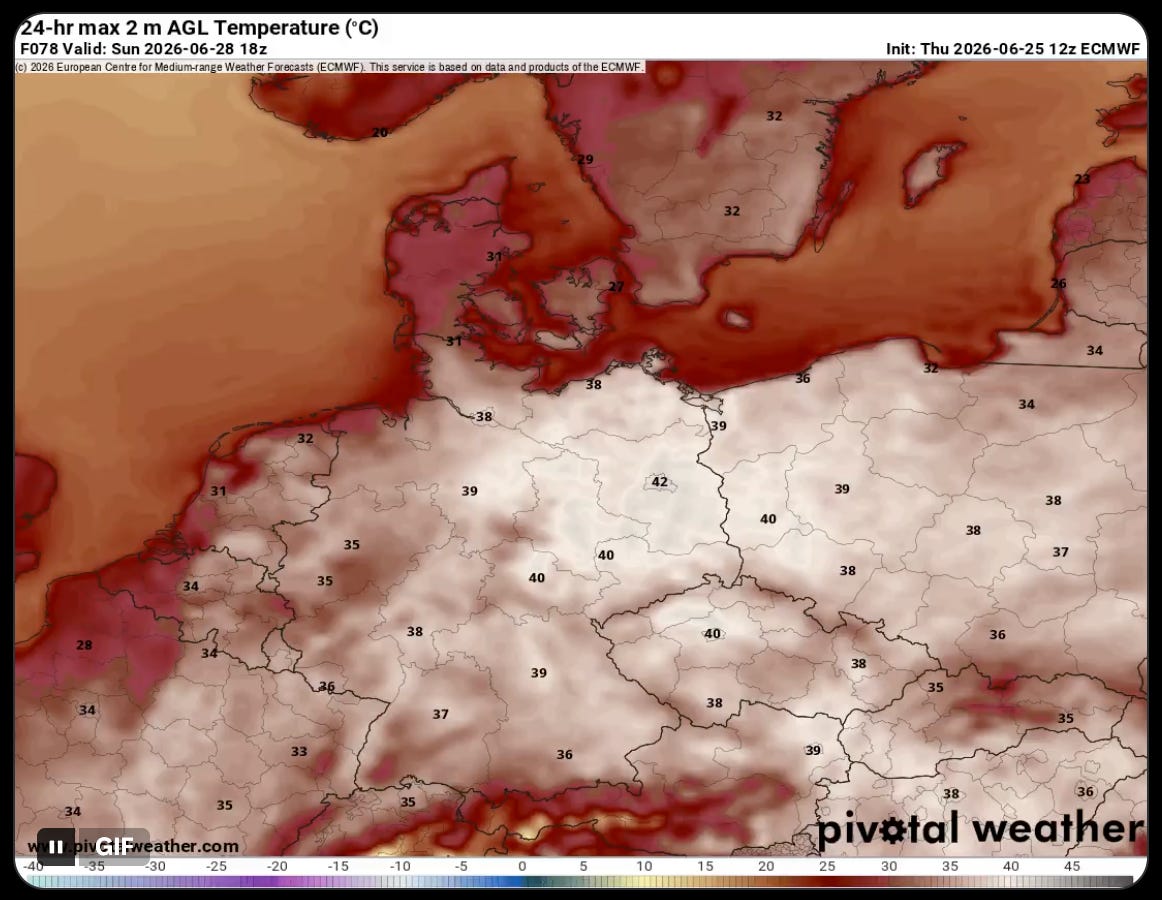
A vicious & unprecedented heat wave rolled through Western Europe, leading to at least 40 drowning deaths in France, mostly among young people seeking relief from the heat. Temperatures across France and far beyond surpassed 40 °C (104 °F); Paris shattered old heat records, the UK hit its all-time hottest June day, as did Switzerland, Germany set its all-time heat record at 41.5 °C (106.7 °F) and Belgium and the Netherlands and Luxeumbourg. Experts say the heat wave was nearly impossible just 50 years ago. And as bad as it is, the worst is yet to come.
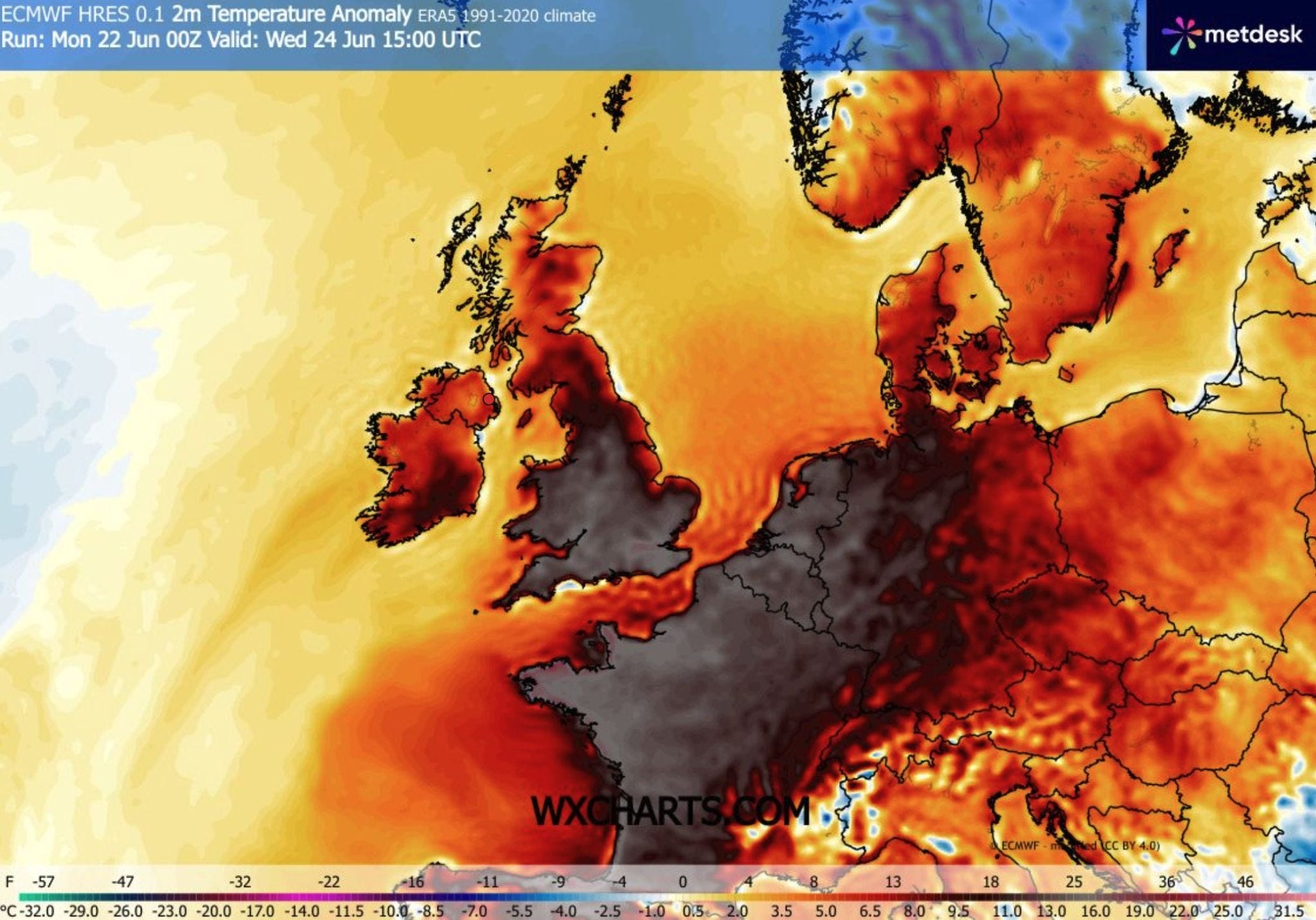
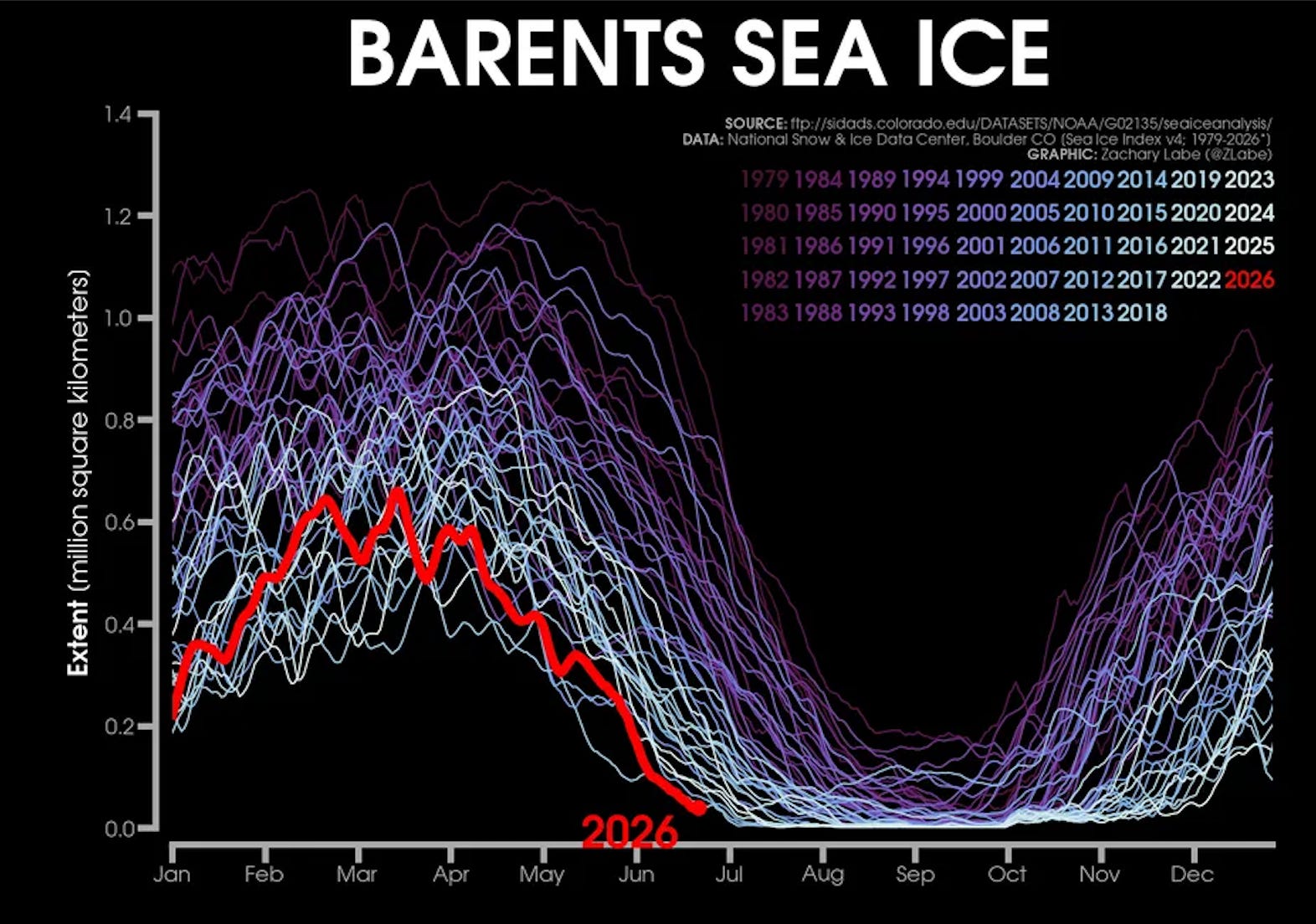
London set a record high dew point on Tuesday. One of Svalbard’s islands shattered its previous June record by over 9 °C, and the Barents Sea saw record low sea ice for this time of the year. Ireland set lots of new June records on Thursday, while Canada also set some new records in stations in its Arctic region. The state of Sinaloa in Mexico saw record warm temperatures. Lake Powell is at its record low, and falling every hour.
Another article on Antarctica’s mighty Thwaites Glacier (also the world’s widest glacier) profiles the rapid melt experienced since around 2000. Experts are concerned that the seawater surrounding the Thwaites is contributing to its melt, that the ice shelf fronting the Thwaites is unstable, that glacial fracturing is bad & accelerating, and that the overall situation is “going to lead to a rapid and catastrophic loss of ice from West Antarctica” towards the end of the century. If not sooner.
The summary of a Spanish-language study on climate change and migration found the two loose phenomena not as directly linked as assumed—though the data was less than conclusive and fraught with complexities. Sudden, large-scale events like flooding and wildfires tended to drive more international migration when compared to the slow-burn processes like Drought, topsoil erosion, groundwater depletion, etc. Climate migration tends to start as internal displacement before proceeding to international, though other dynamics like state size, economy, languages, can complicate this. The researchers conclude “that research on climate change and migration has not yet achieved sufficient consensus, due to the relatively recent nature of the discussion, the scarcity of empirical research, and the difficulty to achieve dialogue between different disciplines.”
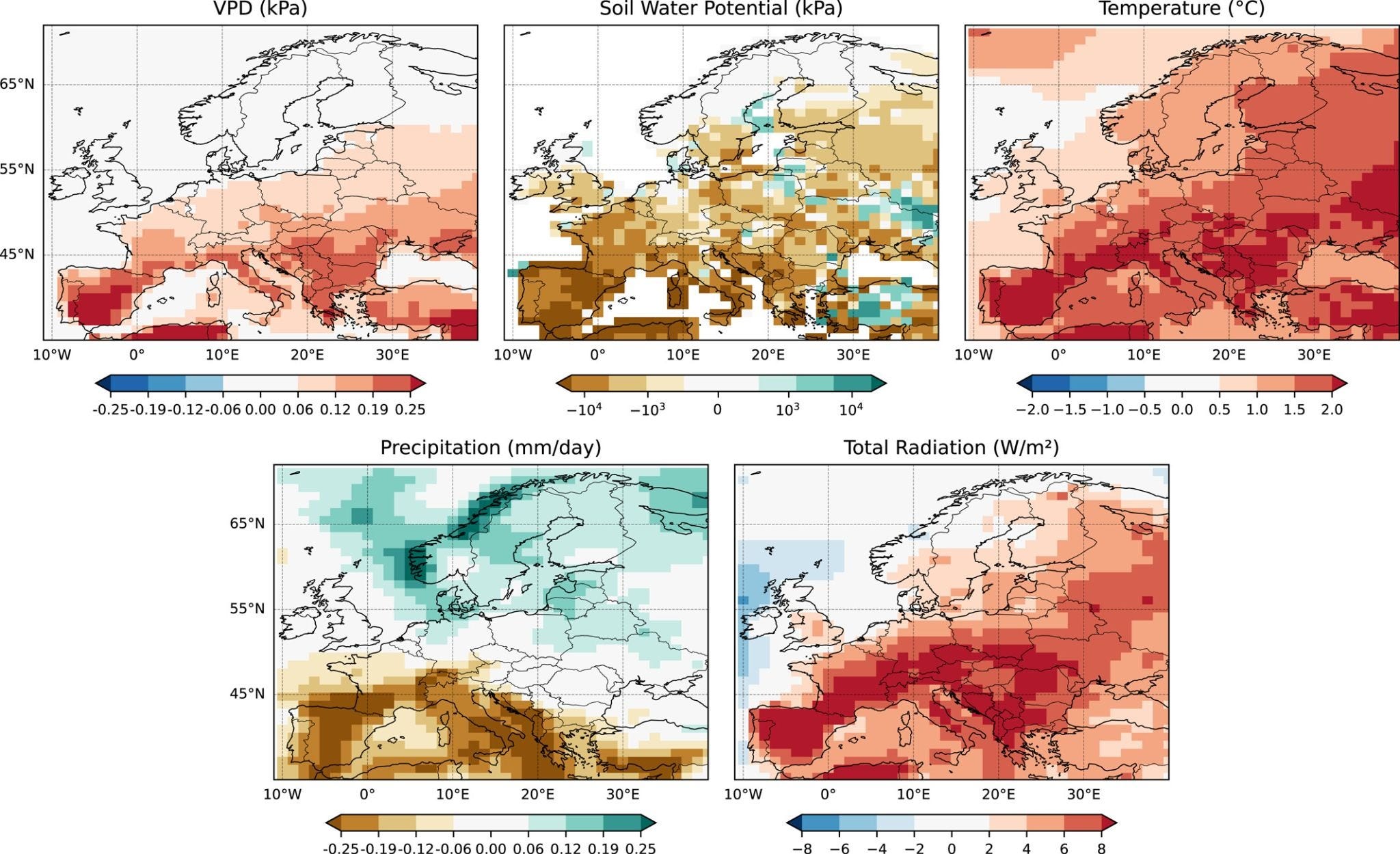
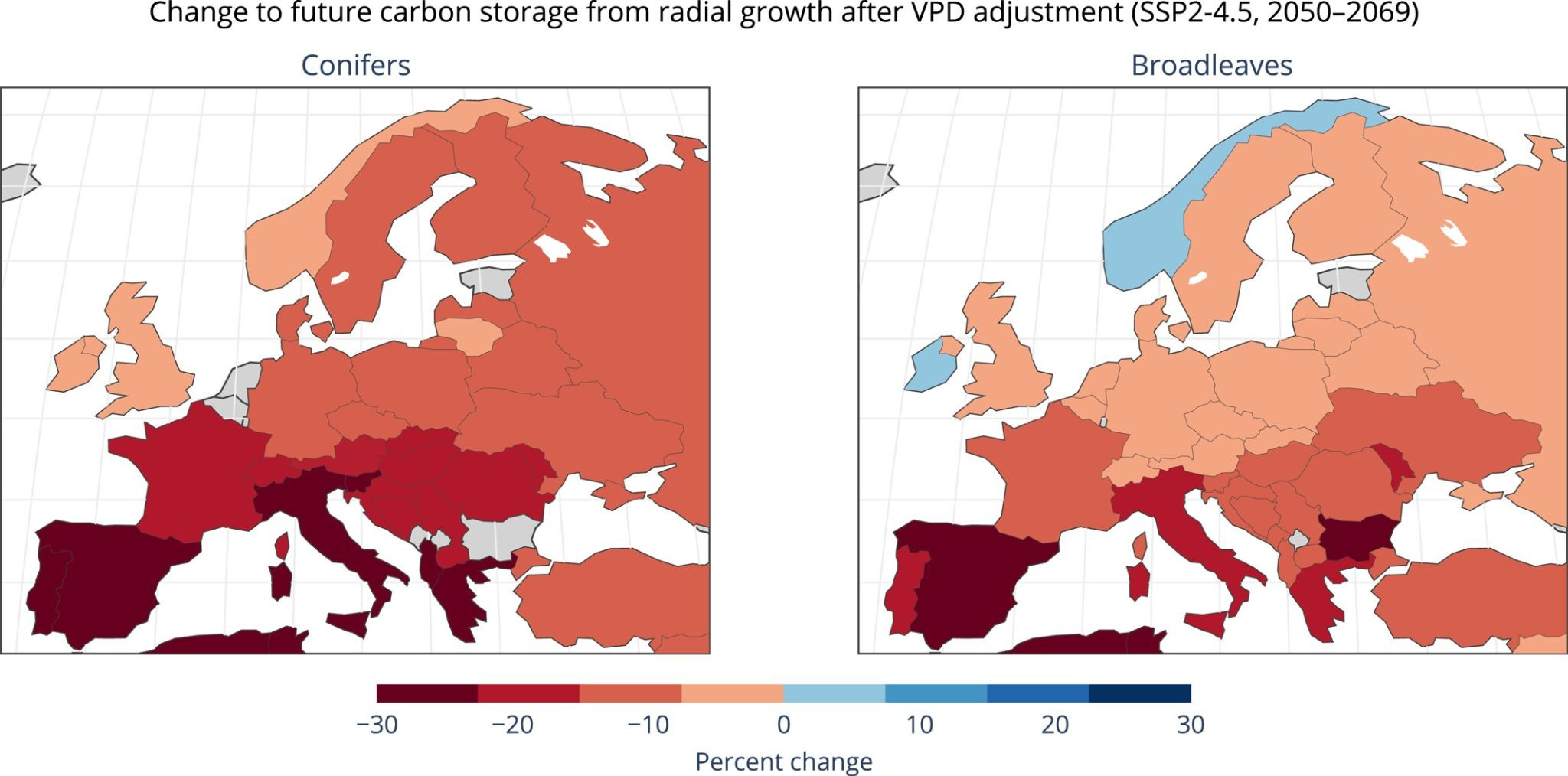
A study on carbon sequestration emphasizes that dry air will reduce tree growth, perhaps by as much as 30%. In related news, the website www.phys.org , where I find many articles and studies for these weekly newsletters, is creeping towards limiting access to websites using AdBlockers. Additional pop-ups suggest that the website may be paywalled in the not-too-distant future.
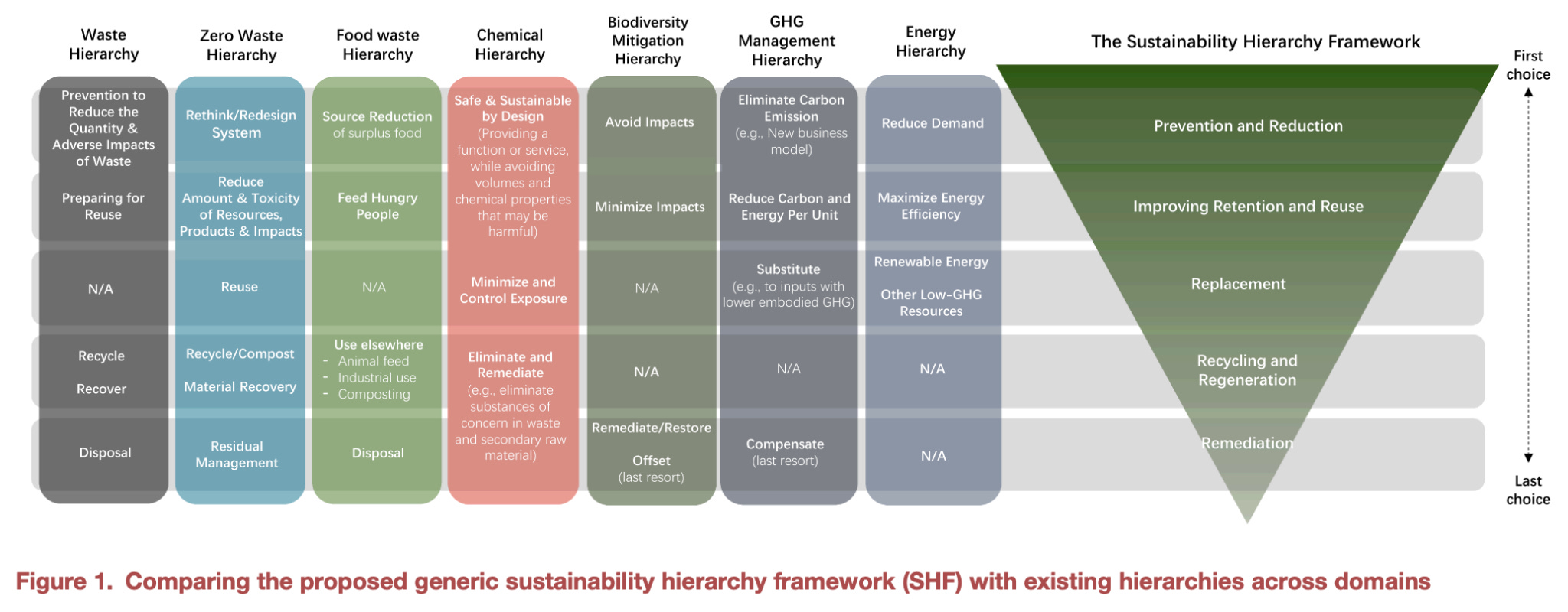
The Himalayas are seeing coal pollution pass through the mountains in summers, carrying smog from India as far as Tibet. The associated study confirms that heavy metals are also travelling in the pollution, spoiling the once untouched mountain glaciers. A study in iScience proposes a new hierarchy of sustainability “under conditions of accelerating socio-ecological risk and political backsliding.”
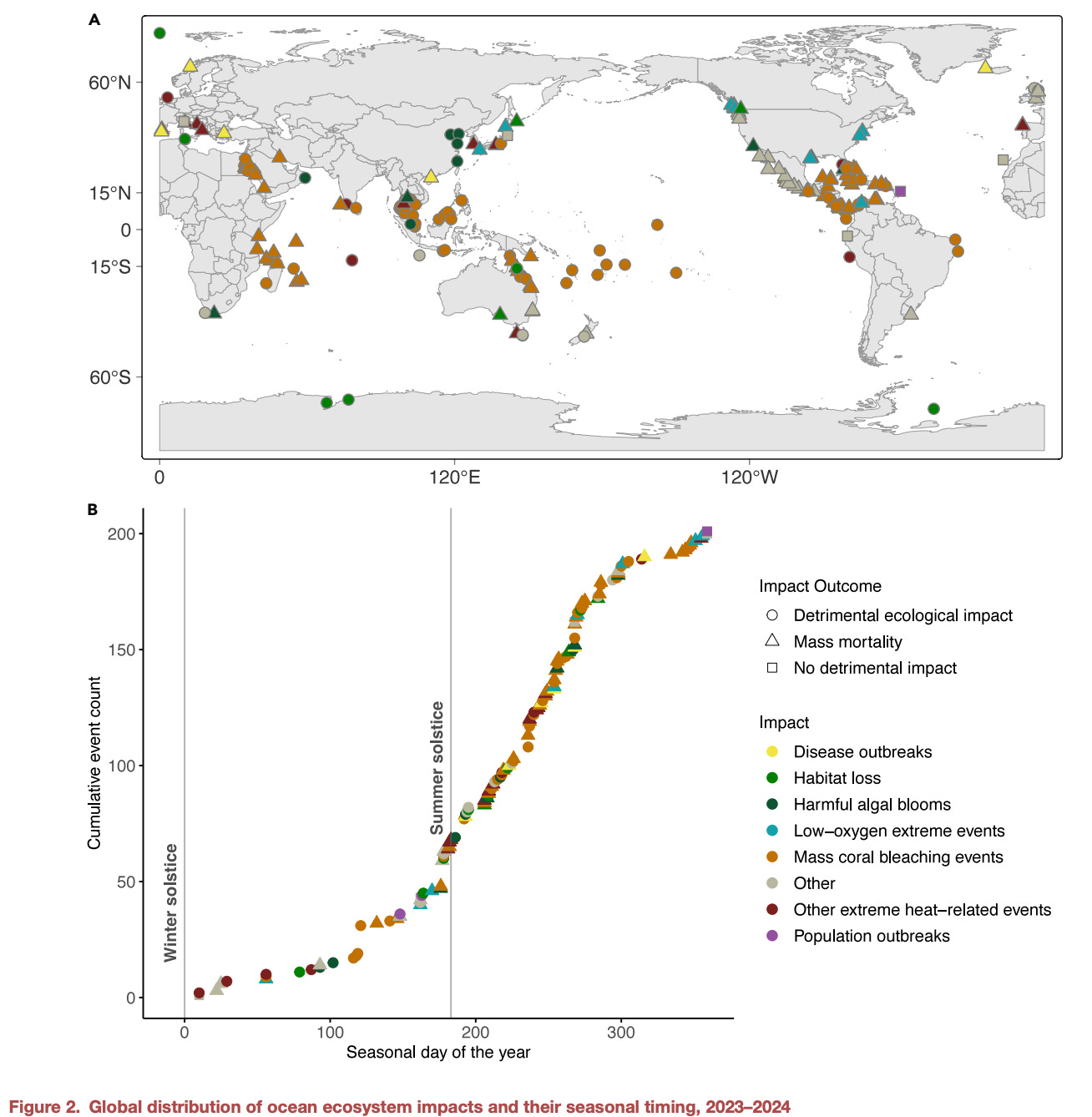
Another new study discusses marine heat waves, which from “July 2023 to June 2024, global mean surface air temperatures met or exceeded 1.5 °C above the 1850–1900 pre-industrial baseline for 12 consecutive months—an unprecedented event in over 170 years of instrumental records….In a climate system fully stabilized at 1.5 °C global warming, the globally averaged surface ocean is projected to equilibrate near 1.06 °C above pre-industrial levels.” They also identified 201 marine “ecological impact events” during the 2023-2024 period, mostly in the second half of the year, 98% of which were associated with abnormally hot sea surface temperatures, and 52% which “involved mass mortality of marine taxa.”
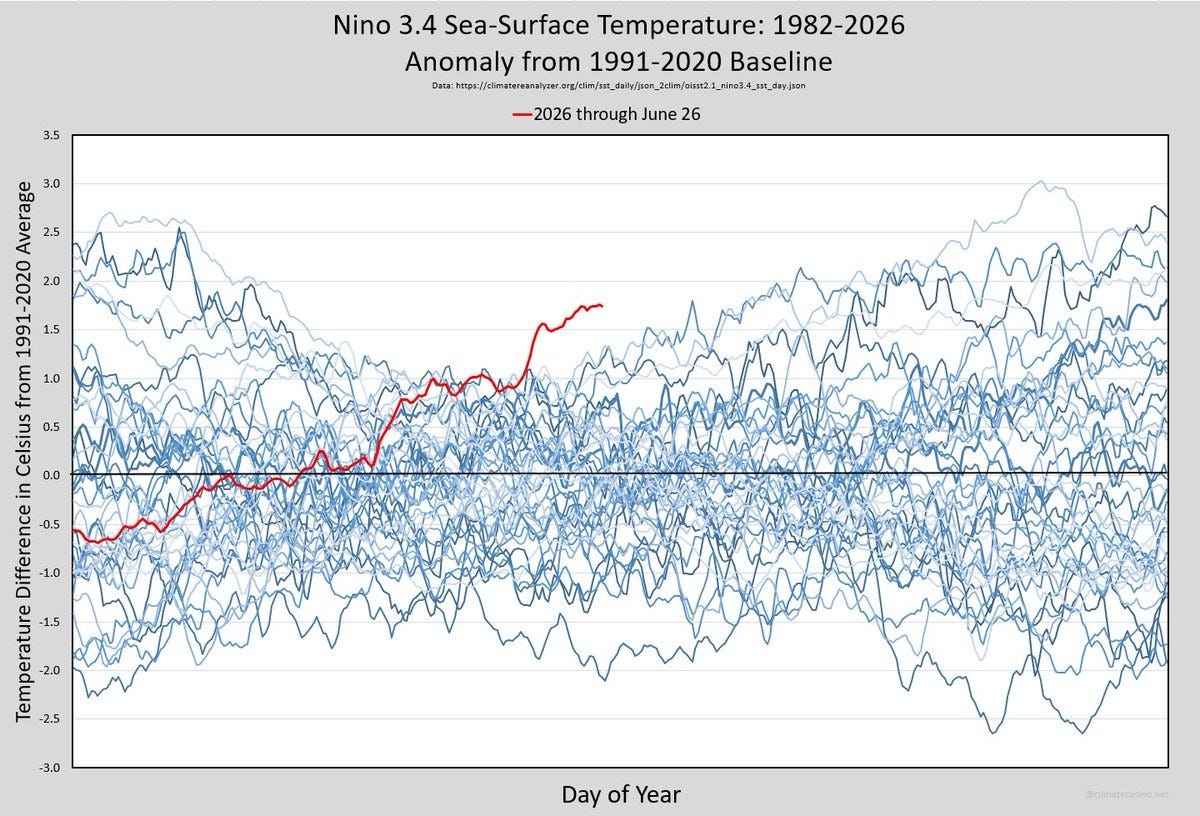
As Typhoon Mekhhala moved past Japan, the government evacuated some 2M residents; at least one person was killed by the storm. A storm in New Zealand, with winds measured in some places as 150kph, cut power to thousands of homes. Equatorial Pacific Ocean temps are above average, and rising, from the nascent El Niño….far above, 1.75 °C above.
Part of Poland is warning about potential wildfires after moisture levels dropped below 10% in several forests. Boston is facing its driest year on record—for the first six months, anyway. India saw flooding in Arunachal Pradesh kill one; a few others are still missing. Southern China and parts of Southeast Asia are seeing new June temperatures break old records.
——————————
Ebola cases in the DRC from the recent outbreak topped 1,000 on Monday, with 254+ confirmed deaths. It is now the second-largest Ebola outbreak on record, and about 300 people with Ebola have vanished in the DRC somewhere. A case was also confirmed in France in a man who had recently left Africa; the case is the first outside of Africa since the outbreak popped off.
A U.S. Supreme Court judgment blocked lawsuits against Monsanto concerning a popular cancer-causing pesticide. Iraq is threatening to leave OPEC unless the oil cartel raises its daily quota on oil extraction. Sri Lanka (pop: 23M) is grappling with a dengue outbreak that is causing 600+ cases each day, with over 50,000 cases nationwide since January.
Reports of some UK police engaging in predictive policing based on massive data collection and AI yielded mixed results, but police are still turbocharging their surveillance state. Britain is also ordering the removal of air conditioning units during their historic heat wave. And the UK is doubling tariffs on steel imports, pushing the price of building ever higher.
A hedge fund investor who bet smartly during the 2008-09 financial crisis is now shorting private credit markets, anticipating a financial reckoning. Tech companies experienced a selloff earlier in the week, which also cut Elon Musk’s fortune from over $1.2T to a mere $946B. When SpaceX saw a massive selloff and revaluation on Monday, the corporation set a new record for the greatest one-day loss in stock market history: over $400B.
Hormuz transits are scaling up a bit since the announcement of an Iran-U.S. ceasefire, though daily transits are still far below their pre-War totals of ~120 per day. An explosion at Qatar’s largest LNG facility—officially labeled an accident but almost certainly a consequence of Iran’s attacks—killed 13 people and wounded at least 66.
The Five Eyes coalition—the United States, Australia, the UK, Canada, and New Zealand—is demanding that governments “act now” to prepare for (and prevent, if possible) a serious and dangerous cybersecurity exploit, caused by bad actors using super-advanced AI models to harm businesses and governments. The full joint statement, rather short on details, posits that such a disaster may be coming faster than expected. “Frontier Al models are anticipated to exceed current industry expectations, fundamentally transforming both offensive and defensive cyber capabilities. The timeline is not years, it is months.”
Comments
Nothing yet. Say the first thing.
Sign in to join the conversation.