
This is Last Week in Collapse, a weekly newsletter compiling some of the most important, timely, soul-crushing, ironic, amazing, or otherwise must-see/can’t-look-away moments in Collapse.
This is the 238th weekly newsletter—available on Reddit here if you want to read/write comments. The July 5-11, 2026 edition is available here if you missed it last week. Thank you for subscribing to the Substack.
——————————
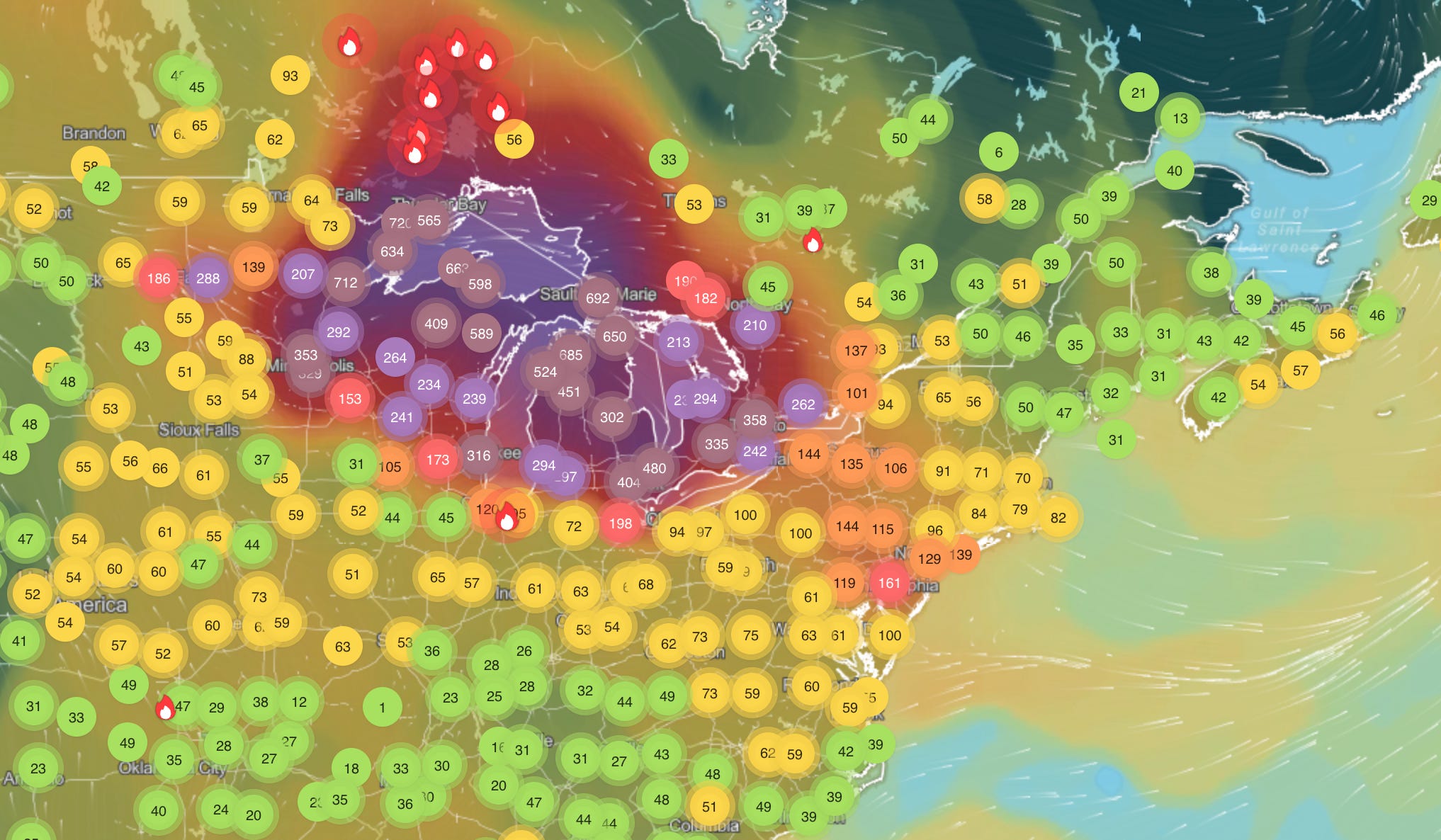
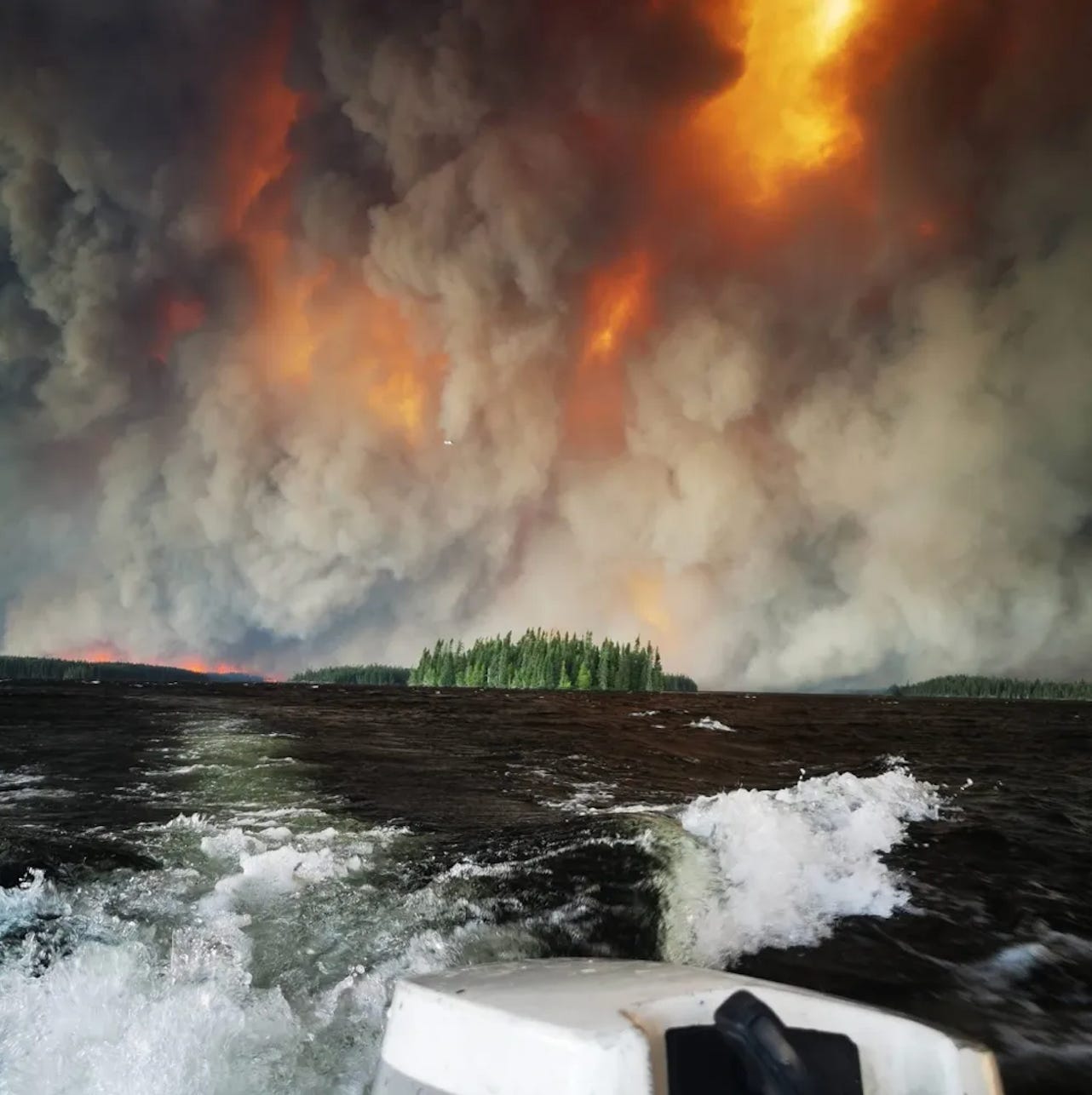
Wildfires across Ontario made the air in Toronto (Greater Toronto Area pop:7.8M) the most polluted in the world temporarily. Other wildfires in Minnesota and Canada contributed to orange-gray skies and widespread terrible air pollution, stretching and diminishing farther south past Washington DC. For some, the blazes looked like doomsday had landed. The White House claimed that “the United States is being unnecessarily invaded by filthy, polluted, and unhealthy air and suggested retaliatory tariffs.” Unsurprisingly, Thunder Bay set a new minimum temperature at 24.9 °C (77 °F). Additional heat records were also set across the U.S. in the first half of the week.
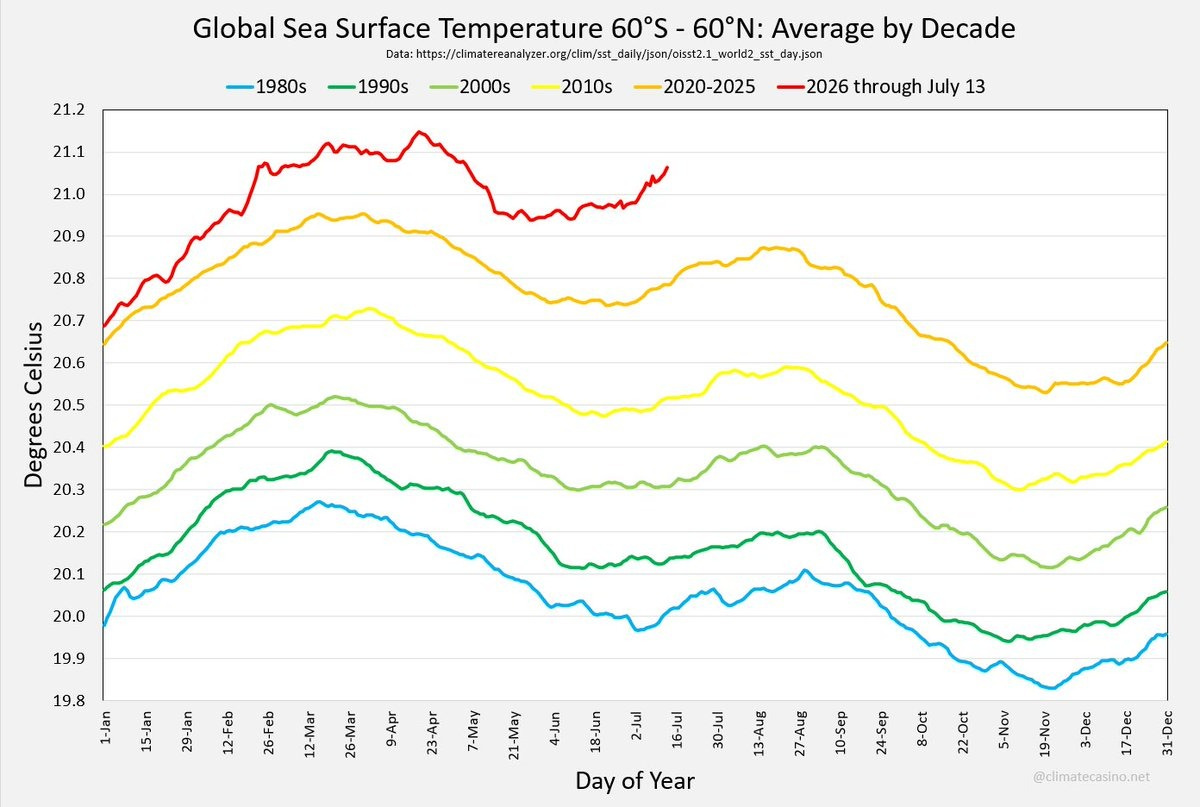
Heavy rains and flooding across Bangladesh for the past two weeks has now affected over 1.1M people, and accounted for 53 deaths as of Tuesday. France instituted water restrictions that are unprecedented for this time of the year, following an early Drought in the wake of recent deadly heat waves. Meanwhile, some sea surface temperatures in the Mediterranean hit 30 °C (86 °F) last week, while the North Sea saw temperatures over 20 °C.
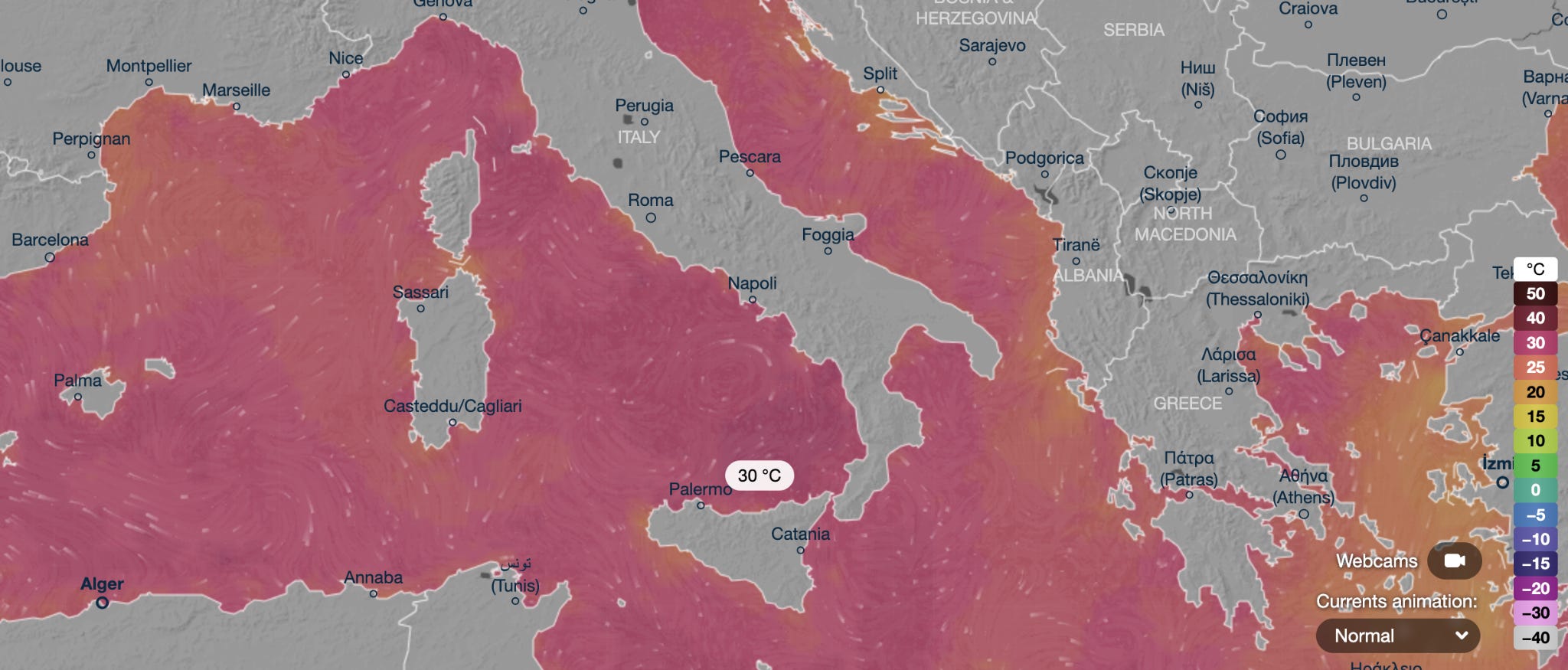
Although we don’t know everything about how marine heat waves impact marine life, we know the effects can be pretty bad. It can cause algal blooms, and shift migration patterns of various species, which also impacts the feeding habits of other fauna. Heat waves lead to coral dieoff, and interfere with sea plant life, and cause “thermal expansion,”, whereby warmer water expands slightly and raises sea levels.
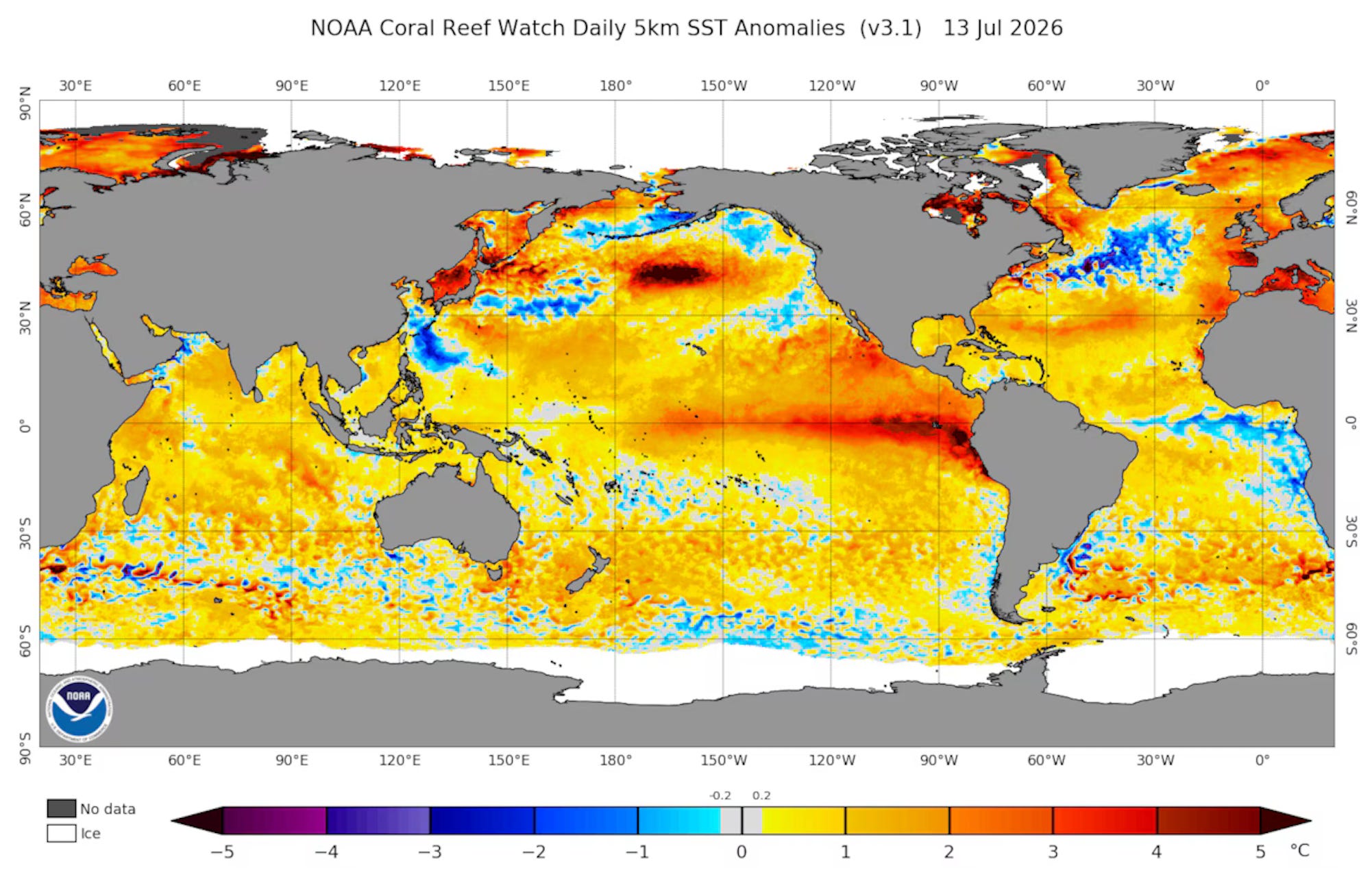
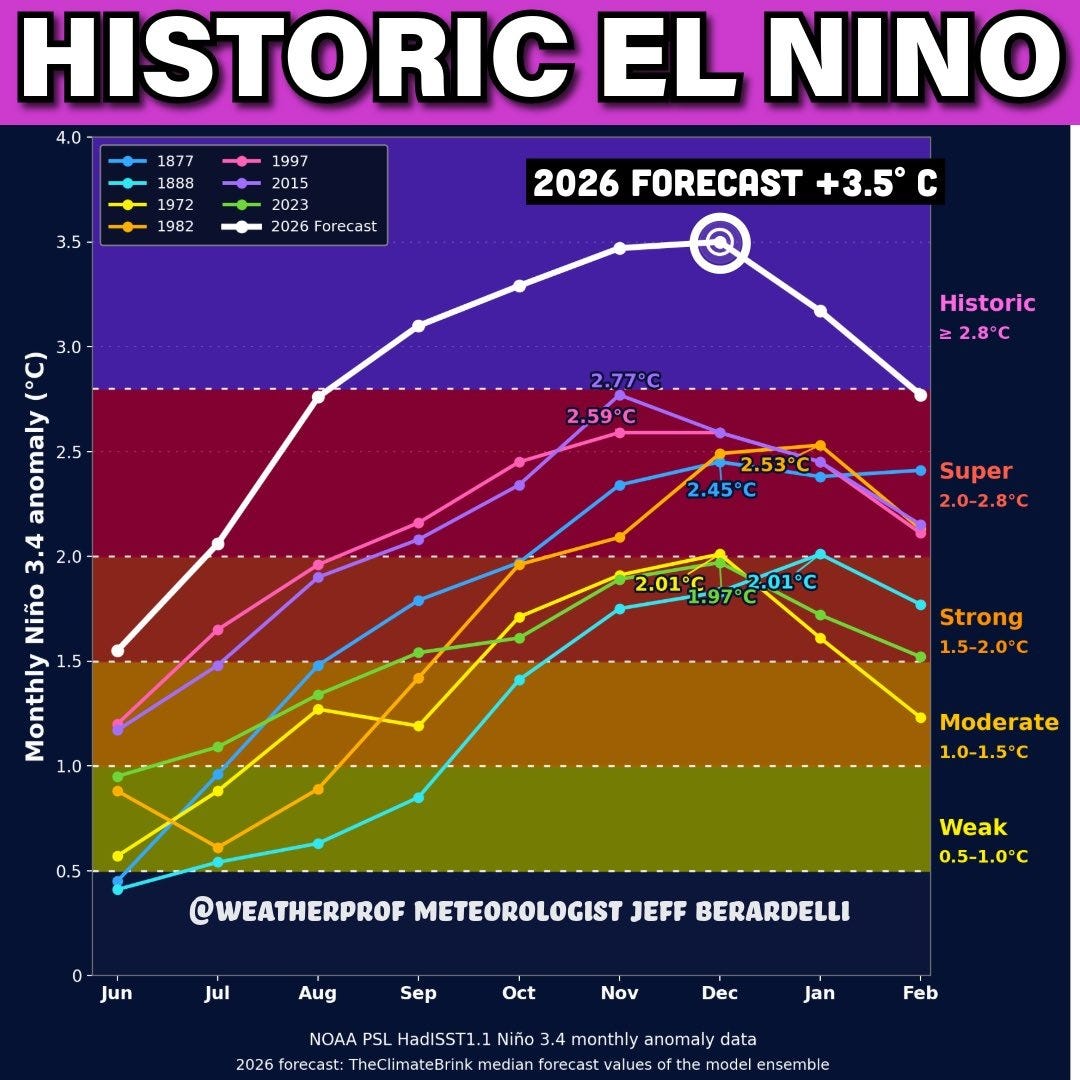
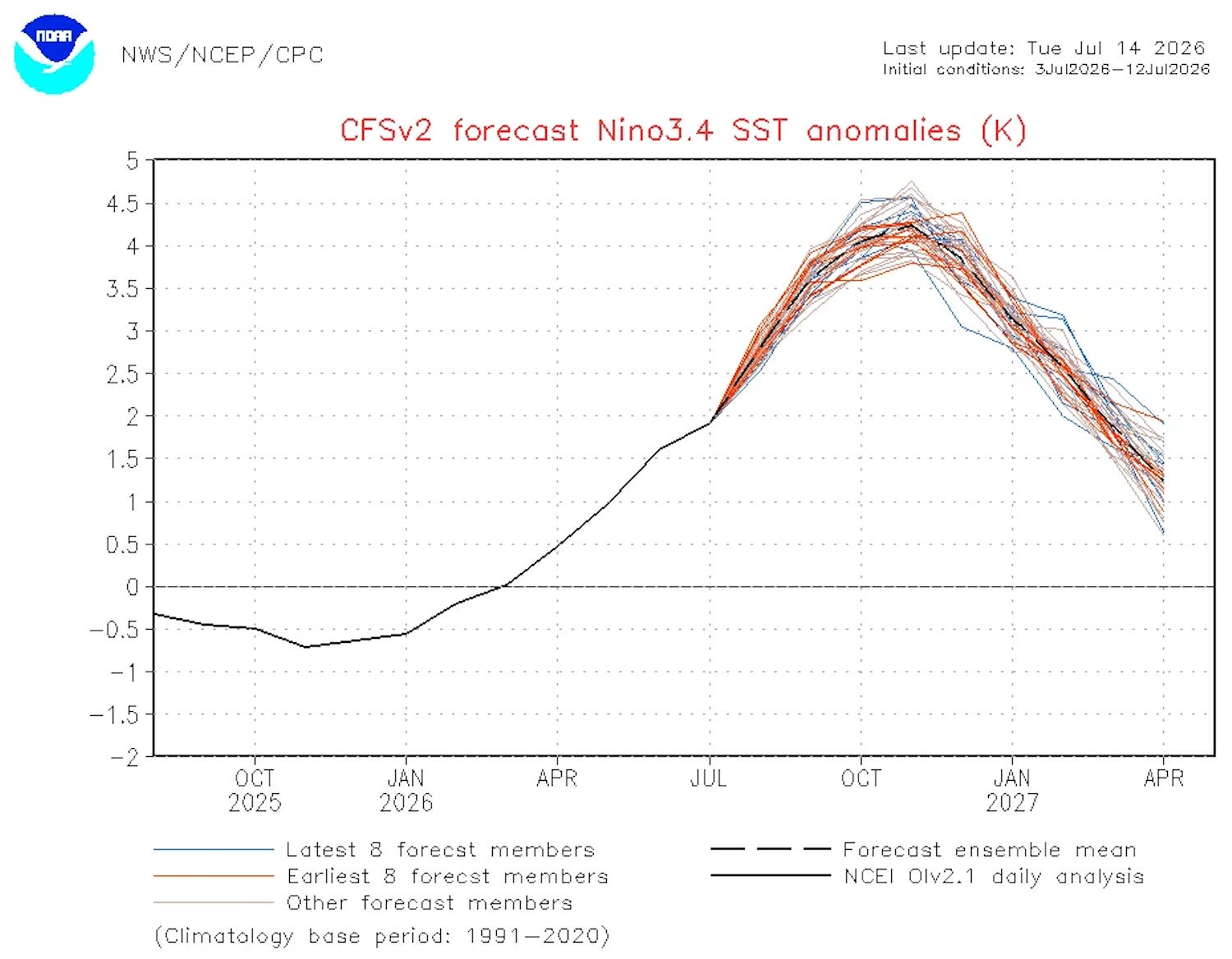
Some meteorologists think that a Super El Niño might actually aggravate winter storms in North America, leading to earlier and stronger snowstorms this year, just when El Niño is expected to peak. The reason is due to warming in the stratosphere (10-50 km above earth’s surface) disrupting the polar vortex and pushing Arctic air farther south. NOAA now says there’s an 82% chance that the El Niño will become “very strong” (aka Super) by the winter. This means that temperature anomalies in the sea surface of part of the Pacific Ocean will hit or surpass 1.5-2.0 °C (and they are currently 1 °C warmer than usual, and setting new daily records for weeks on end). Some people think it will surpass even the Super El Niño forecasts and move into historic territory, with 3.5 °C above non-El Niño conditions. Worst-case scenario thinkers say it could also cause a serious food crisis if a Drought-flooding whiplash damaged crops—particularly in Africa, South America, and India. It has happened before, once in the historical record, causing massive Drought and a global famine in 1877 that claimed the lives of 50M+ people, 3% of the planet’s human population. But we have 7,000,000,000 more people today…and a lot more knowledge, fossil fuels, and coordination.
A heat wave struck North Africa, bringing temps of up to 49 °C (120 °F) in Algeria. Iran set a new record that has also set the 2026 record for the hottest natural temperature: 52.7 °C (127 °F). Some places in Japan set all-time heat records, while in China, 20+ records were broken for July, with some temps hitting 46 °C (115 °F). Sites in Siberia set new minimum temps around 22 °C.
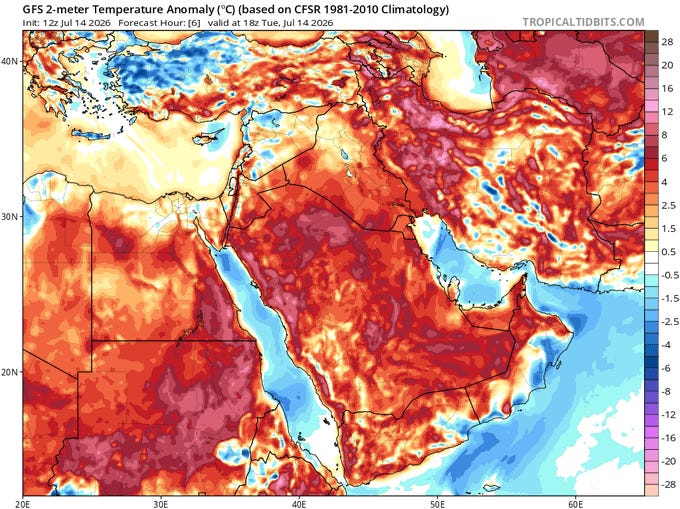
Spain saw temperatures hit 38 °C at dawn. Central Asia recorded temperatures over 48 °C in some places. A landslide in Chongqing (metro pop: 18.5M), the largest city in the world by area, killed 8 and left dozens missing. Part of Victoria, Australia saw a new July high, while part of Argentina reportedly saw a temperature exceed 40 °C in their winter… Meanwhile, a wildfire blazes not far from Manchester, UK, and Puerto Rico is imposing water rationing in the face of a serious Drought.
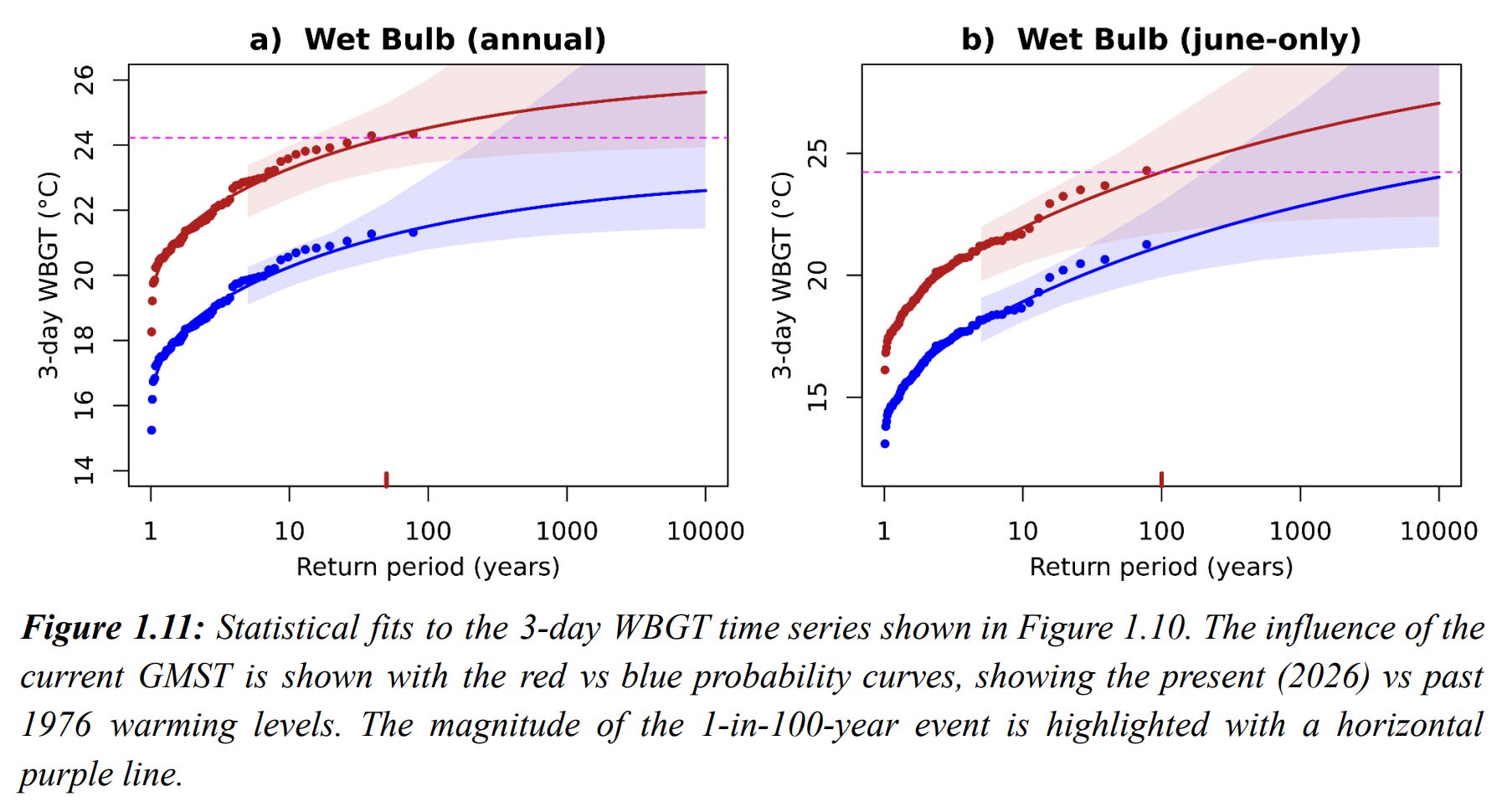
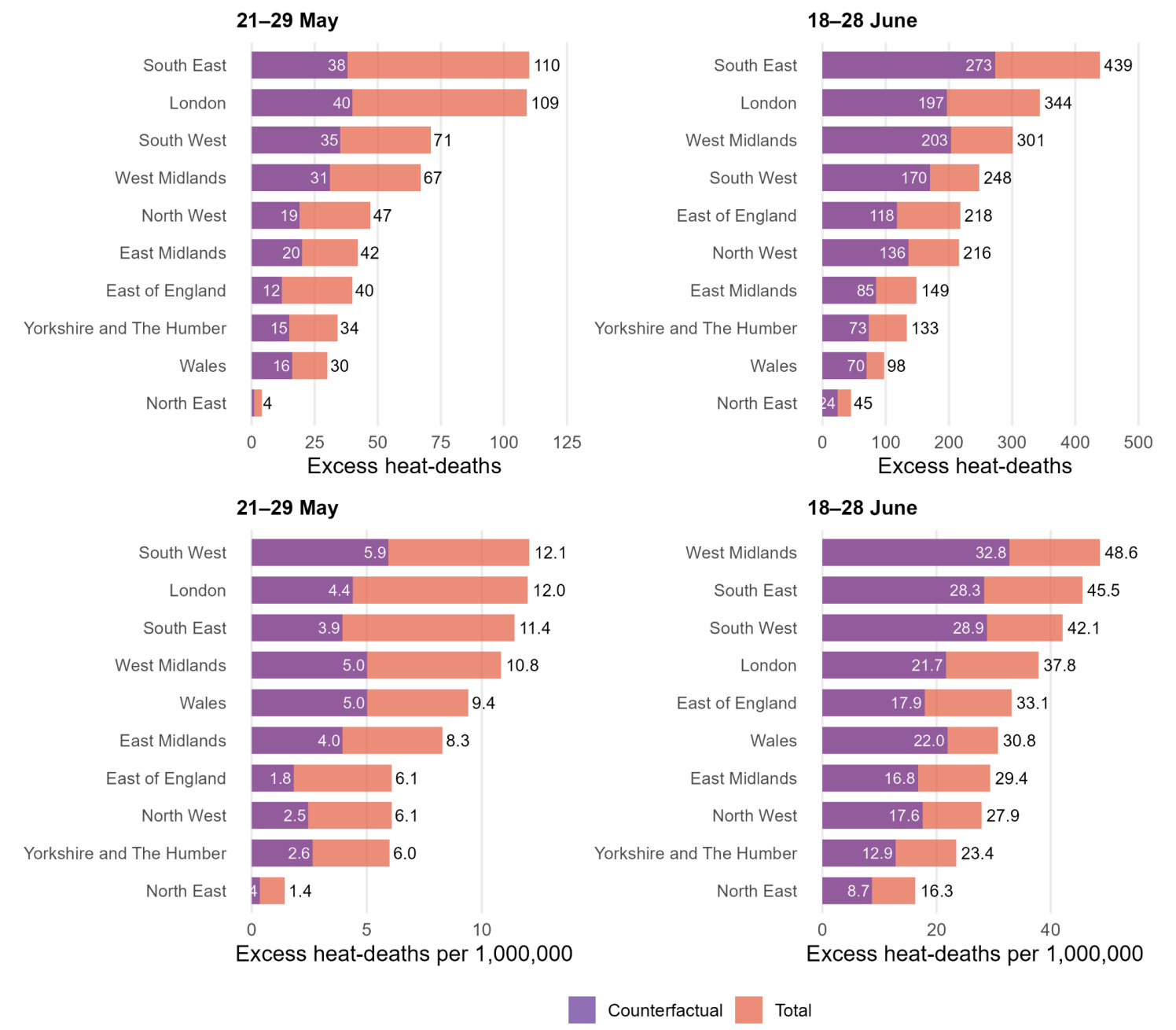
A news agency updated its count for the number of Europeans killed by the June heat wave: 12,000+ is the number now, though different countries calculate differently, and the number is probably higher still. A 42-page report from the UK on the topic now says 2,700+ people were slain by the heat across the Kingdom in May & June.
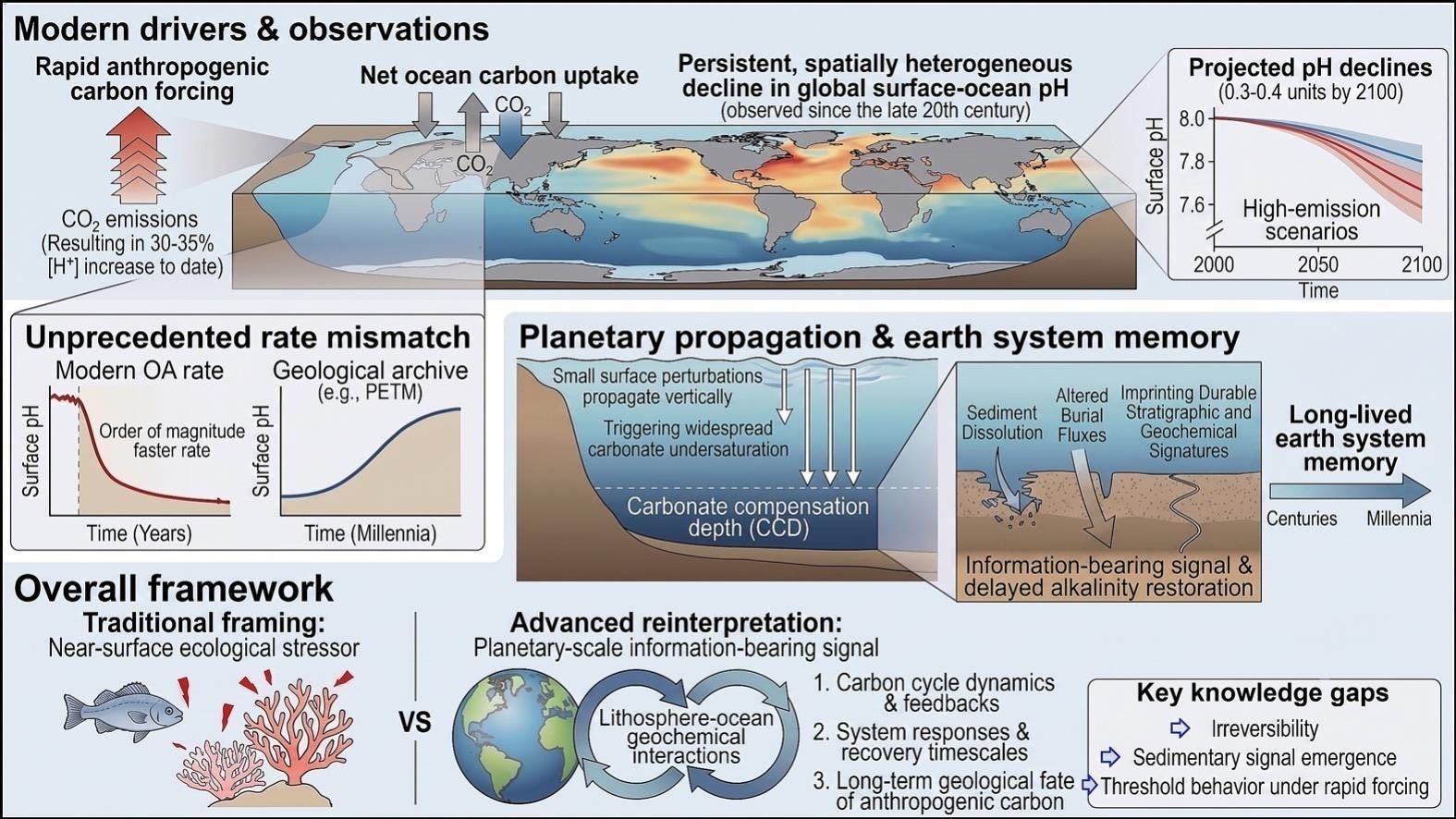
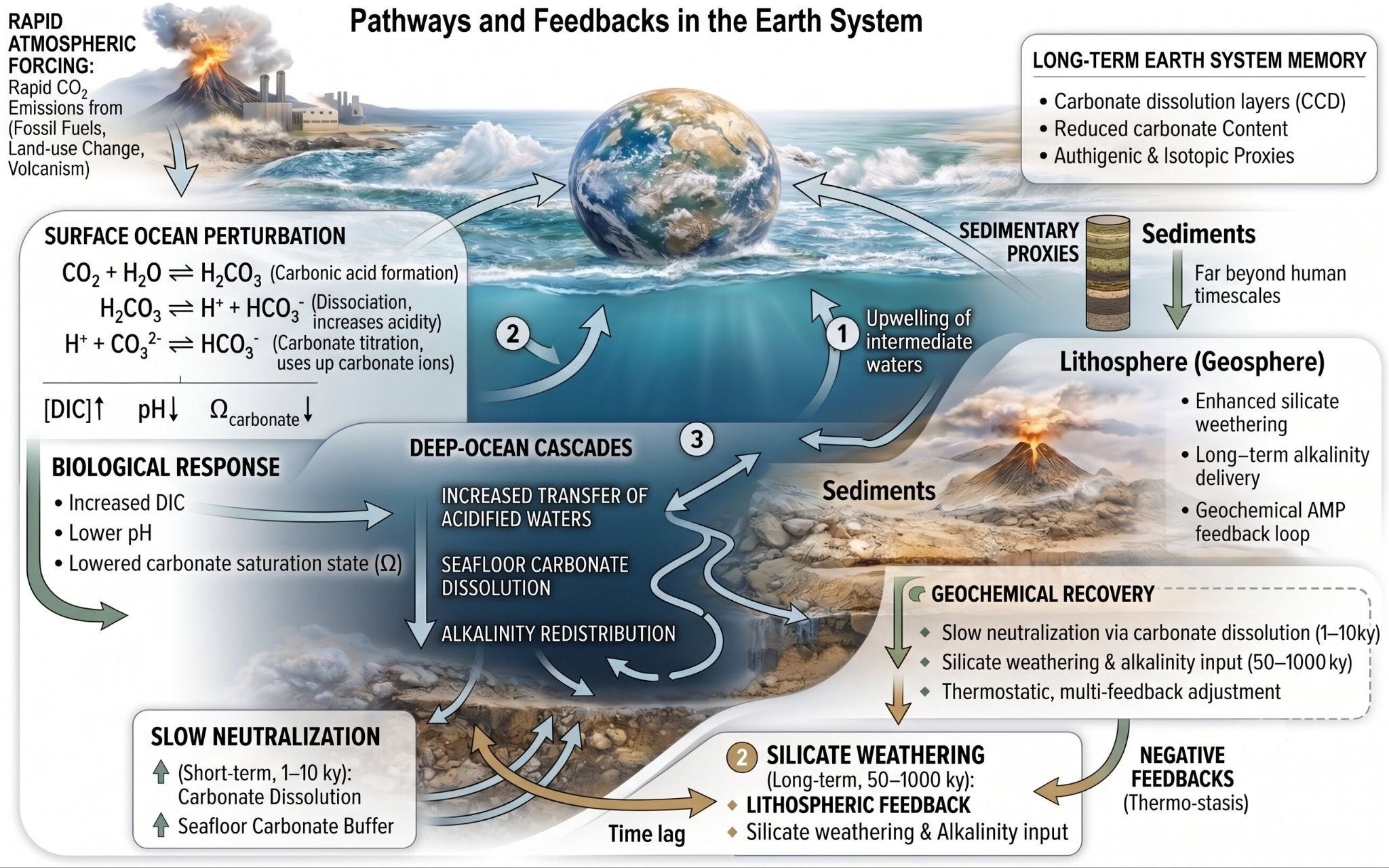
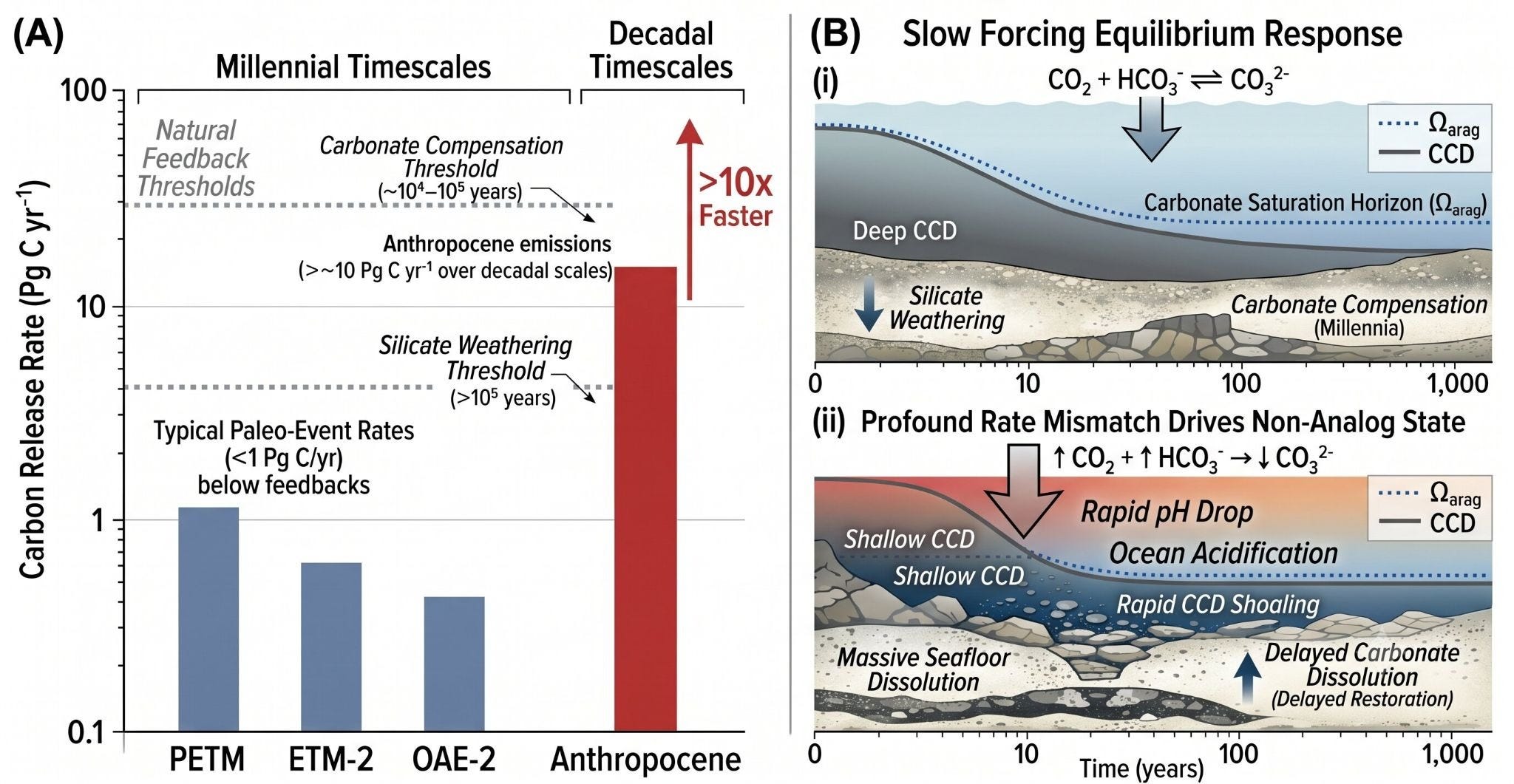
A forthcoming study on ocean acidification links the ongoing phenomenon to “earth system memory”—that is, long-term physical/chemical/biological impacts that are now part of our geological record. The study looks beyond the “decline in global mean surface-ocean pH since the late 1980s, documenting an unambiguous, observation-based signal of ongoing surface ocean acidification” and at chemical changes on the seafloor. Scientists can compare this to the Paleocene–Eocene thermal maximum, when earth’s temperature rose by 5-8 °C over a period of 3,000-20,000 years, and the ocean’s pH fell by ~0.46. The rebalancing of the oceans’ pH levels took tens/hundreds of thousands of years to occur—not something possible in a few years with ambitious human geoengineering.
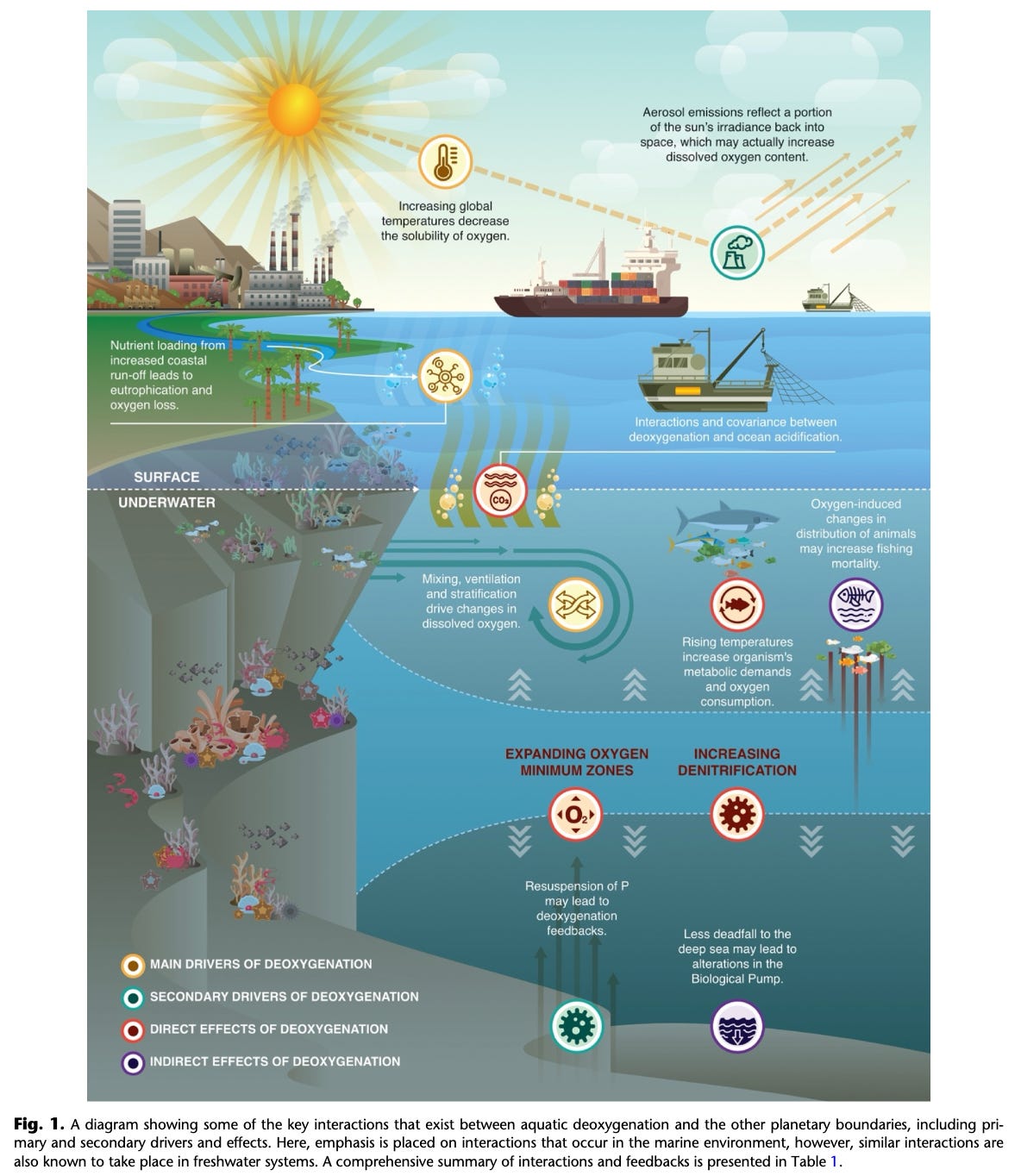
A study in Limnology {the study of inland aquatic ecosystems} and Oceanography proposes adding a new planetary boundary to the current framework: “aquatic deoxygenation.” The writers conclude that the phenomenon is more linked to the other boundaries than previously believed, and “argue that aquatic deoxygenation is approaching an ‘unsafe space,’ with Earth-system impacts that are likely to be irreversible in our lifetimes.” They propose four indicators that would signal that we have crossed the boundary, if this new category is added. This would round out the planetary boundaries at ten: Climate Change; Biosphere Integrity; Biogeochemical Flows; Land-System Change; Freshwater Change; Novel Entities; Ocean Acidification; Atmospheric Aerosol Loading; and Stratospheric Ozone Depletion; and Aquatic Deoxygenation.
“Severe oxygen depletion poses an acute risk of asphyxiation to most organisms that breathe underwater, and occasionally we are confronted with its lethal effects in the form of mass fish kills and coastal ‘dead zones.’...critically important ecological processes play out in the first few partially oxygenated millimeters. As oxygen declines, so does the abundance of multi-cellular life….aquatic deoxygenation is mechanistically linked to all other planetary boundary processes such that even relatively modest declines in DO {dissolved oxygen} have the potential to propagate across the Earth system and undermine climate and ecological stability….the multiple feedbacks between aquatic deoxygenation and the other planetary boundaries, long-term memory of aquatic systems, and limited recovery pathways for DO strongly suggest escalating planetary-scale risks…” -excerpts from the study
——————————
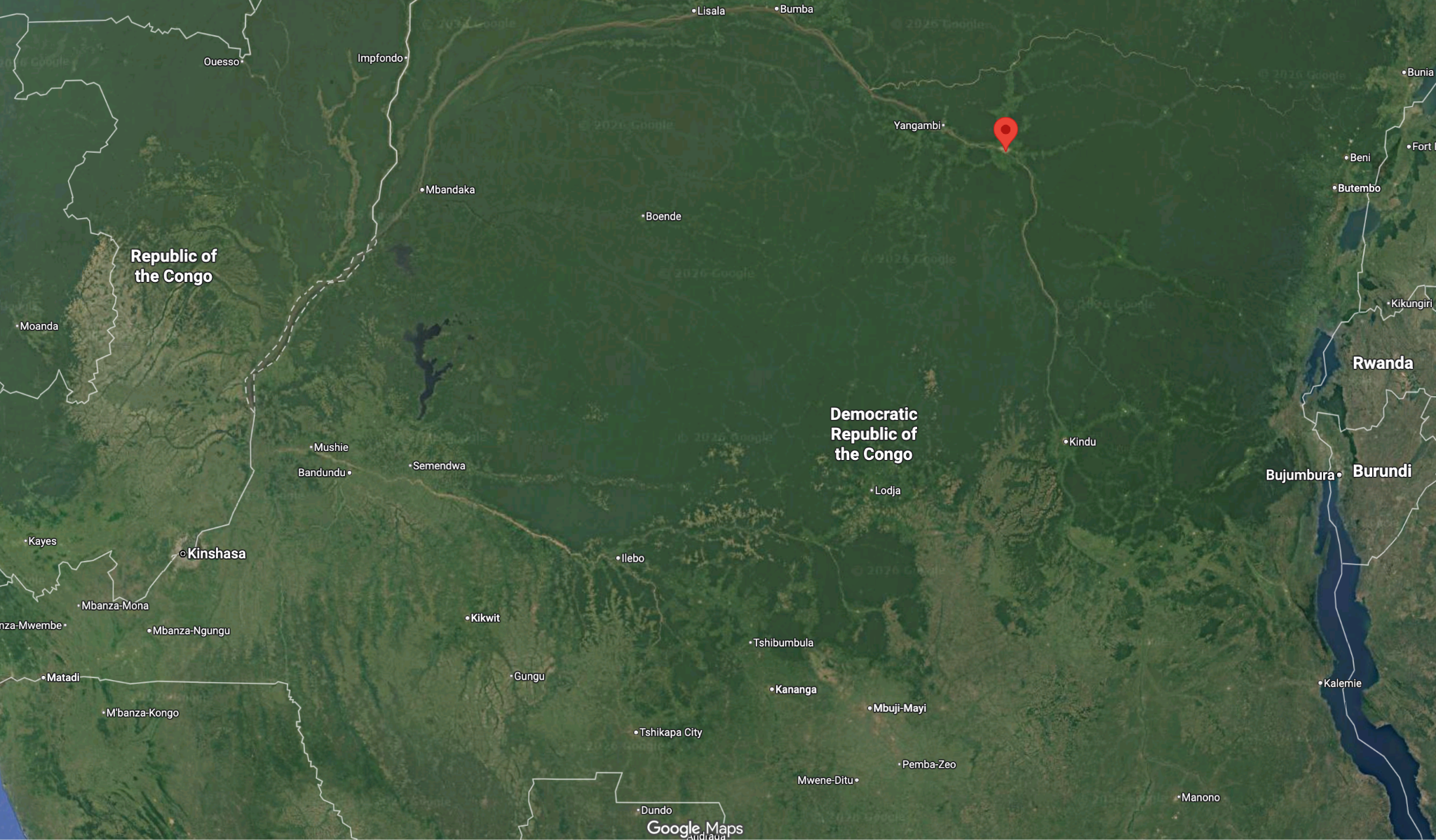
The Ebola outbreak in the DRC passed 2,000 confirmed cases, along with 700 deaths. Over 80% of new cases are coming “from unknown chains of transmission,” according to one WHO doctor. Ebola has also spread to two new provinces of the DRC close to South Sudan, though it remains concentrated in Ituri province (pop: 4M). Ebola has also appeared in Kisangani (pop: 1.6M), concerning those who think the virus might travel in humans down the long river towards Kinshasa (pop: 22M) and wreak havoc. The WHO says they only have 40% of the $115M they need to respond properly to the Ebola outbreak.
The UK is advising its people to prepare in the event of “significant and prolonged disruption to essential services” coming from extreme weather. Across much of Europe, reserves of LNG are getting harder to fill up because the Iran War pushed prices up 70%+ for the continent, which historically bought a lot of Qatar’s LNG.
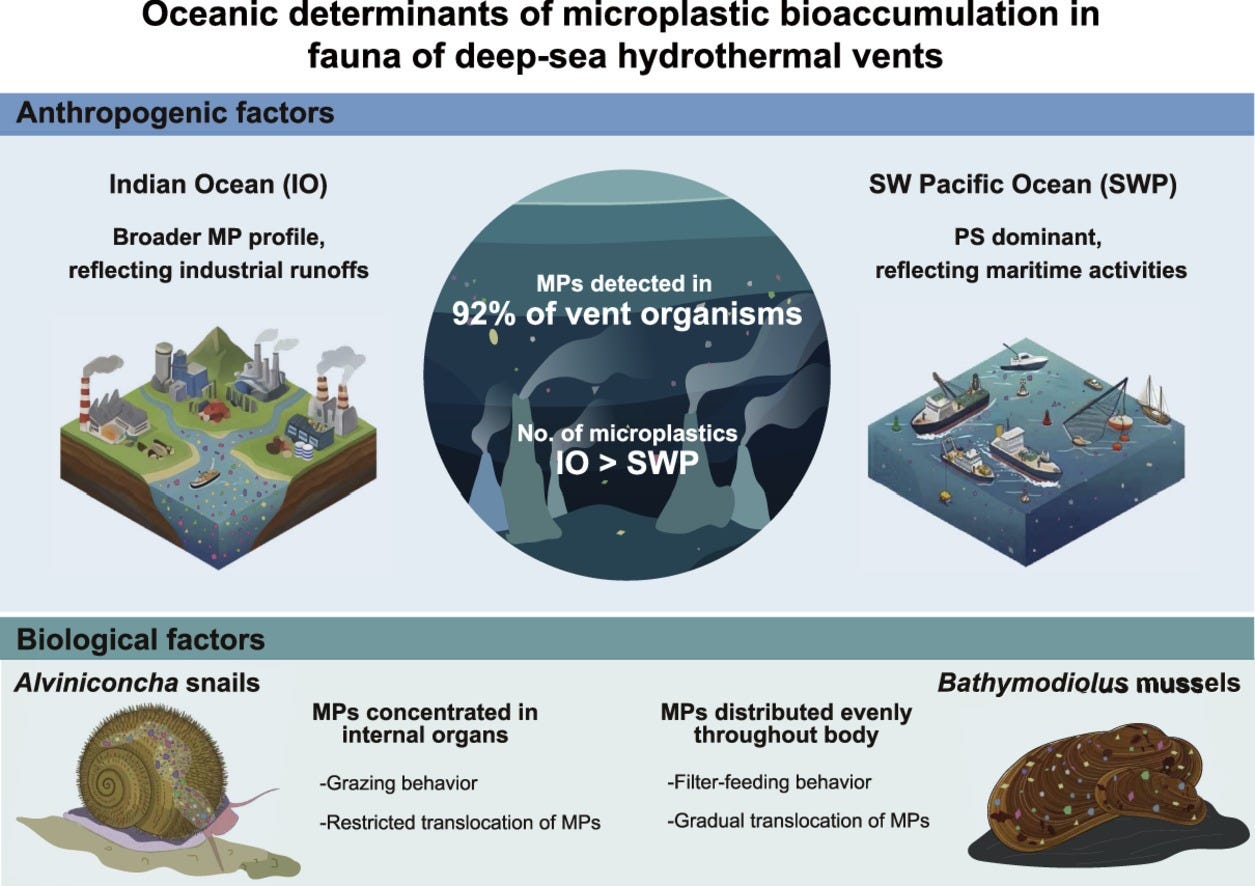
An upcoming study found microplastics in the deep-sea fauna that live near hydrothermal vents; 92% of samples were contaminated, with an average of over 3 microplastics per individual. Interestingly, “the total abundance of MPs in Indian Ocean specimens was approximately 1.9 times higher than in Pacific Ocean specimens, despite the latter being four times larger, reflecting distinct regional anthropogenic pressures…global plastic production has exceeded 8 billion metric tons, a significant portion of which persists in the environment as long-lasting waste.” More than 90% of the oceans are deep-sea (deeper than 200 meters).
Though new cases of the New World Screwworm are down in Texas livestock compared to June, some people are worried about feral hogs carrying the parasite farther north—and there are over 2.6M wild hogs estimated in Texas alone. Canada has blocked the import of a wide range of animals from Texas out of caution. The Screwworm has not yet been confirmed in any wildlife in the U.S. so far.
Comments
Nothing yet. Say the first thing.
Sign in to join the conversation.