
This is Last Week in Collapse, a weekly newsletter compiling some of the most important, timely, soul-crushing, ironic, amazing, or otherwise must-see/can’t-look-away moments in Collapse.
This is the 241st weekly newsletter—available here on Reddit. The July 26-August 1, 2026 edition is available here if you missed it last week. Thank you for subscribing to the Substack.
——————————
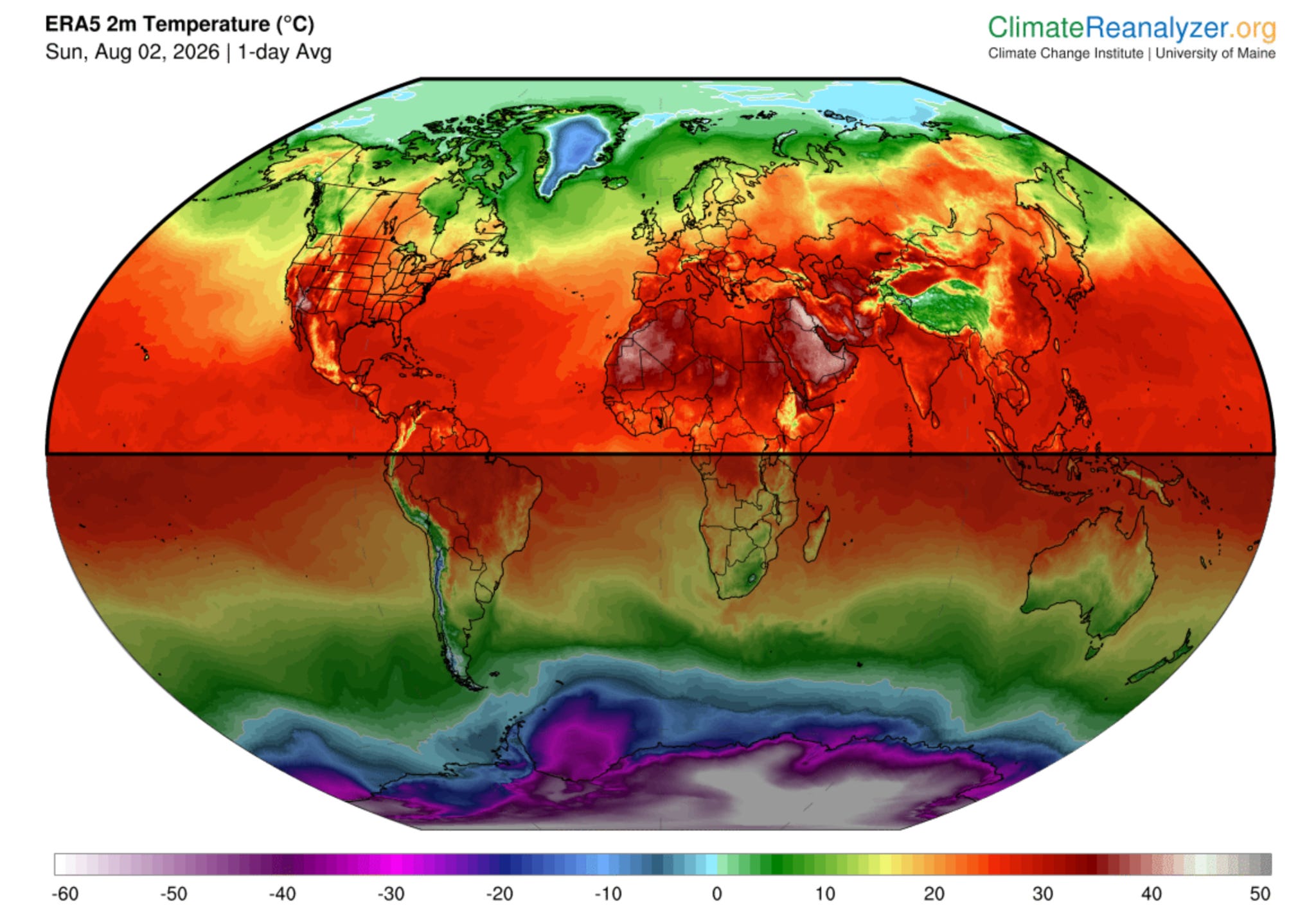
July 2026, according to weather data, was probably the hottest month on record worldwide; some countries, like France, are confirming that it was the hottest national month since records began. The Rhine is at its lowest levels on record. And the speed of global heating has some scientists confident that we will pass the 1.5 °C warming mark (averaged over the past 20 years) by 2030.
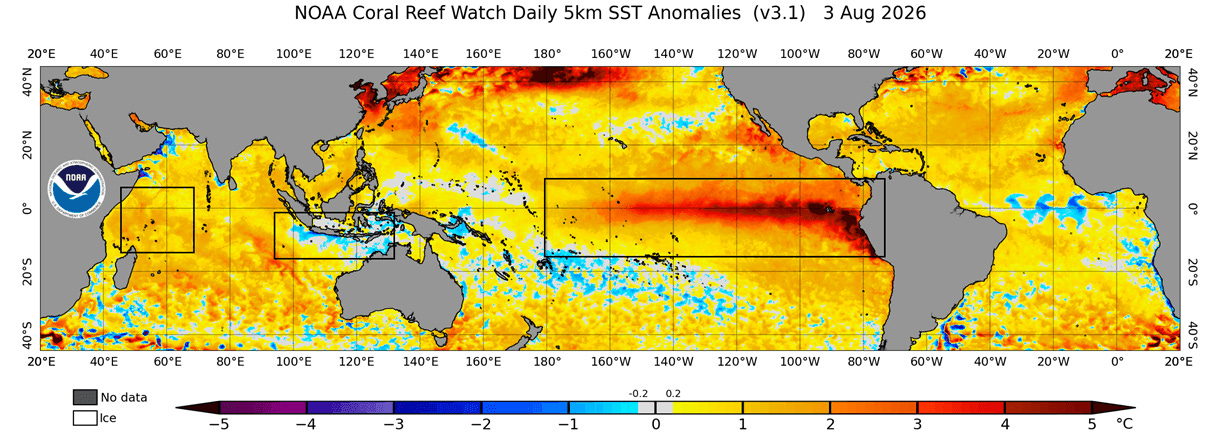
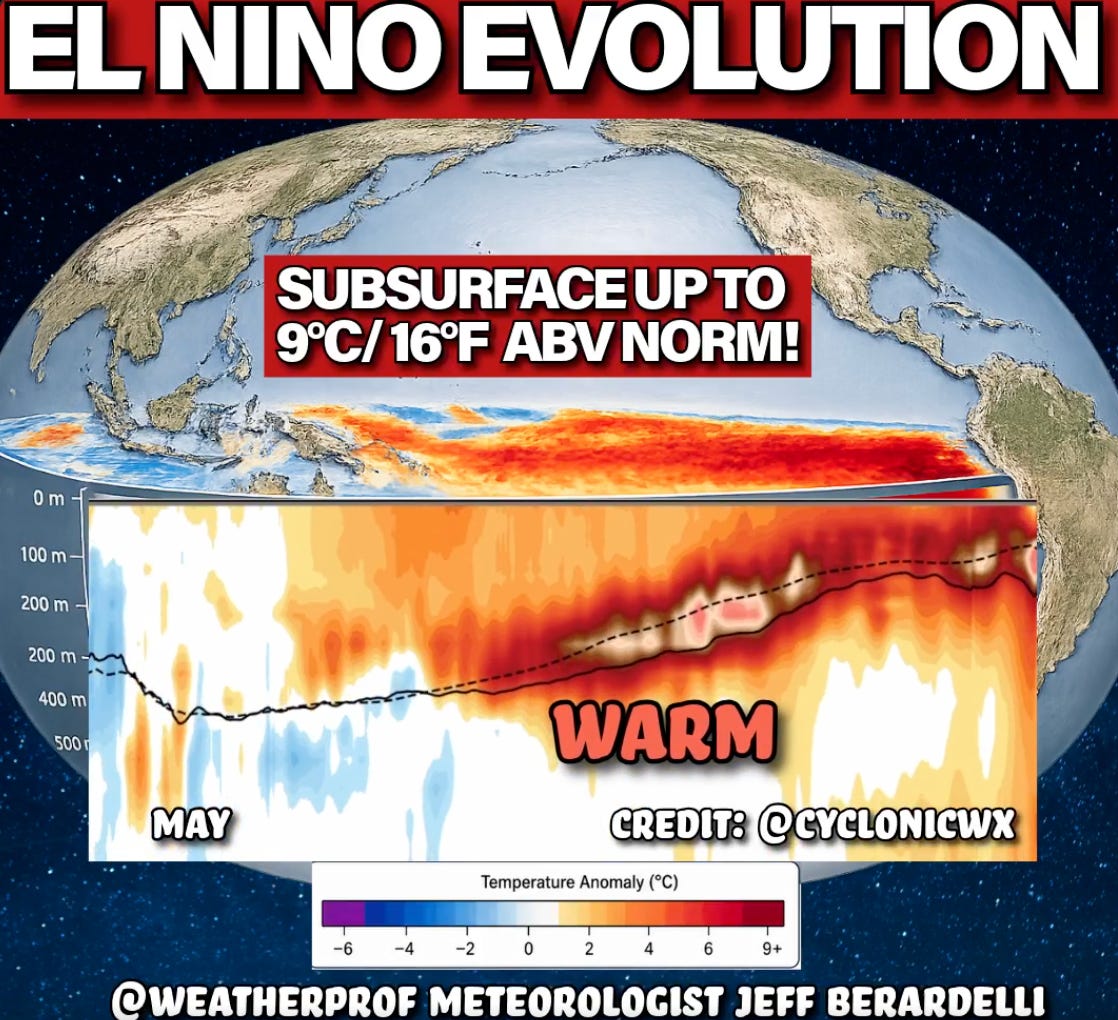
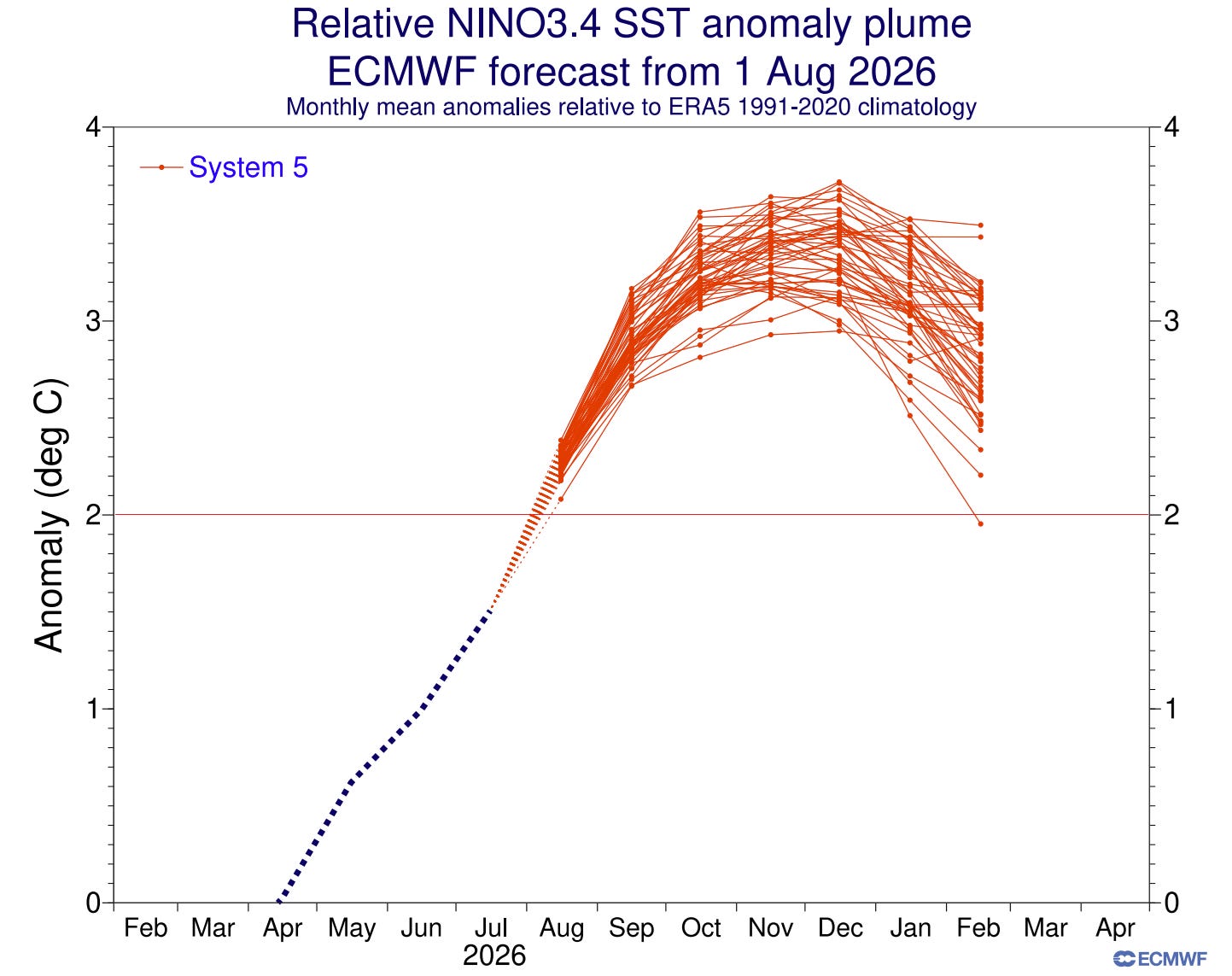
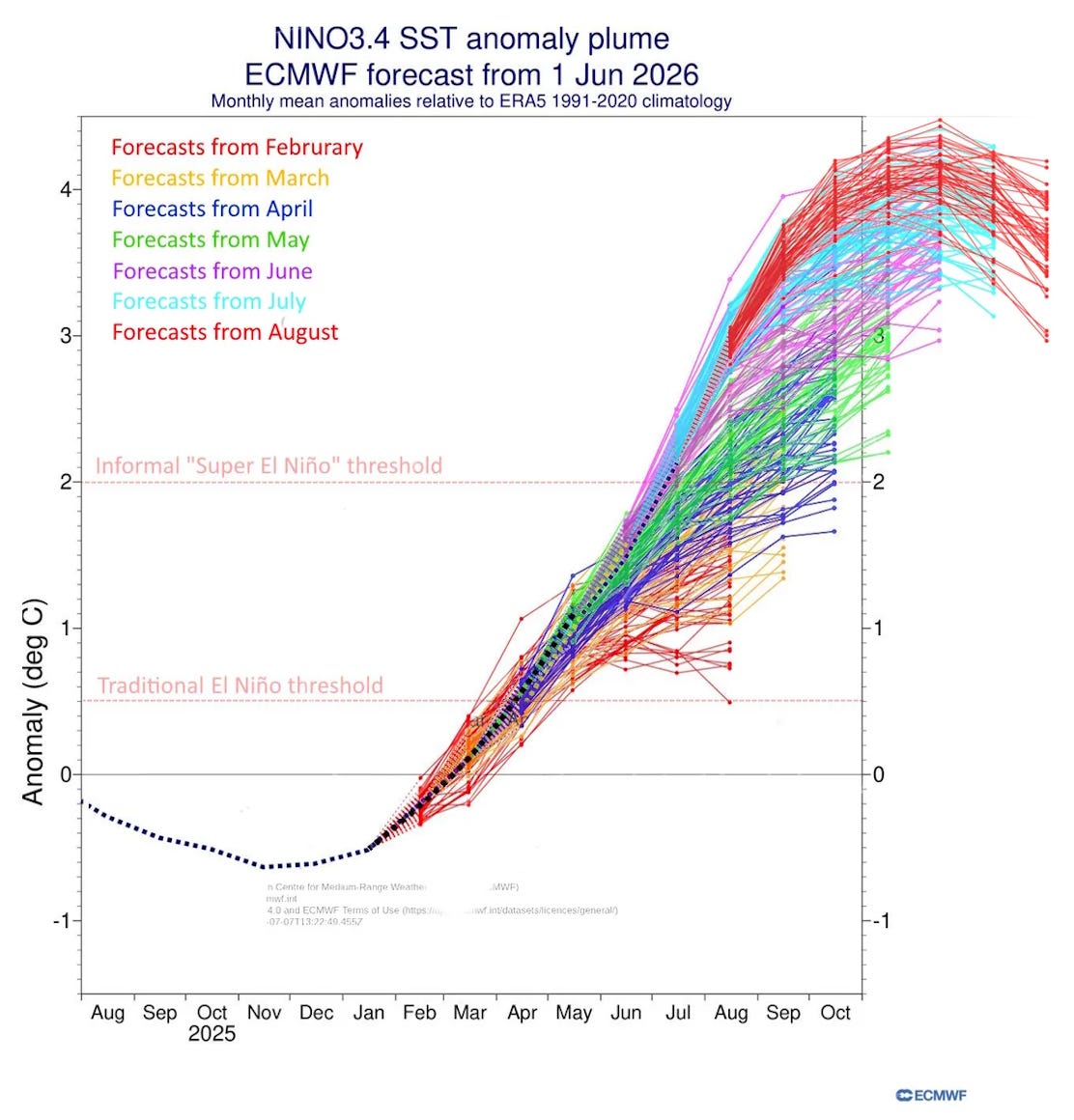
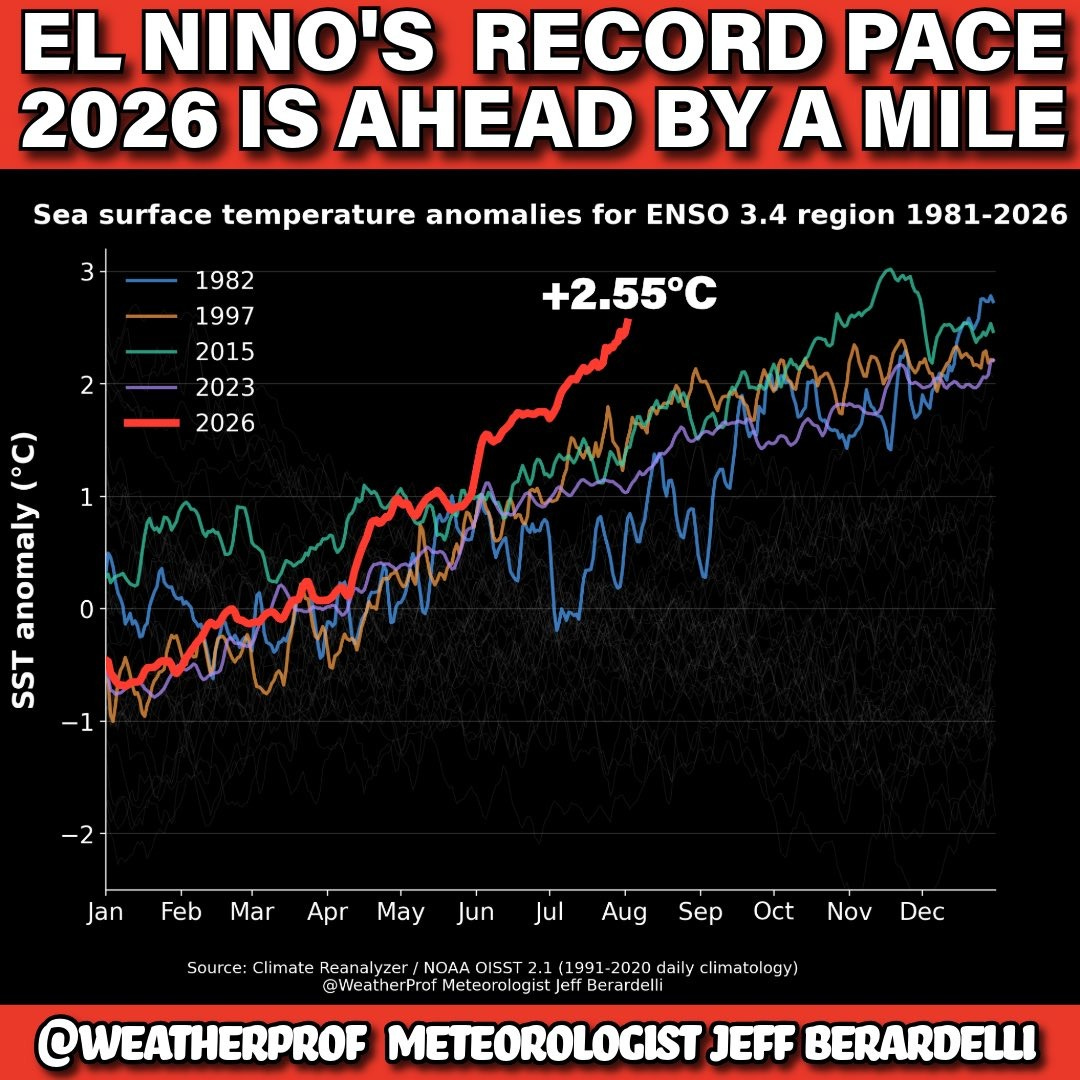
El Niño is gaining strength across the Pacific Ocean, fueled by rising subsurface ocean temperatures that will continue breaking records for a few more months. The predictions keep getting worse. Some experts say that even a weaker-than-expected El Nino could add another 50M people to the number of people (currently 225M) facing “acute food insecurity,” largely through the Drought resulting from the climate pattern. Over 16M of those 50M will come from Latin America & the Caribbean, with another 24M+ from across Africa. Alongside preexisting inflation and complications from the Hormuz closure, food prices are likely to rise and price out tens of millions of people already scraping by.
Early in the week, South Korea set a new all-time record temperature at 42.5 °C (108.5 °F), canceling a week of sports events and slowing the economy. Japan also felt record temps across much of its south (where three lions died probably from heatstroke), part of eastern Indonesia broke its August temperature record, and Colombia also broke monthly heat records in a few places.
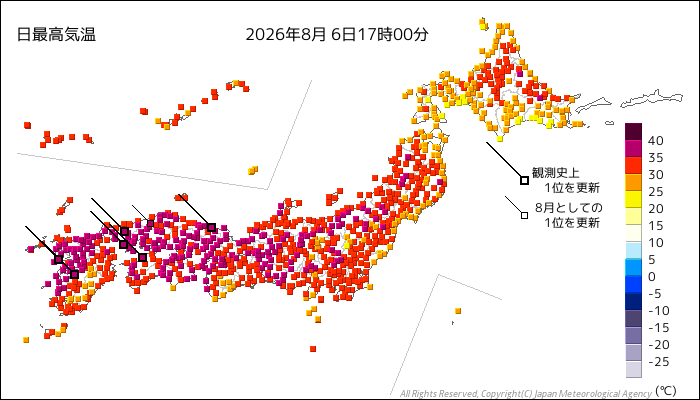
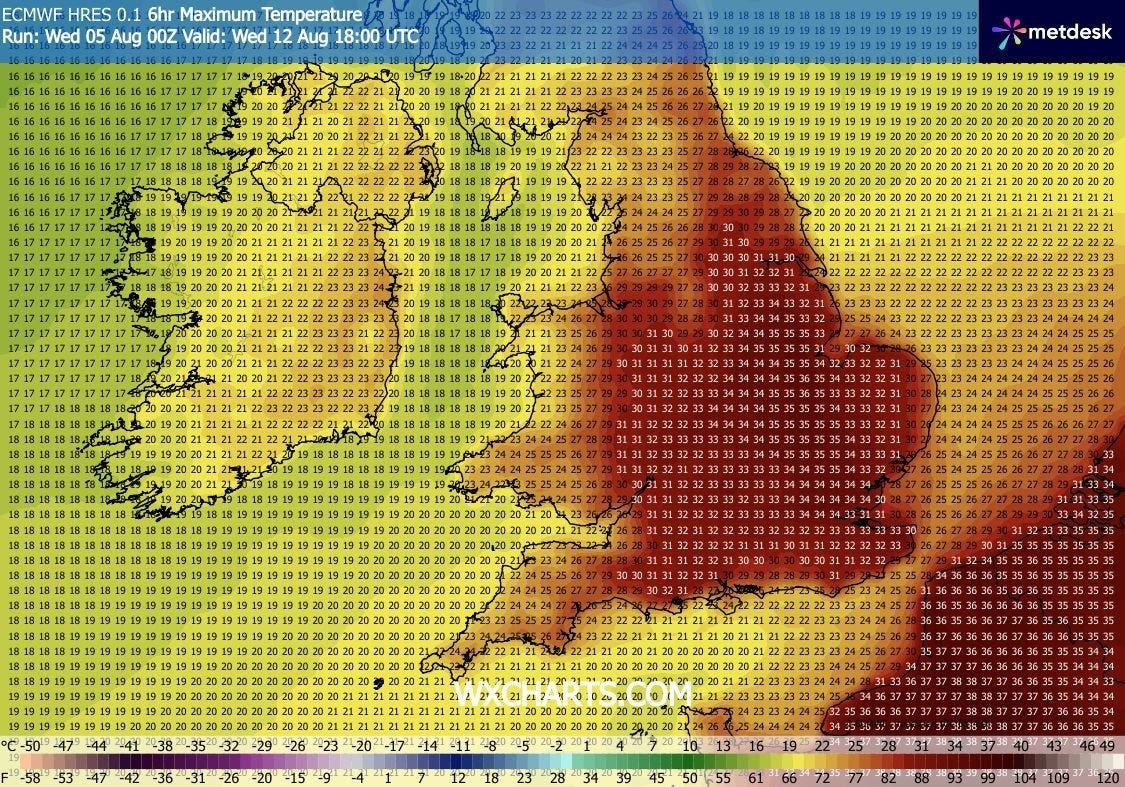
Sites in Morocco felt new record minimum temperatures ranging from 30 to 36 °C (86 to 97 °F). Locations across southern Poland broke all-time heat records with some temperatures exceeding 38 °C, with similar temperatures forecast for Belgium & the Netherlands. Britain may face its worst agricultural harvest on record if their Drought persists. Italy sounded a nationwide heat alert to warn of possible temperatures up to 40 °C. And several sites in the Arctic recorded temperatures exceeding 90 °F (32.2 °C) last week.
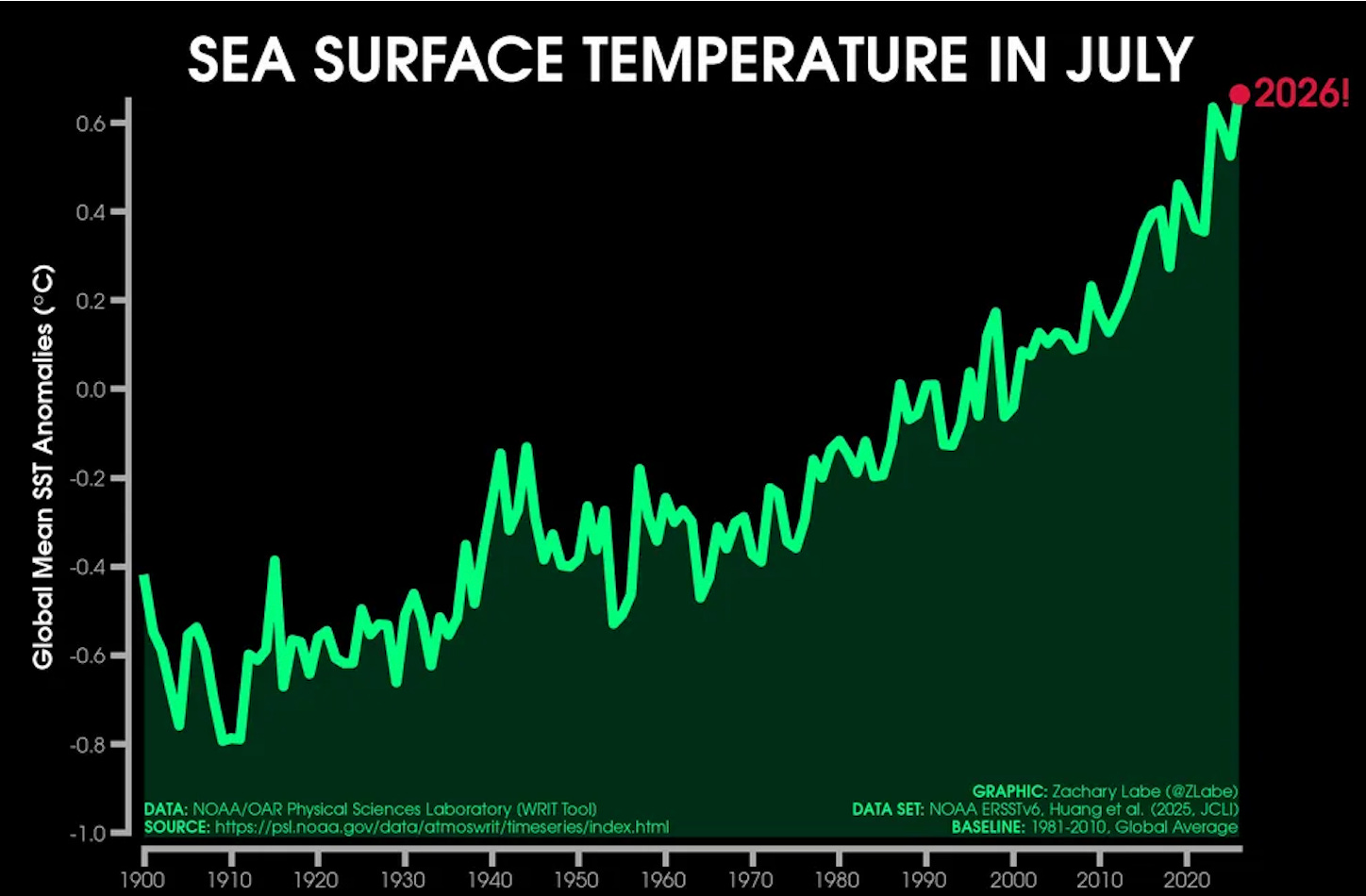
Last July saw record July sea surface temperatures for the ocean. Particularly in the eastern Pacific Ocean this is hotter than any summer before. And an unconfirmed report from a buoy in the Mediterranean recorded an all-time record sea surface temperature for the Med, at 33 °C (91.4 °F).
Monsoon rains in India killed another fifteen people at the start of the week, and one city felt over 30cm of rain fall within 24 hours. Landslides in Ethiopia killed 14, and left others missing. A particularly strong eruption of Guatemala’s Fuego volcano forces the temproary evacuation of several hundred people. Reykjavik ended its wettest July on record, while many locations across Germany felt their warmest nighttime temps on record. Meanwhile Slovakia and Austria felt their all-time hottest day, at 41 °C (106 °F), breaking records set earlier in June 2026. Low water levels in Poland forced the closure of two coal plants. The Danube sank to new lows in Serbia/Romania and revealed an old Nazi shipwreck.
The much-neglected wildfires in Washington state have now displaced 60,000+ people, and continue to burn in and around Spokane, where 600+ buildings have been damaged or destroyed by the blazes. Lightning in India killed 14 people in a single day on Tuesday. Meanwhile, Canadian officials declared an emergency in B.C. and said that wildfires are going to become a part of everyday life now, and we’re going to have to get used to them—and prepare accordingly. Just don’t call out climate change when the disasters happen.
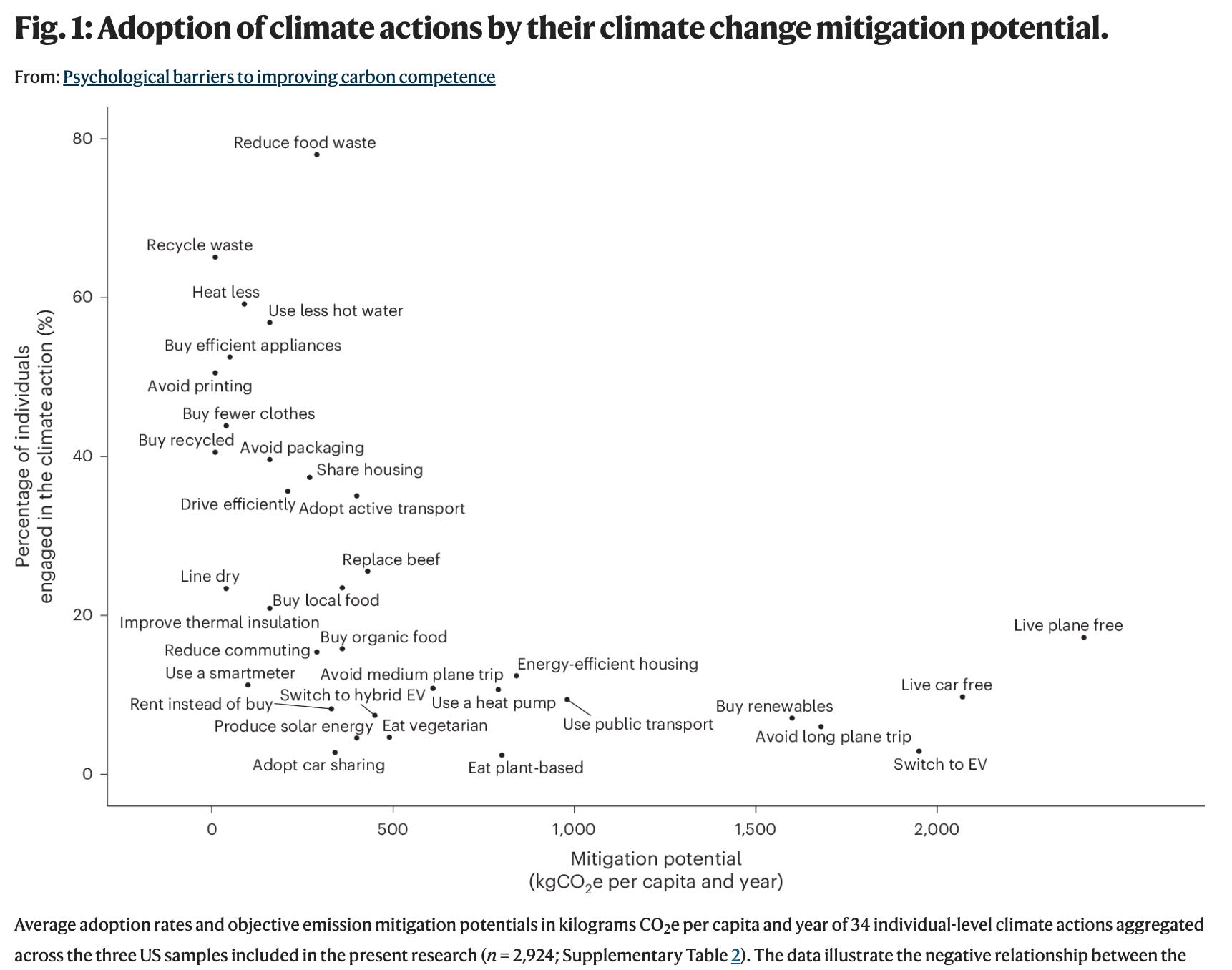
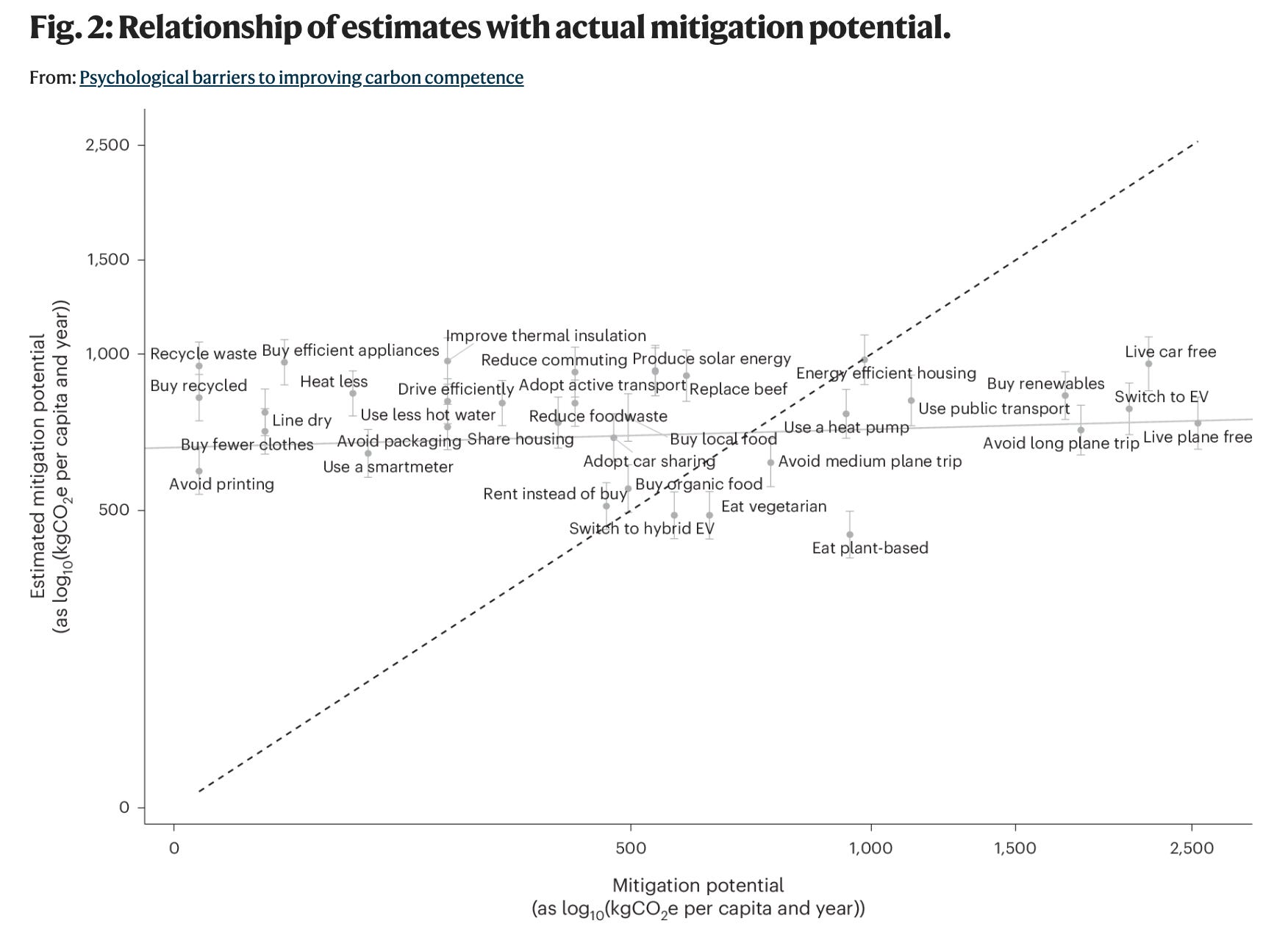
An interesting study out of Switzerland in Nature Sustainability examined the “psychological barriers to improving ‘carbon competence’,” the ability to assess the carbon footprint of a range of 32 activities, whether it’s using public transportation, going vegetarian, buying local food, etc. Unsurprisingly, the highest GHG-producing lifestyle action is participation in air travel, though fewer than 20% of people (from the online survey of US-based adults) have committed to this change. Air travel also remains the most misjudged activity, since estimates of its GHG impact are about 25% of its actual impact on GHG emissions. “The mitigation potential of most low- to medium-impact climate actions such as waste recycling and saving paper from printing was on average overestimated. Conversely, the mitigation potential of higher impact climate actions such as limiting (red) meat consumption or reducing plane travels tended to be underestimated.”
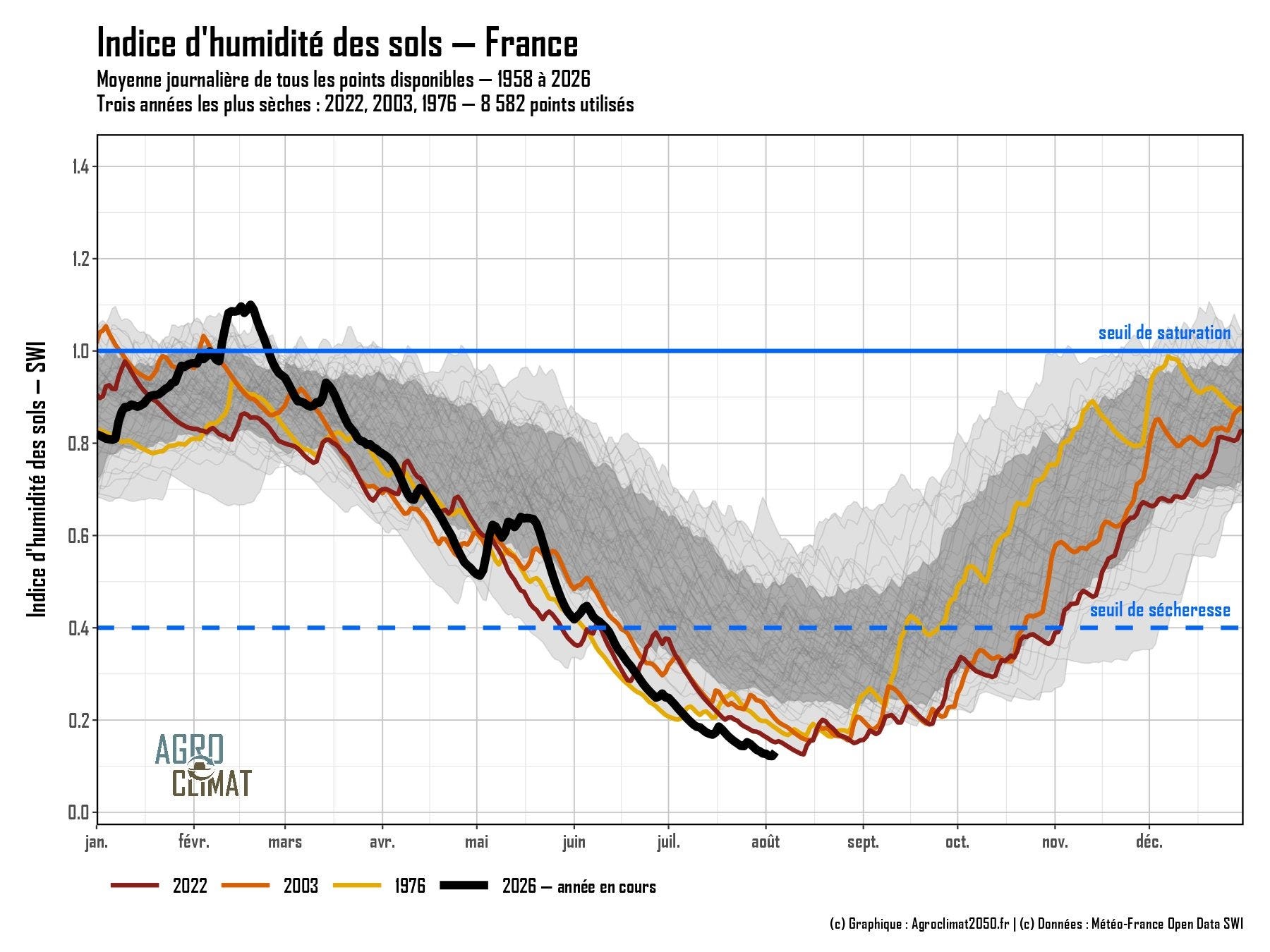
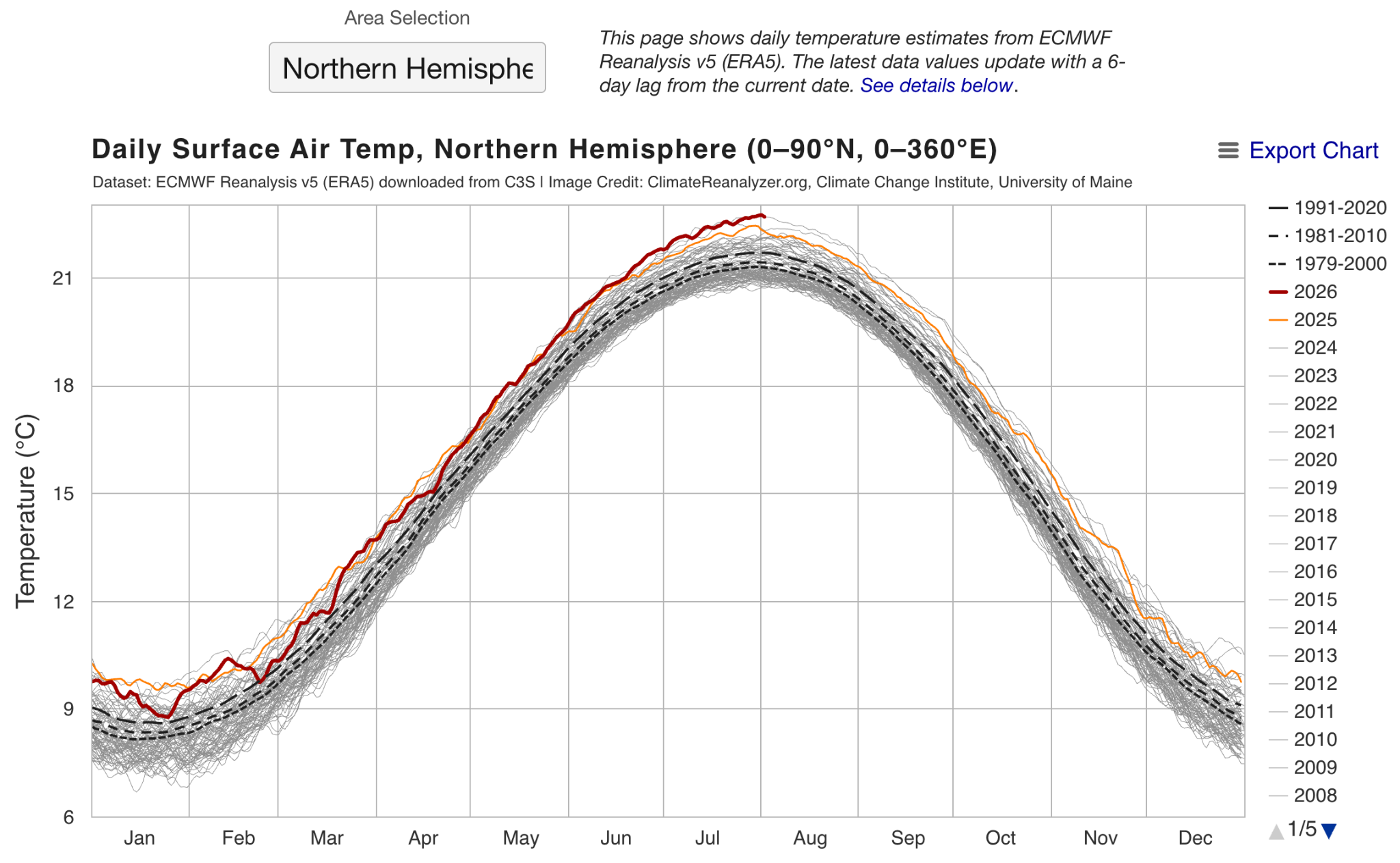
Soil moisture in France hit all-time record dryness last week, and the year may yet end as the driest in the country’s recorded history. Lake Mead hit its lowest point in 90+ years; it began to be filled in 1935. British Columbia’s Okanagan Lake is also at a record low, and falling. August 1st was also the warmest day in the Northern Hemisphere (for average daily surface air temperature) in recorded history, at 22.74 °C.
——————————
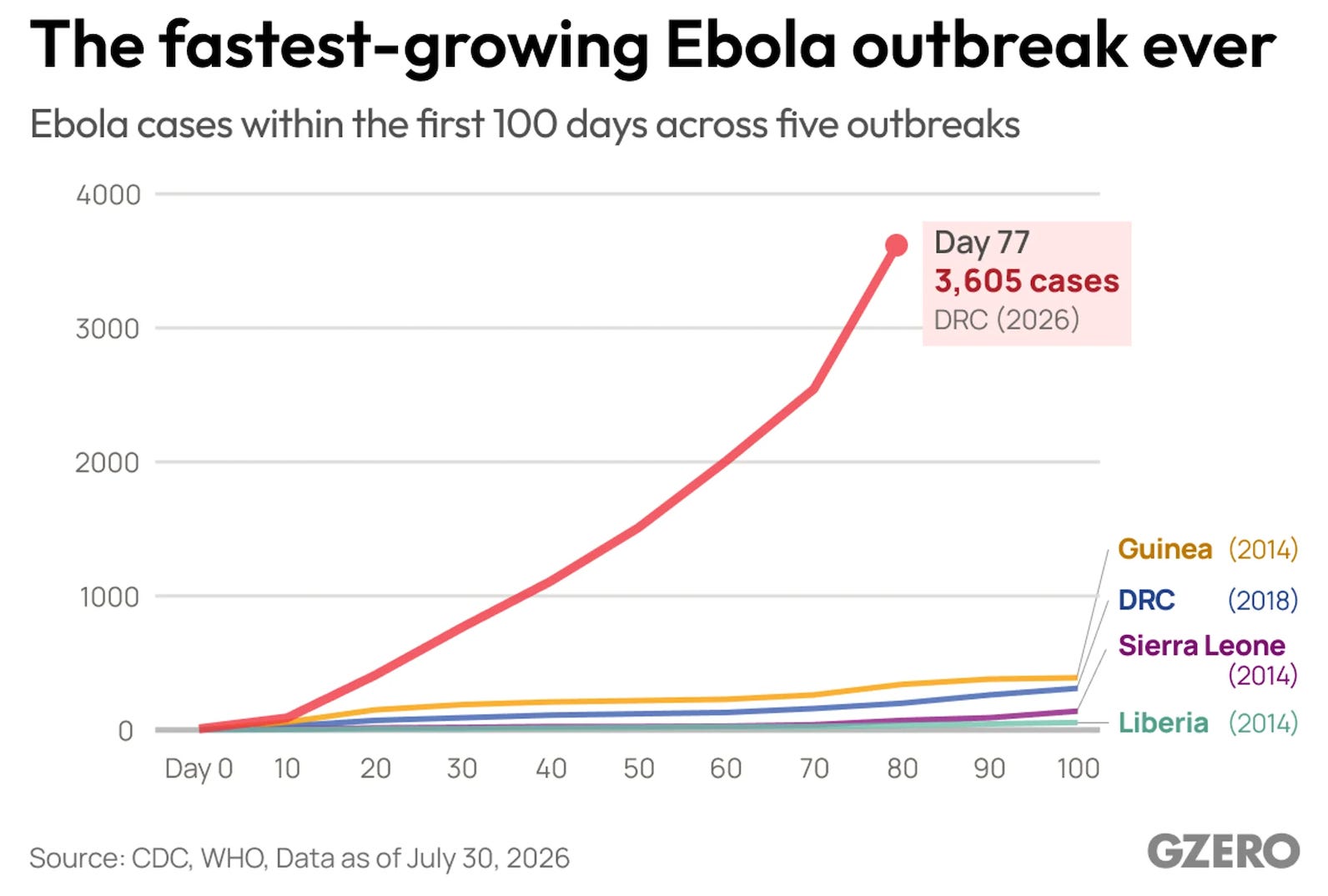
The record-fast outbreak of Ebola continued breaking records for yet another week. Cases have passed 4,000, and deaths raced past 1,800 in total. Officials caution that the viral hemorrhagic fever may also be mutating, and that much of its spread has not been traced effectively.
In the past three years, over 6M Afghans were sent back to Afghanistan out of Pakistan and Iran. Now the long-ailing country is buckling under record child malnutrition that continues to worsen by the day. One third of all Afghans are experiencing “acute food insecurity” andfood prices have risen about 25% in the past five months.
A white paper on microplastics in Australia estimates that “around 7 billion tonnes {of plastic} have already become waste” since the 1950s. “An estimated 11 million tonnes of plastic enter the ocean annually. This figure could nearly triple by 2040….Primary microplastics are intentionally added to products and/or directly released in the environment as small particles and are estimated to account for 15- 31% of microplastics in the oceans….personal attitudes are the strongest driver of whether someone acts on microplastics. These personal attitudes are stronger than peer pressure, education level or prior experience.” The paper urges businesses to make changes to their plastic management because “the window for proactive positioning is narrowing faster” and the current state of plastics is unsustainable.
A Nature study on COVID claims that “the prevalence of chronic viral reactivation during acute COVID-19 and long COVID” (such as Epstein-Barr virus and Herpesviridae) is not “primarily a consequence of immunosuppression.” The scientists write that “emerging evidence suggests that their reactivation may contribute to autoimmune diseases, malignancies and chronic fatigue syndrome….viral reactivation may represent a broader phenomenon than previously appreciated and should be considered in a wider range of clinical contexts beyond immunosupression.”
A study on a population in Catalonia found that “Compared to day workers, night shift workers had 88% higher risk of developing long-COVID….The risk further increased among night workers with obesity. Chronic insomnia in the general population was associated with 42% increased risk of long-COVID.” This is because “circadian misalignment and sleep deprivation are associated with impaired immune responses, weaker vaccine immunogenicity and increased susceptibility to infections.”
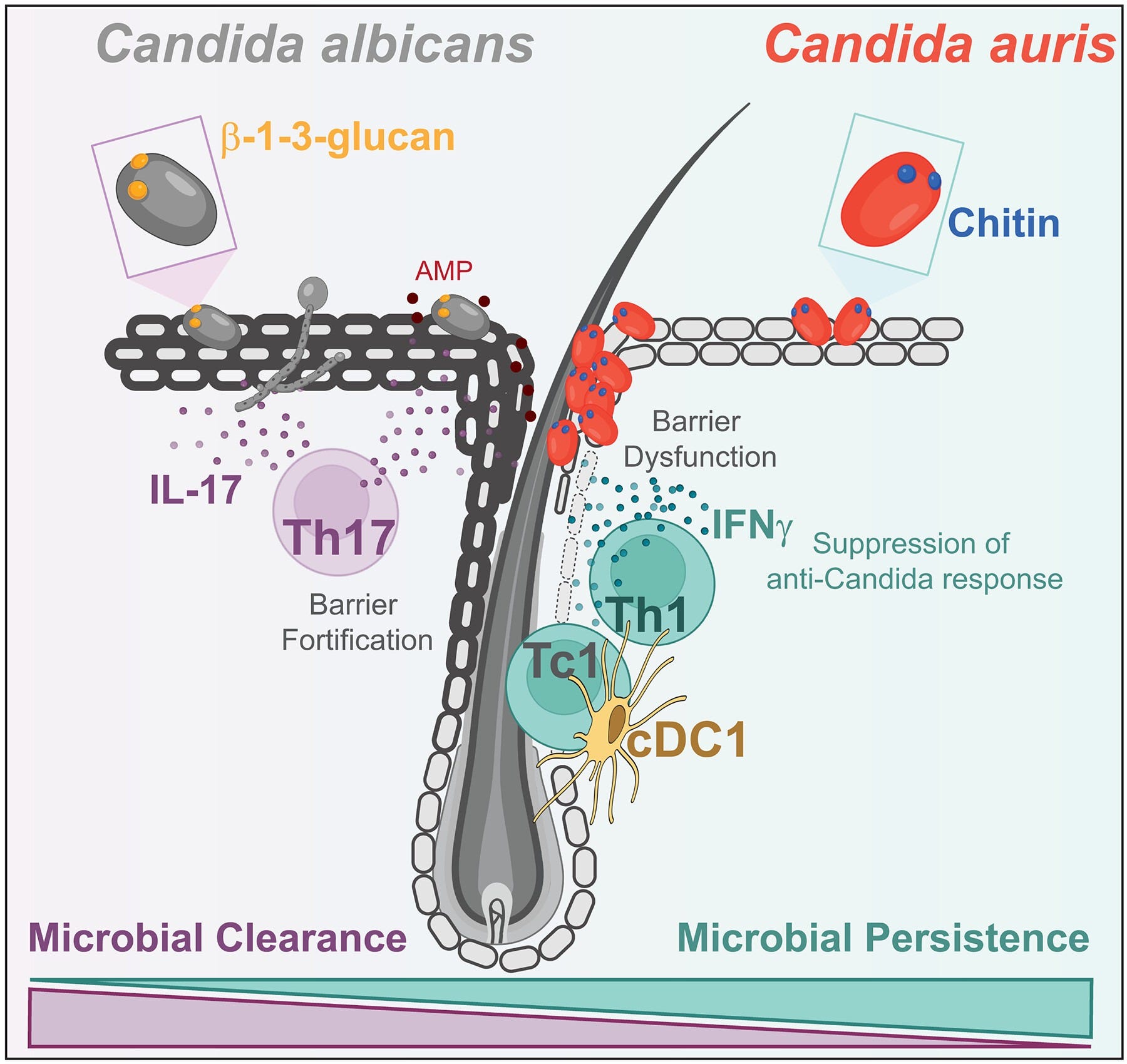
The superfungus Candida auris is on track for a near-record year in the United States. 27 states have recorded at least one case of C. auris as of late July, about 3,400 cases so far. A paywalled study published in Science on Thursday warns that “the fungus can colonize skin asymptomatically….C. auris preferentially persisted in hair follicles…” But 2024 and 2025 are likely, at the current pace, to narrowly edge out 2026 for total cases of the antifungal-resistant fungus.
Scientists tinkering with AI developed 16 viable viruses not found in nature, a first in scientific history. The capability is a double-edged sword, and the blades are razor-sharp: custom viruses may be able to go where no medicine has gone before, and destroy antibiotic resistant bacteria and other nasty phages. But the flipside is that bad actors may be able to build complex contagions for evil and engineer another pandemic. If previous actions around AI are indicative, humanity will race headlong into this possibility without much concern for guardrails or safety.
Comments
Nothing yet. Say the first thing.
Sign in to join the conversation.