
This article began as my own research overwhelm. I have not been to Sardinia yet, but I have been planning a trip there for myself, and somewhere in the middle of it I hit a wall I did not see coming. I have built itineraries across every corner of Italy without much trouble. Sardinia had me buried under open tabs, learning that it has its own language, that it is one of the few places on earth where people routinely live past a hundred, and that sixty kilometers of its roads can eat ninety minutes of a day, and no closer to a decision than when I started. What finally pulled me out was simple. I stepped back and admitted there were questions I needed to ask myself first, before I could build the trip I had in mind. These are those questions, the ones that turned my overwhelm into what I now believe will be my perfect Sardinian itinerary, and the ones I would ask any client before planning a single day of theirs.
Hold onto this before you plan a single day. Sardinia is Italian by passport and its own country by every other measure, with a language, a temperament, a cuisine, and a pace that belong to nowhere else. It is also enormous, the second largest island in the Mediterranean, and the driving is slower than any map admits. So the way clients get Sardinia wrong is almost always the same. They treat it like a quick Italian beach escape, book one hotel, aim for August, and spend the trip in the car wondering where the magic went.
I know this because I am living it. The first thing my own planning taught me was that this island needs a trip of its own, the way Puglia does. The second humbled me. I spent years planning luxury travel for other people, and I still could not simply pick a hotel. I love a historic, boutique property, and the ones full of character kept turning out to be either inland, away from the coast I wanted, or priced well past my range, because so much of Sardinia’s coastal stock is new-build resort. I want a resort, and I do not want an oversized one, and threading style and amenities and budget together here was harder than anywhere I have planned. On the mainland it is obvious. Rome, Florence, and Venice are the hubs, and you can put someone in a walkable hotel just outside the center without a second thought. Sardinia hands you none of that shorthand, and choosing between the glamour of the Costa Smeralda and a more remote base that turned out to be isolated and logistically demanding took hours of study. This is the rare Italian destination where you lean on a strong local partner on the ground rather than hand-build it blind, and it is exactly why the questions below carry so much weight.
Which is exactly why these ten questions matter more here than almost anywhere. Every one of them is a chance to manage an expectation or teach your client something before the deposit clears, because the gap between the Sardinia in their head and the Sardinia on the ground is wide, and closing it early is the whole job.
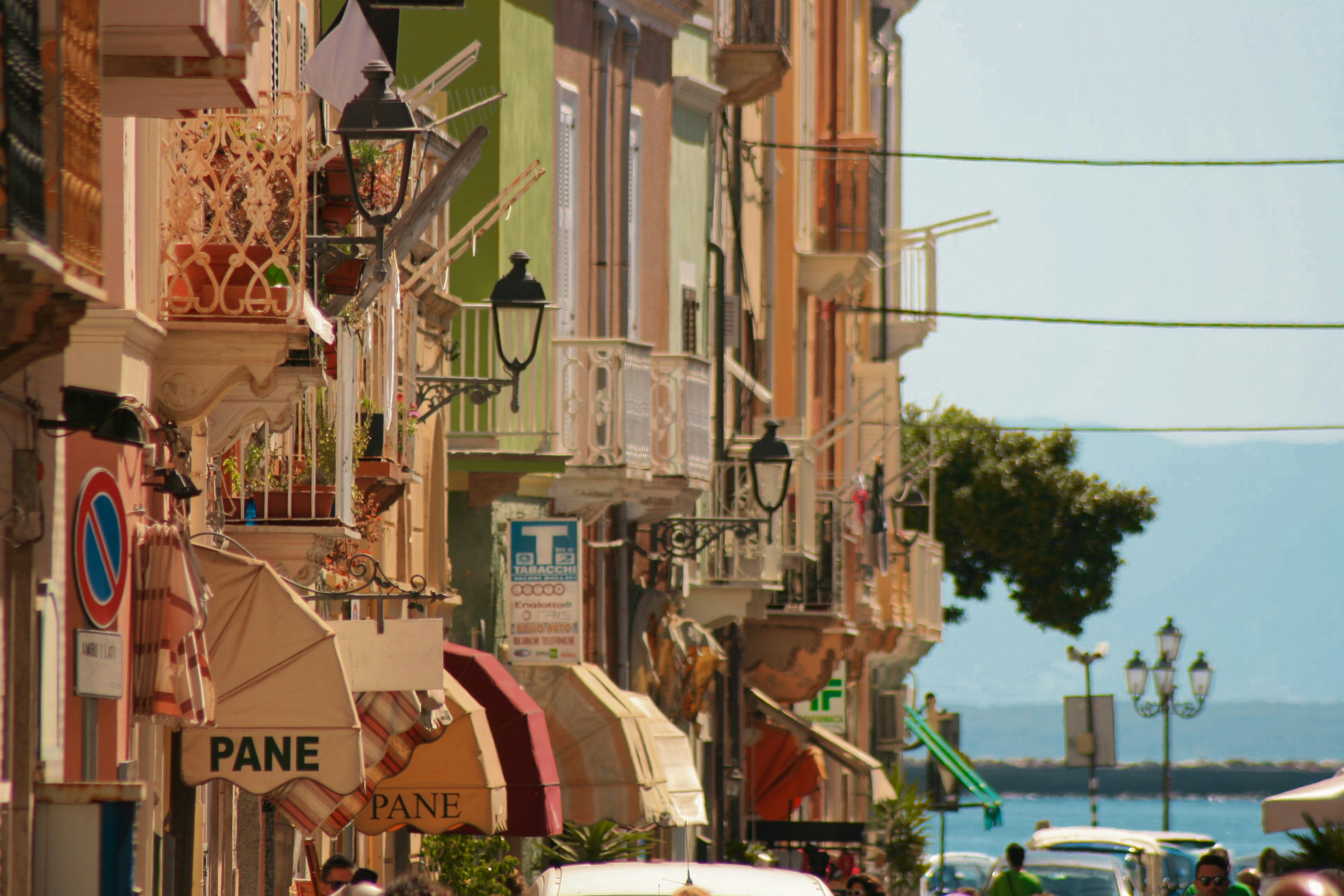
This is the last installment, the one that closes out the series. Every one hands you the high-impact questions for a single Italian destination, the exact ones I would ask before I planned a thing, each with a note on what the answer is telling you, all built to copy straight onto your intake form. The coast, Rome, Venice, Lake Como, Puglia, and Sicily came first, and Sardinia is where it ends, fittingly the one where a client’s assumptions cause the most damage, so every question here is written to catch one before it costs them. With this card the collection is complete, seven destinations, one intake system, all of it behind a single subscription.
Here is exactly what is on the other side of this:
The ten questions I would ask before I planned a day in Sardinia, organized to lift straight onto your intake form, each with a note on what the answer tells you and what it lets you set straight.
The ten cover: whether they are expecting Italy or something all its own, the glamour of the Costa Smeralda against the wild side, the split stay that solves a huge island, how central the beaches are and how the best ones are reached, the slow Blue Zone rhythm versus staying busy, when to go and why fall beats summer, which airport and why the car gets booked early, how much the food matters and what to expect at the table, how much the ancient history and traditions matter, and how the budget shifts with where and when they land.A paid subscription to La Storia is $8 a month, or $80 for the year, which comes out to less than one client gift. The annual is the one I would choose.
Comments
Nothing yet. Say the first thing.
Sign in to join the conversation.