
By 7am we were already in line at the Vatican. This was 2018, the second-to-last day of a trip that had carried us through one night in Tuscany, three in Florence, and now three in Rome, and I had built the kind of day I thought Rome demanded. Early access walking tour of the Vatican and the Sistine Chapel in the morning. A scooter tour of the city that afternoon. Every piece of it wonderful on its own.
By early afternoon, JR (my fiancé then, my husband now) sat down on the edge of the hotel bed and said the words I still quote to advisors: “I can’t do another tour. Can we please cancel it? I’ll pay for it. I don’t even care, I just want to rest at the hotel spa.”
I canceled the tour. He got his spa afternoon. And I got the lesson that now sits underneath every Rome itinerary I touch.
Years before that trip, I went to Rome for the first time with a group, on an itinerary that wasn’t designed with me in mind. It was packed to the gills because I believed, like most people planning their first Rome trip, that packed is what Rome requires. We never slowed down. I never saw a charming street. I came home exhausted and lukewarm on a city I now consider one of the great loves of my traveling life.
Families experience this constantly. The parents book the big sights, stack the days, and come home with kids who never want to hear the word Colosseum again. They walk away not liking Rome, and it’s for a lack of design, not for a lack of charm.
Think of it the way you’d think of Paris. If you only went to the Eiffel Tower, you wouldn’t understand what Paris feels like. You’d only know what the sights feel like, which is a different thing entirely.
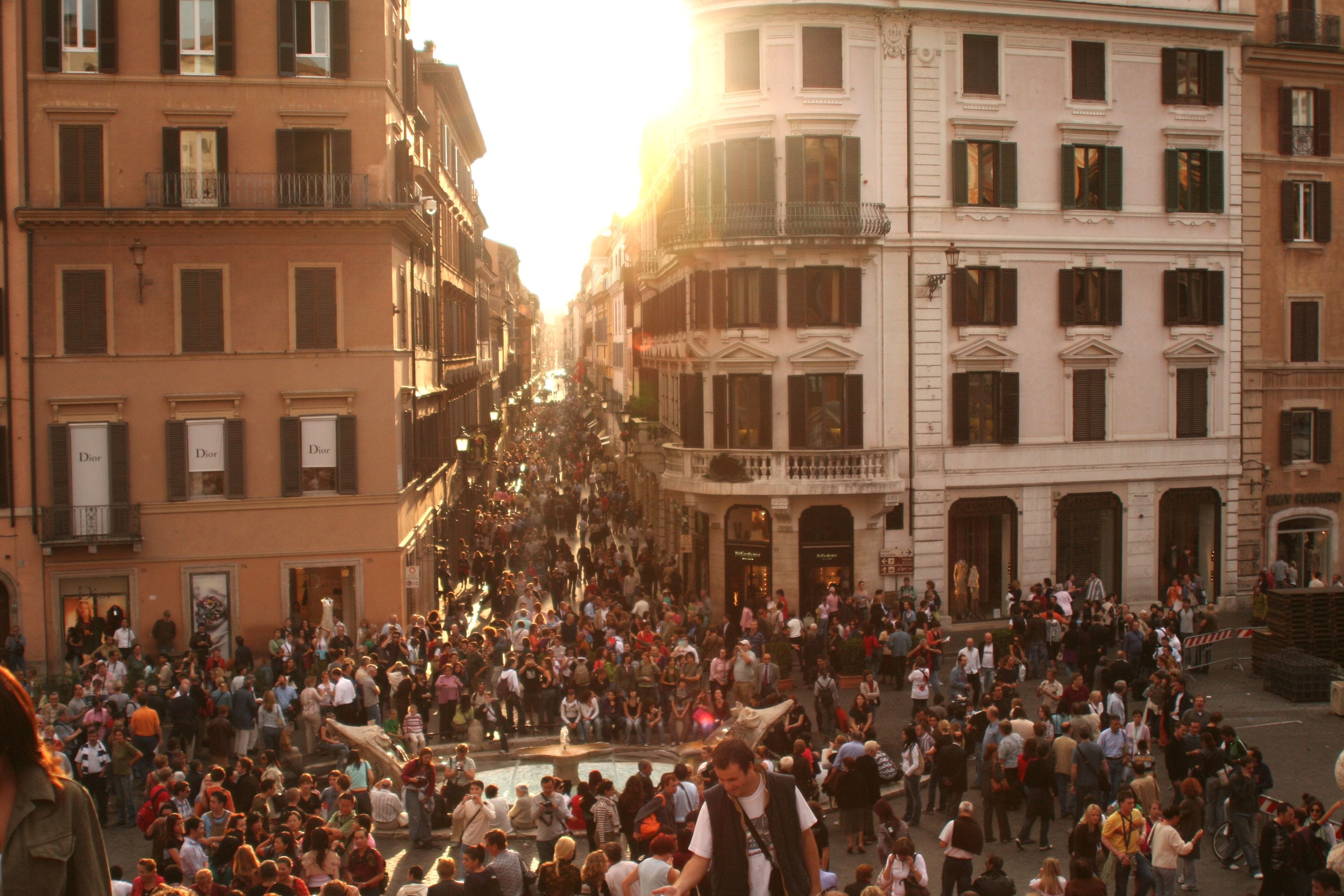
Rome works the same way. The city your clients fall in love with is still bustling, but it lives in the quiet streets of Trastevere and Monti, in the piazza where they sat doing nothing for an hour, in the aperitivo they didn’t have to rush. An itinerary that never leaves room for that version of Rome sends clients home with photos of monuments and no feeling attached to any of them.
The good news for advisors is that every one of these failures is preventable, and they’re preventable before the itinerary ever leaves your hands. After years of planning Rome for clients and getting it wrong on my own trips first, I now run every Rome itinerary through the same ten checks. The kind of checks that only exist because something broke without them.
Behind the paywall today:
The arrival day protocol that protects your client’s money when flights slip, including the one exception where I let a real reservation stand.
The one-tour rule that would have saved my own Sistine Chapel day, and exactly how I sequence tours now.
The hotel I book steps from Piazza Venezia, the five-star that prices like a four, and the trendy property I stopped placing clients in because of one specific walk.
If you plan Italy for clients, this is the checklist you’ll keep open next to every Rome itinerary you build from now on. It’s $8 a month, or $80 for the year, and the annual works out to less than what one client gift costs you. Come on in.
Comments
Nothing yet. Say the first thing.
Sign in to join the conversation.