
Last night I ended up in a heated conversation with a friend about the fortes and fates of various early 20th century Black American composers. Of topics to debate these days, this might seem like relatively safe territory, but the subject proved potent, given the inexhaustible implications of race in our contemplation of the American past and present.
In any case, our conversation landed on the life and work of the composer William Levi Dawson (1899-1990), whose magnificent Negro Folk Symphony certainly stands among the 20th century’s greatest musical achievements. It’s a staggering piece - ambitious, cinematic, and personal. Its source material comes from the African American spirituals Dawson learned from his mother as a child, and his rich symphonic language weaves a musical epic telling the story of the African Diaspora in three movements: The Bond of Africa, Hope in the Night, and O, Le’ Me Shine, Shine Like a Morning Star!
The symphony was premiered at Carnegie Hall in November 1934 by the Philadelphia Orchestra under Leopold Stokowski, in a concert that’s acquired legendary status in classical music history. The piece caused such a stir that the audience burst out in applause after the second movement, forcing the orchestra to pause and take a bow. At the end, the crowd went wild again, and the 35 year old Dawson was called back to the stage for multiple curtain calls.
There were four performances of the piece that week, one of which was nationally broadcast by CBS radio. The critic Olin Downes (no relation of mine), wrote in The New York Times: “This music has dramatic feeling, a racial sensuousness and directness of melodic speech.” And a listener named Mae Belle Thomas, one of the many Black Americans who heard the radio broadcast, wrote to Dawson: “I’m so full of enthusiasm, I can’t gather my thoughts correctly. But I must thank you for the million and one Negroes who missed hearing your symphony and again for the thousands that did hear it.”
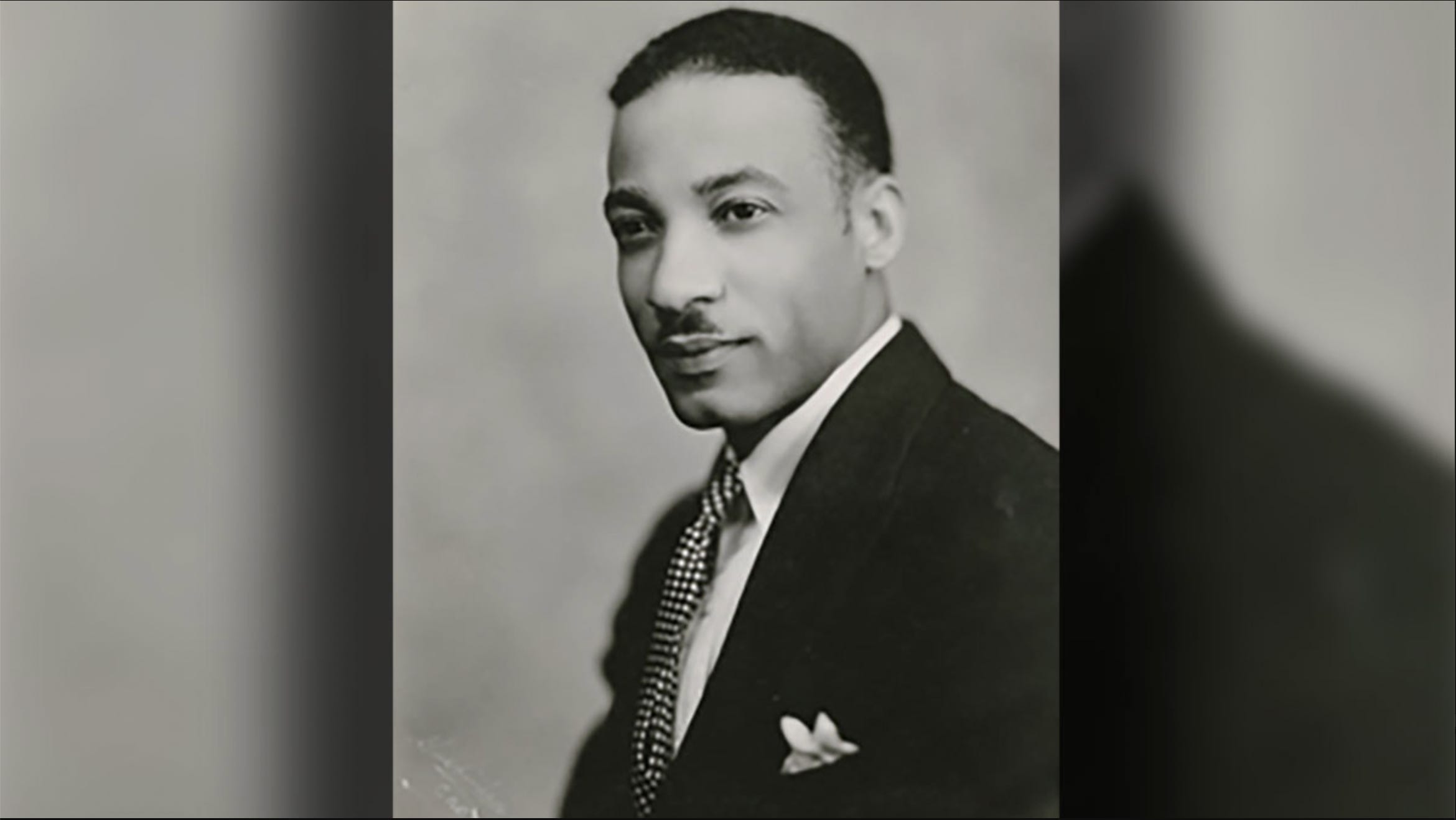
This could have been a star-is-born moment, the overnight launch of a major career, a new chapter for American music as Dawson’s music joined that of composers like George Gershwin and Aaron Copland on our concert stages. But that’s not how this story goes.
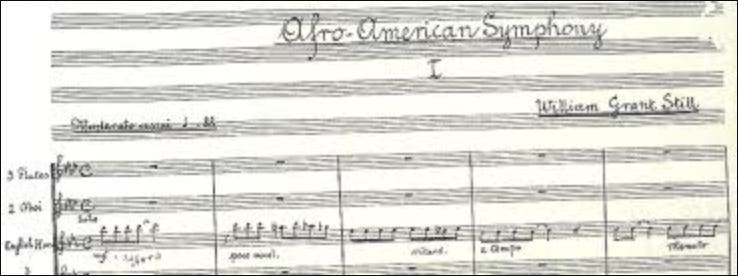
For a few years there in the early 1930’s, it looked like American orchestras had turned a corner into the world of Black composers. William Grant Still was the first: the Rochester Philharmonic played his Afro-American Symphony 1931. Then came the Chicago Symphony’s premiere of Florence Price’s Symphony in E minor in ‘33. And Dawson’s 1934 premiere made him the third. But as it turned out, these performances did not herald a new era of inclusiveness among white-dominated musical institutions. Maybe the energy of the “New Negro” Renaissance reached the symphony hall just a little too late. Maybe there was some conservative backlash against the opening of those long-closed doors. Of those three symphonies, only Still’s stayed in the repertoire. The music of Price and Dawson slipped into decades of obscurity.
William L. Dawson was born in 1899 in Anniston, Alabama, known back then as “The Model City” - a center of industry, housing, education, churches, and public amenities, none of which benefited the city’s Black residents, who were stringently confined by the segregation of the post-Reconstruction South. Those conditions defined Dawson’s childhood: the family struggled, and his father, a formerly-enslaved day laborer, took him out of school at the age of 10 so he could go to work and help support his six younger siblings.
But with his mother’s help, Dawson ran away from Anniston at 13, and went to study music at the Tuskegee Institute (now University). He paid his tuition by working as a librarian in the Music School and doing manual labor in the school’s Agricultural Division. He joined the band, the orchestra, and the Golden Voices Concert Choir, founded in 1886 by the school’s first president, Booker T. Washington. He had started to identify himself as a composer by the time he graduated in 1921. Most importantly, his years at Tuskegee instilled in him the values - pride in lineage, self-discipline, and commitment to excellence - that would define his career.
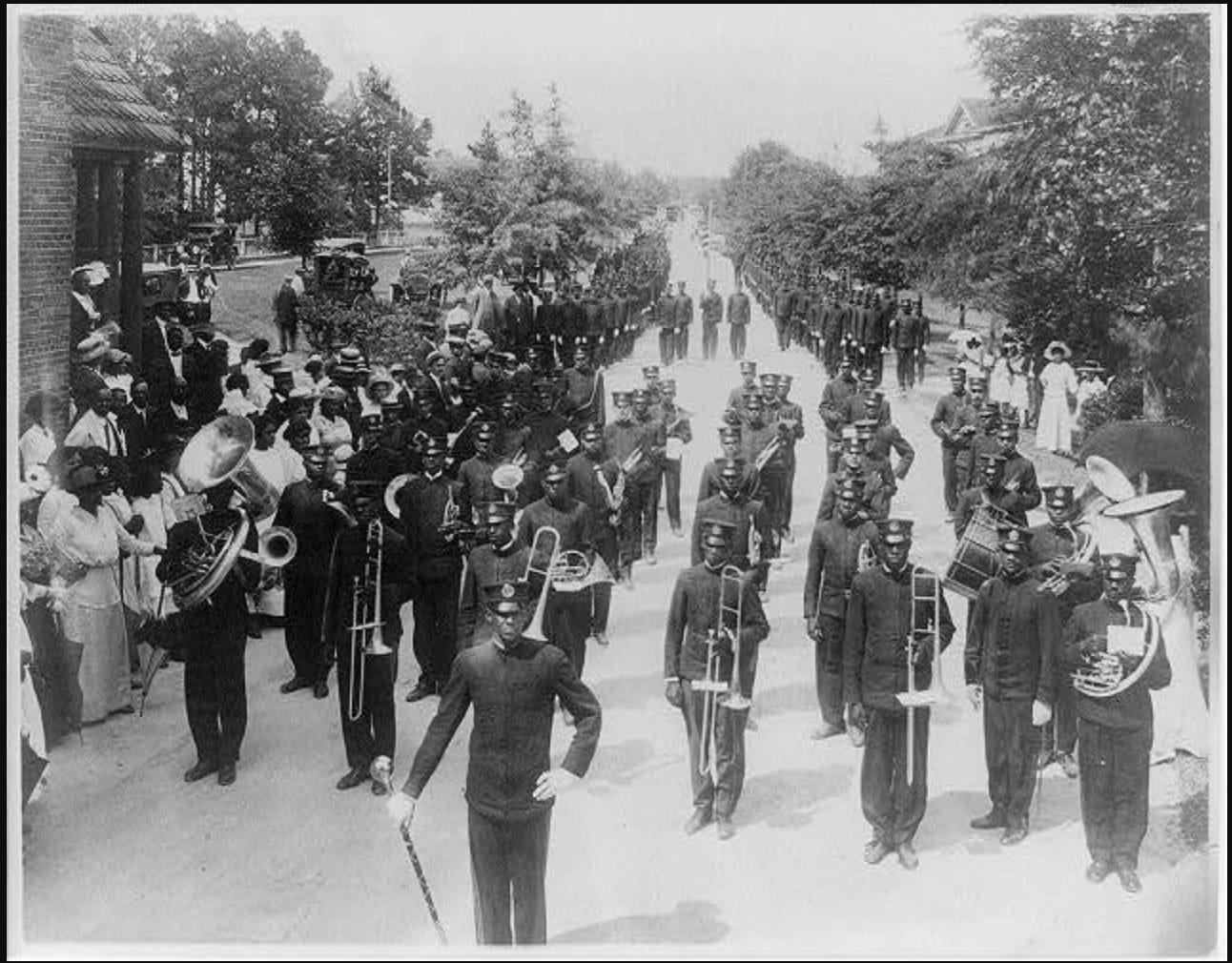
Commencement Day Parade, the Tuskegee Institute, 1913
Dawson spent the next decade earning degrees in Topeka, Kansas City, and at the American Conservatory of Music in Chicago. Chicago was a turning point; he started writing his symphony there, surrounded and inspired by other brilliant musicians and artists, from Florence Price to Louis Armstrong, who were creating the city’s Black Renaissance in the 1920’s.
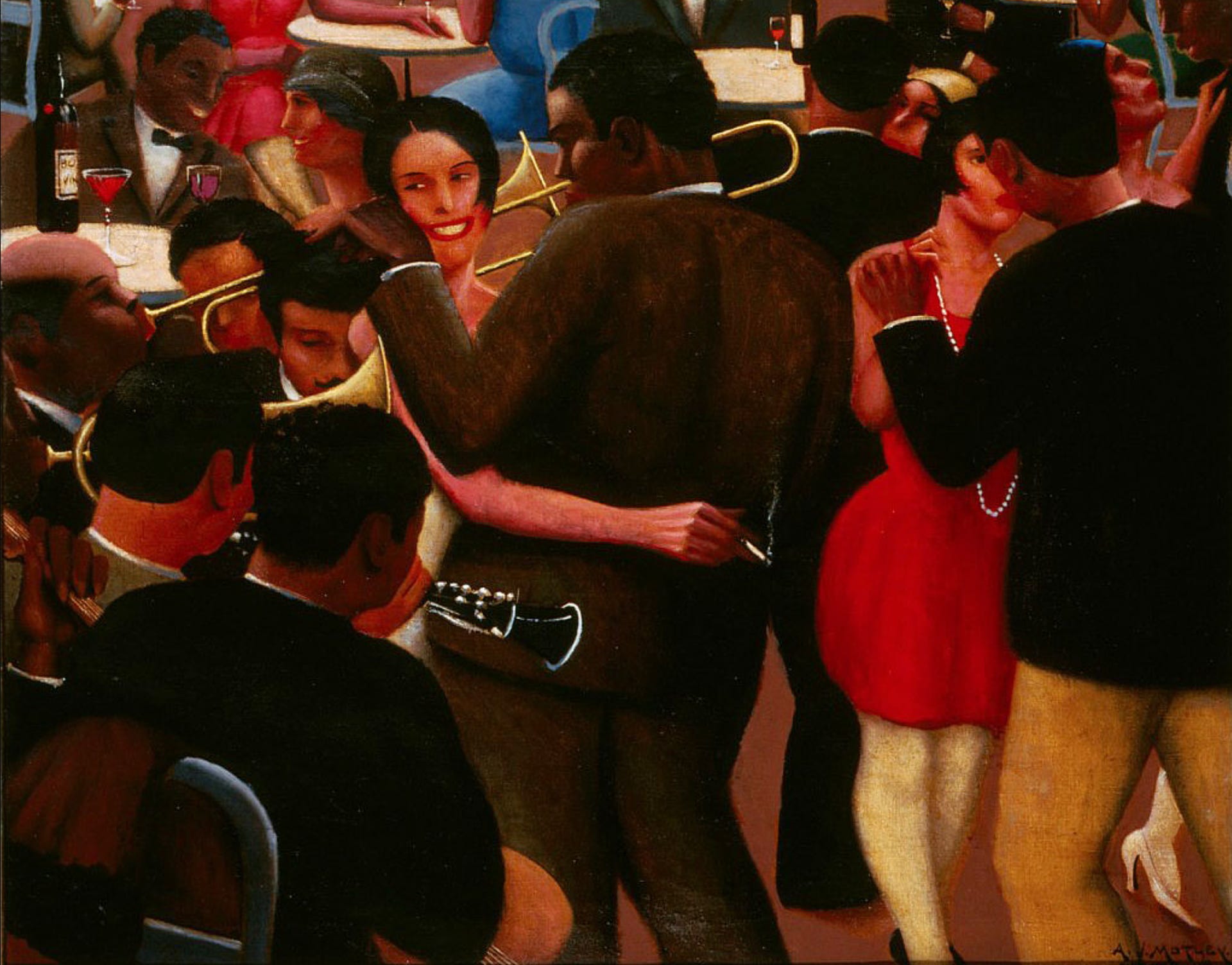
Archibald Motley: Blues (1929)
In 1931 Dawson returned to Tuskegee, accepting the school’s invitation to become director of its School of Music. He held that position for over 20 years until his retirement, radically expanding the department and developing Tuskegee’s 100-voice choir into a world-class ensemble that made national headlines when it performed at the grand opening of New York’s Radio City Music Hall in 1932. That was when Dawson met Stokowski — an encounter that led to the premiere of the Negro Folk Symphony two years later. The choir performed at the White House for President Herbert Hoover and at Hyde Park, NY, for future president Franklin D. Roosevelt. In 1946, they broke the race barrier as the first Black artists to perform at Washington D.C.’s Constitution Hall, the venue where, in 1939, Marian Anderson had famously been denied access by the Daughters of the American Revolution.
For the rest of his life, Dawson devoted his creative energy to lifting up African American musical traditions by writing for the Tuskegee choir. His definitive arrangements of Spirituals like Ev’ry Time I Hear the Spirit and There Is a Balm in Gilead are still performed today by ensembles around the world.
But the Negro Folk Symphony stayed on his mind. In the early 1950’s he made an extensive trip to West Africa, and the music he heard there inspired him to revise the piece significantly, expanding on his musical depiction of what he called “a link taken out of a human chain when the first African was taken from the shores of his native land and sent to slavery.” Stokowski recorded the revised version with the American Symphony Orchestra in 1963.
In recent years, the revival by American orchestras of music of Black composers like Florence Price and William Grant Still has led to a resurgence of interest in Dawson’s symphony. In 2022, the piece had performances from the Seattle and Oregon Symphonies, and in 2023 by the Los Angeles Philharmonic, the Oakland Symphony, and the Philadelphia Orchestra.
And with the symphony’s reappearance came questions about its mysterious composer. Why did Dawson withdraw from a major composing career? Why didn’t his 1934 triumph lead to the kind of underdog success story we love to love? Whatever happened to William Dawson??
I found my way to Tuskegee last year, after a visit with Bryan Stevenson at the Legacy Sites in nearby Montgomery. I’ve been fascinated with Dawson’s music for many years, and I wanted to connect with the place where he spent his career and left his legacy. The Tuskegee Golden Voices Concert Choir is still thriving in its 140th year. An email to its current director, Dr. Wayne Barr, got me an invitation to spend an afternoon with the ensemble’s 50-plus young singers, whom I asked to participate in my national Declaration Project. But first, I was welcomed by one of the University’s trustees to tour Dawson’s former home, a custom-built midcentury marvel where he lived with his wife, Cecile DeMae Nicholson, a fashion maven who traveled back and forth to Paris purchasing the latest styles for her boutique in town, Petite Bazaar.
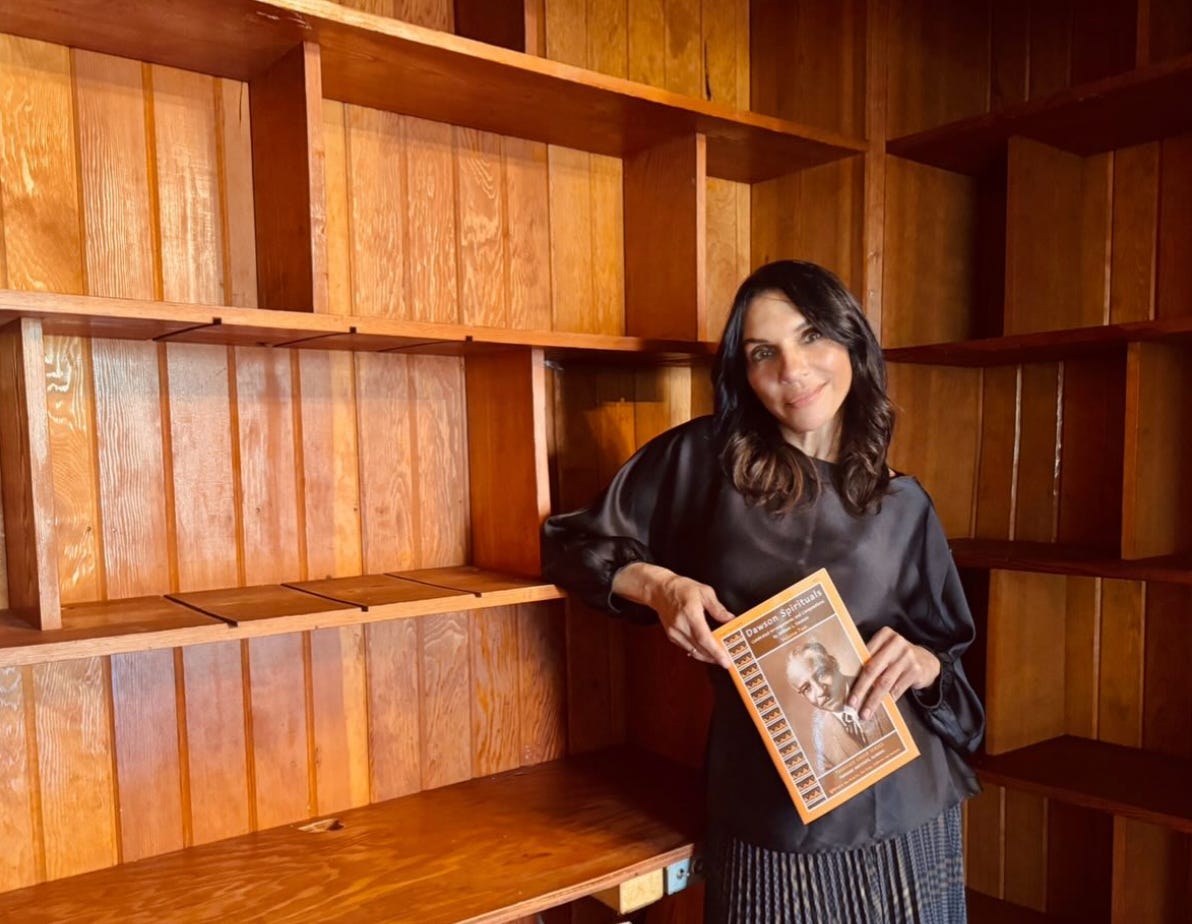
The closet in Dawson’s home study, where he kept scores and manuscripts
The day I spent on the Tuskegee campus brought me into contact with a world of music-making deeply rooted in lineage and community. My conservatory-to-concert-stage journey had in no way introduced me to the spirit that defines the sound and story of this ensemble, its century and a half of unbroken tradition honored and cherished by generations of young students whose lives are transformed and fueled by the same legacy of pride and dedication that guided William Dawson’s career.
What had been planned as a visit of two hours stretched into the late hours of the evening, as each of the students shared the reflection and writing they had created for my project, offering thoughts and feelings about what it is to be American today, and what we can hope and work for in the future.
My dear friend Lynne Dobson was with me that day. Lynne is a passionate supporter of what Bryan Stevenson calls “a new era of truth and justice” - the work that is being done across sectors and disciplines to make this country a better place. She was so moved by the music and ideas shared by these young people that she offered to sponsor the choir to join me at Lincoln Center, a few months down the road, as part of a concert marking the 250th anniversary of the nation by celebrating our music as the voice of resilience, resistance, hope and faith, in every generation and every struggle.
And so it was that last month the Tuskegee University Golden Voices Concert Choir took the stage at David Geffen Hall to join me, the American Composers Orchestra, Christian McBride, Aoife O’Donovan, and other great American musicians whose artistry defines our time. It was a glorious evening (more about that later), and it made me think about how and why and where music happens. There are the triumphant, joyful moments - the ovations and the encores, the excitement of the concert hall and the recording studio. But also, there are the sacred spaces where we make music privately, alone or in community - where we make something that may or may not sparkle in the stage lights. Something that may, instead, be handed down to help the next generation shine like a morning star.
William Dawson chose a life of service to music. Maybe one triumph was enough. Maybe the pursuit of more Carnegie Hall moments was too complicated, or too compromising. But after all, there are many ways to get to Carnegie Hall. One of them is to build the future, to shape the lives of thousands of young people who will bring their own music into the world. And who knows where that music will end up?
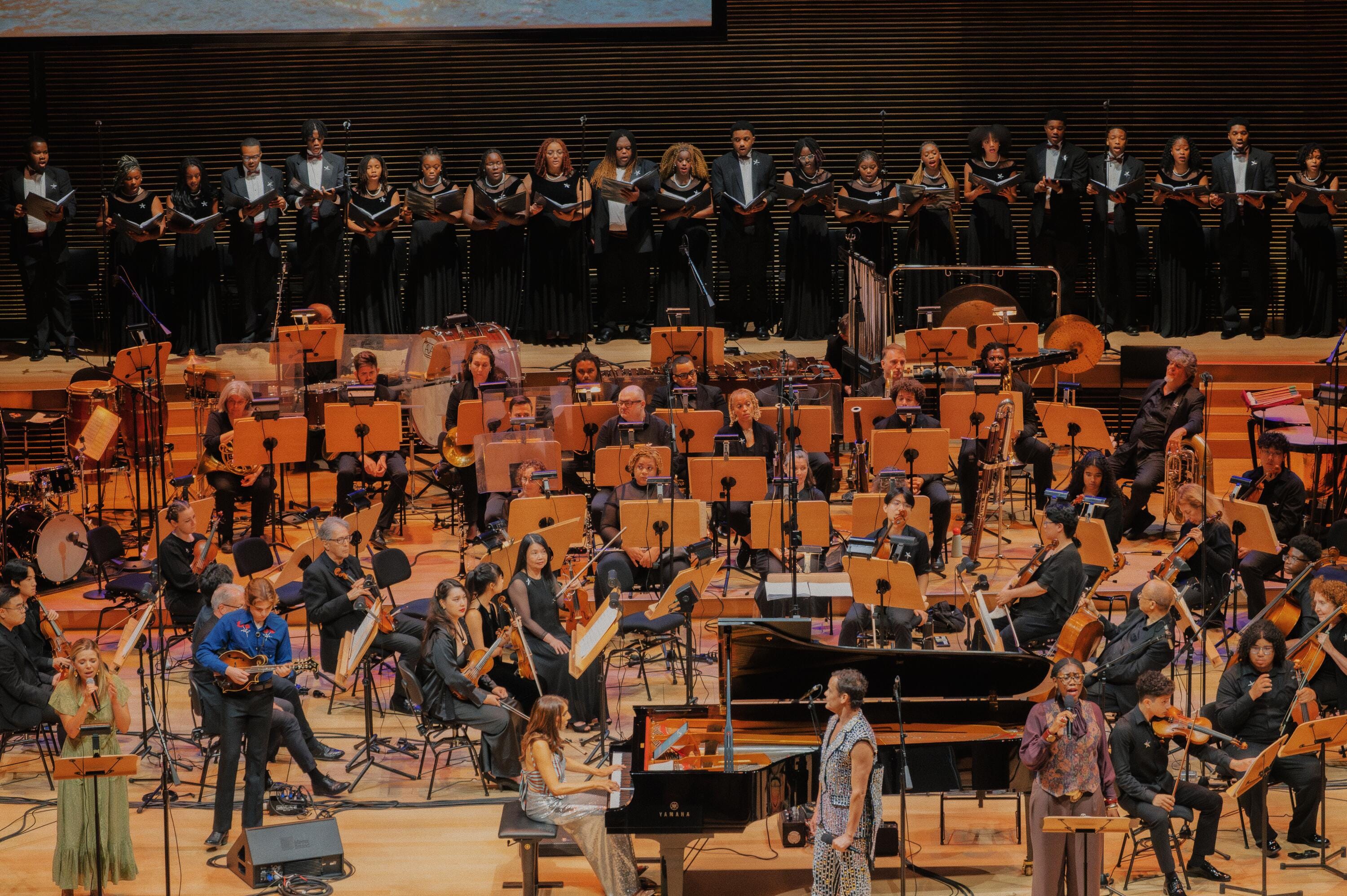
The Tuskegee Golden Voices Concert Choir onstage at David Geffen Hall, Lincoln Center in
Declaration: Songs of Democracy, Voices of Hope - July 1, 2026
No posts
Comments
Nothing yet. Say the first thing.
Sign in to join the conversation.