
Although most of January 2026 was “abnormally” warm and dry, as of this writing, the LA Native Plant Source Official Rain Gauge has registered over 18 inches of precipitation since California’s rain year began on October 1st of last year. That’s about four inches above the “average” for the entire season, which ends on September 30th. Given that the LANPS garden receives little to no supplemental water during the dry months of summer, the impact of all this rainfall couldn’t be more dramatic: an emerald explosion of lush, new growth.
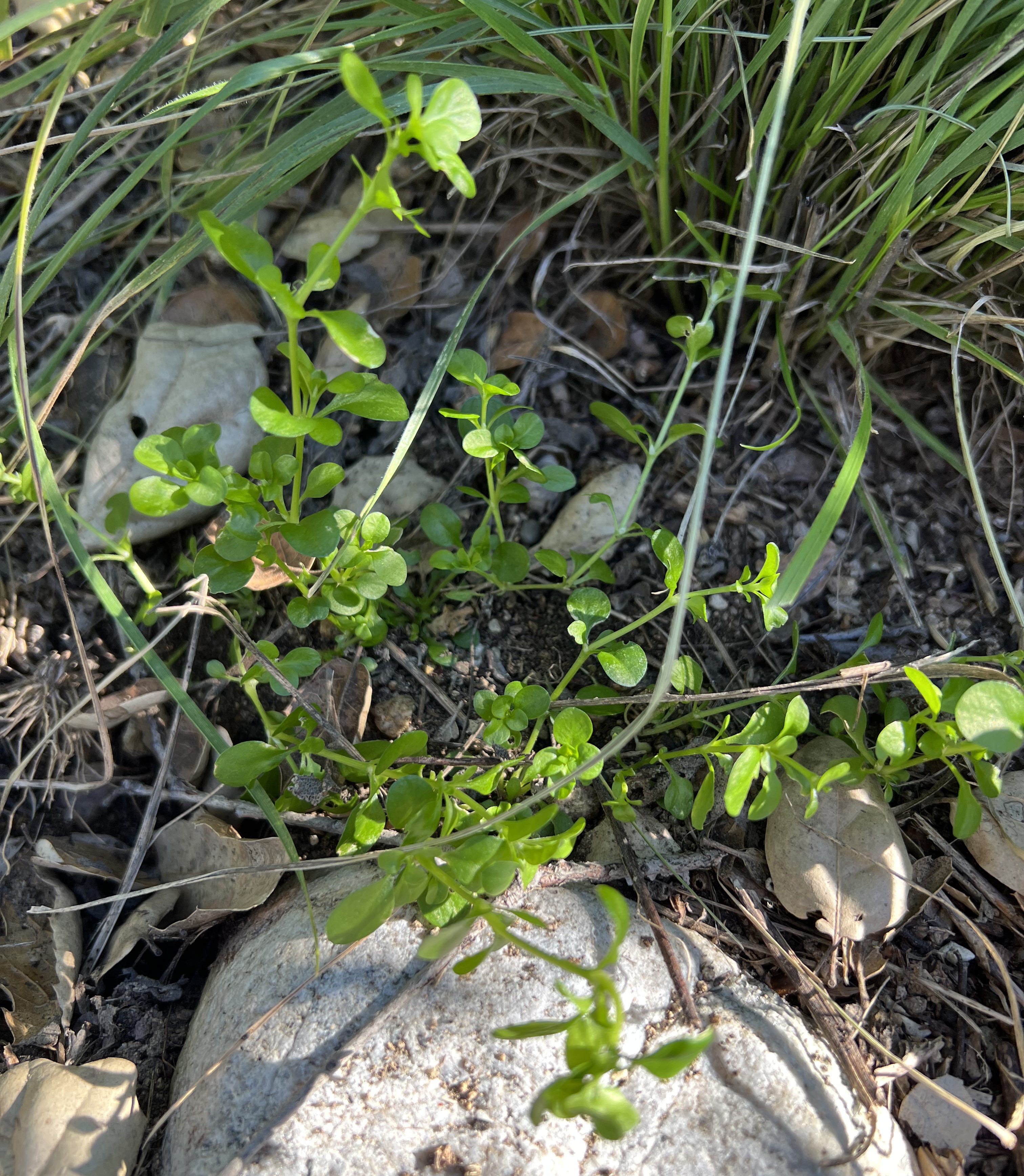
I couldn’t possibly be more grateful for all the rain that’s fallen so far, but it’s just axiomatic that along with dormant shrubs leafing out and scads of wildflower seedlings comes an equally explosive pox of exotic weeds: Nettleleaf Goosefoot; Common Wild Oat; Cheeseweed; Sow Thistle; Bermuda Buttercup; Fourleaf Manyseed; and the truly pernicious Common Chickweed.
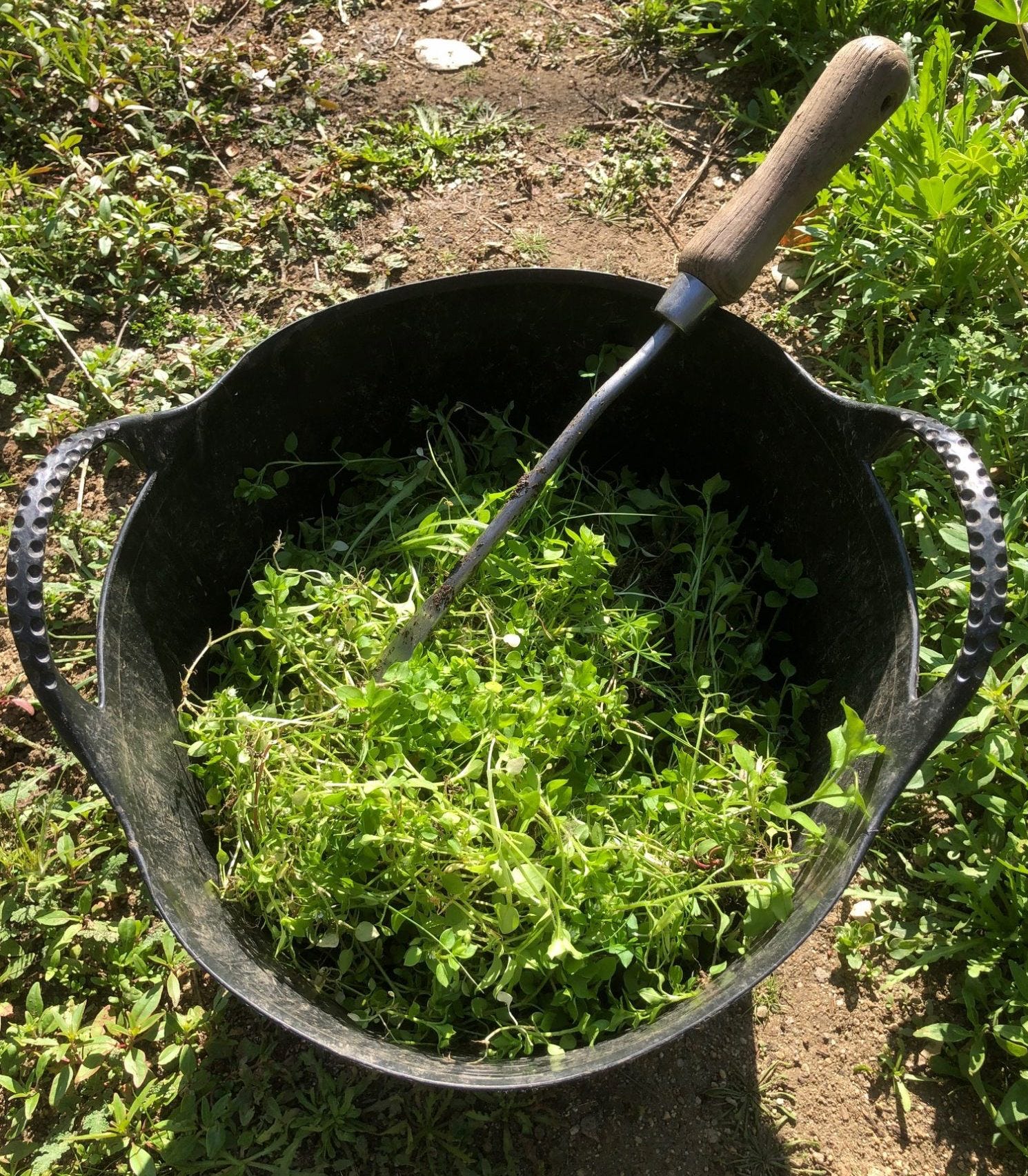
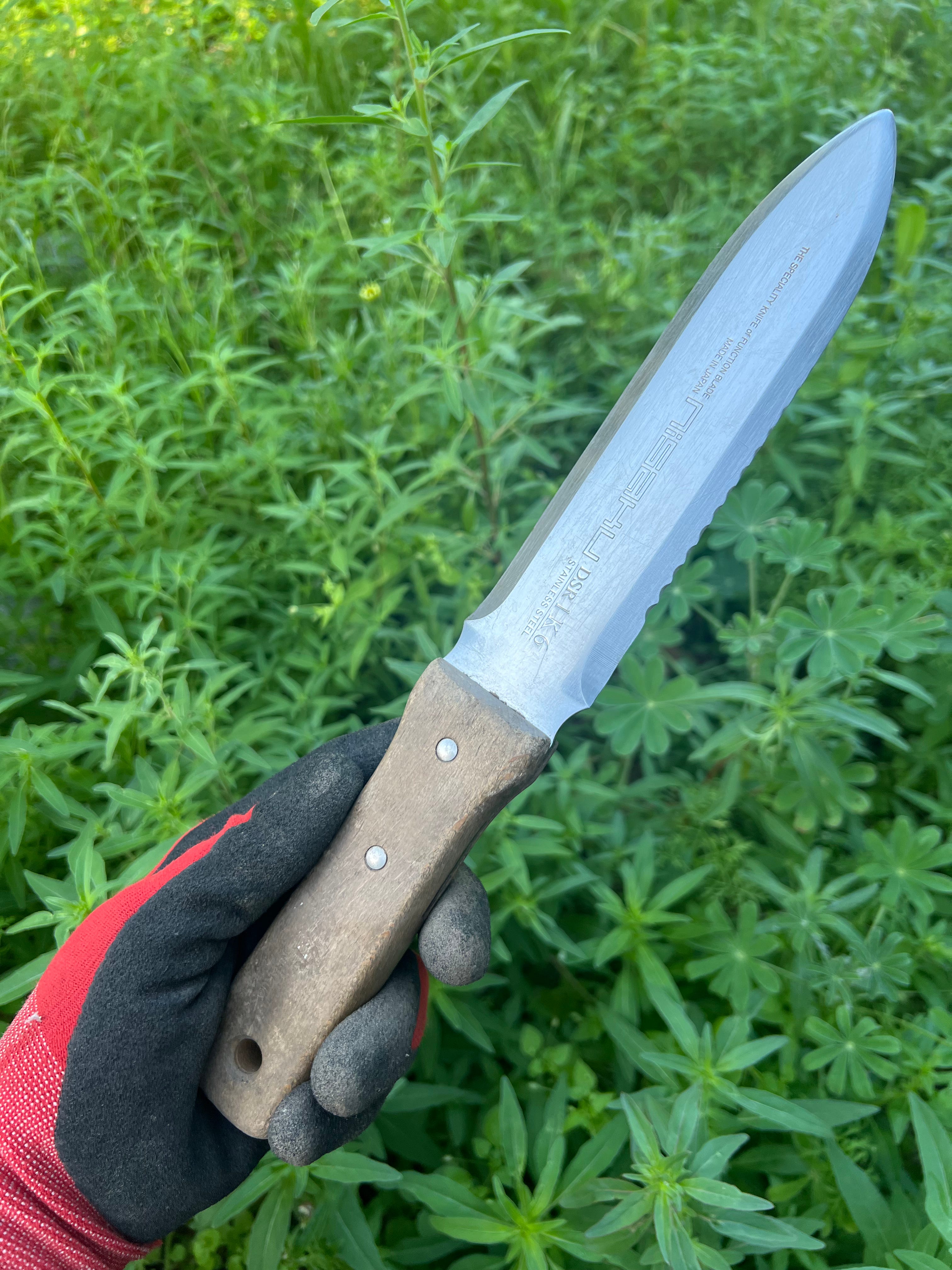
Thankfully, these diabolically invasive populations have declined dramatically in my garden after more than 20 years of mechanical control (i.e., weeding). However, keeping them in check still requires a lot of time and effort. Even one season of neglect can mean wall-to-wall weeds the following year. So, armed with my trusty Hori-Hori, I’ve already clocked dozens of hours weeding since last fall and will no doubt spend many more over the next several months.
While all gardeners have an obvious investment in controlling weeds, California native gardeners have a uniquely fraught relationship with these too familiar strangers. After all, a conventional garden is already full of exotic plants. The “true” weeds, which also just happen to be exotic, merely add to the list. In a native garden, by contrast, weeds are starkly “other,” a host of enervating and disruptive competitors from some other part of the world. They’re even recognized as such by local species via the mycorrhizal “Wood Wide Web,” the subterranean, fungal network through which plants communicate, cooperate and share nutrients. It’s as if there’s a conversation among like-minded individuals going on underground, but the weeds don’t speak the language. (This may be one of the reasons why eliminating shallow-rooted exotic grasses and other weeds from the understory of a mature Coast Live Oak (Quercus agrifolia) can dramatically improve the health of the tree.)
If you believe, as I do, that every native plant put in the ground by human hands represents a small gesture of healing and reparation, then it follows that the elimination of exotic weeds is its corollary, and that removing what doesn’t belong to the land is as vital as planting what does. So while it may not be the most glamorous chore we’re tasked with as native plant gardeners, weeding is certainly among the most essential and, I would argue, among the most profound.
What Makes a Weed a Weed?
According to no less an eminence grise than Ralph Waldo Emerson, a weed is “a plant whose virtues have yet to be discovered.” With all due respect Waldo, that is just complete bullshit. Nobody is arguing that plants classified as weeds have no inherent value or the same right to exist as any other life form on the planet. They just don’t belong where they happen to be growing, and being ruderal species (introduced plants that thrive in environments disturbed by human activity), their rampant growth habits overwhelm and even threaten native plants that haven’t evolved to compete with them. When that happens, the population of insects who depend on the availability of co-evolute plants for their sustenance and survival begins to decline, reducing biodiveristy all the way up the food chain.
How Did They Get Here?
Our modern, weedy cohort is largely an artifact of the European invasion of California that began centuries ago. In addition to their religion and various communicable diseases, the conquistadors brought their horses, sheep, goats and pigs with them. That meant a lot of dung, which, in turn, contained a lot of stowaway, foreign seeds.
Imagine it’s 1542 (the year the first Spaniards arrived), and the first, imported European livestock animal is dropping a pile of steaming manure full of European seeds on a random spot of what would one day be known as California. Not unlike William Butler Yeats’ “Leda and the Swan,” in which
“A shudder in the loins engenders there
The broken wall, the burning roof and tower
And Agamemnon dead,”
the eventual disappearance of the vast wildflower fields that once covered this part of the world can be traced back to that anonymous herbivore’s single, excretory act.
Beyond such stealth contamination, some of the state’s weedy pestilence was purposely introduced in what can only be characterized as a darkly naive act of early modern, environmental vandalism. Black Mustard, for example, an aggressive European weed that throttles our foothills to this day, is said to have been sown by missionaries along the “El Camino Real” because the resulting clouds of yellow flowers reminded them of home. Chickweed was imported as a medicinal herb. Unfortunately, once they took root here, Black Mustard, Chickweed and the rest of their weedy brethren took up permanent residence in California, where they have been destroying swaths of habitat ever since.
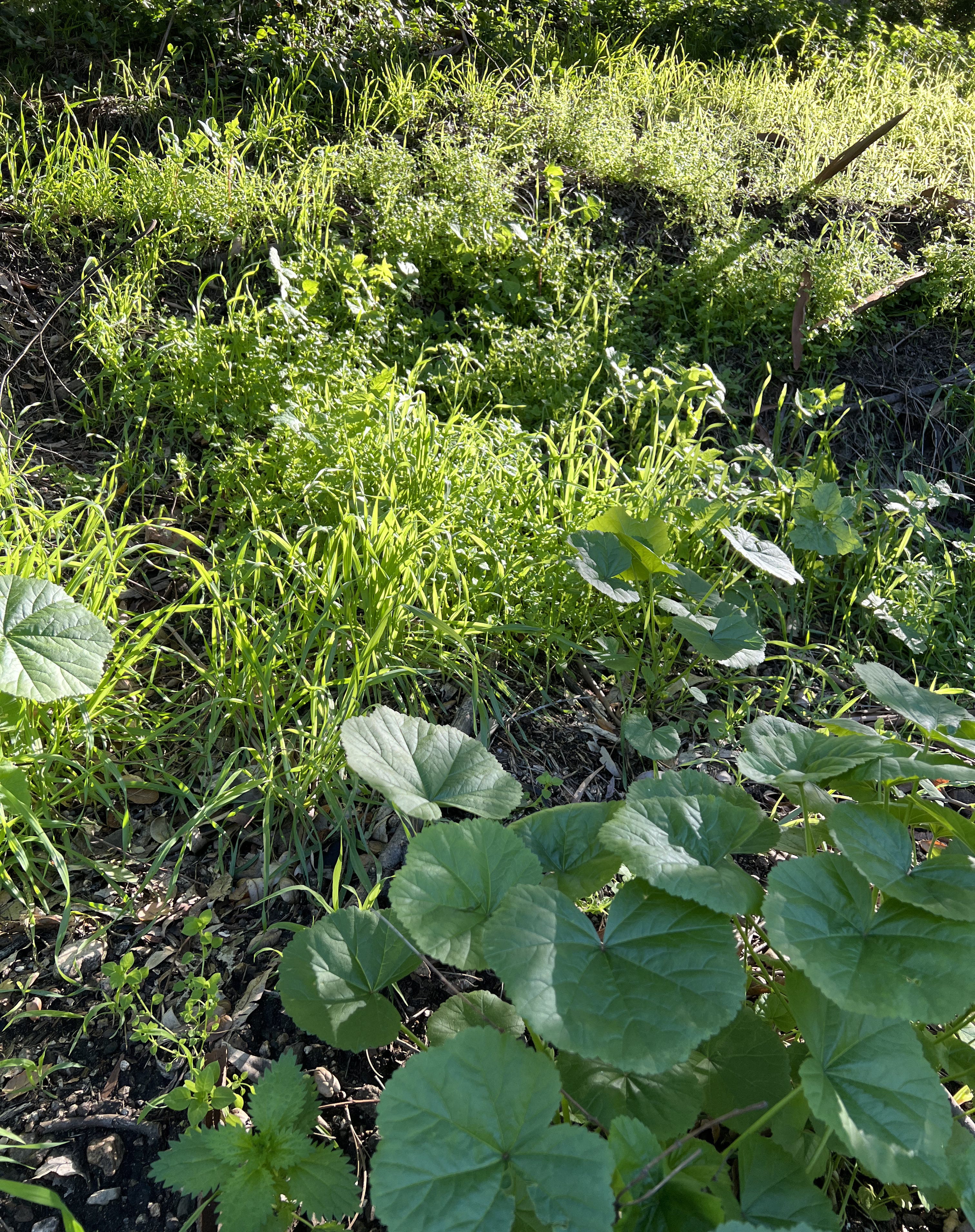
Paradoxically, the same human agency that unthinkingly brought this plague to California can also be harnessed to displace it, at least temporarily. Given that it’s in the nature of a garden to be demarcated in some way, it can be kept relatively free of weeds, thereby providing the local flora (and fauna) a desperately needed breathing space within its precincts. A garden of native plants in which exotic weeds are controlled is thus a kind of refuge in the middle of a great pestilence, a small island of sanctuary in a sea of weeds.
Which brings me to the “life-changing magic” part.
Once upon a time, what is now the LA Native Plant Source garden was nothing but a dense jungle of waist-high weeds and invasive exotics like Periwinkle and Morning Glory. Back then, it was all I could do to pull the weeds out once a year, hauling them away laboriously right before the fire clearance deadline in June. It was only when I started weeding strategically, timing my efforts throughout the year to interrupt their reproductive cycle, that this futile, back-breaking ordeal finally came to an end. It took many years, but eventually, the annual bumper crop of weeds started to noticeably dwindle until, in some areas of the garden at least, it all but disappeared. Even the garden’s natural leaf litter, which had formerly seemed to somehow vanish into the weedy maw, began piling up, resulting in an ever thicker layer of mulch that made it harder for weed seeds to germinate, a kind of positive, self-reinforcing feedback loop.
Aside from the obvious benefit of being able to actually walk from one end of the yard to the other without a machete, I began to notice a completely unexpected effect of finally reining in the garden’s weedy disturbance: as if by magic, a surprising number of California native plant species began to spontaneously appear.
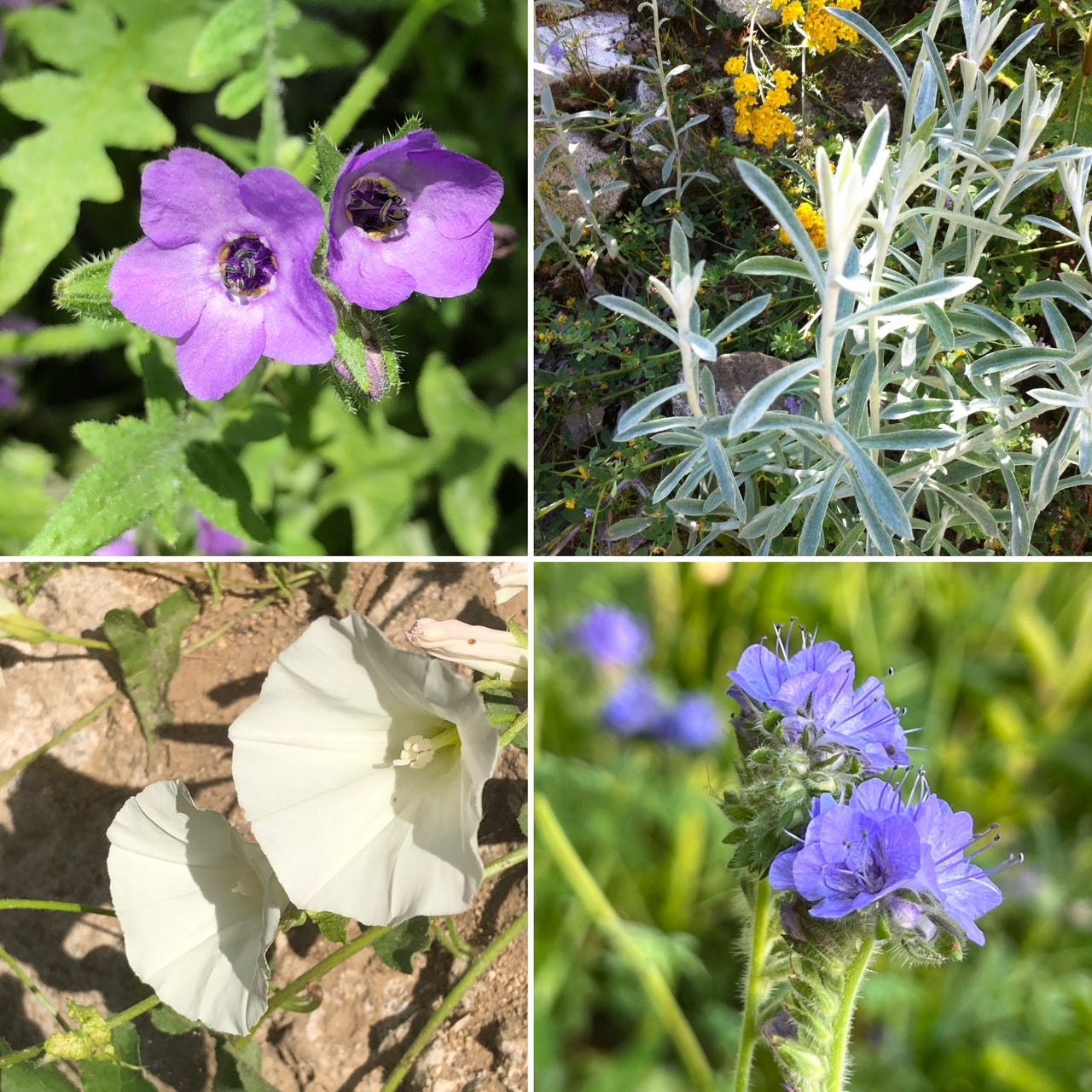
I have sometimes wondered if the seeds of such local species as Deerweed (Acmispon glaber) and Wild Heliotrope (Phacelia distans) that started popping up were deposited in the newly liberated soil by birds, or if, more intriguingly, they had been lying dormant in the seed bank for generations, patiently waiting for their literal moment in the sun. Over time, the shoots of Blue Elderberry (Sambucus nigra ssp. caerulea), Toyon (Heteromeles arbutifolia), Laurel Sumac (Malosma laurina) and Southern Black Walnut (Juglans californica) also began to show up, as did Fiesta Flower (Pholistoma auritum), Island Morning Glory (Calystegia macrostegia), Poison Oak (Toxicodendron diversilobum), Douglas’s Nightshade (Solanum douglasii), Miniature Lupine (Lupinus bicolor) and three members of the Cudweed genus Pseudognaphalium: californicum, microcephalum and bioletti. Even the acorns from the garden’s mature Coast Live Oaks (Quercus agrifolia) began to sprout and take hold with more success. It was as if a terrible curse that had kept the land from expressing its true nature for centuries, had finally been lifted.
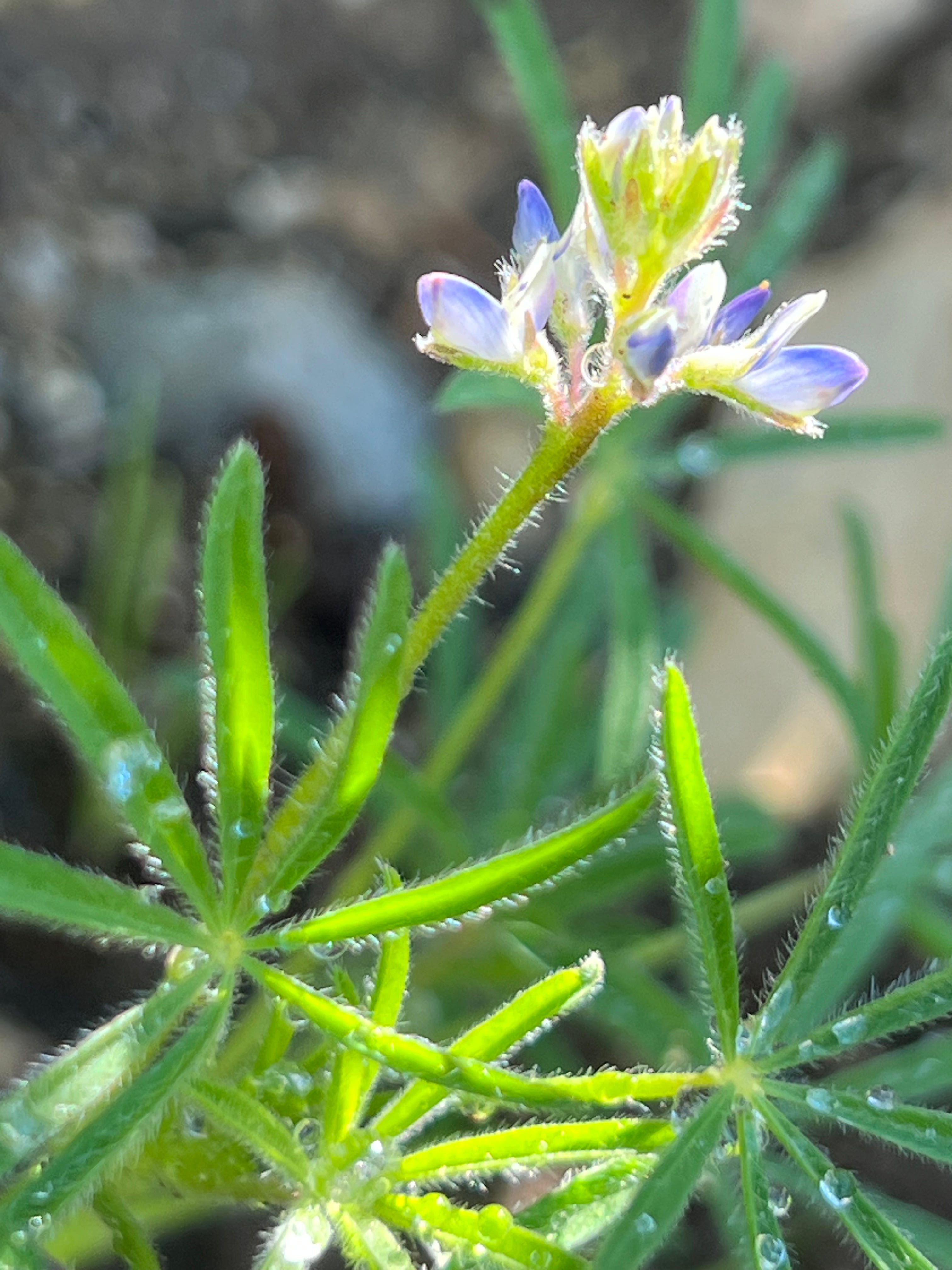
I’d like to say that the native plants in my garden all lived happily ever after and that I never had to weed again, but as I hope I’ve already demonstrated, the price of a weed-free garden in California is eternal vigilance. Weeds, and therefore weeding, are forever.
While that may be true, as stalwart California native gardeners, we at least have the power to free our individual plots of land from the burden of introduced weeds as long as we live and breathe. Whether or not the weed-free zone of your garden experiences the same kind of spontaneous repatriation of native species as occurred in mine, controlling your weeds will doubtless yield other, tangible benefits. You might observe, for instance, increased growth and vigor, a higher success rate for new plants, faster naturalization of extant species and even, dare I say, an ineffable aura of “happiness” in your native plants as they party like it’s 1541, finally able to photosynthesize in peace, untroubled by adversarial, resource-sucking weeds.
Heal your own patch of native soil and watch it flourish. If you weed it, they will come.
– Eric Ameria
Comments
Nothing yet. Say the first thing.
Sign in to join the conversation.