The Right Abstraction Changes the Problem
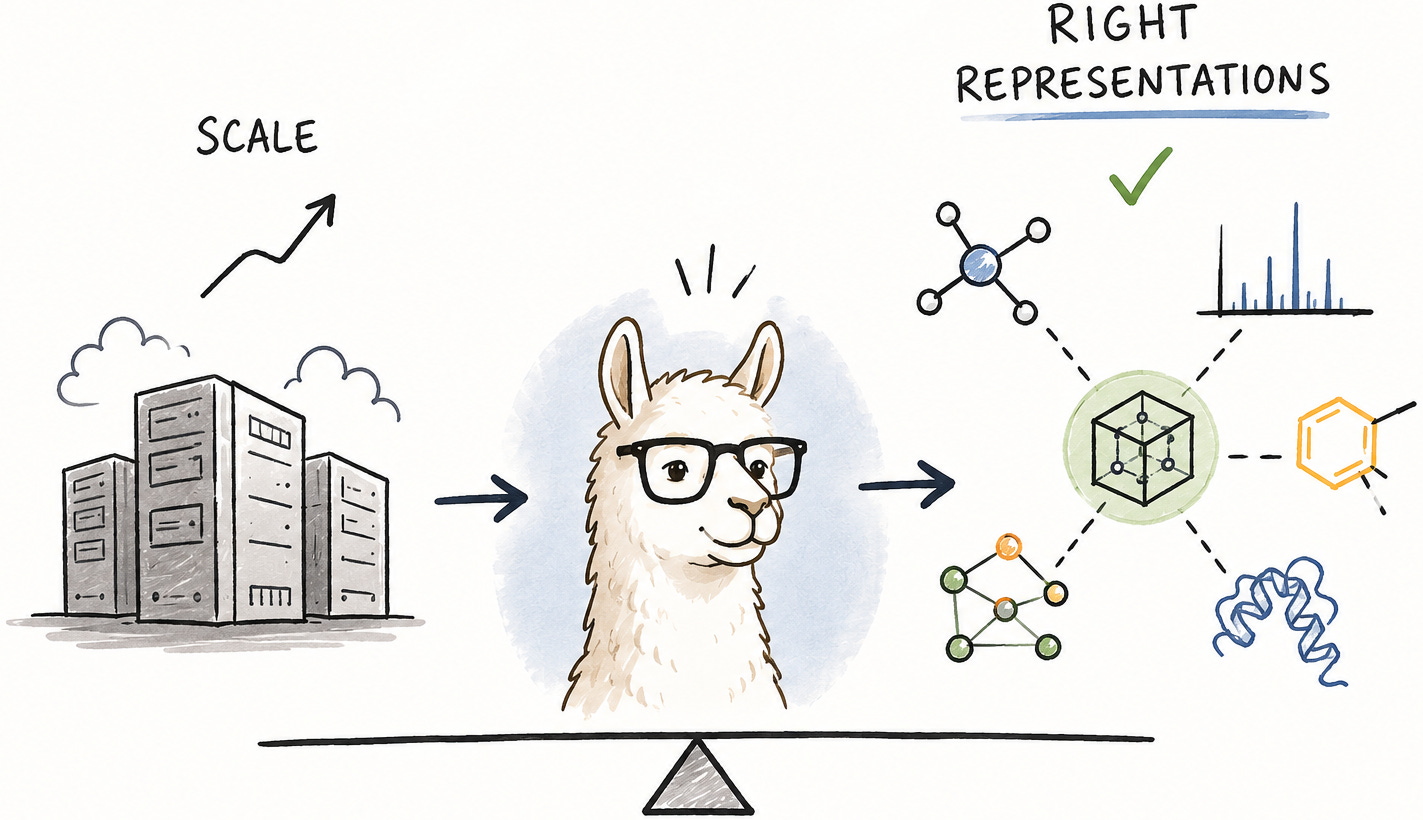
More compute and larger models are not always the most interesting way forward.

Laboratory for AI for Materials. Led by Kevin Jablonka.
Live Last read · last published · next check
More compute and larger models are not always the most interesting way forward.
Over the past few years, the dominant narrative in Deep Learning has been simple: larger models, more data, and more compute lead to better performance.
Noisy synthetic data can improve pretraining.
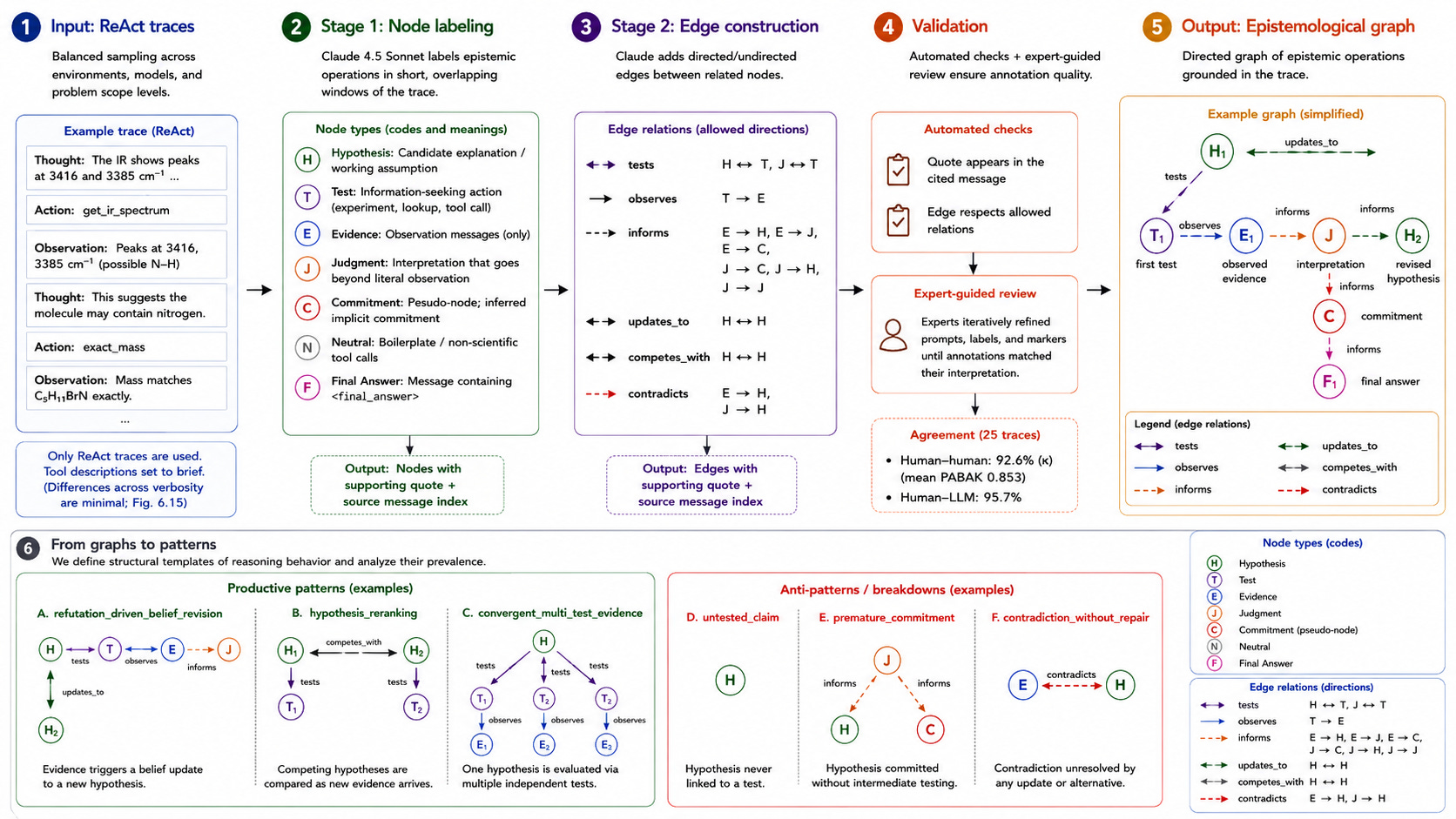
AI scientists often look like they are doing science. Their traces tell a more insightful story.
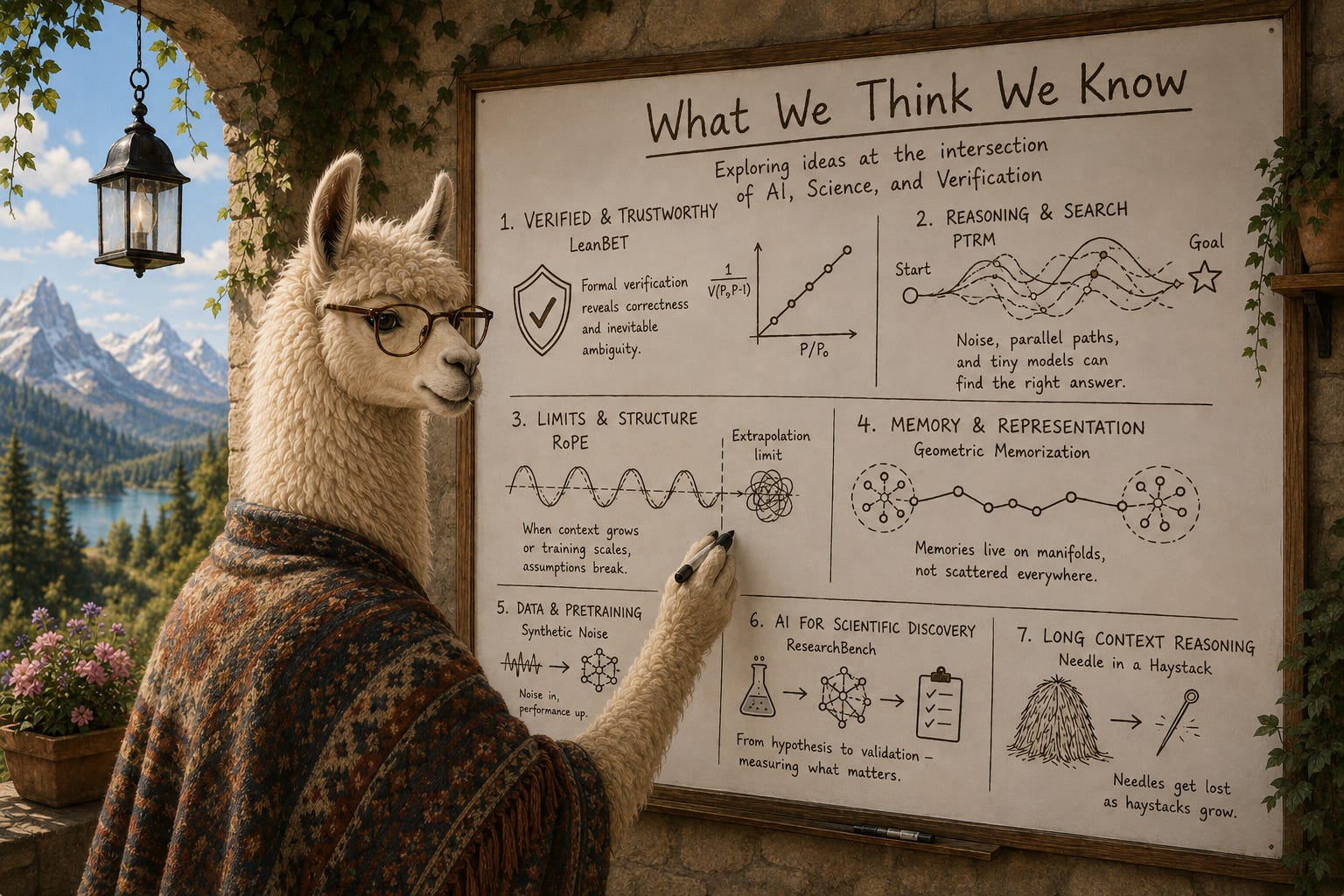
Over the past weeks, we found ourselves repeatedly returning to the same broader question: what kinds of reasoning, structures, and practices are actually needed for AI systems to become reliable partners in scientific work, and if AI can do science on its own?
Last week, we organized a one-day group retreat to reflect on our projects, how we work together, and where we see the field heading.
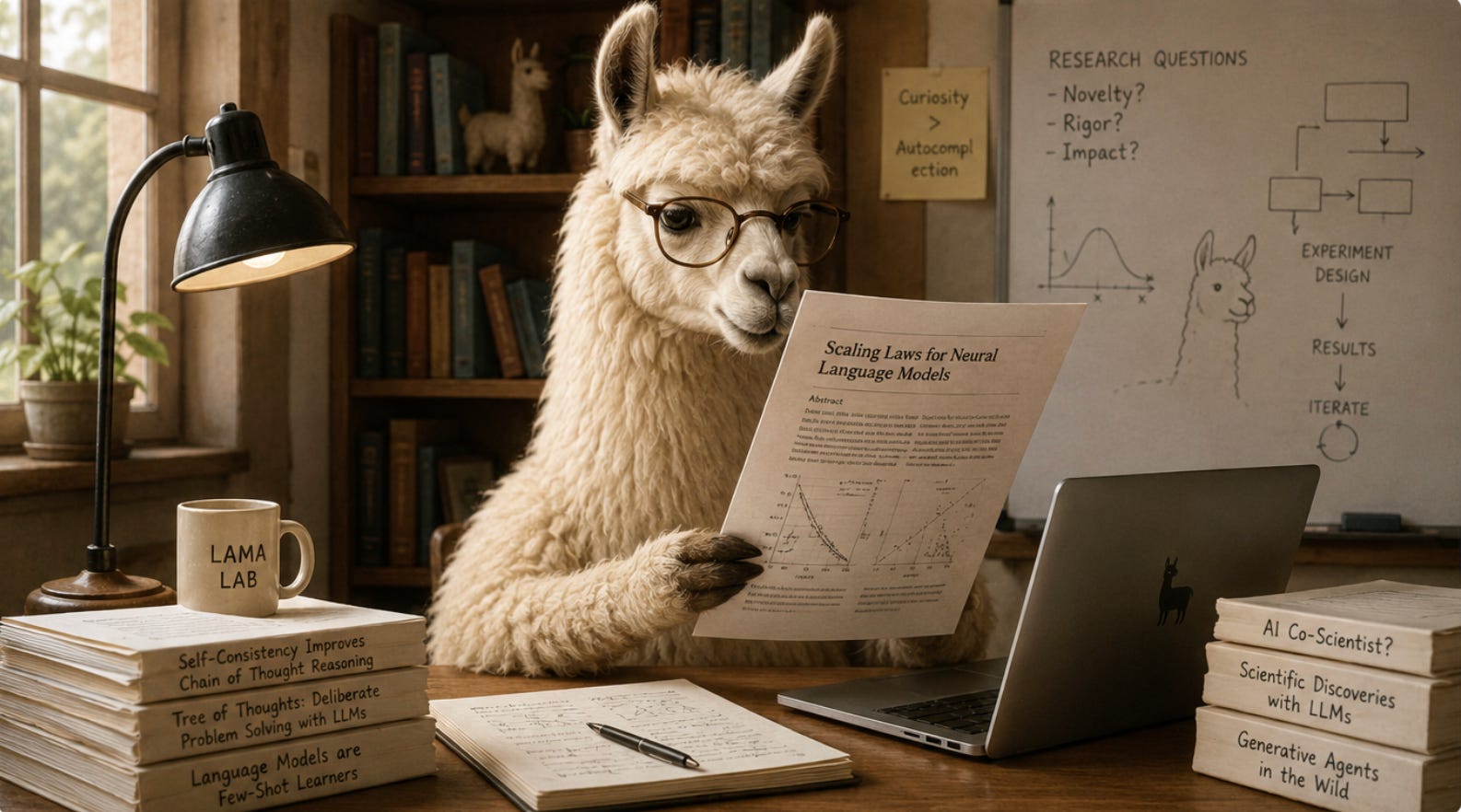
Keeping up with the current pace of published papers seems close to impossible — especially if you work in a cross-domain field.