
Summary: The historic ranch house at Anderson Marsh State Historic Park has reopened for scheduled tours after years of closure and restoration work following the 2016 Clayton Fire. Built in stages beginning in 1855, the house preserves layers of Lake County’s settler history alongside a much older Indigenous presence tied to the Koi Southeastern Pomo people. Restored rooms, furnishings and everyday tools trace the lives of the Grigsby and Anderson families and the ranching economy they built. The reopening returns a central interpretive site to a park shaped by more than 14,000 years of human history.
“We are not makers of history. We are made by history.” — Martin Luther King Jr.
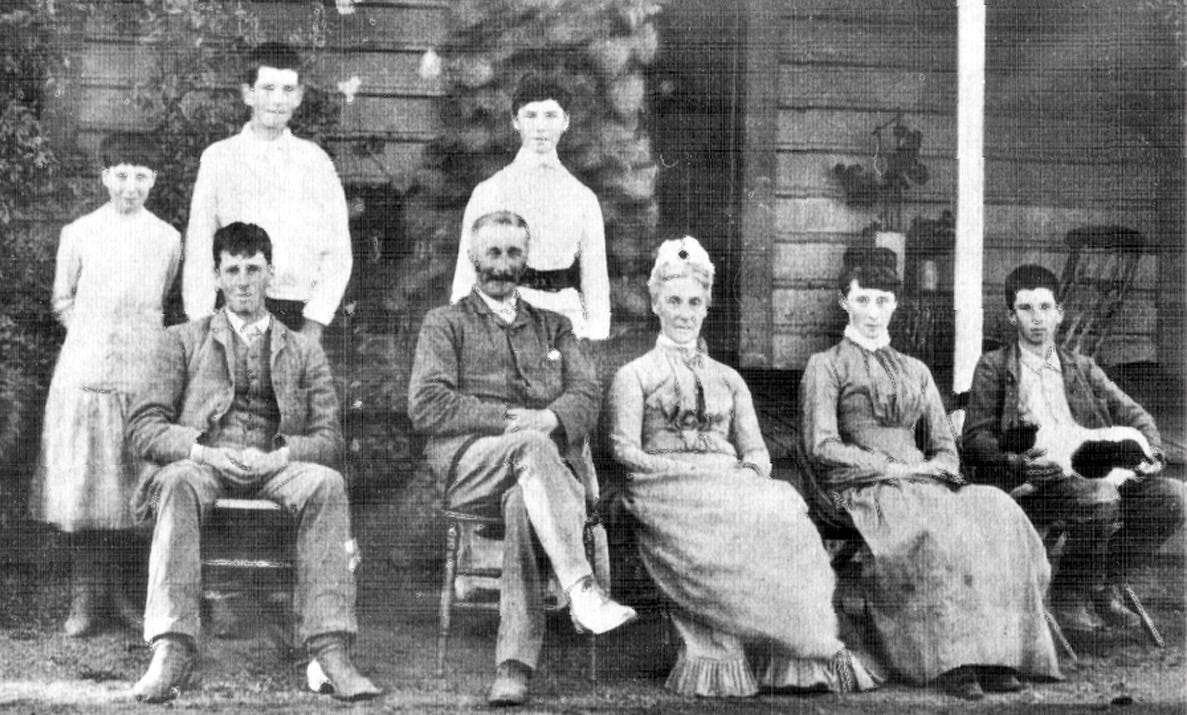
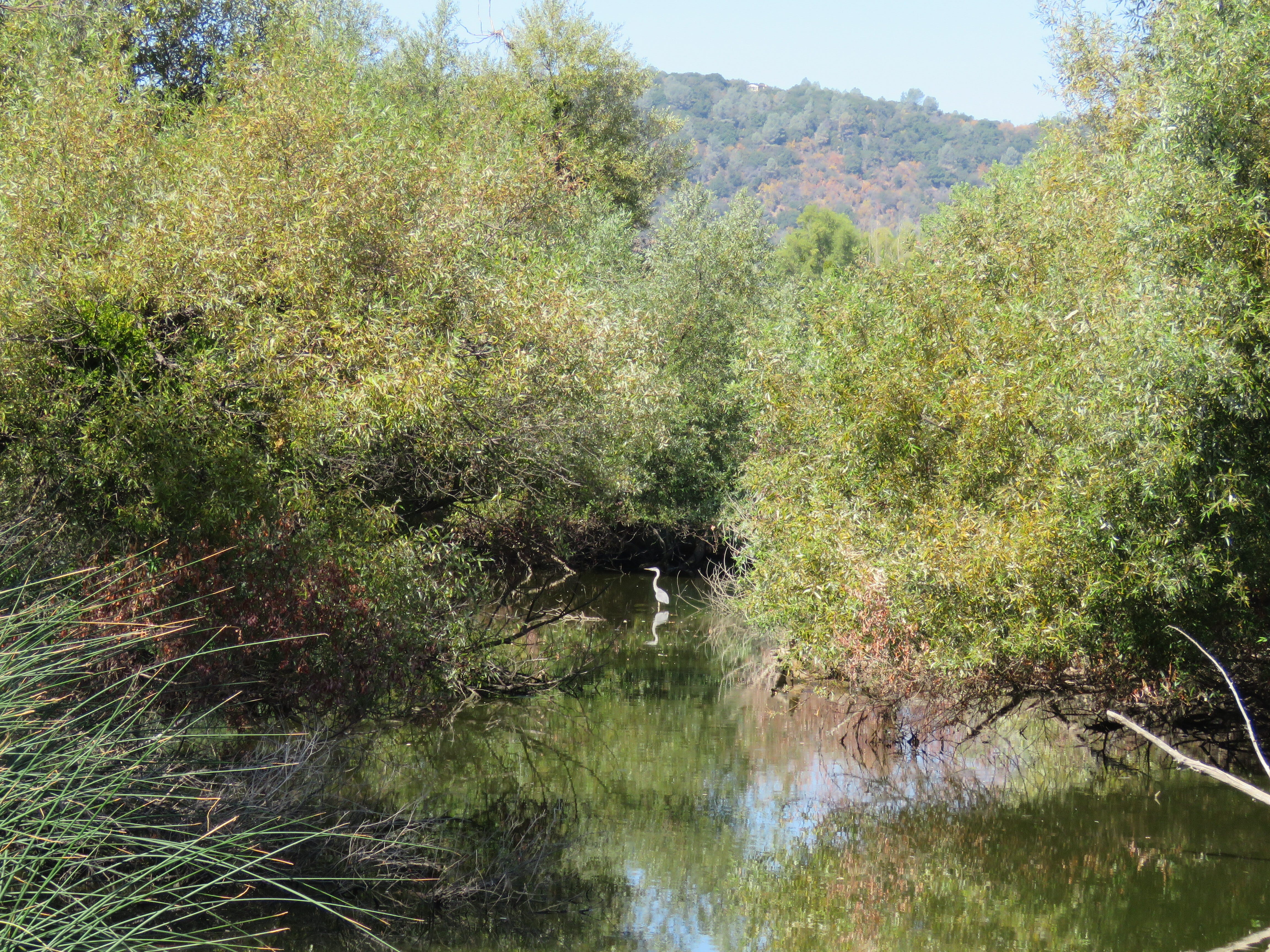
LOWER LAKE, Calif. — Anderson Marsh State Historic Park in Lower Lake, with more than 1,000 acres of grass-covered hills, oak woodlands, riparian setting and tule habitat, offers much to enjoy. Besides Indigenous history, archaeological features and five distinct hiking trails, the park’s historic ranch house is once again open for tours at designated times listed on the Anderson Marsh Interpretive Association site. AMIA supports the park by serving the interpretive needs via memberships and fundraising in order to restore the 19th-century ranch house and support cultural and natural resource preservation and park events.
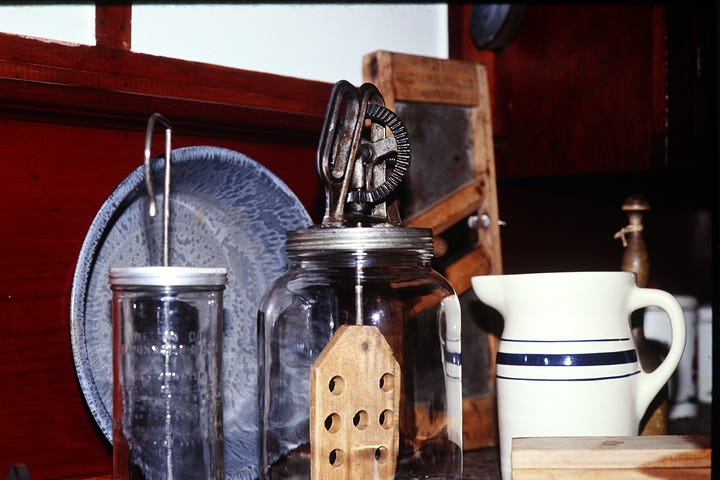
This historic site is a prime example of Lake County’s European immigrant experience, with portions of the home spanning the 1850s, 1880s and 1920s. The house is one of the oldest in Lake County. Some years ago I gave tours and attended meetings in the house as a board member. Especially fond memories include churning butter with descendants of the Anderson family during the Blackberry Festival that took place there for many years. Unfortunately, August days got too hot and volunteers for the event that hosted thousands dwindled.
Before its reopening on May 9, the house was closed to the public for years after the 3,929-acre Clayton Fire took around 300 structures in 2016 and burned some of the park’s land. The house was spared, but it had to be evacuated. It seemed like a good time to get much-needed repairs done, as well as to refurbish furniture and artifacts.
The park, set upon ancient Clear Lake, was home to the Koi Southeastern Pomo people who thrived there for more than 14,000 years. Some 30 prehistoric sites located in the park by archaeologists were the inspiration for the formation of the park. The rich cultural heritage here shows that the people then traded obsidian tools and magnesite stone beads while living lives of abundance since the fish, flora and fauna were fully accessible to them. Indigenous descendants today employ many of these same resources along with nearby Wappo, Wintun, Lake Miwok and other branches of Pomo cultures.
Settlers and trappers began filtering into the vicinity of the current parklands in the 1820s. But the original, pre-Civil War portion of the house situated at the park was constructed in 1855 by John Melchisedeck Grigsby from Tennessee. Grigsby was only 19 years old when he arrived in California, first joining family in Napa Valley. He and his brother, Tyrrel Lindsey, arrived via wagon train across the Sierra Nevada Mountains and constructed the house with friends out of rough-hewn redwood. John and his wife, Margaret Hale, raised a family of one girl and nine boys in the house. They raised livestock and agricultural produce on the ranch for 15 years. Grigsby sold the property to the Clear Lake Water Works Co. in 1870.
Next, Scottish immigrant John Still Anderson, who made the voyage in a clipper ship around Cape Horn from Edinburgh to San Francisco, purchased 1,300 acres at what is now the park. In 1886 Anderson added the west wing to the center portion of the house to facilitate his large family of wife Sarah and six children. The Andersons grew wheat, barley and hay for sale. They resided here until 1912, when five of the Anderson children focused on cattle-ranching after their parents’ deaths. The last member of the Anderson family residing in the home was Mora Anderson, who died in 1966 at age 87. She had arrived in California at age 8.
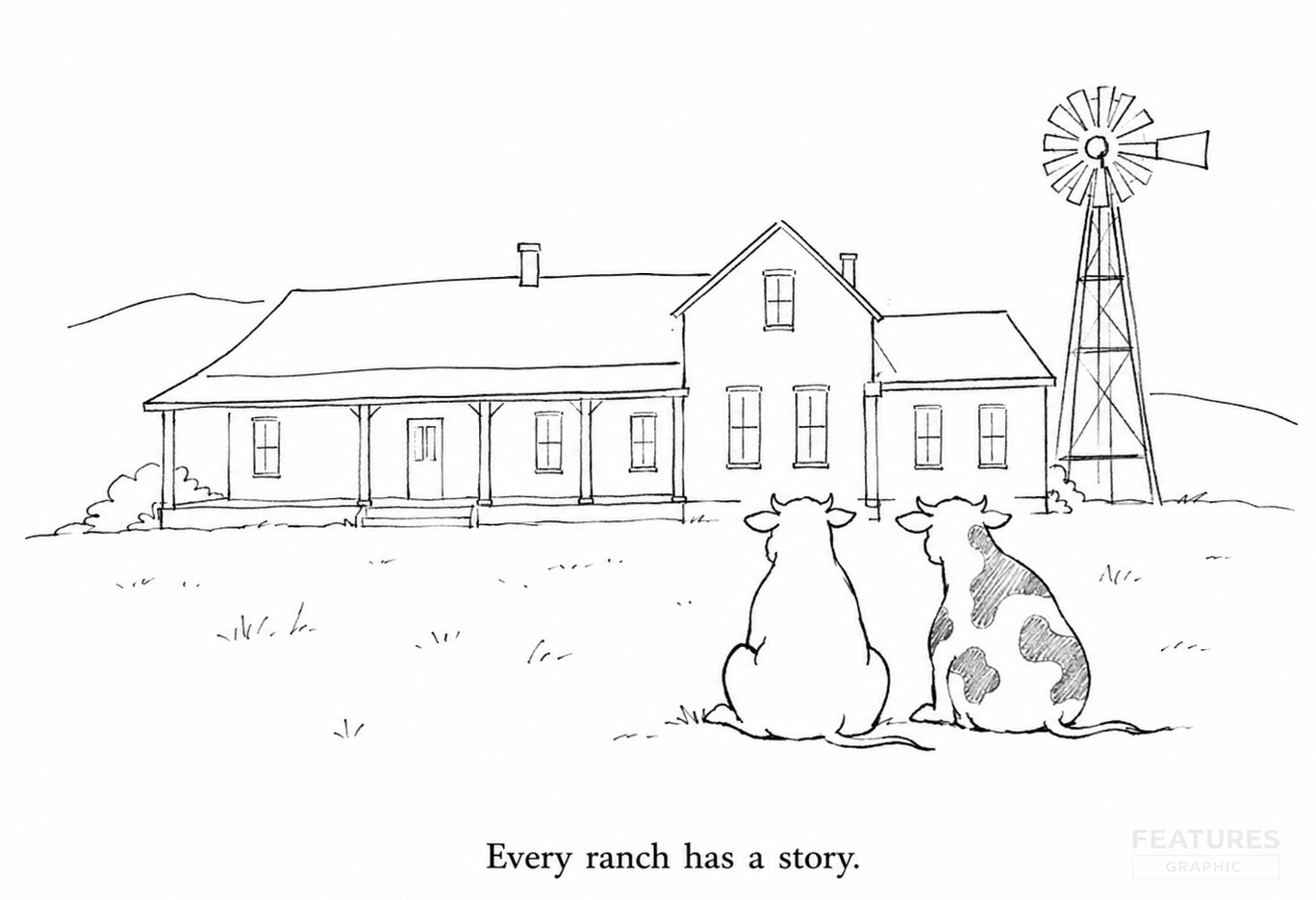
Outside the ranch house you can still see the corral where the Andersons penned some of their 350 red and white Polled Hereford cattle. Cattle were driven by horseback all way over Mount St. Helena and down to Calistoga, where they were collected by train to be sent to San Francisco.
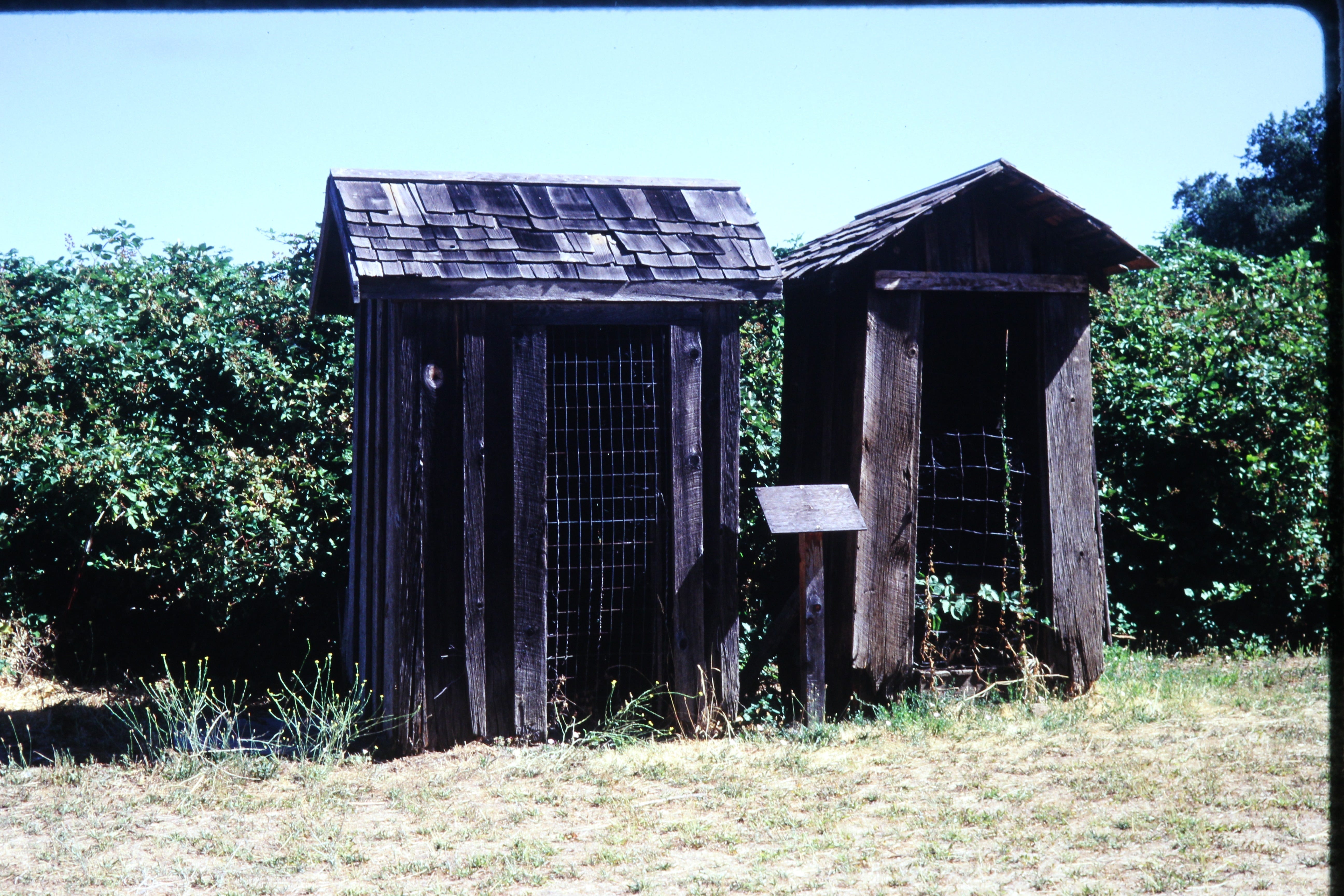
The old barn near the house was a much-used feature then, as was the windmill that is dated around 1910. It pumped water until electricity came to the area in the early 1920s. Then there was a cistern to store water. The outdoor privy or outhouse was a necessity. The smokehouse seen outside held many fond memories for descendent Winifred Minden, whose grandfather was John Still Anderson and whom I was lucky enough to work with over the years. She spoke of the delicious ham, bacon and sausage that was cured there.
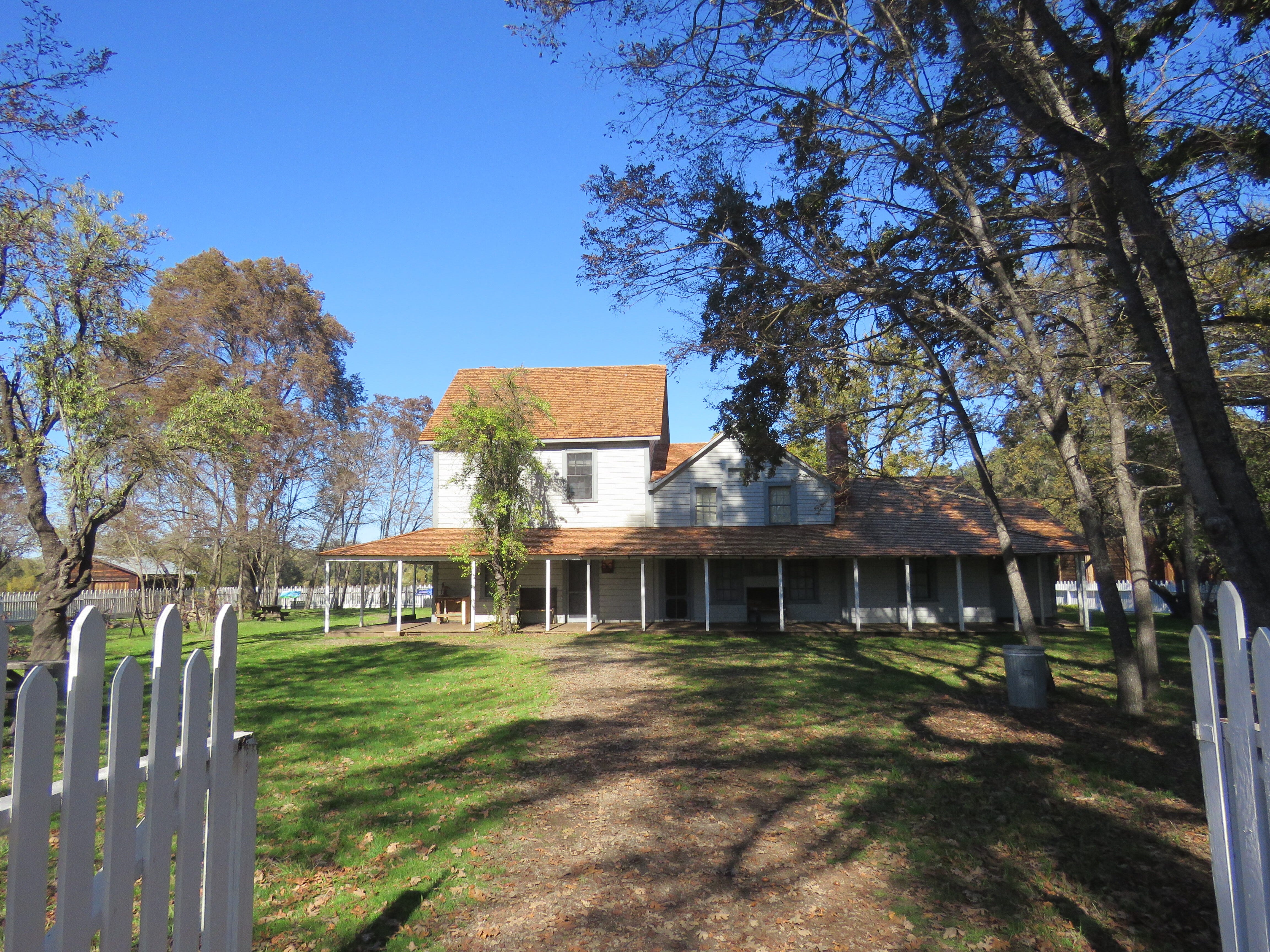
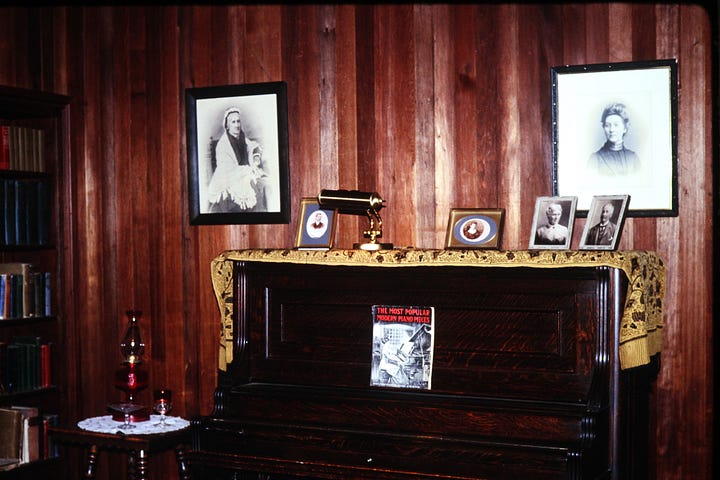
Between 1918-23 the Andersons added on the kitchen and east wing of the house. The parlor is redwood and has a high ceiling, a popular turn-of-the-century style. Redwood was hauled in by wagon from the Willits and Fort Bragg forests since it was economical and durable, as well as insect-repellent. The parlor was used for entertaining guests. North of the parlor is a small bedroom, once belonging to youngest son Charles. Above the parlor upstairs is the Andersons’ master bedroom. Their daughter’s bedroom was at the rear of the second floor. Anderson passed away in 1912 and his wife in1916 during an influenza epidemic. Four of the children who never married lived in the house for the remainder of their lives and operated the ranch.
“One of things that makes the Anderson Ranch House so special is the fact that the inside was never remodeled,” said Henry Bornstein AMIA board member, grants coordinator and naturalist. “Mora Anderson lived in the ranch house until she died at the age of 87, and she wasn’t interested in any ‘new-fangled’ changes. The result is that the ranch house is probably the only existing Lake County vernacular ranch home that has been preserved in its original condition, providing a unique opportunity for visitors to see what life on a Lake County cattle ranch was like in the past.”
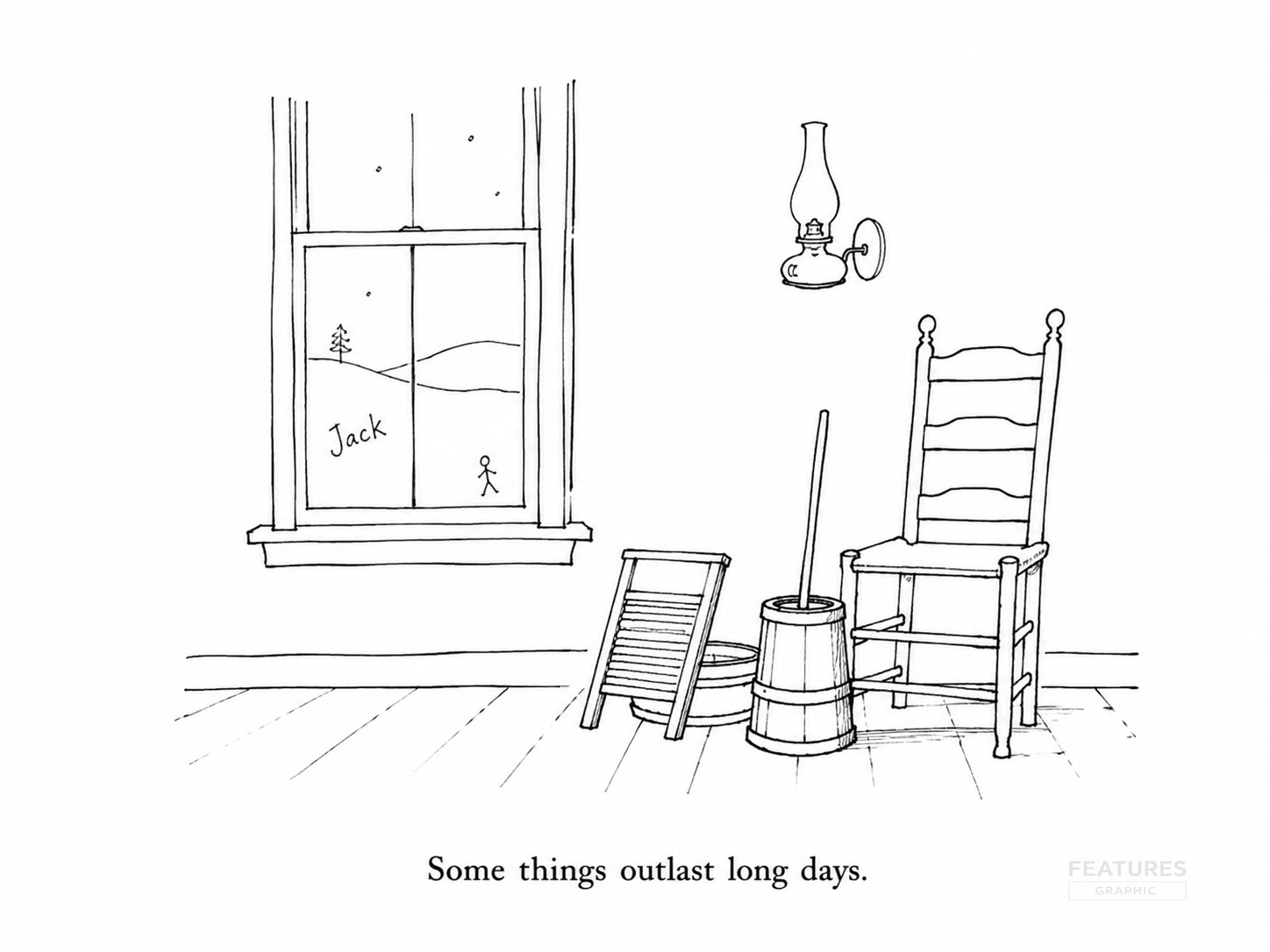
When they were young, one of the children etched a stick figure in the lower left corner of the dining room window. It is believed that daughter Mora attempted her name by etching with a Lake County diamond, but it looks like “mop.” Another etching says “Jack,” the nickname of son John. Bubbles and pits of the originally manufactured glass panes of the 1880s are also visible. Since electricity didn’t come to this area until the 1920s, candles and kerosene lamps provided light.
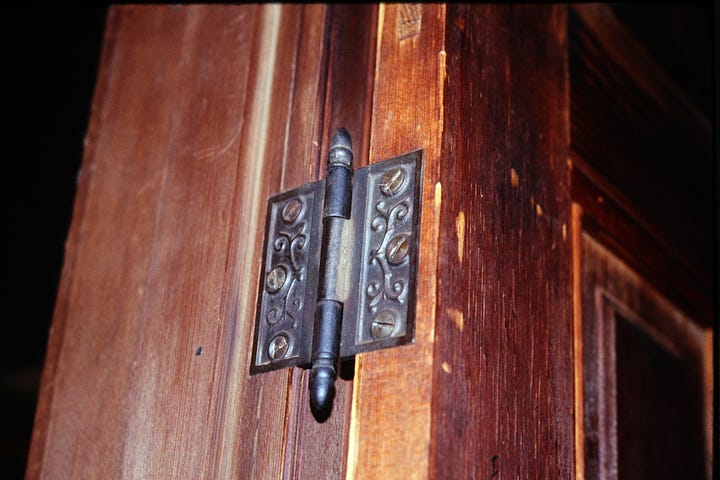
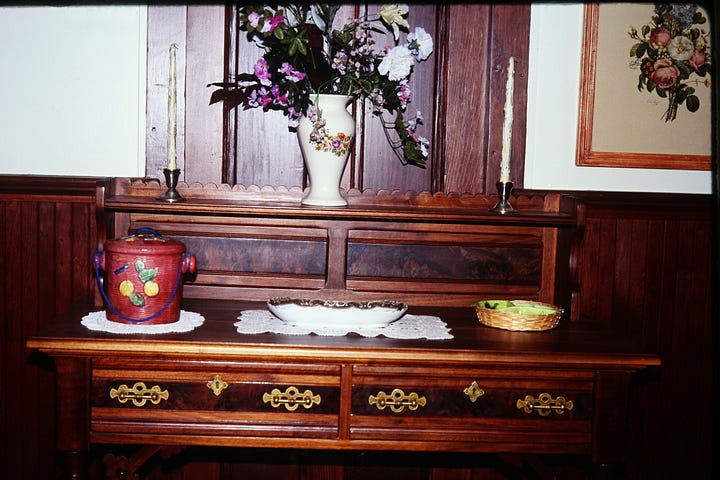
Other items on display in the house include paintings from Scotland, crown molding ceilings, original cast door hinges, a Magneto telephone and a hand-held stereoscope that is a device used for viewing images mounted on a stereograph card. The washboard was the only way to scrub clothes. Old butter churns, a mayonnaise maker, a wood stove with a hot water tank on top, irons for heating on the wood stove to iron clothes and a wire soap-saver to aid in using up bar soap are also here. A chamber pot was kept in the bedrooms prior to indoor plumbing to save night trips to the outhouse.
Ah, the gold old days!
Located at Anderson Ranch Parkway off Highway 53, Lower Lake, 707-279-2267. The parking fee is $4 ($3 for seniors), and no dogs are allowed. Check the website for tour times.
—
Kathleen Scavone, M.A., retired educator, is a potter, freelance writer and author of “Anderson Marsh State Historic Park: A Walking History, Prehistory, Flora and Fauna Tour of a California State Park,” “People of the Water” and “Native Americans of Lake County.” She loves hiking, travel, photography and creating her single-panel cartoon, “Rupert.”
—
The views, opinions and data presented in this article are those of the author and do not necessarily reflect the official policy, position or perspective of Lake County Features or its editorial team. Any content provided by our authors is their own and is not intended to malign any group, organization, company or individual.
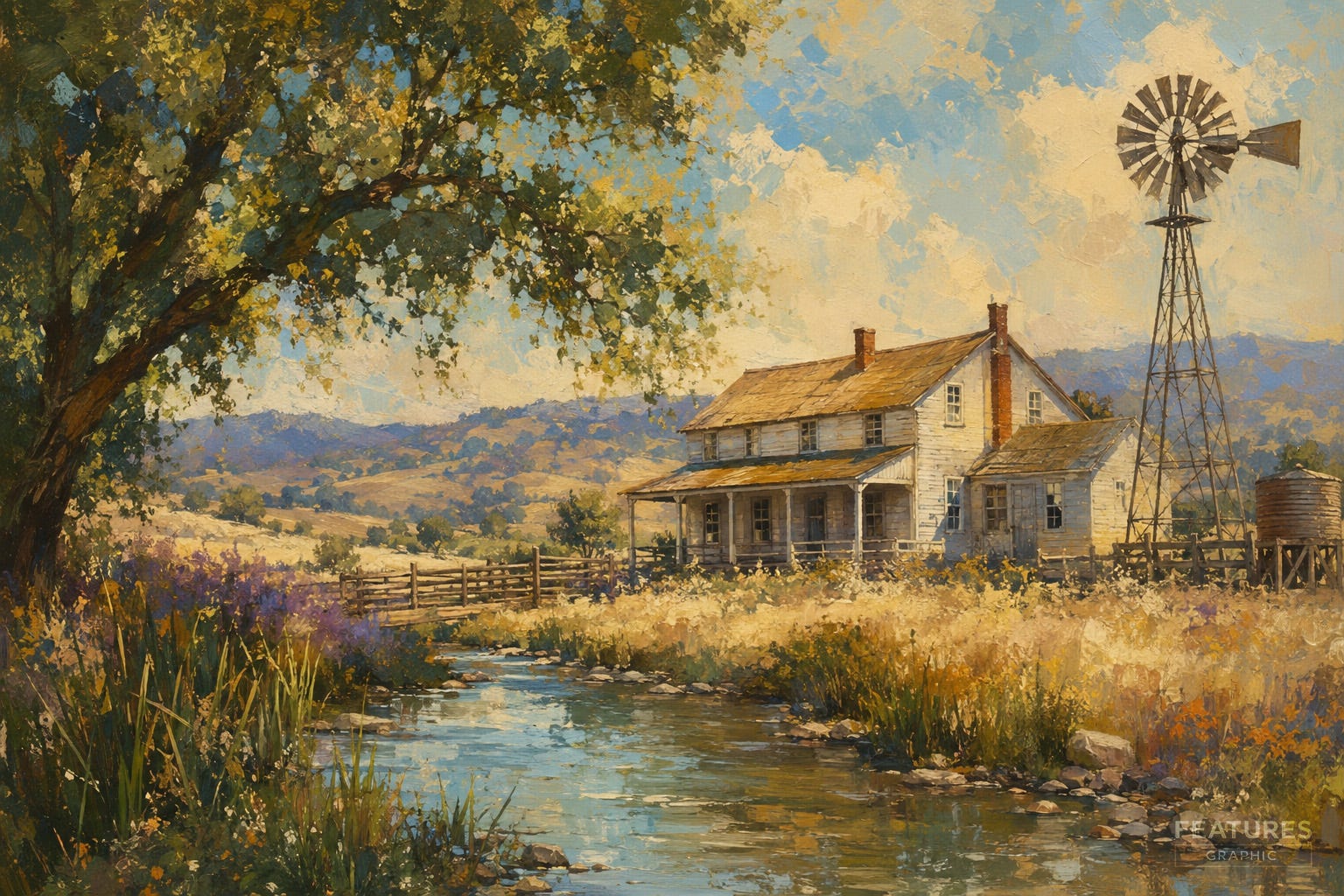
Our illustrations are produced through a multistep process of generative tools, digital sketching and photo editing, often starting from our own images or sketches.
No posts
Comments
Nothing yet. Say the first thing.
Sign in to join the conversation.