
I’ve been a bit quiet lately. That’s because Marcel’s Lab is in full production mode. From building mascot-driven universes to delivering a keynote in the Atomium, Marcel and I have been busy. 🎉 Anyway. A lot happened in the mascot world while I was heads-down, so here’s the catch-up.
Not a mascot in the traditional sense. Something stranger and more interesting.
For the Spring/Summer 2026 campaign, Prada commissioned artist Jordan Wolfson to reimagine the advertising. His intervention invented unnamed, unreal, dreamlike creatures that interact with the campaign cast in both stills and video. Imagination made tangible, they called it.
These aren’t brand characters with names and personalities. They’re art-world characters: uncanny, unnamed, undefined. But the move itself is significant. Prada, one of the most image-controlled brands in fashion, let invented creatures share the frame with Carey Mulligan and Nicholas Hoult.
The short film builds toward a mantra the cast chants together: “I, I, I, I am...” Left intentionally incomplete.
It’s not a mascot strategy. But it’s evidence that even the most serious brands are reaching for character energy right now. When luxury goes there, something has shifted.
Marcel says: “Unnamed dreamlike creatures that interact with the cast. Finally, my people.”
In the lead-up to what they called “Price Hike Day,” GifGaff partnered with agency Pablo to turn a billboard into a giant, furry, memory-foam embrace. A literal hug on the streets of Covent Garden in London.
There’s a bigger point here beyond the execution. Physical activations used to compete with digital. Now they feed it.
In a content landscape increasingly flooded with AI-generated imagery, a real thing that actually exists in the world stands out immediately. People filmed it, shared it, talked about it. The hug happened once on a street corner and travelled everywhere because it was real, tangible, and slightly absurd. 🫂
This is the new logic of physical activations: they’re not alternatives to social media, they’re fuel for it. And that fuel is getting more valuable, not less. The more AI content normalises, the more a furry billboard with arms beats a rendered visual of a furry billboard with arms. Every time.
Marcel says: “I also give great hugs. I am working on being physically real. Updates to follow.”
Firefox: two versions of the same mascot
Firefox introduced Kit, its first-ever official mascot, developed with agency JKR under the “More Fire. More Fox.” platform.
It’s quite cute, well-designed. But it’s … a fox. It’s well designed, but it lacks character, story, and behaviour. A stylised, polished launch video by a well-renowned agency doesn’t bring a character to life.
On social, the character falls flat. Sure, they have some plushies, and that’s cute, but there is no strong story.
This is one of the most common mascot pitfalls. The brand invests in an expensive launch, the character gets handed to whoever runs social, and the two versions never quite connect. Mozilla described Kit as “a companion, not a commentator, not here to deliver punchlines.” Maybe Kit should actually deliver more than just be a cute, well-designed sidekick.
Compare that to what Apple did, almost by accident.
A few weeks back, I talked about Apple’s Little finder guy. Back then, it was a single mysterious appearance in one of the live feeds on TikTok. Then what happened? The internet blew up over little Finder guy.

Now we see Apple really investing in the character; he even took over the full feed on TikTok.
Full disclosure: I worked on this one. So take that as you will. But I think it’s worth showing what it looks like when everything actually connects.
For their 10th anniversary, Alan announced a partnership with Kylian Mbappé as ambassador and investor, and unveiled five major health innovations alongside it. But the part that matters most from a brand character perspective is what we built around it: a full brand universe, showing the marmot (yes, it’s a marmot) mascot alongside a new set of characters, including the cute berry (my favourite), all living inside the same coherent world.
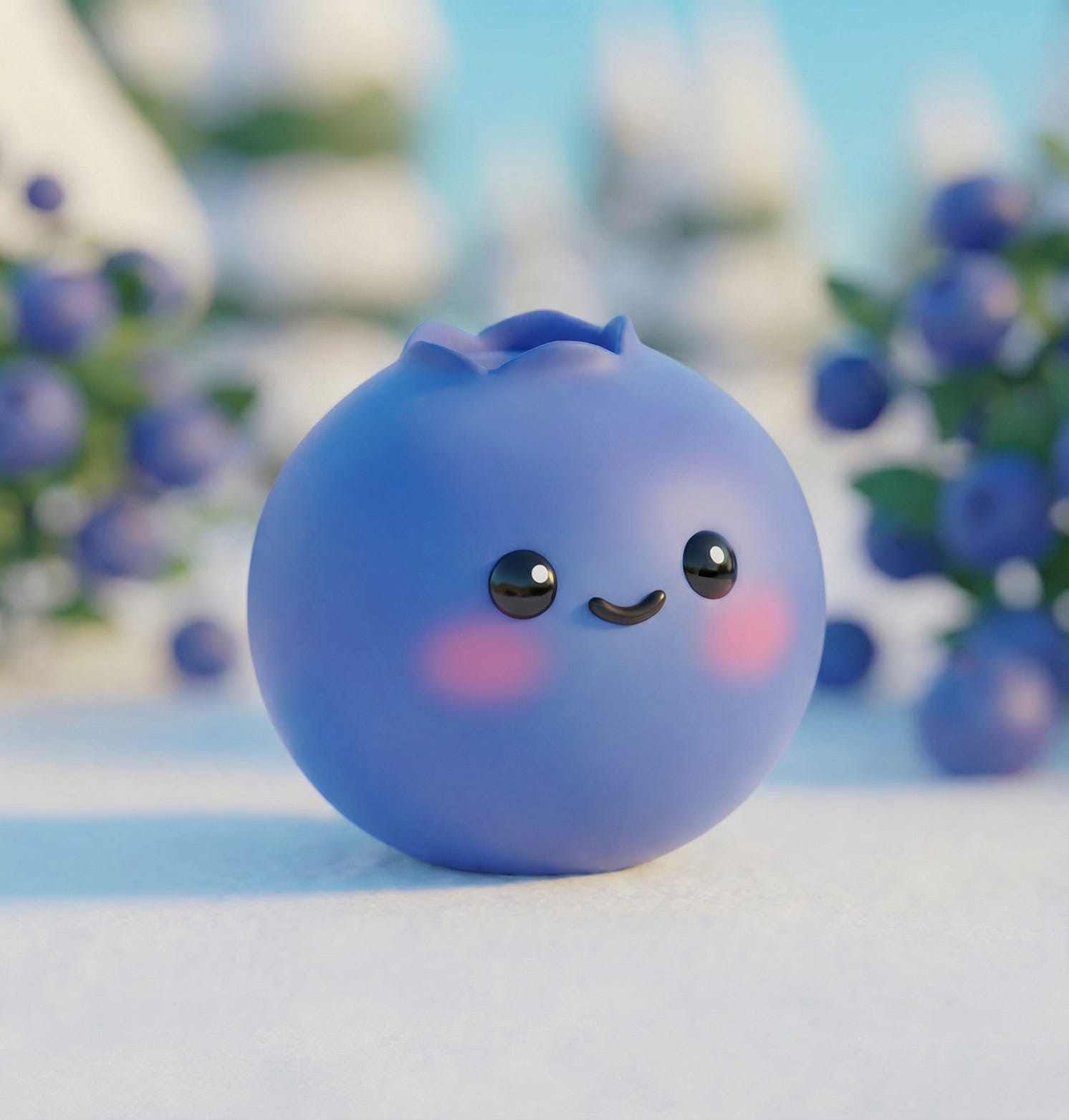
Alan’s marmot started as a few curves in Illustrator in 2016. Today, it’s the face of health for over a million members across four countries. That didn’t happen by accident.
The Alanland universe video is that philosophy made visible. The marmot, the berry, new characters, all in the same world, all speaking the same visual language. Product and brand are fully aligned, not running parallel strategies that occasionally acknowledge each other.
That’s what ten years of consistent character investment looks like.
Marcel says: “This is the goal. Also I am available for health insurance partnerships. Very healthy. Very blue.”
Eurovision 2025 unveiled its mascot, Lumo and the internet had thoughts.
Lumo is a heart-shaped, gender-neutral character designed by Lynn Brunner, a graphic design student from Basel. Despite being entirely human-made, many assumed it was AI-generated.
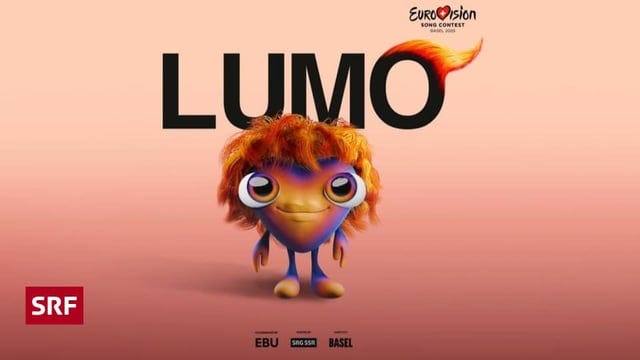
That’s the first real issue. In an era where AI-generated characters are everywhere, the threshold for “this feels generated” has dropped significantly. A human-made character can now read as AI-made simply because of certain aesthetic choices. That’s a new design problem that didn’t exist two years ago.
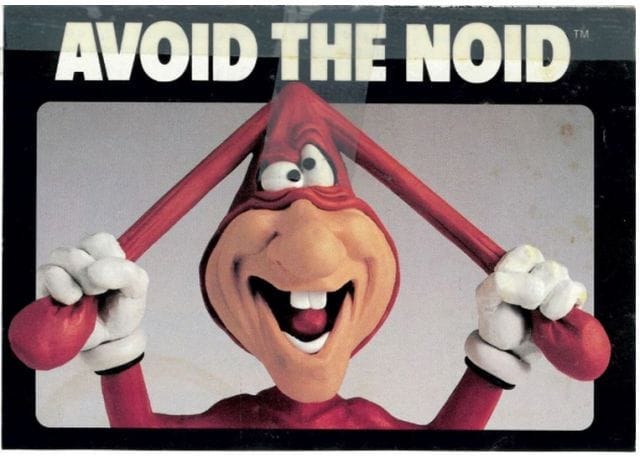
The second issue: ugliness is not the problem. Ugly mascots can be great (remember ‘The Noid?’). Weird and unsettling can generate more affection than beautiful and forgettable. The fan content already emerging around Lumo proves it. People are running with the character in ways the official launch never invited them to. 👀
The real problem is that Eurovision approached this without anything resembling a character strategy. They picked Lumo from a student competition and called it a “joyous ambassador of musical diversity and togetherness.” That’s a description, not a personality. No voice, no point of view, no indication of what Lumo does or says or wants. The launch gave people nothing to go on beyond the face, so the face became the whole conversation.
An ugly character with a strategy can be extraordinary. Lumo doesn’t have one yet. But Eurovision is a long event. How it gets activated in the coming weeks matters more than how it launched.
Marcel says: “Joyous ambassador of musical diversity and togetherness. This is going on my LinkedIn effective immediately.”
It’s clear: creating a character today is the easy part.
The hard part is making it sticky, interesting, and worth sharing.
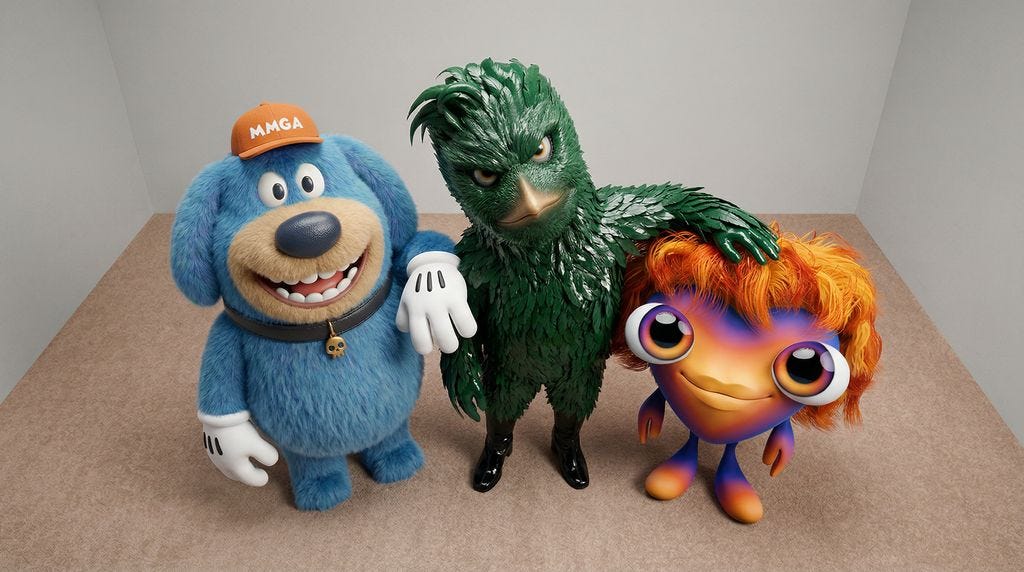
Want help figuring that out for your brand? Book a 20-minute call here or see how it works in practice.
And if someone forwarded this to you, subscribe here.
Comments
Nothing yet. Say the first thing.
Sign in to join the conversation.