
This past week I got the great news that I passed my Diploma D3 exam!
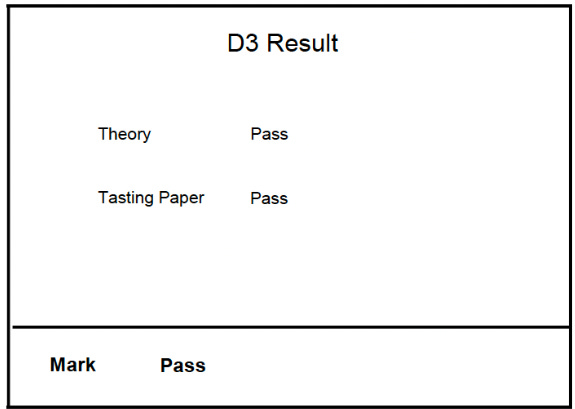
I studied for the exam for at least 6 months, including monthly in-person classes to discuss and taste wine. It’s an understatement to say there is a serious amount of effort involved leading up to the 2-day exam.
With the D3 exam completed, I thought it would be interesting to share some of the things I did which I believe helped me pass. At this point I have taken every WSET exam, including the D5 exam twice.
I also did all of these things while starting my gaming business, Moon Mantis Games, and releasing my first commercial title on Steam. Ya, it was serious work and time management.
Anyway, here are techniques that I’ve adapted over time studying for the exams which I thought were really effective.
This one is probably the most important. It sounds a little basic, but seriously you should study every day. Putting all of your exam studies into a single day and cramming through them for 6 hours each week isn’t an effective study technique (it’s better than nothing of course).
There is actually a lot of research backing this up under the field of Spaced Repetition Learning. You can learn more about this from a variety of places, including Anki or Brainscape, which are popular flashcard apps. The best thing is, with adaptation, this technique can work for nearly anything.
The gist is simple. You learn in small study sessions with breaks in between. The breaks are just as important as they help your brain process the information you just studied, then coming back to that information reinforces the knowledge.
I’m not much of a flashcard person, so I did this differently. Each day I would read the study material while taking notes in a notebook. At the beginning of that session, I reviewed the prior notes. At the end of the session, I read through the notes I had written. I kept these notes, handwritten, in notebooks like the one below.
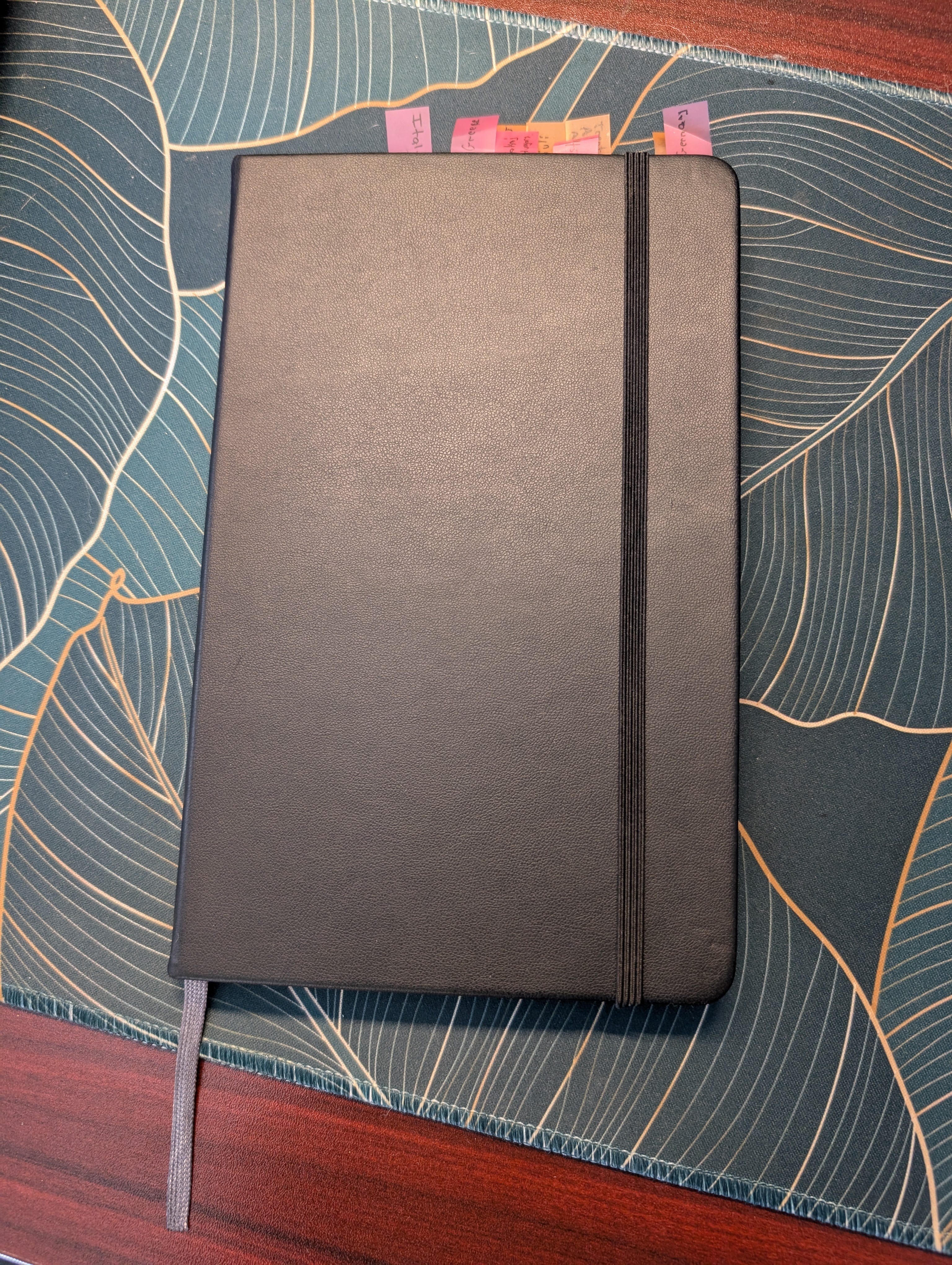
Oh, I also used the official Brainscape flashcard set for WSET Diploma, but I found some of these to be less relevant than others. It was great for quick grape variety or region practice just before bed or while waiting around on the train though.
I did this every single day for 6 months. I may have only missed 5 or 6 days of studying within those 6 months too. Consistency is key.
Great, so you’re bought in on daily small practice sessions (hopefully). What about tasting?
While you could practice wine tasting every single day, this would be incredibly expensive and in my opinion, a low return on your investment. Instead I did one practice tasting flight per month supplemented with monthly in-person courses through my program provider, Grape Experience, where we tasted about 12 wines per session.
My monthly practice sessions were blind and done as if they were an exam question. That includes all of the typical wine tasting notes, as well as variety, region, and winemaking methods identification. Thankfully I was able to order monthly wines via subscription (https://www.blackpoolmattswineclub.com/) and have them shipped to me.
When doing this practice, was I wrong?
Often. More often than not actually. At least at first. There is more value in being wrong than being right here. When you make mistakes you learn, and more importantly, you remember. If you were right every single time, you wasted your time. I also revisited the wines over the course of the month to compare, usually accompanied with something I was reading from the theory.
I think this is what really helped me close the deal and pass my exam. Going into the exam, I was not even mentally or physically exhausted from the handwritten essays.
Why?
I had been hand writing exam style essays for the past month. This took the place of my daily study habit from above. Yes, I actually wrote exam question answers by hand, timed, every day for one month. I didn’t even miss a day.
That was probably a little extreme, but I was determined to pass this exam.
I pulled exam questions from all past exams, which are available to anyone that is a WSET Diploma student for D3, and went through them all. After I had answered all of them, I did it again. I compared my first answer (which was usually off in some egregious way) to my next one (which was much less off).
Finally, that last week before the exam, I did a full day simulated practice test. I made my own exam questions and pretended to take the exam.
Note: This won’t particularly work for exams besides D3 since those questions don’t get published in the examiner reports. For these, try making your own questions in the format of those in the D3 examiner reports.
So I promised three, but there is an extra fourth secret technique. It’s way easier than all the others.
Get a nice pencil.
My hands cramp up from just a small amount of handwriting. I probably have some kind of arthritis from years of writing, typing, guitar playing, and rock climbing. Or maybe I just never write more than a few words by hand in normal life. Instead of accepting my fate and dosing up on painkillers for exam day, I bought a thick grip pencil.
Oh, I also dosed up on Advil before the exam too.
Hopefully these four tips help you if you’re approaching D3, or any of the Diploma exams. To summarize:
Study every day. Set a time on your calendar and stick to it
Do regular tasting flights with exam conditions each month
Write practice essays, especially using those old exam essay questions from WSET
Finally, get a nice pencil you can write with for hours. Because you’ll be writing for hours
Let me know if this has been a useful guide for you. If you have any study tips I’ve missed, leave them in the comments. I still have one more exam to go, my dreaded D5 Fortified Wines exam, so I’m definitely open to thoughts.
Until next time, wine friends 🍷
Comments
Nothing yet. Say the first thing.
Sign in to join the conversation.