
“You show me Regan's double, same face, same voice, everything. And I'd know it wasn't Regan. I'd know in my gut. And I'm telling you that 'thing' upstairs isn't my daughter.”—William Peter Blatty, The Exorcist
That quote inspired this story. Please free to share your thoughts in the comments below! I look forward to reading them! And don’t forget to subscribe so you never miss a post!
To celebrate my 1 year anniversary on Substack, I am offering a huge discount. I’m updating all of my work and removing paid posts. However, paid subs get access to my sub chat. You can drop links, memes, jokes, thoughts. Promote yourself. Promote someone else.
Your support means so much to me. Thank you! Not to brag, but I think you guys are the greatest subscribers on Substack.
Discount:
Dave had been staring at the same blank box on the application for nearly five minutes.
Describe a challenge you overcame in the workplace.
The cursor blinked inside the little white rectangle.
He deleted another sentence.
“I work well under pressure.”
Backspace.
“I always strive to…”
Backspace.
The apartment was too warm. The window over the sink had been cracked open since morning but the air outside was thick enough to chew. Somewhere downstairs a lawnmower droned across an apartment courtyard that had long since surrendered to weeds.
His laptop sat on a chipped kitchen table scarred by cigarette burns from tenants he’d never met. Beside it rested a coffee mug with a cold inch of coffee at the bottom. Three rejection emails waited in another tab.
The television muttered from the living room.
He barely heard it.
“…employment numbers continue to—”
Click.
A commercial.
Then the evening news returned.
“…police today released additional details regarding yesterday’s murders…”
Dave kept typing.
“My greatest strength is adaptability.”
The anchor’s voice changed.
Lower
Measured.
“…authorities say forty three year old Michael Renner confessed shortly after officers arrived. According to investigators, Renner told detectives he believed his two children had been taken over by extraterrestrial beings capable of controlling human thought.”
Dave stopped typing.
The cursor blinked.
He looked toward the television without moving from the chair.
“…court documents allege Renner repeatedly told officers he was ‘setting them free’ from what he described as a mental prison created by alien entities. Both children were pronounced dead at the scene.”
The application disappeared behind the sound.
He stood and walked into the living room.
The television showed a modest brick house wrapped in yellow tape.
Neighbors gathered on sidewalks with folded arms. A bicycle lay on its side near the mailbox.
Someone had left flowers.
Little stuffed animals.
A pink backpack rested against the porch steps.
The camera lingered there longer than it needed to.
Dave crossed his arms.
Jesus Christ.
The anchor continued.
“Family members say Renner had become increasingly withdrawn over the past several months. Relatives claim he spoke often about surveillance, invisible frequencies, and people whose minds had already been compromised.”
The screen changed to a booking photograph.
The man’s face looked ordinary.
Gray sweatshirt.
Short brown hair.
Tired eyes.
No wild grin.
No bloodshot madness.
Just another middle-aged guy who looked like he could sell insurance or argue about mulch at a hardware store.
That bothered Dave more than anything.
He looked…
Normal.
Dave thought of Emma.
Fourth grade.
She’d complained this morning because she couldn’t find her favorite purple socks. He’d packed her lunch while she searched the house muttering dramatic little speeches about how socks didn’t just disappear.
He smiled despite himself.
She’d kissed his cheek before running for the bus.
See you after school.
Love you.
Simple.
Automatic.
The kind of words people said without realizing they were building their lives out of them.
His stomach tightened.
He tried to imagine believing your own child wasn’t your child anymore.
Couldn’t do it.
Not even for a second.
The reporter now stood outside the courthouse.
“Psychiatric experts not involved in the case caution that severe delusions, while rare, can completely alter an individual’s perception of reality. Investigators have not released any official diagnosis.”
Delusions.
Dave rolled the word around in his head.
He’d worked with crazy people before.
Construction attracted them.
Guys who swore satellites followed their trucks.
One old laborer insisted birds were government cameras.
They’d laugh.
Tell him to lay off the booze.
Eventually he disappeared.
Nobody talked about him again.
But this…
This was something else.
He looked again at the photograph.
How far gone do you have to be?
How does your own daughter’s face become…something else?
He couldn’t reach it.
Couldn’t even find the road that led there.
His phone buzzed.
A reminder.
Emma—School pickup. 3:15 PM.
He glanced at the time.
Another hour.
He imagined her sitting in class, pencil between her fingers, probably doodling cats in the margins instead of paying attention. She always drew cats with absurdly fat heads.
He wondered what the murdered kids had been doing the morning before.
Arguing over cereal.
Looking for shoes.
Complaining about homework.
Ordinary things.
The reporter spoke again.
“The suspect remains in county custody without bond.”
Dave grabbed the remote and lowered the volume.
The room felt smaller.
He rubbed both hands across his face.
“Burn,” he muttered.
His voice surprised him.
“You deserve every damn day.”
He wasn’t talking loudly.
There was nobody there to hear him.
He looked back toward the kitchen where the laptop still waited.
Describe a challenge you overcame.
He almost laughed.
Then he walked back to the table, sat down, and stared at the blinking cursor while somewhere in the next room the television moved on to weather.
School let out in waves.
Teachers stood beneath the awning with fluorescent vests, calling names over the noise of backpacks, laughter, car doors, and buses coughing diesel into the afternoon heat.
Dave waited in the pickup line, one hand resting on the steering wheel.
The radio was off.
The news from earlier had settled somewhere inside him like grit beneath an eyelid. Every few minutes it scratched its way back into his thoughts.
Setting them free.
The phrase disgusted him.
He pictured the booking photo again.
That ordinary face.
That ordinary man.
There ought to be a look to people like that he thought. Something in the eyes. Something that warned you before they crossed whatever line separated fathers from monsters.
Instead he’d looked tired.
Like everyone else.
Traffic lurched forward.
Children poured from the front doors carrying science projectslunchboxes, oversized jackets tied around their waists. Parents waved. Kids waved back.
Life continuing.
As if somewhere across town two bedrooms hadn’t become crime scenes.
He spotted Emma.
Purple backpack.
Hair half out of the ponytail she’d left the house with.
She saw his car and broke into a run.
Relief spread through him before he even realized he’d been holding his breath.
She climbed inside and slammed the passenger door.
“Dad.”
“Hey, kiddo.”
She buckled herself in.
“You know Mrs. Peterson?”
“Your teacher?”
“No.”
“The crossing guard.”
Dave frowned.
“I thought her name was Mrs. Lewis.”
Emma shrugged.
“It isn’t anymore.”
He looked at her.
“What do you mean?”
She stared through the windshield.
“I don’t know.”
Then she smiled.
“I’m kidding.”
Dave let out a short breath through his nose.
“You’re getting weird.”
“I know.”
She grinned.
The line finally moved.
He pulled onto the street.
“So how was school?”
“It was fine.”
“What’d you do?”
“Math.”
“What else?”
“I don’t remember.”
Normally she would’ve spent ten uninterrupted minutes telling him everything. Which kid got in trouble. Who traded fruit snacks. Which class hamster escaped again.
Today she watched the houses slide past the window.
Quiet.
Maybe she was tired.
Kids had days like that.
He rolled down his own window an inch.
Warm air drifted inside.
A dog barked behind a chain-link fence.
Emma spoke again.
“I had the same dream.”
“What dream?”
“The one where everybody keeps pretending.”
“Pretending what?”
She shrugged.
“I don’t remember.”
Then she laughed.
“Forget it.”
Dave glanced at her.
“What kind of dream was it?”
“I said I don’t remember.”
Her tone wasn’t angry.
Just flat.
He turned his eyes back to the road.
Kids were strange.
Always had been.
He remembered believing the moon followed the family station wagon when he was six.
The silence stretched the rest of the drive.
The house felt unchanged.
Emma kicked off her shoes near the door despite knowing better.
One landed beneath the coat rack.
The other bounced off the wall.
“Hey.”
“What?”
“Pick those up.”
She groaned dramatically.
“You’re ruining my artistic vision.”
“There wasn’t an artistic vision.”
“There was.”
She collected the shoes anyway.
Normal.
See?
Perfectly normal.
Dave tossed his keys into the bowl beside the door.
“You hungry?”
She nodded.
“I’m ordering pizza.”
“Pepperoni?”
“We’ll see.”
“When?”
“Soon.”
“What can I have now?”
He opened the freezer.
“Toaster Strudels.”
“Okay.”
She climbed onto one of the kitchen stools and rested her elbows on the table, swinging her legs.
Dave slid two pastries into the toaster.
The kitchen settled into familiar sounds.
The hum of the refrigerator.
The soft ticking of the wall clock.
The toaster warming.
Emma tapped her fingers against the tabletop.
A rhythm.
Nothing recognizable.
He opened the silver icing packet.
“What’d you draw today?” he asked.
She looked up.
“What?”
“You always draw.”
“Oh.”
“I didn’t.”
“No?”
“No.”
“You usually do.”
“I know.”
The toaster popped.
Dave pulled the pastries out carefully and set them onto a plate.
Steam rose through the thin crust.
He picked up a knife.
The blade caught the kitchen light.
He pressed it through the first pastry.
The crust cracked.
Jam pushed slowly onto the plate.
Half.
Then the second.
The knife moved without thought.
His eyes stayed on the blade.
And, without invitation, the news returned.
He believed they weren’t his children anymore.
Dave’s grip tighter.
The knife paused.
He looked over at Emma.
She was watching him.
Not smiling.
Just waiting.
A child waiting for food.
Nothing more.
Still….
Something felt….
Off.
Not wrong.
Just….
He couldn’t put a name to it.
She’d been quieter.
She’d made that strange joke in the car.
The dream.
Pretending.
Tiny things.
Nothing.
His mind, still dirty from the afternoon broadcast, began fitting pieces together that didn’t belong together.
What if—
The thought arrived fully formed.
What if the other father hadn’t started with certainty?
What if it began exactly like this?
One odd sentence.
One quiet afternoon.
One tiny difference.
Then another.
He stared at Emma.
She tilted her head.
“What?”
Her voice sounded exactly like hers.
Exactly.
The thought embarrassed him the moment it existed.
Jesus Christ.
Listen to yourself.
You’ve been sitting with that story all day.
He set the knife down.
The sound against the countertop was louder than he expected.
Emma smiled again.
A crooked smile she’d had since losing one of her front teeth years ago.
The same smile that appeared in every school picture.
The same smile she’d worn when she handed him a Father’s Day card made from construction paper.
The same smile she’d had climbing into his truck after soccer practice.
His daughter.
Just his daughter.
Nothing else.
Dave squeezed the icing across the pastries in uneven white lines.
He carried the plate to the table.
“There you go.
She smiled.
“Thanks, Dad.”
He ruffled her hair as he walked past.
She rolled her eyes.
“I hate when you do that.”
“I know.”
He headed back toward the freezer to grab the pizza menu from the magnet on the refrigerator.
Behind him, he heard the scrape of a fork against ceramic.
Then Emma laughed to herself.
He almost turned around to ask what was funny.
Instead, he stood still for a second, one hand resting on the refrigerator door.
The house was filled with ordinary sounds.
The clock.
The refrigerator.
A child eating an afternoon snack.
He told himself the feeling would pass.
It had to.
Even so, when he finally turned back toward the table, he found himself looking at her for just a moment longer than a father should have to.
Thank you so much for reading! I know it’s cliche to say, but I appreciate it from the bottom of my heart. If you enjoyed my latest post, please check out more of my work. See below!
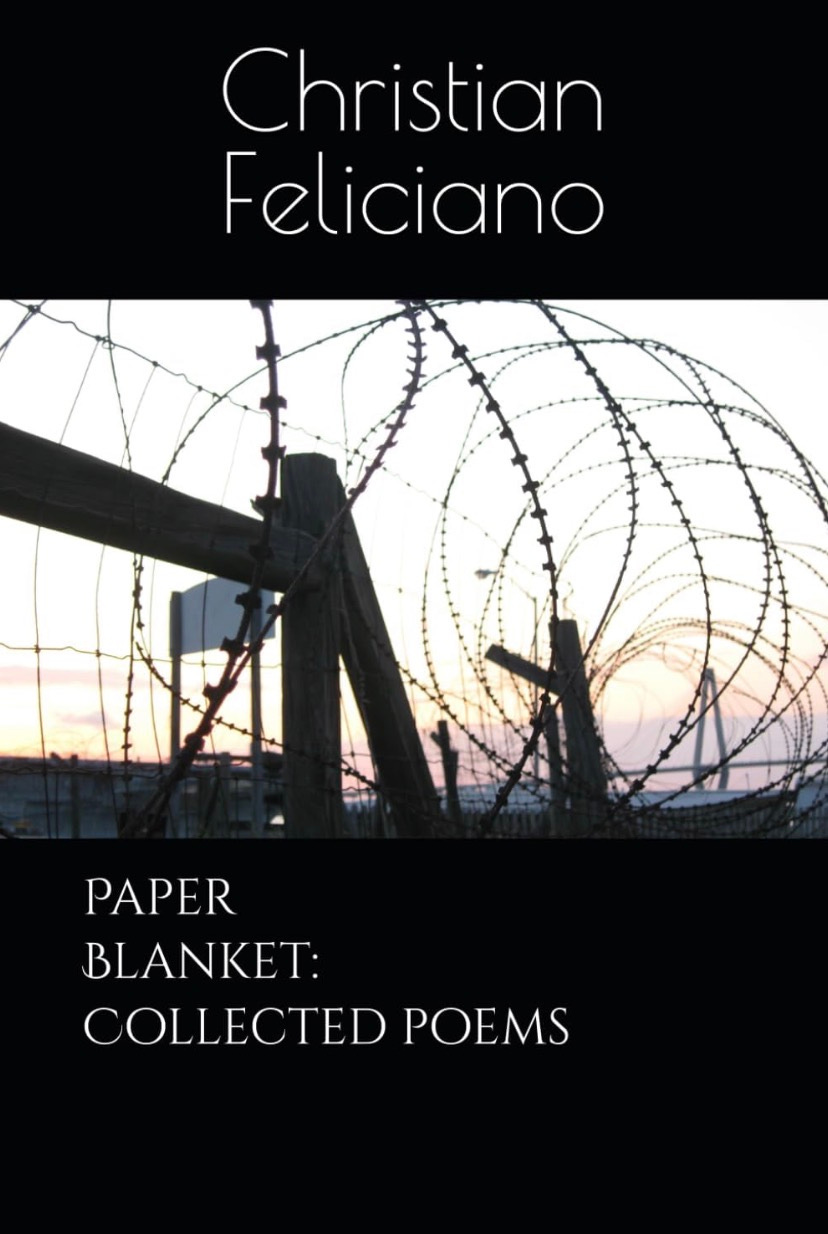
My poetry collection, Paper Blanket: Collected Poems is available on Amazon in Ebook, Paperback, and Hardcover editions. Order your copy now:
Paper Blanket: Collected Poems
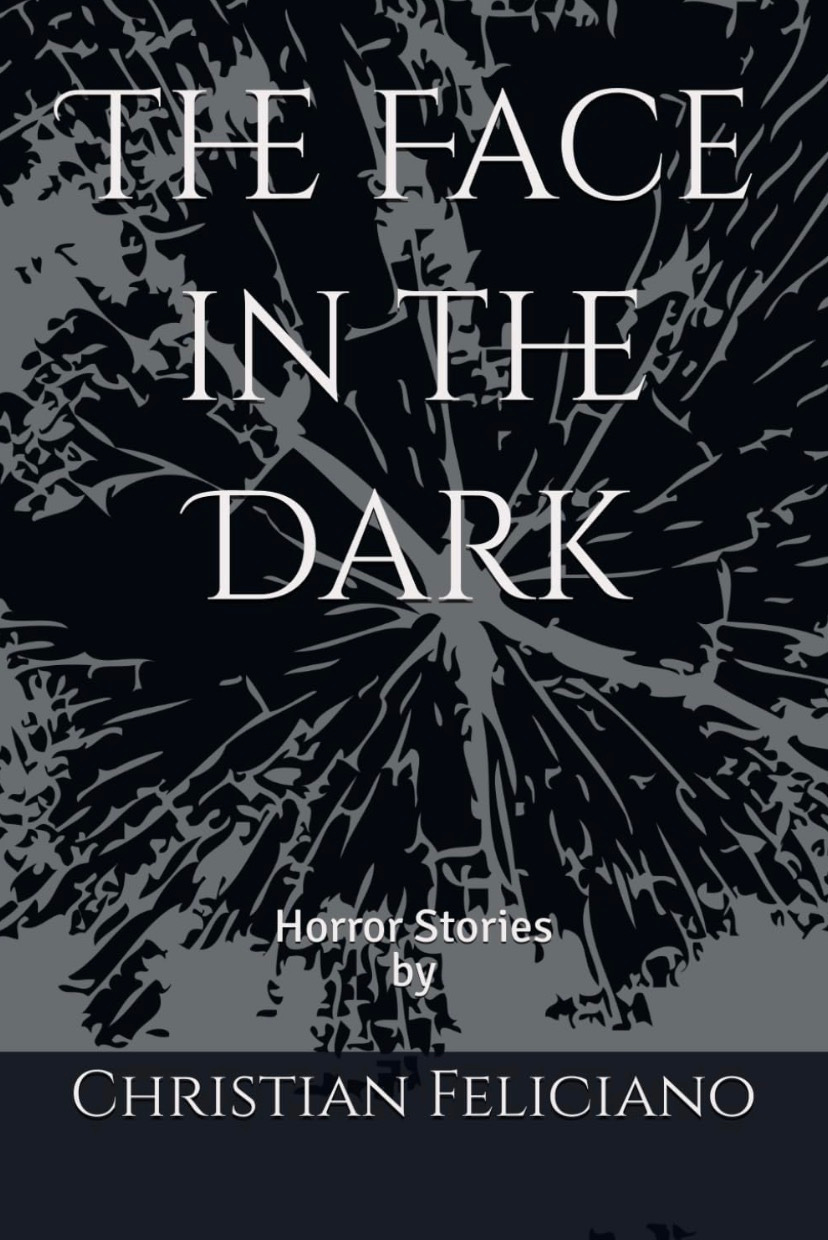
My horror collection, The Face in the Dark, is now available in ebook and paperback editions. Order your copy now!
If you would like to help a struggling buy a coffee, please consider becoming a paid subscriber ($8/month, $80/annual) on Substack or leaving me a donation in the link below. Thank you all so much for your support!

No posts
Comments
Nothing yet. Say the first thing.
Sign in to join the conversation.