
Month after month, my friends, you continue to remind me why you are my most favorite knitters. You responded thoughtfully, and enthusiastically to my sock yarn survey and made me feel so grateful that, in the far-reaching fiber community, you found me, and have chosen to include Knit Spin Farm yarn as part of your knitting.
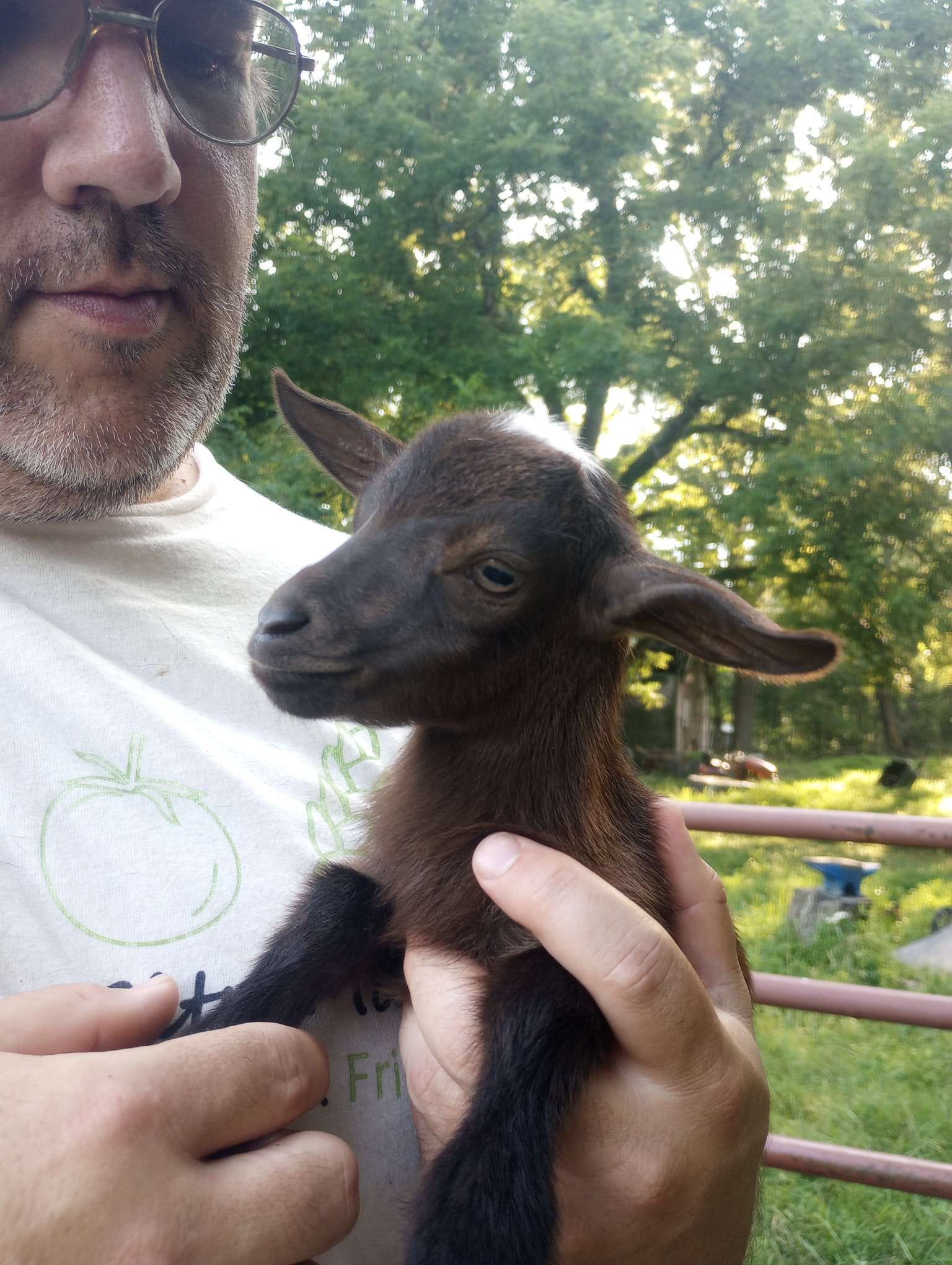
Big hugs to you all! (They can be baby goat hugs if you prefer them to human hugs!)
Would you like to know some of the results of your collective sock knitting thoughts? There were 85 responses to the survey. 95% of you responded based on your experiences (in contrast to advice you have been given) - and you are so experienced. 65% have been knitting socks for more than 10 years, and another 20% for more than five years. Collectively, we’re working with around one thousand years of sock knitting experience here.
Do you know how beautiful and exciting that is to me?? Can you feel it too??
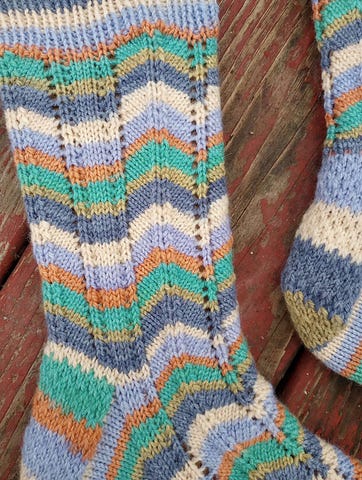
Most of your socks are used for standard wear, but 20% of you also use handknit socks in tougher situations, like for running or physical work.
Your stashes and sock drawers are full of indie-dyed yarn! 37% nearly always knit socks with yarn from small dyers. Another 55% use it at least half the time.
These next two questions were important to me for trouble-shooting and educational purposes. First, your gauge with fingering weight yarn. The most popular gauge (36%) is 8 stitches per inch. This makes a lot of sense, as many sock patterns are written for this gauge. 30% of you knit at 9 spi, with another 10% at 10 spi or more. In general, the tighter your gauge on socks, the longer they will last. More spi = more years in the sock drawer!
I was also curious about how you wash your socks. I’ve always had the notion that indie-dyed yarn should be washed in cold water, even if the yarn base is superwash (and thus ok to wash in hot water). I have read that human dyers aren’t able to match the temperatures used in commercial dyeing, and this makes indie-dyed yarn more susceptible to color fading in hot water. (If you have thoughts or experience with this that you are willing to share, I am all ears!)
35% of you handwash your indie-dyed socks, with another 51% machine washing in cold water. 90% of you air dry your socks.
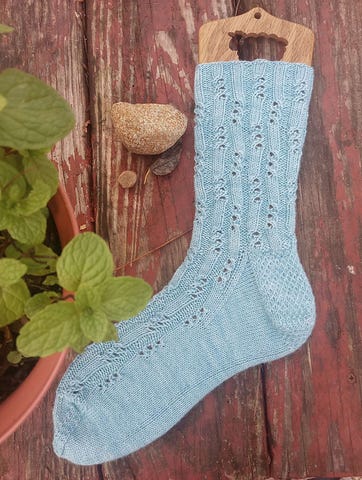
Ok. Now we get to the gritty, geeky preferences regarding sock yarn construction. You care about how your yarn is made! I love this about you.
A finished yarn is made up of individual plies that are twisted together. I prefer sock yarns to contain at least 3 plies, as I think they wear better, and help make patterns pop more. In this area, you were the most emphatic. 43% of you avoid 2 ply sock yarn. 65% of you said a yarn having 3 plies (or more) is preferred or essential. I am grateful for the clarity of your answer here, because I had been considering offering 2 ply bases, and you’ve made that decision easier. 3 plies or more on all our sock yarns. Check!
The thickness of a fingering weight yarn is something else I consider. My initial offerings were thicker yarns (about 400 yards per 100g - like Targhee and Yarny McYarnface), but I’ve started offering thinner ones too (BFL and standard merino are 460 yards per 100g). More of you (23%) avoid the thin yarns than the thicker ones (2%) but your responses are more flexible in this area, with some of you commenting that the thin yarns are nice for wearing in certain shoes, or for specific family members. We will do our best to continue to offer a range of thicknesses in our yarn bases (including sock-appropriate sport and DK weight yarns).
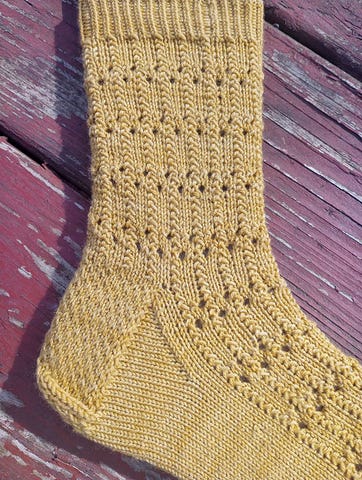
My friends, this next section is where you have surprised me the most! Nylon content. I have always believed I would have difficulty selling sock yarn without nylon in it. It seems that a significant portion of you are interested in, or at least curious about options without it (and, although I didn’t ask about it, some of you left comments expressing interest in non-superwash sock yarn as well!). The largest selection regarding nylon content was neutral/no opinion, with 40% of you preferring at least 10% nylon content. 11% said 25% nylon was essential, and I believe you! Though I prefer no nylon in my own socks, I require it in the yarn I use for certain big-footed trolls that I live with. We will continue to offer nylon in our sock yarns, but I feel empowered to investigate yarns without it (and non-superwash yarns) as well.
For wool type, I was not surprised that you are More Than Merino crowd, with 24% of you avoiding merino (4% saying merino was essential) and 42% replying that non-merino yarns are preferred or essential. This, my friends, is where most of my yarn-dyeing angst originates. I want to offer you all the interesting (and more sock-suitable) yarns. I would climb mountains to be able to offer you Targhee again. But, oof, is this the most difficult part of my job.
Yarny McYarnface (75% SW Wool*) and BFL will remain staples of Knit Spin Farm, and I am investigating a couple of new options as well. The difficulty here is that affordable, reliably available sock yarn on cones (which is needed for creating self-striping yarn in a time and cost-effective manner) is overwhelmingly merino. 45% of you said a self-striping skein of yarn at $35 or less is preferred, with an additional 18% of you saying it is essential. Small mills, which make the soulful yarn I crave, either require one-time orders that are more yarn than I’ll use in a decade, or sell small batches of yarn for 2 or 3 times the price of the yarn I am currently using.
We are scheming to find some compromises and make some adjustments, including expanding offerings of semi-solid, and maybe handpainted colorways. 90% of you said you would consider (or already are) using our yarn for non-sock projects. There are interesting sources available for economically sensible skeins of yarn in breed-specific and source-traceable wools. When we return to dyeing in a few weeks, I hope to be offering you new and exciting options for wool geekery, in addition to the standard yarns and farm-inspired stripes you are used to.
Thank you, my favorite knitters, for all your comments as well. I found your notes to be exceedingly thoughtful and considered, and I am so grateful you took the time to share your experiences (and sometimes say very kind things about our work). You’ve really helped clarify our direction as we get ready to come back to dyeing - and I hope we are able to meet your desires and expectations.
Stay cool, knitters. We’ll be back soon with info about reopening, new clubs, and expanded wooly wonderfulness.
Much love from JoAnna, Bill, Pullo, and the yarn
*A brief review of Yarny McYarnface/Corriedale yarn, in case you haven’t heard the story… Last year, we changed the name of our most popular yarn from Corriedale Sock to Yarny McYarnface, even though the yarn itself did not change. For years, we purchased this yarn from a wholesaler who listed it as 75% SW Corriedale/25% nylon. When that wholesaler closed, we transitioned to buying the same yarn directly from the importer, (the same importer who had been providing it to the wholesaler). At that time, the importer changed the description of the yarn to 75% SW Wool, and said they were not aware that the wholesaler had been describing it as Corriedale. The yarn did not change at all. It could still be Corriedale, or maybe it was never Corriedale. This has been difficult to determine. However, we did not feel comfortable retaining the breed-specific name when the description changed, and, in exasperation, it became the generic Yarny McYarnface (a name I might regret because it is a beast to type!)
No posts
Comments
Nothing yet. Say the first thing.
Sign in to join the conversation.