

Where Football Stops Shouting, and Starts Thinking
There was a time when “almost” was enough.
Not enough to celebrate publicly, not enough to print on a CV, or not enough to anchor adult identity, but enough to preserve something fragile.
In 2000s London, and in football across London, an entire generation of boys grew up orbiting elite sport without ever entering it. We weren’t academy graduates or professionals. We weren’t even semi-professionals, but we were close. Or so we said.
“I was at Arsenal when I was younger”
“I had a trial at Spurs”
“I was in Fulham’s system for a bit”
The phrasing mattered. It was always vague, but confident. Specific, but unverifiable. Detailed enough to suggest legitimacy. Ambiguous enough to avoid interrogation.
These stories were rarely aggressive lies. Often, they contained a grain of truth: a trial, a development session, maybe a pre-academy camp, or a scout’s interest. But they expanded. A week became a season. A session became “being in the system”. A rejection became “club politics”.
The question isn’t whether these stories were technically accurate, the question is why they were so necessary; because the ‘almost-made-it’ generation was not performing deception, it was performing masculinity and protecting identity.
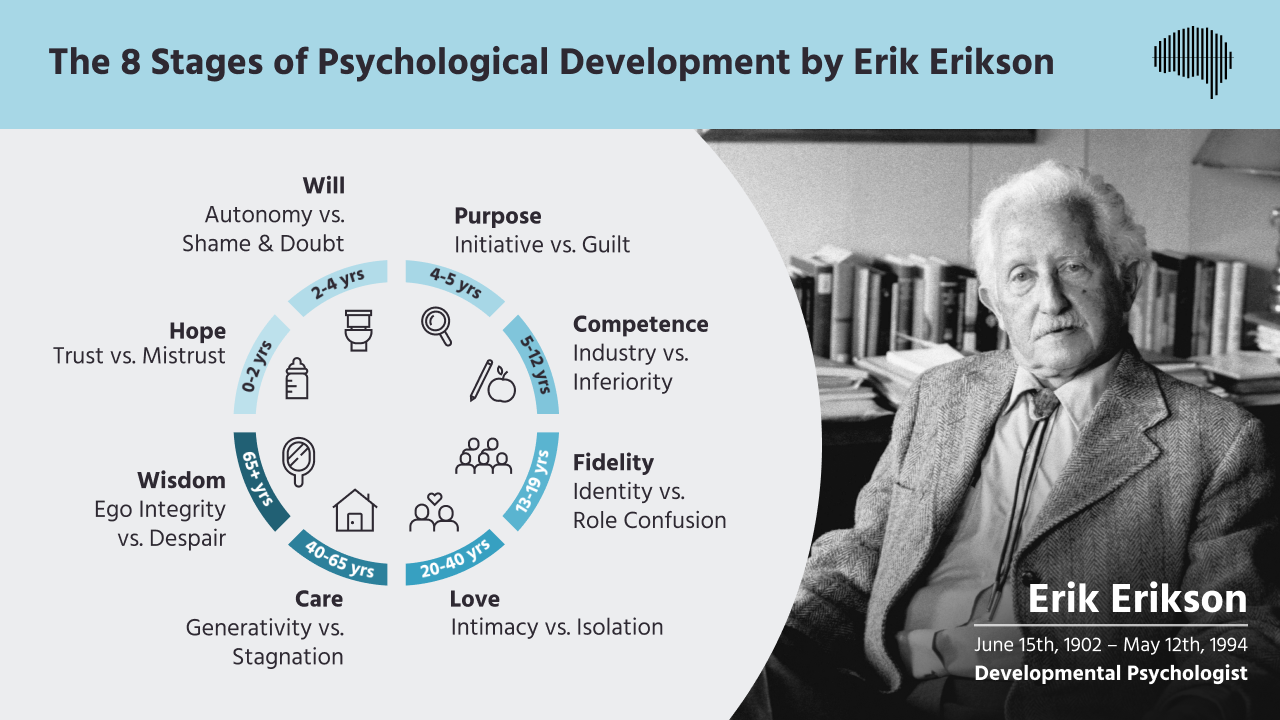
To understand the ‘almost-made-it’ phenomenon, we must begin with developmental psychology. Erik Erikson’s theory of psychosocial development places adolescence at the centre of identity formation. The stage he termed “identity vs. role confusion” describes the period in which young people consolidate who they are in relation to the world. Success at this stage yields a coherent sense of self, and failure yields instability.
Football, for many boys, becomes the primary identity scaffold during this stage. Before careers, before relationships, and before social capital, football offers hierarchy. It’s measurable, visible, and socially validated:
You’re selected, or you’re not.
You start, or you sit on the bench.
You score, or you disappear.
Selection into elite football structures; academies, development centres, trials and so on, confers not just opportunity, but symbolic capital. Pierre Bourdieu’s concept of symbolic capital is useful here: prestige, recognition, and honour that convert into social power.
So, to be “in the system” of elite football is to acquire symbolic capital. To be released is to lose it, and loss, particularly during adolescence, destabilises identity.

Youth football presents itself as meritocratic: “If you’re good enough, you’ll be picked”. However, meritocracy is rarely pure. Selection is influenced by a host of variables such as maturation rates, physical development, coaching bias, access, geography, and chance. Yet young boys internalise the system as absolute. When selected, they interpret it as proof of intrinsic worth. When rejected, the psychological cost is heavier.
Carol Dweck’s work on mindset is instructive here: young athletes often adopt performance-oriented identities rather than mastery-oriented ones and their self-worth becomes tethered to outcome rather than process. Rejection therefore threatens not just opportunity, but identity.
The ‘almost-made-it’ narrative emerges as cognitive insulation, and says:
I was good enough, but something else intervened.
In psychology, this is known as self-serving bias, the tendency to attribute success internally and failure externally. However, it’s not inherently pathological, it’s protective.
And particularly for adolescent boys negotiating fragile self-esteem, it’s adaptive.
The deeper analysis continues below in The Black Book
Comments
Nothing yet. Say the first thing.
Sign in to join the conversation.