
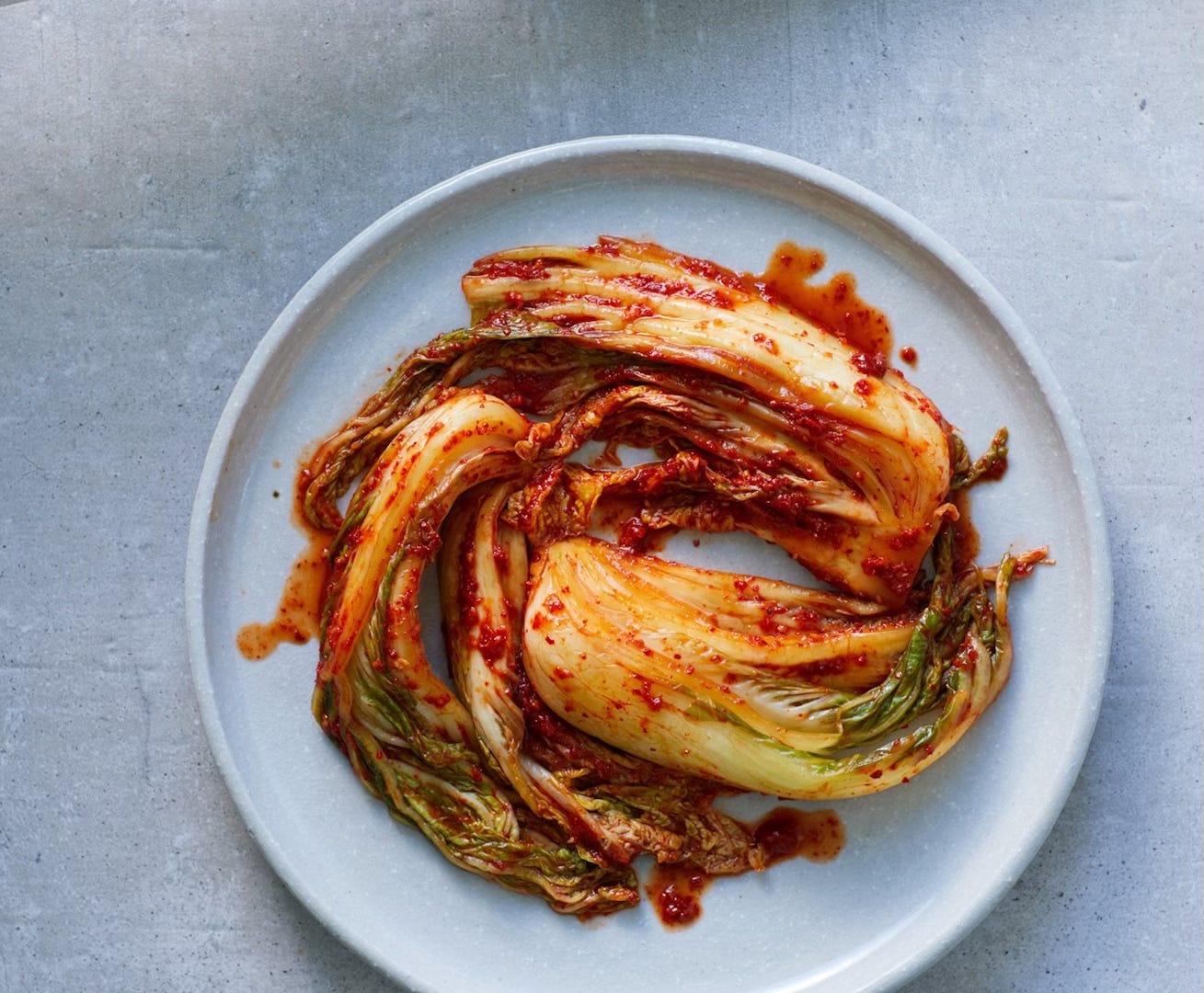
Few things in the kitchen feel as magical as a jar of vegetables that turns itself into something packed with flavor. No fire, no stove, just time, salt, and a little guidance. Fermentation is cooking without cooking: a technique where microorganisms such as bacteria, yeasts, and molds do the work. They don’t just make food last longer, they make it taste better, more complex, and sometimes even healthier.
In this newsletter, we dive into the technique of fermentation. What is fermentation, what actually happens, how do you steer the process, and how do you get started yourself? This fall, we’ll show you how to use fermented products smartly in the vegetarian kitchen, as a flavor booster, an umami boost, or a fermented twist. But first: the basics.
Fermentation is an ancient, universal kitchen process where microorganisms, such as bacteria, yeasts, and molds, do the work for us. For thousands of years, people have used fermentation to preserve food, enrich its flavor, and even make it healthier. Many everyday treats owe their existence to fermentation: yogurt, beer, bread, sauerkraut, soy sauce, kimchi, and chocolate. With fermentation, food “spoils” under controlled conditions, in a good way. Pure magic in the kitchen.
Working closely with tiny life forms, milk becomes cheese and yogurt, grain becomes beer, cabbage becomes sauerkraut. The bacteria needed for this are often already on the food itself, doing their work. Take sauerkraut: green cabbage that transforms itself into a crunchy, sour treat that keeps for months. The trick? The lactic acid bacteria that naturally live on the cabbage. Without oxygen, these beneficial microbes multiply rapidly, crowding out the less friendly bacteria.
What makes fermentation worth the effort, even in our modern kitchens full of refrigerators and freezers? Here are a few reasons.
Fermented food is packed with probiotics: good, living bacteria that strengthen your gut flora. A daily bite of fermented food stimulates digestion and can support your immune system. Traditionally fermented products like kimchi, kefir, and kombucha are praised for their health benefits. Research even suggests that fermented foods contribute to a more diverse gut microbiome, which is linked to all kinds of positive effects, including a stronger immune system.
Fermentation is a genuine flavor maker. During fermentation, microorganisms form countless new aroma and flavor compounds, from tangy sour to savory umami. That’s how soybeans become soy sauce after months of fermentation: salty, sweet, sour, and deeply umami. Bitter olives become complex, pleasant fruits through fermentation. Fermenting gets you deeper flavors than cooking alone. Think of the rich taste of a well-aged cheese or the bright, tingling bite of kimchi. Fermentation gives dishes new aromas and a depth that’s hard to match with regular cooking techniques.
Fermentation has long been an important preservation method. The process creates an environment where spoilage bacteria and molds can barely survive, thanks to the strong acid production in lactic acid fermentation. This keeps fermented food good for much longer, often months or more, without needing artificial preservatives. Before refrigerators and freezers existed, fermentation was the way to eat summer’s harvest well into winter. And the beautiful part is that nature does all the work. In a sealed jar of sauerkraut or pickles, bacteria acidify the mix and protect it from spoilage. That means a lot less food waste.
Fermentation is a low-tech, low-energy technique. You don’t need expensive equipment or electricity, just a few clean jars and some salt for lactic acid fermentation. Microbes do their work at room temperature. Fermentation extends shelf life efficiently and reduces the need for refrigeration or freezing, which saves energy and packaging material. It also lets you preserve seasonal vegetables at their peak for later, instead of letting them spoil. Think of turning a surplus of cucumbers into pickles, or a large cabbage into jars of sauerkraut. Fermentation contributes to a more sustainable kitchen this way: less waste, less energy use, and maximum use of what nature gives us.
How to direct your microbes: playing with salt, oxygen, time, and temperature
Checklist for lactic acid fermentation: the four golden rules
When has your ferment gone “far” enough?
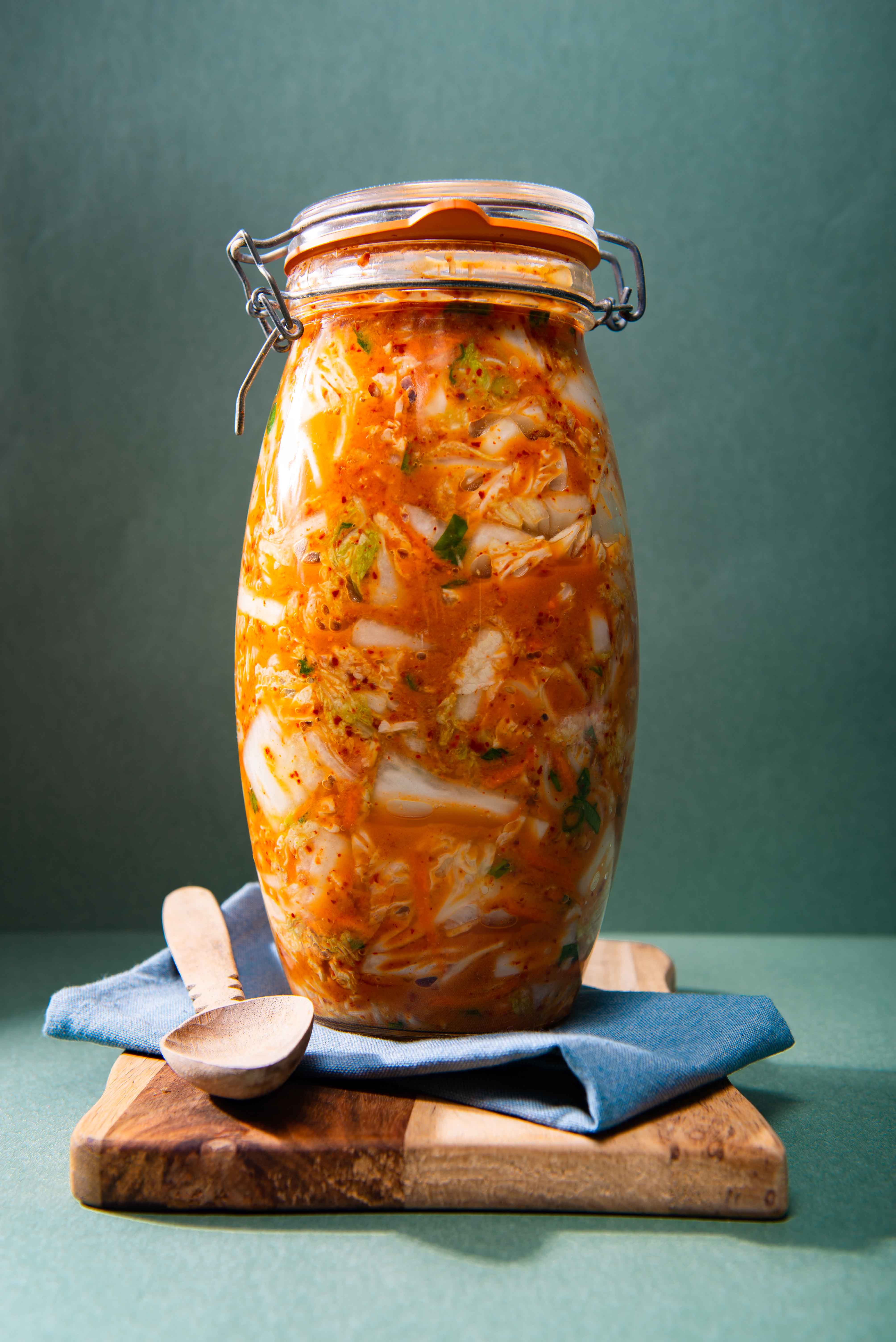
Two foolproof recipes: Latin American curtido and vegan Korean kimchi
Plus: why fermentation isn’t rocket science, but is addictively fun and delicious
Already a paying subscriber? Then just keep reading below. Not yet subscribed but want to read on, learn techniques, and cook better with real knowledge? Subscribe via our website for the best price (€60/year or €6/month). In the app you’ll pay €85/year due to Apple and Google service fees. As a subscriber you receive the full Kitchen Lab newsletter every other Sunday, in your inbox or on Substack, plus access to all our back issues and the Kitchen Lab Chat
Comments
Nothing yet. Say the first thing.
Sign in to join the conversation.