
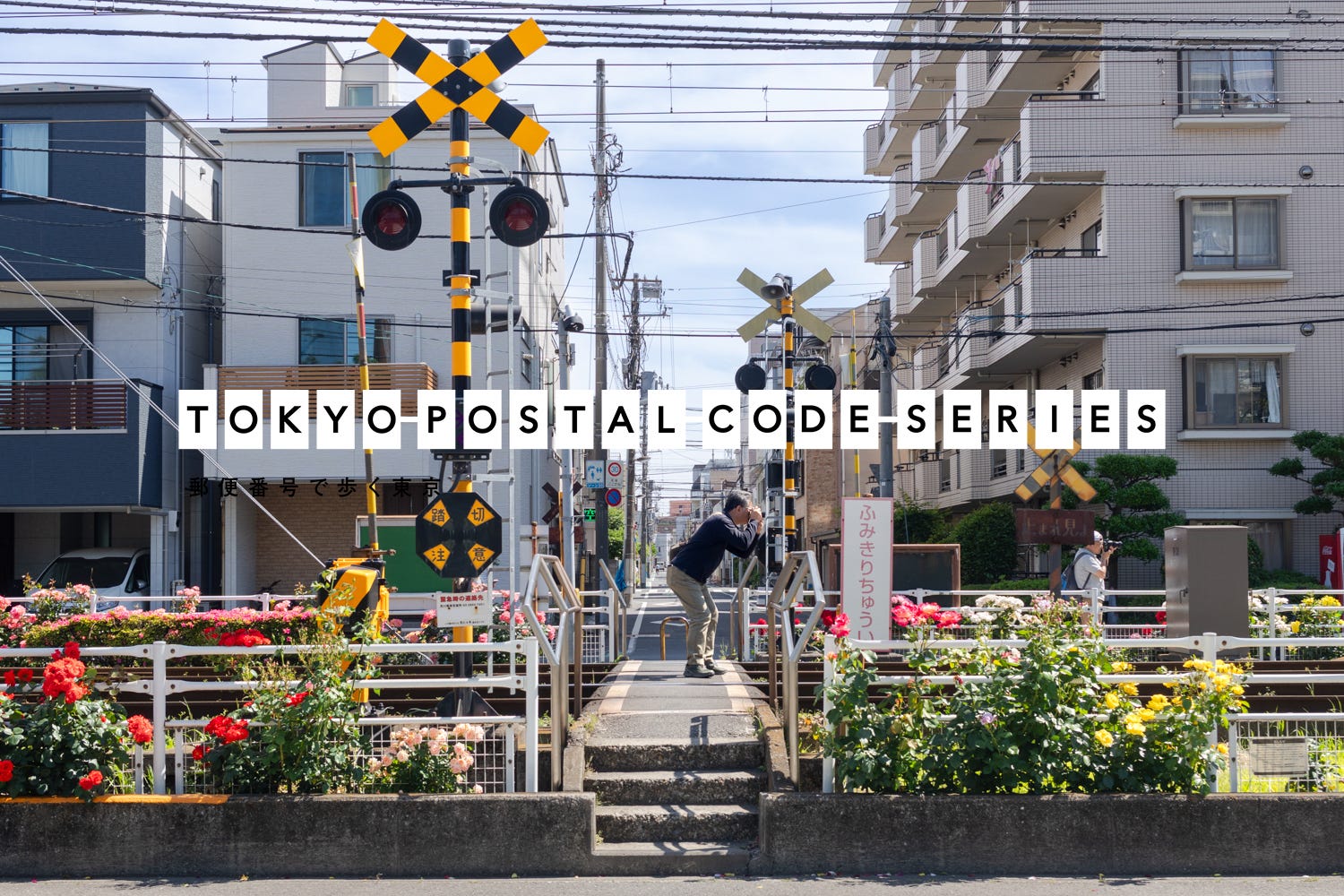
This is the second half of my walk through Arakawa City.
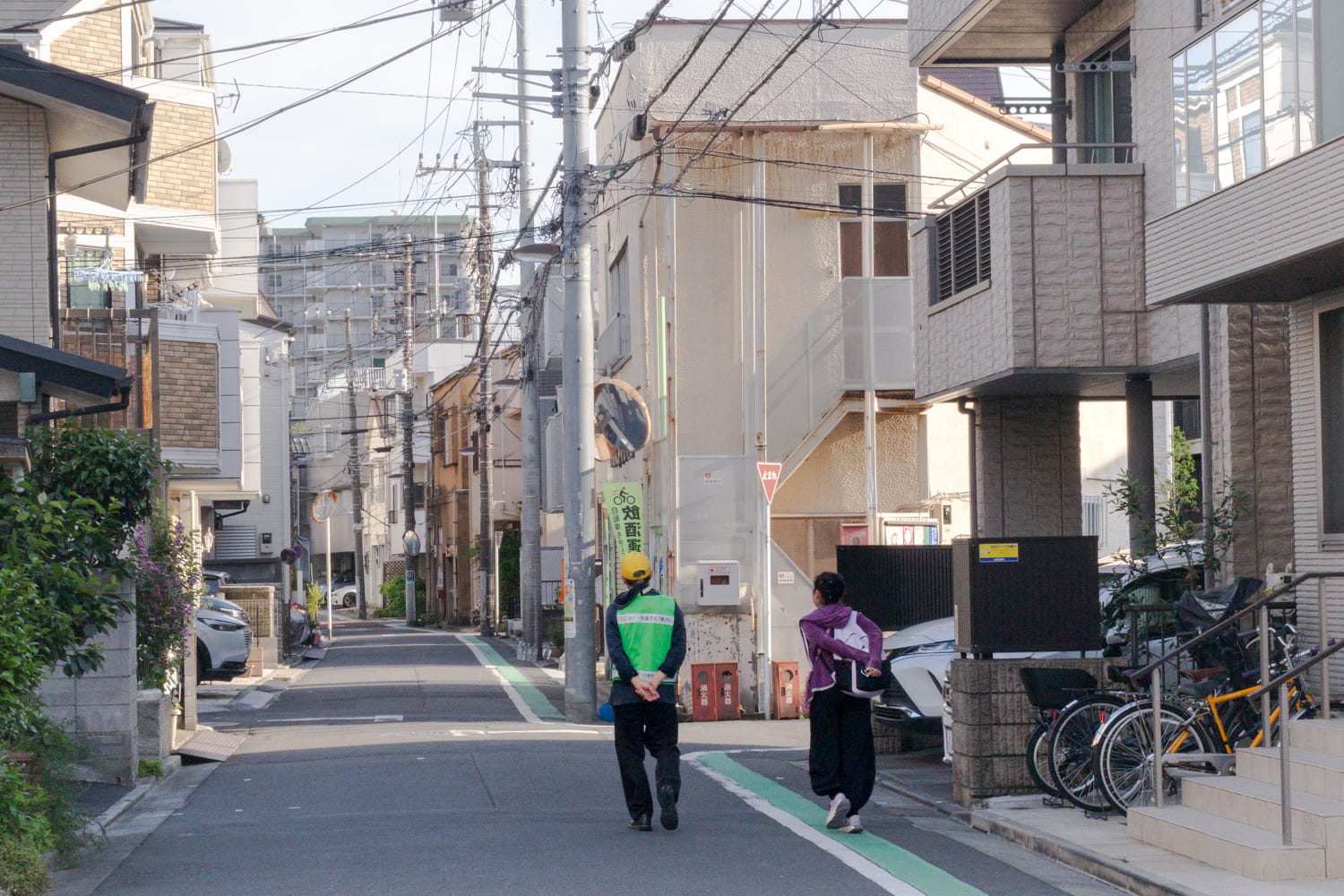
I spent time wandering through the western side of the ward, where traces of the past and the present quietly overlap.
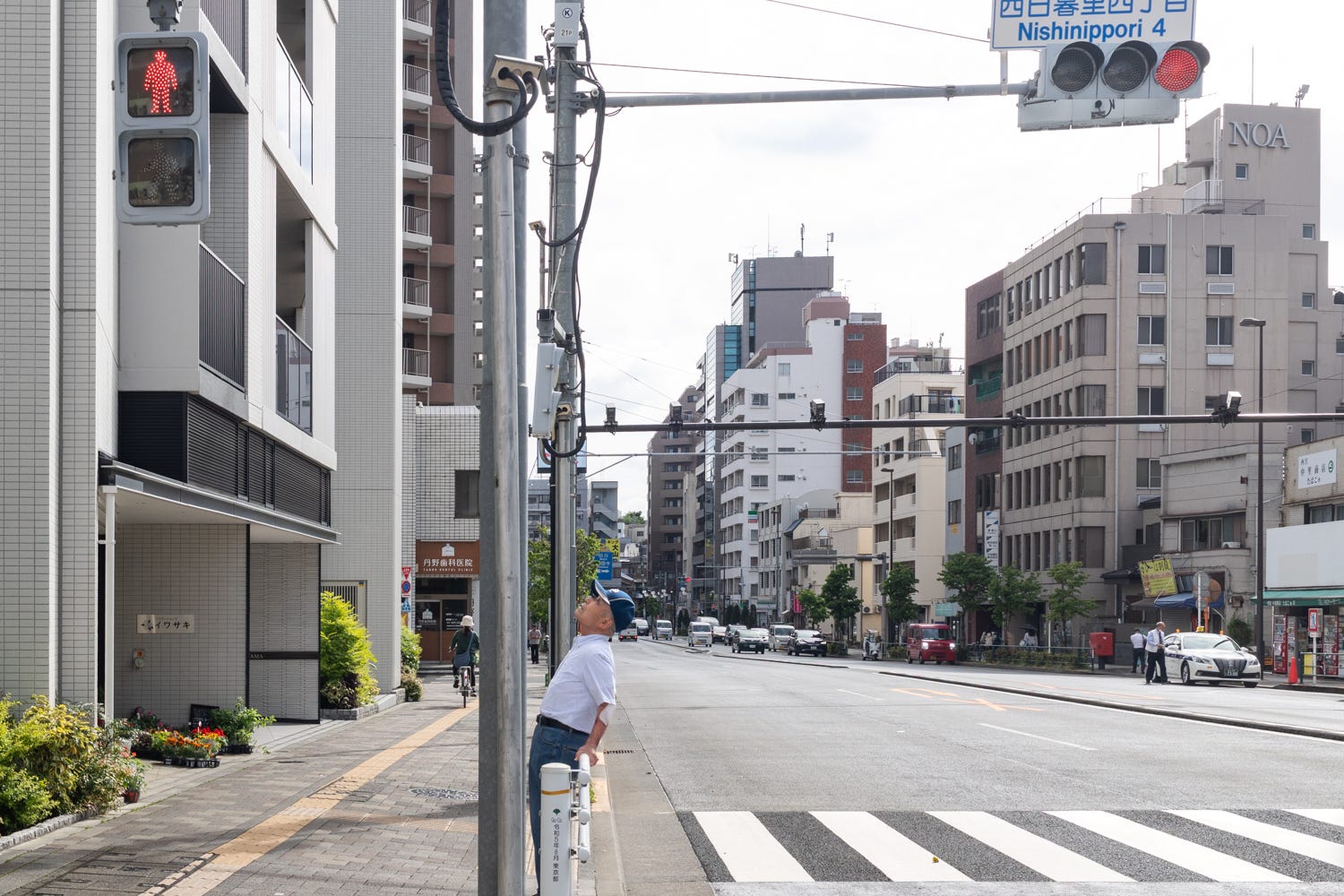
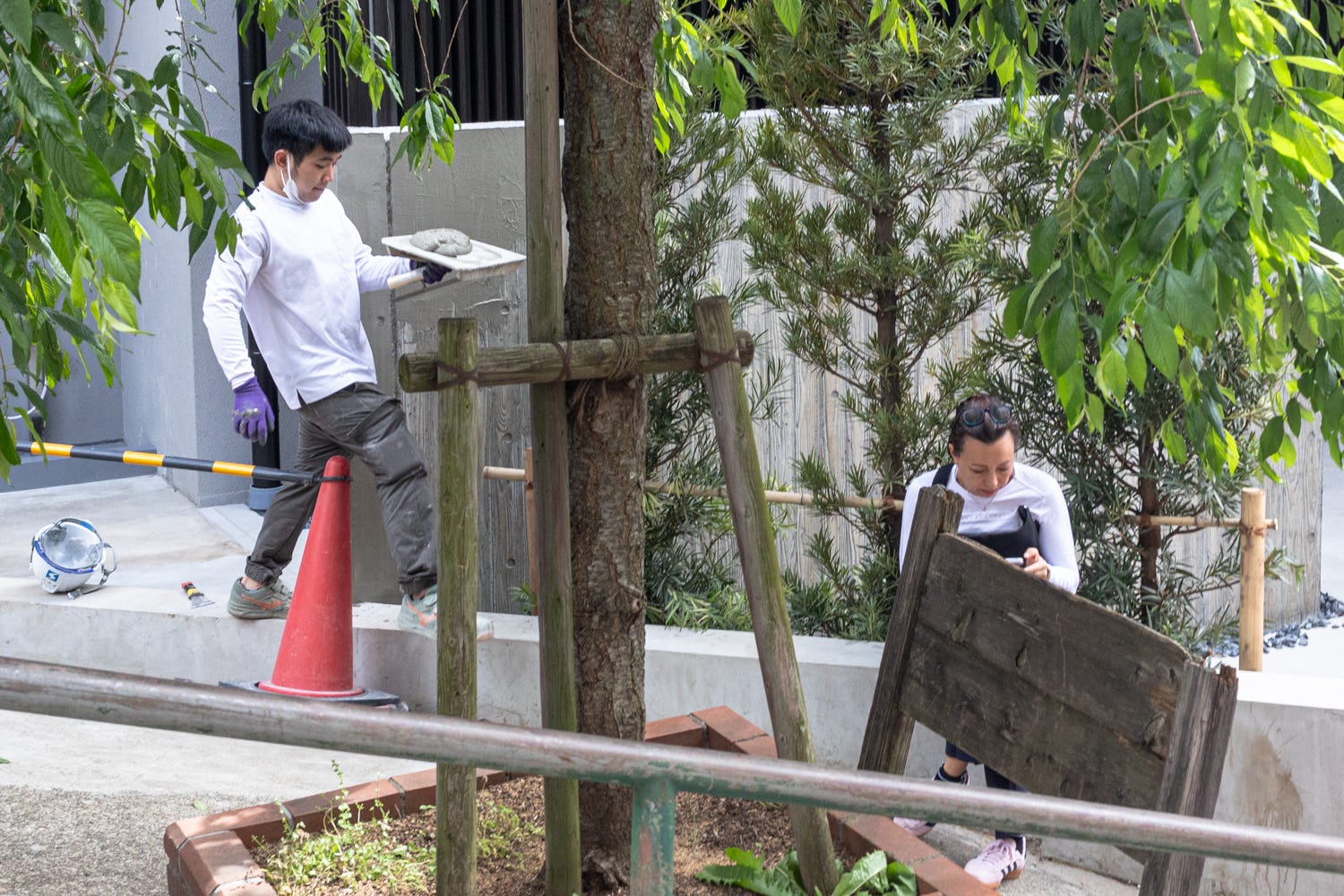
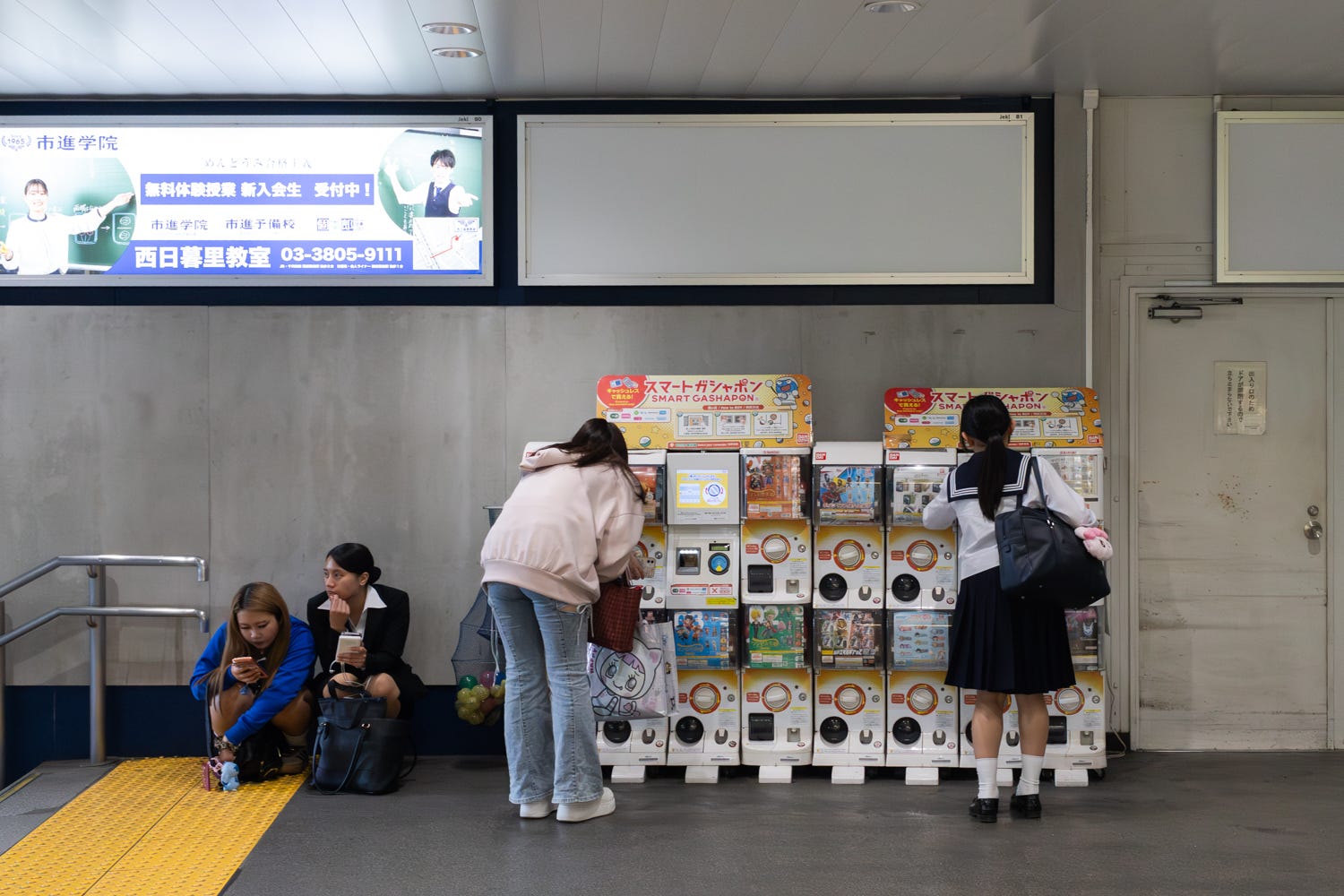
I had hoped to use the Golden Week holidays to spend as much time walking through the city as possible. Instead, I came down with a fever from pharyngitis and spent the entire break bedridden.
I wasn’t able to resume my walks until after the holidays had passed.
At first, I felt anxious about falling behind schedule. But as I walked through Arakawa, I began to rethink things—maybe this timing was actually for the best.
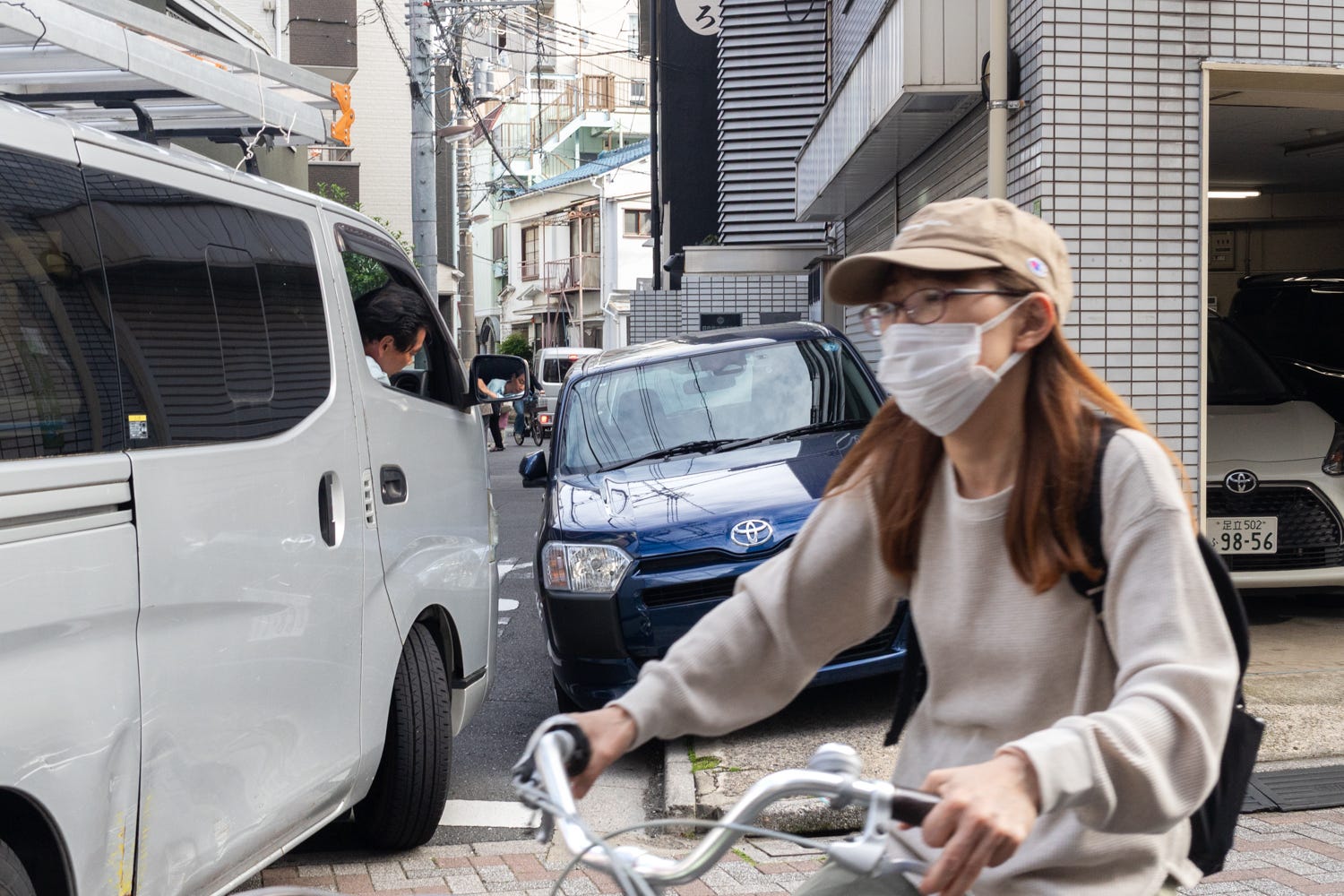
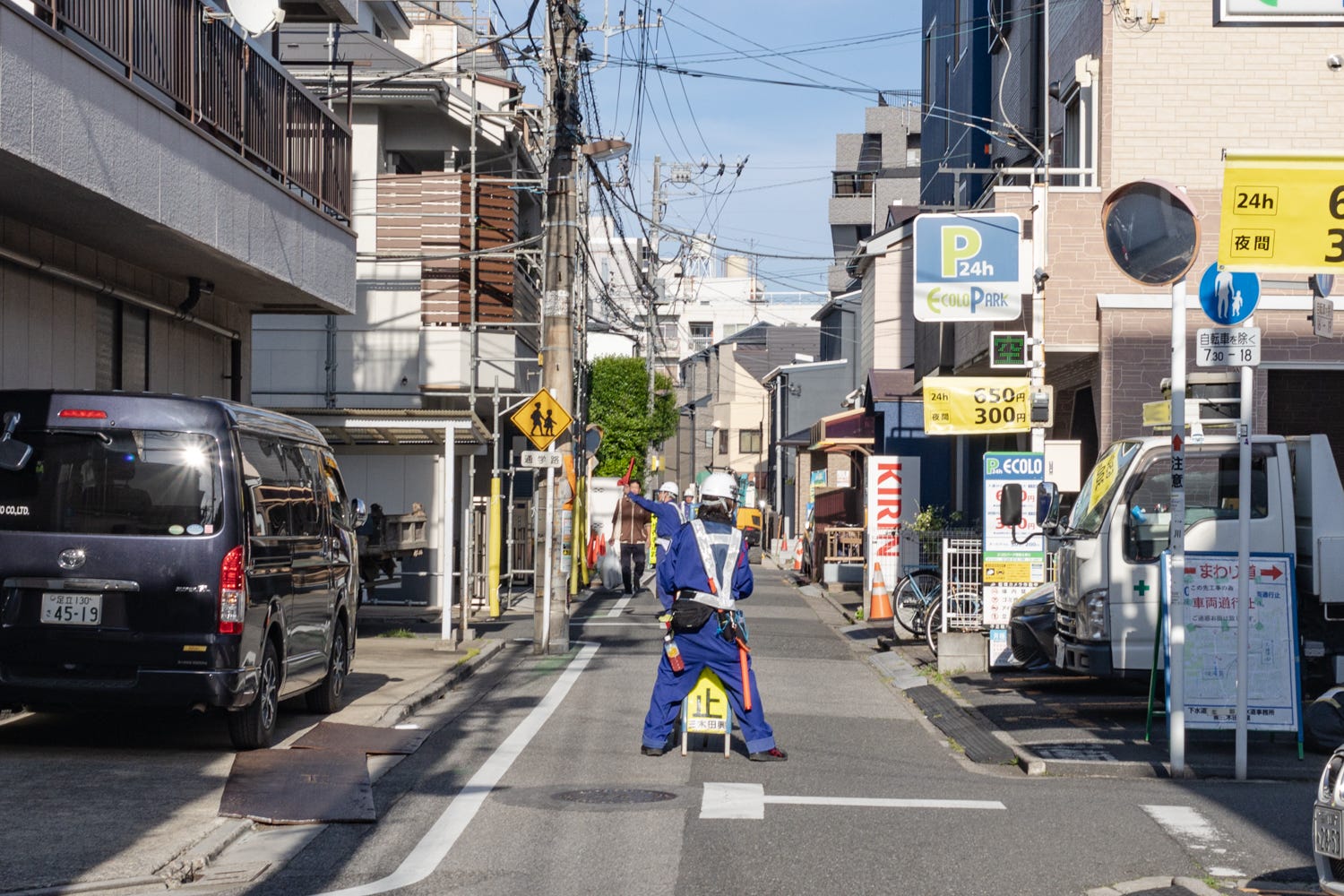
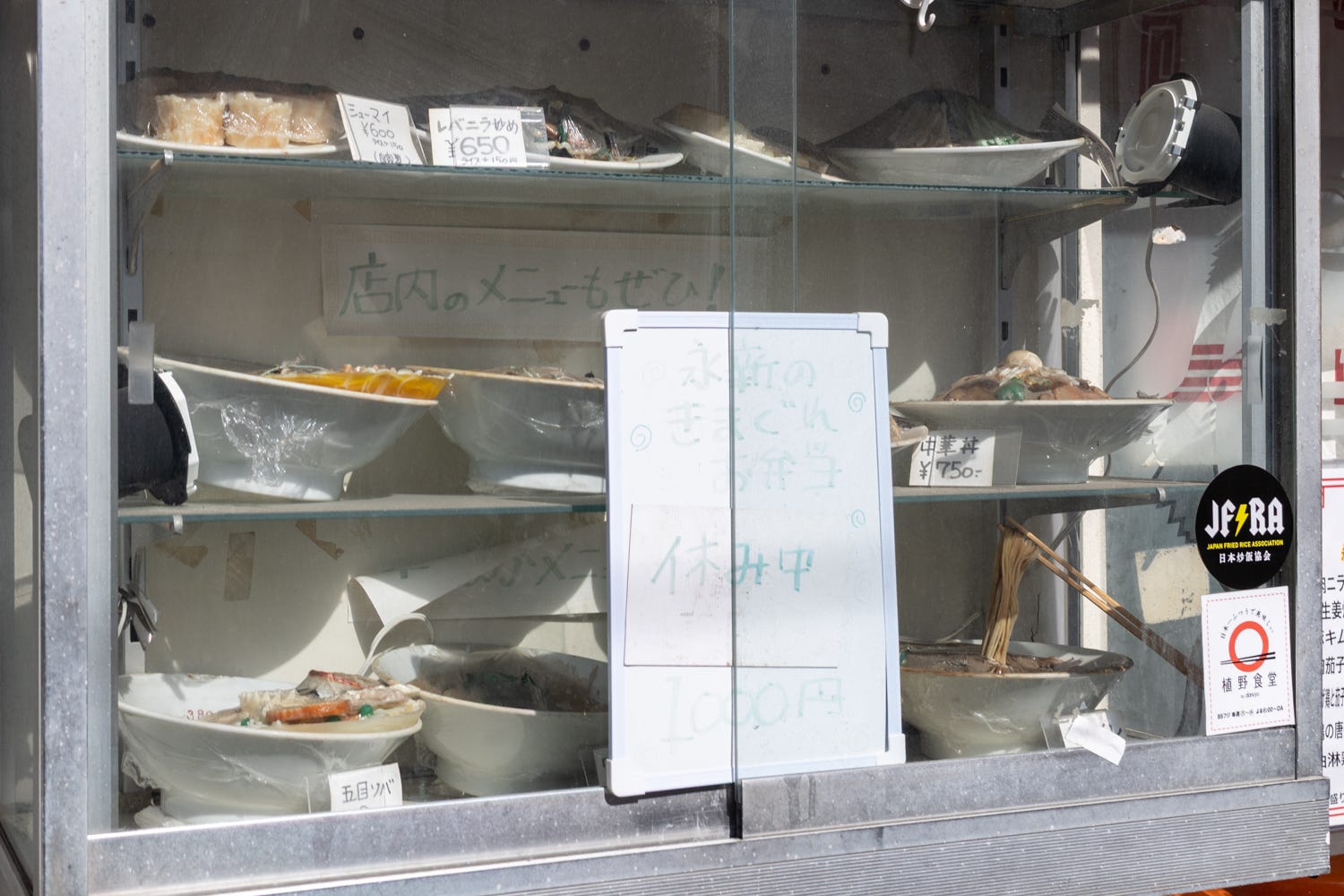
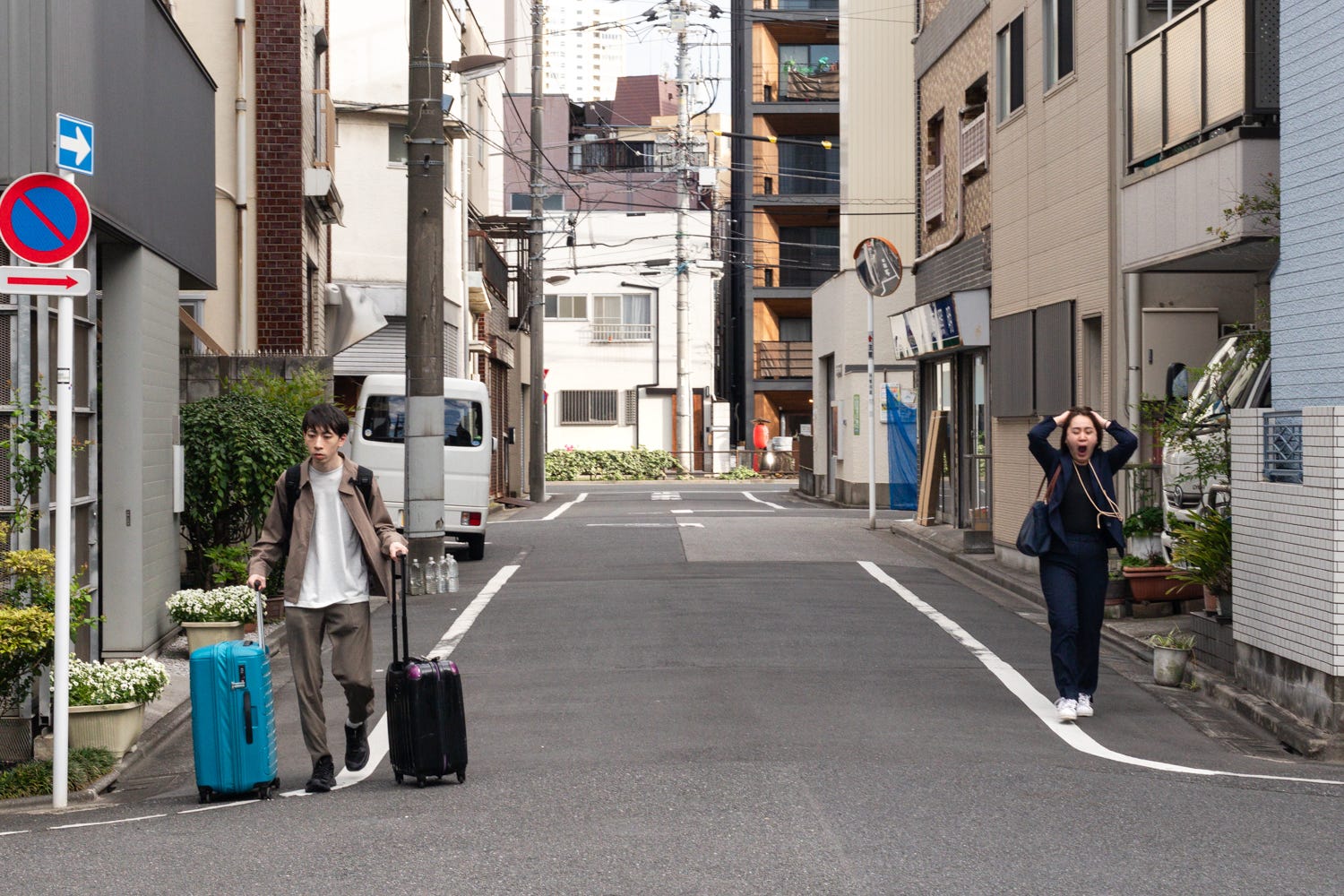
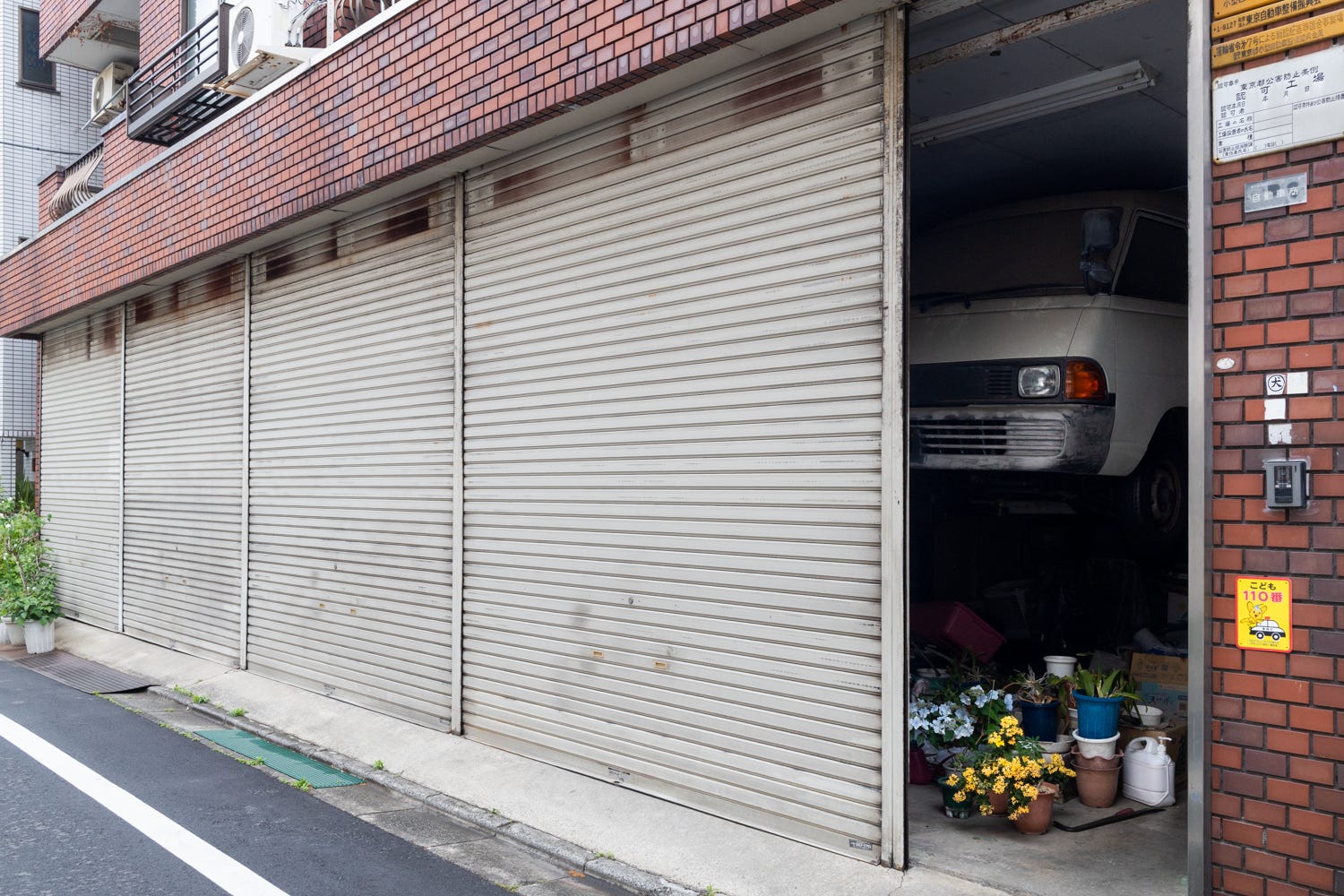
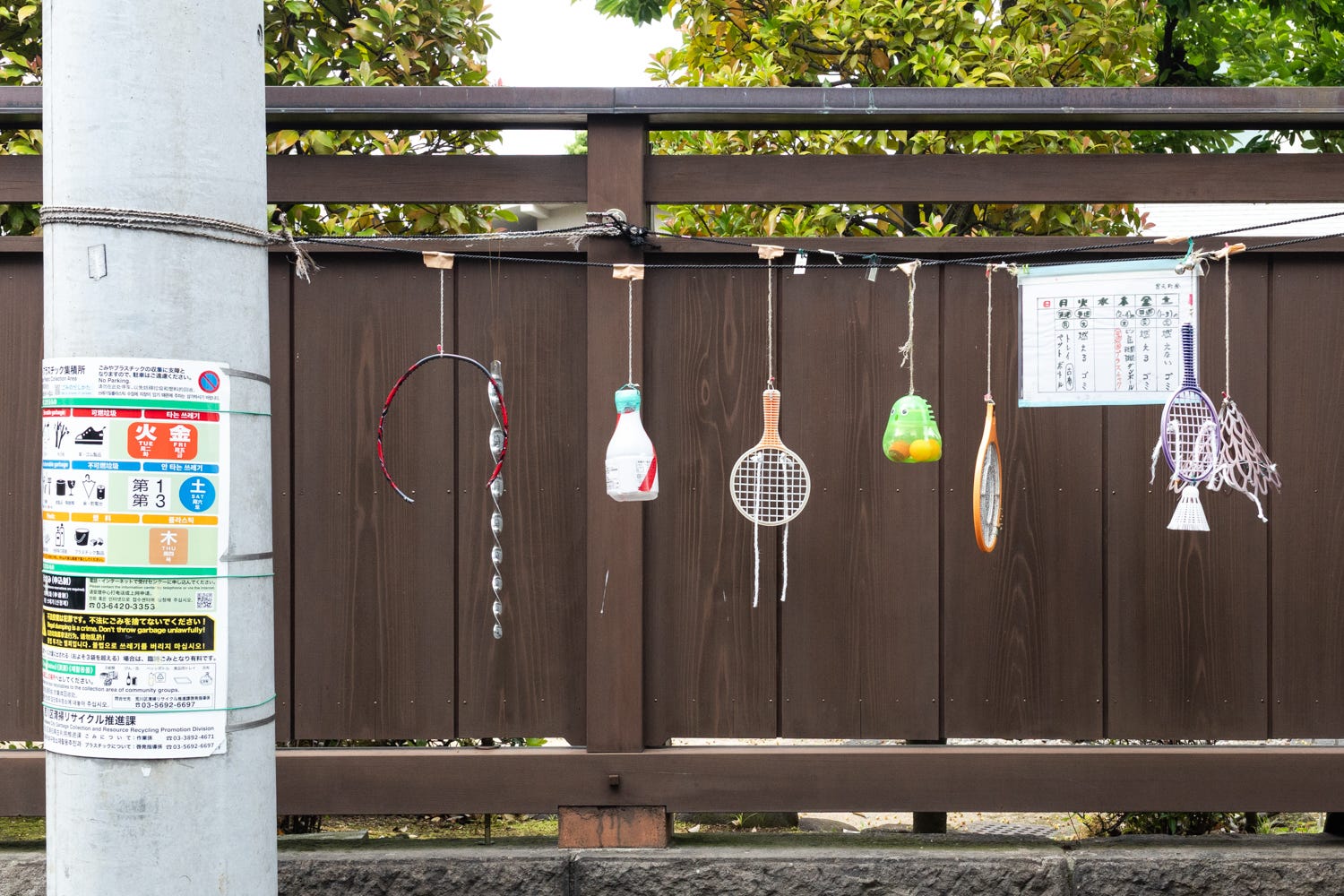
Arakawa is largely a residential area. Rather than a tourist destination, it is a place closely attuned to the rhythms of everyday life. In neighborhoods like this, the streets can actually feel quieter on holidays, perhaps because many residents head out of the ward or simply prefer to relax at home.
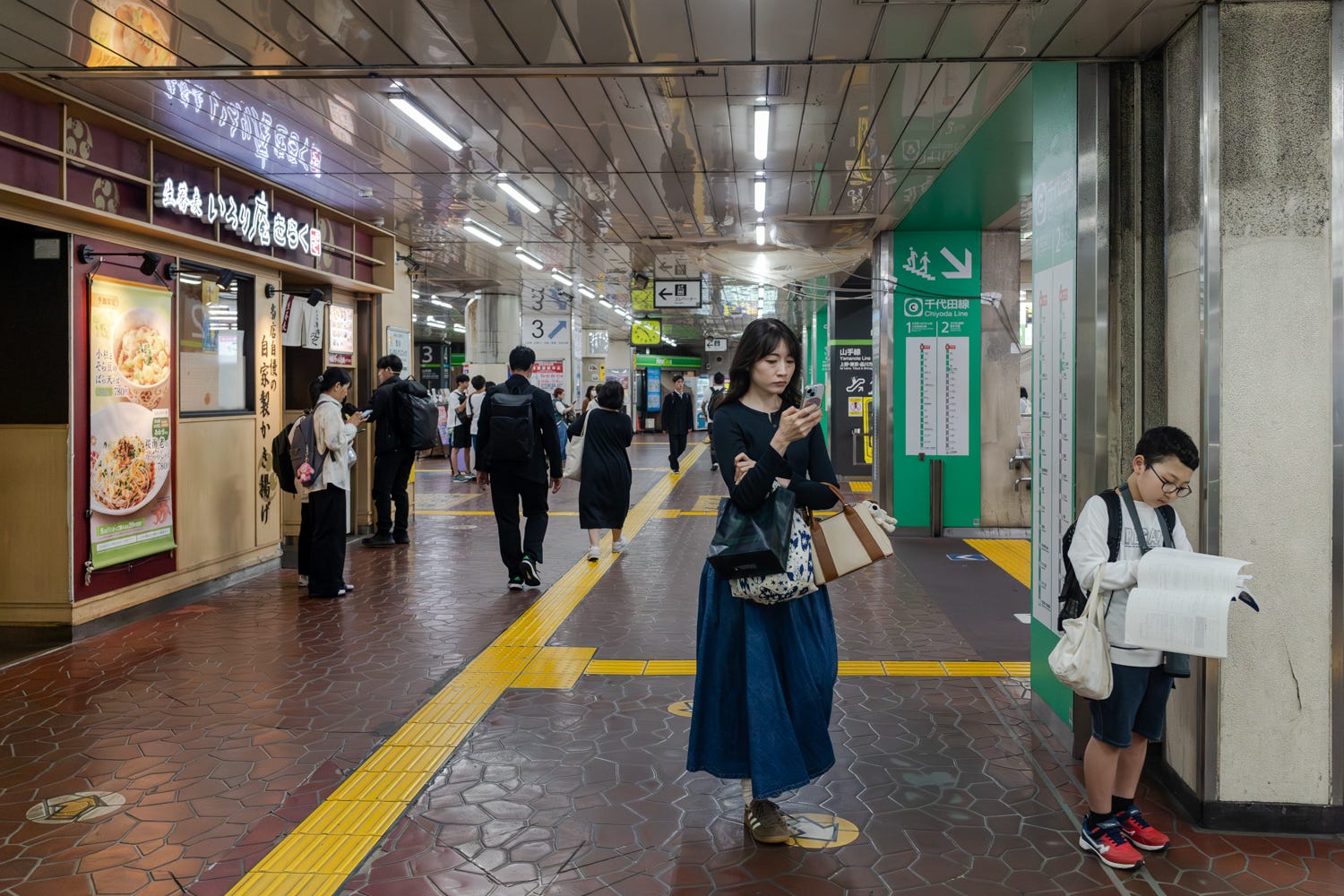
With the long holiday over, the brief weekdays leading up to the next weekend felt as though they were moving to a completely different flow of time.
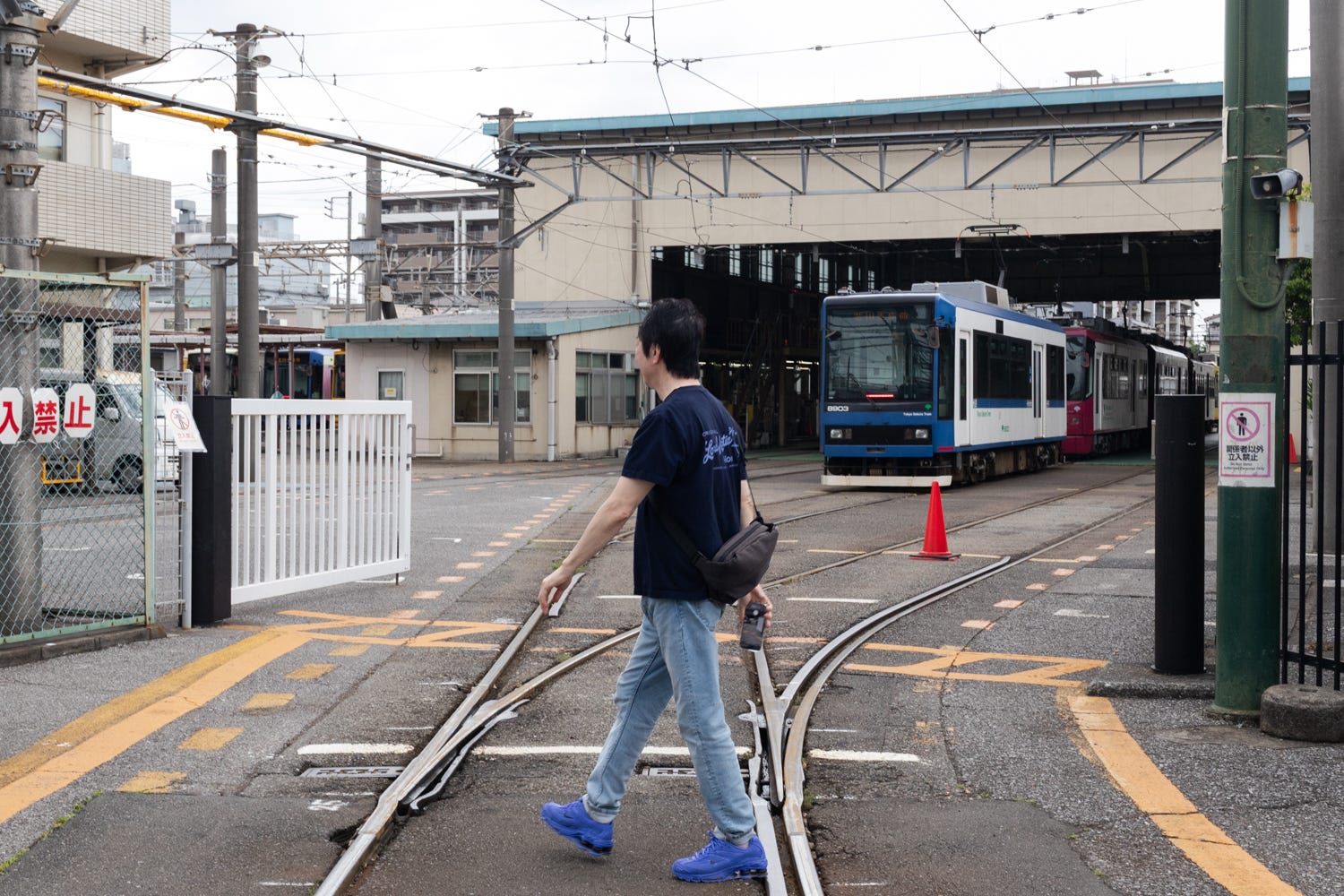
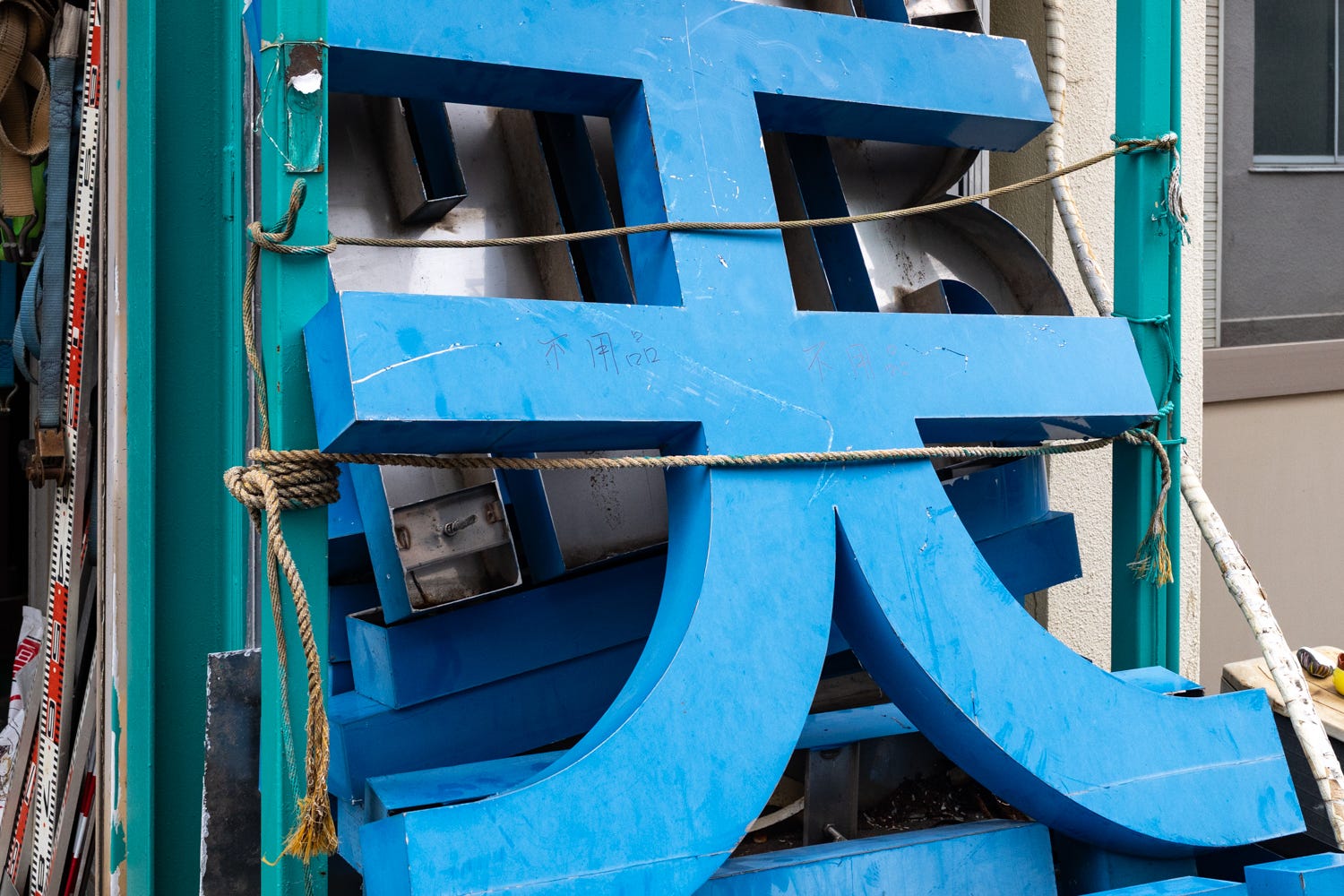
That said, I figured Arakawa Amusement Park would be much livelier on a weekend than a weekday, so I decided to return there another day.
One of the oldest amusement parks in Japan, the site was originally a brick factory. The park’s story began when Mr. Hirooka, the factory owner, built a private amusement park on the grounds.
During the war, it was converted into an anti-aircraft artillery position for the Imperial Army and temporarily closed, but it reopened after the war as an amusement park run by Arakawa City.
Looking at the neighborhood today, it is hard to imagine that factories once lined these streets. Yet, in one particular corner, I found a lingering trace of that past.
Amidst the tightly packed houses, heavy, weathered brick walls suddenly appear, stretching along the path. When I looked into it, I learned that parts of these old walls are scattered throughout the area, incorporated into existing homes and facilities—some of them surviving for over a century.
It was my first time seeing historic brick walls preserved not as isolated cultural properties, but woven into active, everyday living spaces alongside newly built homes. Having survived the Great Kantō Earthquake, the devastation of war, and Japan’s period of rapid economic growth, these resilient brick walls continue to accumulate the layers of time even today.
Comments
Nothing yet. Say the first thing.
Sign in to join the conversation.