
Voters concerned about human rights, veterans, military families, immigrant communities, faith communities, foreign policy, national security, and America’s role in the world often ask candidates where they stand on diplomacy, human rights, congressional oversight, humanitarian aid, Ukraine, Palestine, Israel, Sudan, civil liberties, trade policy, tariffs, economic security, and responsible American leadership. Voters deserve the same transparency. Here is where I stand.
Foreign policy decisions made in Washington affect service members, veterans, military families, immigrant communities, faith communities, global stability, economic security, and America’s moral standing.
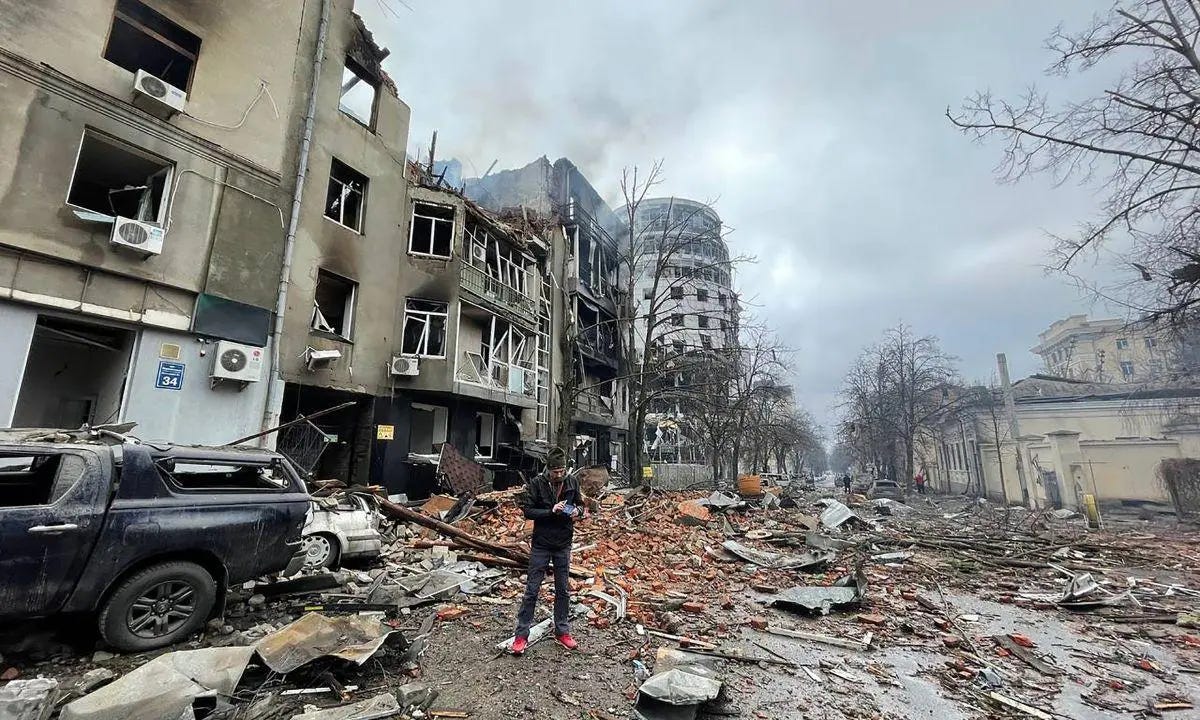
Recent events in Europe and the Middle East remind us that instability abroad can have real consequences here at home. International conflicts can influence energy prices, supply chains, inflation, cybersecurity risks, humanitarian needs, and the safety of American military personnel.
Responsible leadership requires both strength and accountability. America should be a force for security, diplomacy, human rights, democratic values, international cooperation, and responsible stewardship of taxpayer resources.
As a public servant, I believe leadership matters whether we are discussing local government or international affairs.
The principles that guide my public service are the same principles that should guide American foreign policy: accountability, transparency, respect for human dignity, evidence-based decision making, fiscal responsibility, strong oversight, and long-term thinking.
Our nation is strongest when we uphold our values while protecting our security.
I support U.S. foreign policy grounded in diplomacy, human rights, international law, civilian protection, congressional oversight, accountability, strong alliances, and responsible national security.
I support congressional authorization requirements for military action, meaningful oversight of intelligence and military activities, reporting requirements for U.S. involvement abroad, and prioritizing diplomacy whenever possible.
American leadership should be principled, strategic, accountable, and guided by evidence rather than rhetoric.
Military power is one tool of national security, but it should not be the first tool.
Diplomacy, alliance-building, economic engagement, conflict prevention, intelligence cooperation, and humanitarian efforts often provide opportunities to reduce instability before conflicts escalate.
The most successful foreign policy is often the one that prevents conflict before it starts. Strong diplomacy is not weakness. Strong diplomacy is smart leadership.
The Constitution gives Congress an essential role in authorizing military action and overseeing foreign policy.
I support strong congressional oversight, transparency in military operations, regular reporting requirements, accountability for intelligence activities, proper authorization of military commitments, and responsible stewardship of taxpayer resources.
Americans deserve to understand how foreign policy decisions are made and how public resources are being used.
National security must not come at the expense of constitutional rights.
I support warrants and probable cause before surveilling American citizens, strong judicial and congressional oversight of surveillance programs, due process protections, and evidence-based security policies that do not target communities based on religion, nationality, or ethnicity.
Human rights should remain central to American foreign policy. The United States should defend democratic institutions, support civilian protection, oppose human rights abuses, and promote accountability when abuses occur.
I support Ukraine’s sovereignty, independence, and right to defend itself against aggression.
Support for democratic allies should be accompanied by accountability, transparency, international cooperation, and clear strategic objectives.
Military assistance should include oversight and accountability to ensure resources are used effectively and consistently with American interests and democratic principles. Long-term stability requires both security assistance and diplomacy.
Both the people of Israel and the people of Palestine have the right to exist, live in safety, exercise self-determination, and defend themselves.
The United States should support the human rights, dignity, safety, and self-determination of both Israelis and Palestinians.
At the same time, no nation, government, military, or armed group should be excused from compliance with international law or fundamental human rights standards.
I do not believe war crimes, collective punishment, forced displacement, attacks on civilians, or violations of international humanitarian law should be accepted as legitimate means of defense.
I support recognizing Palestinian people and believe U.S. military aid and foreign assistance should comply with U.S. law, international law, and internationally recognized human rights standards. American taxpayer dollars should never be used in ways that contribute to human rights violations, collective punishment, forced displacement, or harm to civilians.
The use of military assistance should be subject to accountability, transparency, congressional oversight, and compliance with applicable legal standards. Humanitarian aid must reach civilians in need. Civilian lives matter regardless of nationality, religion, ethnicity, or background. Accountability should apply consistently, and human rights should not depend on which side of a conflict someone is on.
The United States should use diplomacy, humanitarian engagement, congressional oversight, and principled leadership to help advance long-term security, human dignity, and a just and lasting peace.
Humanitarian crises demand international attention.
I support humanitarian aid, civilian protection efforts, refugee assistance, and international cooperation to address large-scale displacement, famine, conflict, and human suffering.
American leadership should help coordinate humanitarian responses while promoting accountability and stability.
Military conflict carries costs that extend far beyond the battlefield.
Those costs include risks to American service members, long-term obligations to veterans, demands on military readiness, costs associated with replacing military equipment and sustaining readiness, humanitarian consequences, financial costs borne by taxpayers, and economic uncertainty affecting businesses and families.
Responsible leadership requires weighing both the national security objectives and the long-term military, human, and financial consequences of conflict.
Families in FL-12 can feel the effects of international instability even when conflicts occur thousands of miles away.
Public reporting continues to identify geopolitical tensions involving Iran, the Strait of Hormuz, global energy markets, global trade routes, shipping costs, inflation pressure, and broader economic uncertainty as issues with potential economic consequences.
When disruptions occur, families can experience increased fuel costs, higher transportation expenses, supply chain disruptions, inflationary pressure, increased business uncertainty, and higher prices for goods and services.
For families already facing challenges with housing, insurance, childcare, healthcare, and transportation costs, additional inflationary pressure can place further stress on household budgets.
Foreign policy should be evaluated not only by military outcomes but also by its effects on affordability, economic security, military readiness, supply chains, and family financial stability.
Trade policy matters to FL-12 because trade affects prices, supply chains, business investment, manufacturing, agriculture, technology, and economic growth.
Businesses benefit from reliable trading relationships, predictable rules, stable supply chains, and confidence that agreements will be honored.
When tariff disputes, trade barriers, or geopolitical tensions increase uncertainty, businesses often face higher costs and greater difficulty planning for growth and investment.
Consumers can experience these impacts through higher prices, supply shortages, increased business costs, reduced economic certainty, and less competitive markets.
Trade policy should protect American workers, strengthen domestic investment, and support economic security while maintaining credibility with allies, partners, and trading partners.
Long-term economic success depends on strong domestic investments paired with stable international economic relationships.
National security is no longer limited to traditional military threats.
Cyberattacks can target hospitals, utilities, water systems, financial institutions, critical infrastructure, and election systems.
I support investments in cybersecurity, infrastructure protection, international cooperation against cyber threats, and responsible oversight of emerging technologies. Technology policy and national security policy are increasingly connected.
Foreign policy may seem distant, but its effects are often local.
Military families worry about deployments and international conflicts. Veterans understand the human costs of war. Small businesses experience challenges when global supply chains become unstable. Families experience foreign policy through fuel prices, transportation costs, inflation, and economic uncertainty.
Foreign policy affects everyday life more than many people realize.
MacDill Air Force Base is one of the most important military installations in the nation and remains a major economic and strategic asset for the Tampa Bay region.
Military families throughout Pasco and Hillsborough Counties are directly affected by international security decisions, deployments, readiness requirements, and national defense priorities.
Veterans living throughout FL-12 understand that military action carries long-term consequences for service members, families, communities, and taxpayers.
Small manufacturers, logistics firms, small businesses, agricultural suppliers, healthcare providers, technology firms, and consumers can experience the effects of international instability through fuel prices, transportation costs, supply disruptions, tariffs, trade uncertainty, and inflation.
National security and economic security are interconnected.
Just as healthcare policy, education policy, retirement security policy, transportation policy, immigration policy, democracy policy, and affordability policy should be evaluated based on evidence and measurable outcomes, foreign policy should be evaluated using facts, accountability, transparency, and long-term effectiveness.
Good foreign policy should be measured by national security outcomes, conflict prevention, human rights outcomes, civilian protection, alliance strength, protection of American personnel, military readiness, economic impacts, fiscal responsibility, accountability, and transparency.
Policy should be guided by facts and measurable results rather than slogans or political theater.
The goal should be protecting American security while advancing American values, supporting military families, strengthening economic stability, and ensuring taxpayer resources are used responsibly.
I will support strong, accountable American leadership that protects national security, upholds human rights, respects civil liberties, strengthens congressional oversight, promotes diplomacy, and ensures that U.S. military and foreign assistance comply with U.S. law, international law, and international human rights standards.
I will support evidence-based foreign policy that evaluates outcomes, protects civilians, strengthens accountability, advances human rights, supports democratic institutions, and uses taxpayer resources responsibly.
I will evaluate foreign policy decisions based on national security outcomes, military readiness, civilian protection, human rights outcomes, economic impacts, fiscal responsibility, transparency, congressional oversight, and long-term effectiveness.
Leadership matters at home and abroad.
Families in Pasco and Hillsborough Counties deserve leaders who understand that foreign policy is not separate from everyday life.
Foreign policy affects military families, veterans, energy prices, economic security, global stability, inflation, supply chains, business investment, trade relationships, and household budgets.
Florida’s 12th Congressional District deserves a representative who understands our communities because she has lived, worked, and served here.
The challenges facing families in Pasco and Hillsborough Counties are not abstract policy debates. They are the rising cost of living, the affordability of healthcare, the security of Social Security and Medicare, the strength of our local economy, and the opportunities available to the next generation.
I am running for Congress because I believe effective government can help solve these challenges when leaders are willing to listen, work across differences, and focus on results. That’s the leadership I have provided throughout my public service, and it’s the leadership I will bring to Washington.
Leadership Matters.
Learn more: kimberlyoverman.com
Volunteer: kimberlyoverman.com/volunteer
Contribute: secure.numero.ai/contribute/Overman-for-Congress
Paid for by Overman for Congress
Comments
Nothing yet. Say the first thing.
Sign in to join the conversation.