
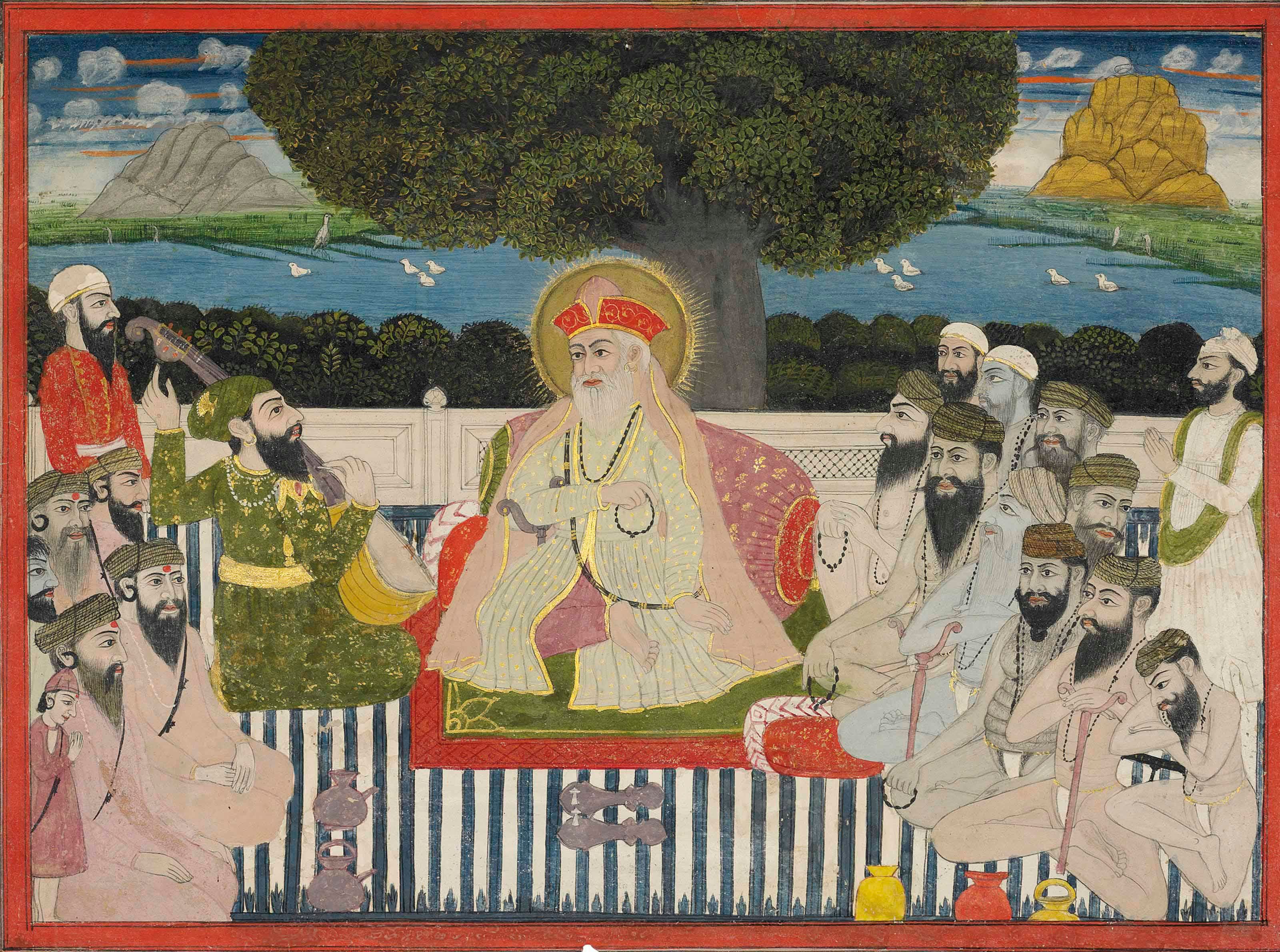
From the Bhagavad Gītā’s interiorization of yajña into disciplined yoga and single-pointed remembrance, to the Purāṇic exaltation of Hari Naam as the supreme refuge in the Kaliyuga, the long arc of Indian religiosity progressively relocates salvation from external rite to inward realization. The Gītā gathers Vedic sacrifice into meditation and devotion; the Purāṇas universalize divine remembrance as accessible to all; Tantra and the Nāths refine the inward turn into a sophisticated science of subtle anatomy, mantra, and ascent. The Sikh canon emerges within this mature landscape of interior spirituality. It neither rejects the inherited languages of yoga, nād, bindu, and subtle body, nor leaves them sovereign. Through Bhagat Beni and the dialogical brilliance of Siddh Gosṭ, Gurmat performs a decisive theological re-centering: what earlier traditions sought through disciplined interior technique, it locates finally in Hari Naam, Shabad, Hukam, and Guru-grace. The following study traces that movement—from Tantric cosmology and Nāth interiorization to their redemption in Naam.
Tantra belongs to the long early-medieval transformation of South Asian religiosity in which authority over salvation and sacred efficacy is increasingly articulated through portable disciplines—initiation, mantra, bodily cultivation, and interior realization—rather than primarily through public sacrificial performance. In the early medieval period (roughly the fifth through thirteenth centuries), royal religion shows a marked decline in the centrality of Śrauta sacrificial rites even as brahmanical social order remains publicly affirmed; within this shifting institutional landscape, mantra-based Śaiva systems (the Mantramārga) expanded into influential ritual and doctrinal repertoires that could be deployed across temples, courts, and ascetic networks.
“Tantra,” in modern scholarship, is therefore best treated not as a single creed but as a family of traditions that seek—through disciplined ritual and yogic strategies—to appropriate and channel divine potency within the human microcosm in liberating ways. Across lineages, Tantric systems typically foreground initiation and embodied practice: maṇḍala-initiations (dīkṣā), mantra-installations (nyāsa), and sustained regimes of worship and repetition (pūjā, japa, homa) that inscribe revelation onto the practitioner and make the body a ritually constructed locus of divine presence.
In this sense, Tantra does not merely add esoteric rites to older religion; it reflects a major shift in religious imagination, where the body itself is treated as a sacred terrain. The practitioner’s inner life becomes the primary theatre of transformation, and the Divine is approached through mapped interior disciplines rather than only through public ritual structures.
ਬਾਬਾ ਜੁਗਤਾ ਜੀਉ ਜੁਗਹ ਜੁਗ ਜੋਗੀ ਪਰਮ ਤੰਤ ਮਹਿ ਜੋਗੰ ॥
ਅੰਮ੍ਰਿਤੁ ਨਾਮੁ ਨਿਰੰਜਨ ਪਾਇਆ ਗਿਆਨ ਕਾਇਆ ਰਸ ਭੋਗੰ ॥੧॥ ਰਹਾਉ ॥
“O Baba, throughout the ages the true Yogi remains united in the Supreme Essence; obtaining the Amrit Naam, the body enjoys the bliss of spiritual wisdom. ||Pause||”
— Raag Ramkali, Mahalla 1 (Siddh Gosht), SGGS
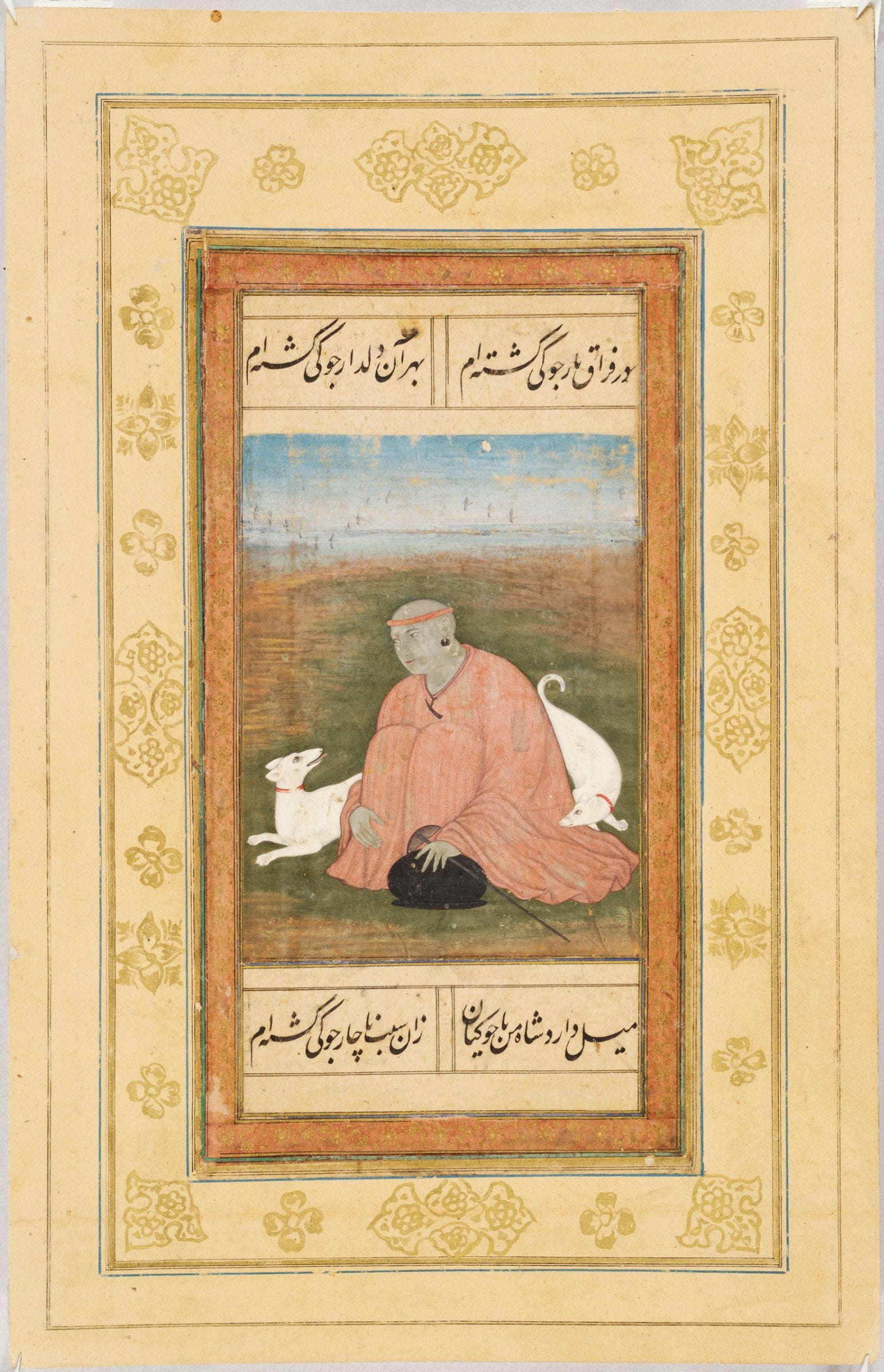
The Nāth yogīs emerge in continuity with this wider Tantric world while also systematizing a distinct ascetic idiom that would become publicly legible across North India. In Nāth self-tradition, the sampradāya traces itself to Gorakhnath (often placed around the twelfth century) and to a culture of “perfected ones” (siddhas) associated with yogic and alchemical power; Nāths are long linked with haṭha-yoga, imagined to transform the embodied condition toward an enduring “diamond body” (vajra-deha), and historically they often appear as charismatic specialists whose reputations for siddhis could translate into social and political authority.
Yet careful historical reading also cautions against picturing a single, timeless Nāth monolith: what later gets unified under the name “Nāth” can be understood as multiple yogī lineages and identities consolidated and re-described over time, even while their techniques and symbols circulated widely. For a Sikh reader, this matters because Guru Nanak is engaging not a single “system,” but a living religious world—one that has real authority, real charisma, and a powerful spiritual vocabulary already circulating among the people.
The religious impact of these Tantric–Nāth formations is best measured not only by sectarian lineages but by the vernacular “commons” they helped create: a shared repertoire of subtle-body mapping, breath and sound disciplines, siddhi language, and interior topographies that flowed into broader devotional worlds. Sant traditions, for example, could inherit yogic and Nāth resources while subordinating them to trans-sectarian interior devotion—“yoga” becoming a means in service of bhakti rather than an autonomous salvific path.
The Sikh canon is composed within that already-saturated environment of interiorized religiosity and yogic vocabulary, but it does not merely replicate it. Rather, it performs a theological discernment: it can retain the descriptive registers of Tantric–Nāth interiority while decisively relocating their soteriological center into Gurmat’s frame—Naam, Śabad, hukam, and grace—most sharply in Bhagat Beni’s subtle-body idiom and in Guru Nanak’s dialogical engagement with yogic masters in the Siddh Gosṭ.
The interiorization of sacred practice in South Asian religiosity can be read as a long reallocation of the locus of authority: from external rite to inner transformation, from public sacrificial space to subtle interior architecture. Tantra and the Nāth yogis represent the most developed instantiation of this turn, elaborating a “technology” of the inner body—channels, winds, reversals, sonic currents, seed-forces, and ascent motifs. The Guru Granth Sahib does not merely negate this inheritance; it preserves its vocabulary and interior maps while subjecting their claims to a decisive re-ordering. This re-ordering is most clearly seen through two recurring canonical witnesses: Bhagat Beni’s Ramkali bani, which preserves a sophisticated subtle-body cosmology, and Guru Nanak’s Siddh Gosṭ, which engages Nāth discourse dialogically and relocates “yoga” within Gurmat’s theological frame of Naam, Shabad, hukam, and grace.
ਗੁਰਮੁਖਿ ਜੀਅ ਪ੍ਰਾਨ ਉਪਜਹਿ ਗੁਰਮੁਖਿ ਸਿਵ ਘਰਿ ਜਾਈਐ ॥
“For the Gurmukh, life and breath well up; the Gurmukh returns to the Abode of Shiva.”
— Raag Gujri, Mahalla 3, SGGS
When scholars speak of “Tantric cosmology,” they mean the way Tantric traditions describe reality (cosmos and body together) as a system of divine forces that can be mapped, entered, and transformed through practice. A key Tantric assumption is that the human being is a microcosm: what exists in the universe also exists—subtly—within the body and mind. This is why Tantra so often ties metaphysics to embodied discipline: if reality is structured by certain powers, then liberation is imagined as learning how those powers move within us.
One of the best-known Tantric ways of describing reality is through the polarity of Śiva and Śakti. In Tantric thought, these are not simply two mythic deities; they often function as cosmic principles. Broadly speaking, Śiva can point to pure consciousness—stillness, witnessing presence, the unchanging ground—while Śakti points to power and manifestation—energy, motion, form, and the capacity of the One to appear as many. Their union is presented as the structure of existence itself: awareness and power, transcendence and immanence, inseparable.
Gurbani acknowledges that this register exists and can describe how embodied life appears:
ਜਹ ਦੇਖਾ ਤਹ ਰਵਿ ਰਹੇ ਸਿਵ ਸਕਤੀ ਕਾ ਮੇਲੁ ॥
ਤ੍ਰਿਹੁ ਗੁਣ ਬੰਧੀ ਦੇਹੁਰੀ ਜੋ ਆਇਆ ਜਗਿ ਸੋ ਖੇਲੁ ॥
“Wherever I look, there I see Him pervading — in the union of Shiva and Shakti.
The body is bound by the three qualities; whoever comes into the world is subject to this play.”
— Raag Gujri, Mahalla 3, SGGS
Here “ਸਿਵ ਸਕਤੀ ਕਾ ਮੇਲੁ” names that polarity as a way of speaking about the world. The next line introduces another classical framework: the three guṇas (triguṇa), the modes through which nature operates—sattva (clarity), rajas (activity), tamas (inertia). To say “ਤ੍ਰਿਹੁ ਗੁਣ ਬੰਧੀ ਦੇਹੁਰੀ” is to say the embodied house is conditioned by these forces; ordinary life is shaped by them whether we notice it or not.
But Gurmat’s move is to refuse to treat this description as ultimate. Gurbani places even this polarity-play under hukam:
ਹੁਕਮੇ ਸਿਵ ਸਕਤੀ ਘਰਿ ਵਾਸਾ ਹੁਕਮੇ ਖੇਲ ਖੇਲਾਇਦਾ ॥੧੧॥
“By His Hukam, one dwells in the house of Shiva and Shakti; by His Hukam, the play is enacted.”
— Raag Asa, Mahalla 1, SGGS
For Sikh readers, hukam is not simply an order like human command. It is the Divine ordinance—the deeper truth-structure by which the world unfolds. This line says: even the Śiva–Śakti framework is inside hukam. Liberation is not simply mastering a cosmic mechanism; it is aligning with the One who holds the mechanism itself.
That framing extends to the standard Indian ethical-religious idea of “four aims of life” (often glossed as dharma/artha/kāma/mokṣa, though the line itself simply says four “padāraths”):
ਚਾਰਿ ਪਦਾਰਥ ਲੈ ਜਗਿ ਜਨਮਿਆ ਸਿਵ ਸਕਤੀ ਘਰਿ ਵਾਸੁ ਧਰੇ ॥
“One is born into the world to obtain the four great blessings; the soul has taken residence in the house of Shiva and Shakti.”
— Raag Gujri, Mahalla 3, SGGS
The point is simple but weighty: human seeking unfolds inside embodied life, and the whole drama of desire, duty, success, and liberation happens in this “house.” Yet Gurmat insists we are not trapped by this cosmology. It is not destiny. The higher movement is to cut illusion and awaken Divine light:
ਸਿਵ ਸਕਤੀ ਘਰਿ ਵਾਸਾ ਪਾਇਆ ॥
ਸਕਤਿ ਗਈ ਭ੍ਰਮੁ ਕਟਿਆ ਸਿਵ ਜੋਤਿ ਜਗਾਇਆ ॥
“One comes to dwell in the house of Shiva and Shakti.
When Shakti departs and doubt is cut away, the Light of Shiva is awakened.”
— Raag Gujri, Mahalla 3, SGGS
For readers new to yogic language: many systems treat liberation as energetic management—raising power, untying knots, refining subtle force. Gurbani uses the same vocabulary-field (“ਸਕਤਿ”) but makes the goal unmistakably soteriological: bhram is cut, and the divine light awakens. The point is not to become powerful; it is to become free from illusion and rooted in Truth.
Alongside this polarity-cosmology sits another register central to yoga and Tantra: the inner realm of sound. In many yogic traditions, sound is not merely external vibration but a sign of subtle consciousness. Gurbani presents an inner divine “place” defined by what is absent (sun, moon, wind, water) and what is present (anāhad sound):
ਦੇਵ ਸਥਾਨੈ ਕਿਆ ਨੀਸਾਣੀ ॥
ਤਹ ਬਾਜੇ ਸਬਦ ਅਨਾਹਦ ਬਾਣੀ ॥
ਤਹ ਚੰਦੁ ਨ ਸੂਰਜੁ ਪਉਣੁ ਨ ਪਾਣੀ ॥
ਸਾਖੀ ਜਾਗੀ ਗੁਰਮੁਖਿ ਜਾਣੀ ॥੨॥
“What is the insignia of the Deva’s dwelling?
There the Anahad sound of the Shabad resounds.
There is no moon or sun, no air or water.
The Gurmukh awakens and realizes this teaching. ||2||”
— Raag Ramkali, Beni, SGGS
For someone with no background: anāhad means “unstruck”—not produced by external collision. It points to an inward resonance experienced in deep absorption. Gurbani names it “ਸਬਦ ਅਨਾਹਦ ਬਾਣੀ,” but then gives the key: “ਗੁਰਮੁਖਿ ਜਾਣੀ.” Even when inner sound is affirmed, realization is through Guru-facing orientation, not independent technique.
This harmonizes with Japji’s Divine Court imagery:
ਸੋ ਦਰੁ ਕੇਹਾ ਸੋ ਘਰੁ ਕੇਹਾ ਜਿਤੁ ਬਹਿ ਸਰਬ ਸਮਾਲੇ ॥
ਵਾਜੇ ਨਾਦ ਅਨੇਕ ਅਸੰਖਾ ਕੇਤੇ ਵਾਵਣਹਾਰੇ ॥
“Where is that Gate, and where is that Dwelling, where You sit and take care of all?
There, countless Naad resound; innumerable musicians play.”
— Japji Sahib, Mahalla 1, SGGS
Here “ਨਾਦ” (naad) means sound-current, resonance, the living vibration of praise and being. Gurbani does not treat it as a tool to dominate reality. Instead, it asks for the right posture: awe.
ਵਿਸਮਾਦੁ ਨਾਦ ਵਿਸਮਾਦੁ ਵੇਦ ॥
“Wonderful is the sound current of the Naad; wonderful is the wisdom of the Vedas.”
— Raag Asa, Mahalla 1, SGGS
And it states directly that the right access is through the Guru:
ਗੁਰਮੁਖਿ ਨਾਦੰ ਗੁਰਮੁਖਿ ਵੇਦੰ ਗੁਰਮੁਖਿ ਰਹਿਆ ਸਮਾਈ ॥
“Through the Guru is the Naad; through the Guru is the Veda; through the Guru one remains absorbed in the Divine.”
— Japji Sahib, SGGS
Finally, Siddh Gosṭ preserves a classic yogic image: the inner sky. In yogic language, “sky” or “space” often refers to the interior field of awareness, sometimes linked with the crown region or the subtle “space” where sound is heard and consciousness becomes expansive. Gurbani uses the idiom but again frames it through Shabad:
ਰਹੈ ਗਗਨ ਪੁਰਿ ਦ੍ਰਿਸਟਿ ਸਮੈਸਰਿ ਅਨਹਤ ਸਬਦਿ ਰੰਗੀਣਾ ॥੨॥
“Abiding in the sky-realm, seeing all equally, one is imbued with the unstruck Shabad.”
— Raag Ramkali, Mahalla 1 (Siddh Gosht), SGGS
Gurbani can speak in yogic and Tantric languages, but it never allows those languages to become their own authority. They are brought under hukam, opened through gurmukh orientation, and fulfilled only when they serve Naam and Shabad.
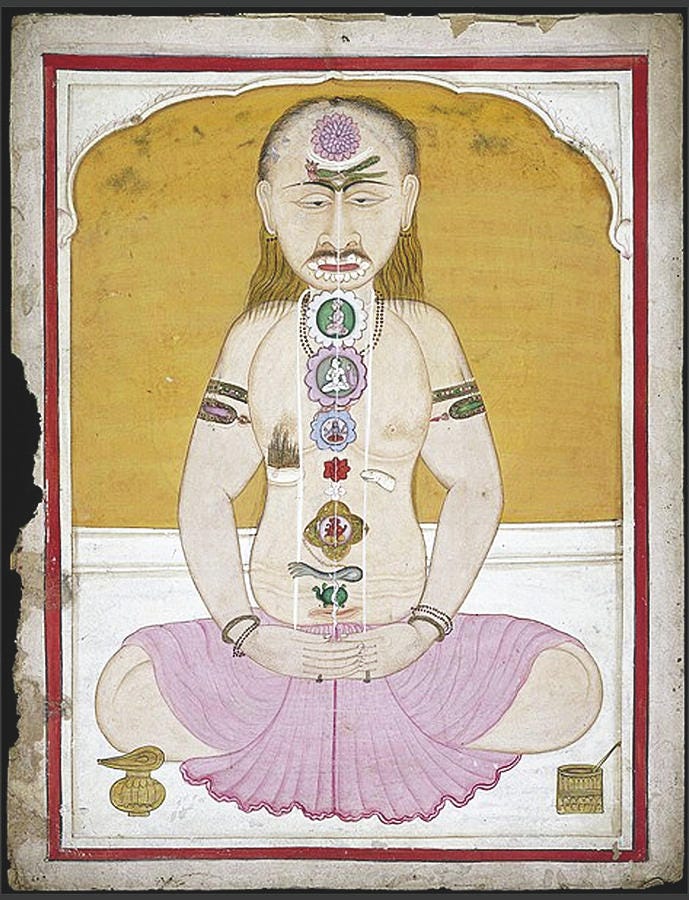
Tantra’s most distinctive historical move was the relocation of sacred encounters from external sacrificial mediation to interior realization. Rather than approaching the Divine mainly through public rite, fire sacrifice, or temple ceremony, Tantric and yogic systems increasingly treated the human body as sacred geography. The body became a place of ascent, reversal, awakening, and union. This interior turn required a new symbolic anatomy: channels (nāḍīs), breath-currents, subtle “gates,” inner sound, and interior thresholds. Bhagat Beni’s bani shows that this spiritual anatomy was already part of the religious language of North India—and that Gurbani can preserve it without surrendering to it.
He names explicitly the triadic nāḍī system:
ਇੜਾ ਪਿੰਗੁਲਾ ਅਉਰ ਸੁਖਮਨਾ ਤੀਨਿ ਬਸਹਿ ਇਕ ਠਾਈ ॥
ਬੇਣੀ ਸੰਗਮੁ ਤਹ ਪਿਰਾਗੁ ਮਨੁ ਮਜਨੁ ਕਰੇ ਤਿਥਾਈ ॥੧॥
ਸੰਤਹੁ ਤਹਾ ਨਿਰੰਜਨ ਰਾਮੁ ਹੈ ॥
ਤਹਾਂ ਨਿਰੰਜਨੁ ਰਮਈਆ ਹੋਇ ॥੧॥ ਰਹਾਉ ॥
“The energy channels of Ida, Pingala and Sukhmana — these three dwell in one place.
That is the true confluence, like the sacred Prayag; there the mind bathes.
O Saints, the Immaculate Rama dwells there;
the all-pervading Lord abides there. ||Pause||”
— Raag Ramkali, Bhagat Beni Ji, SGGS
Iḍā, piṅgalā, and sukhmanā (suṣumnā) are subtle channels through which life-current is imagined to flow. Iḍā is often linked with a “cool” lunar current, piṅgalā with a “warm” solar current, and suṣumnā with the central channel through which awakening is said to rise. Beni uses the image of “sangam,” the confluence of rivers at Prayāg, to say: the true pilgrimage happens inside. The mind “bathes” there—meaning purification is interior, not just geographic.
Yet Beni’s whole point is not technical. The confluence matters because “Niranjan Ram” is encountered there. The map remains, but the center becomes devotional—Divine Presence, not spiritual technology.
That same evaluation becomes explicit in Siddh Gosṭ:
ਐਸਾ ਜੋਗੀ ਜੁਗਤਿ ਬੀਚਾਰੈ ॥
ਪੰਚ ਮਾਰਿ ਸਾਚੁ ਉਰਿ ਧਾਰੈ ॥੧॥ ਰਹਾਉ ॥
“Such a Yogi contemplates the true method; conquering the five passions, he enshrines Truth within his heart. ||Pause||”
— Raag Ramkali, Mahalla 1 (Siddh Gosht), SGGS
Here the “true method” is measured by moral conquest and inner Truth, not by display. The five are commonly taken as the passions or inner enemies; the real yogic victory is to enthrone Sach in the heart.
The body is then described as a fortress under hukam:
ਹੁਕਮਿ ਸੰਜੋਗੀ ਗੜਿ ਦਸ ਦੁਆਰ ॥
“By Hukam, the body-fortress with ten gates is constructed.”
— Raag Gauri, Mahalla 1, SGGS
The “ten gates” image is familiar in Sant and yogic worlds, where nine openings are visible and a tenth is subtle—often linked with transcendence. But the line anchors the whole structure under hukam. Even this inner architecture is not a machine we own; it is a house built under Divine ordinance.
Beni expands the inner imagery beautifully:
ਚਉਮੁਖ ਦੀਵਾ ਜੋਤਿ ਦੁਆਰ ॥
ਪਲੂ ਅਨਤ ਮੂਲੁ ਬਿਚਕਾਰਿ ॥
ਸਰਬ ਕਲਾ ਲੇ ਆਪੇ ਰਹੈ ॥
ਮਨੁ ਮਾਣਕੁ ਰਤਨਾ ਮਹਿ ਗੁਹੈ ॥੮॥
“The four-sided lamp illumines the gate;
the Primal Lord is in the midst of countless leaves.
He Himself abides there with all His powers;
He weaves jewels into the pearl of the mind.”
— Raag Ramkali, Beni, SGGS
A parallel “breath-house” idiom appears:
ਨਵੰਤ ਦੁਆਰੰ ਭੀਤ ਰਹਿਤੰ ਬਾਇ ਰੂਪੰ ਅਸਥੰਭਨਹ ॥
“It has nine gates without visible doors; it is supported by pillars of air (the breath channels).”
— Raag Gujri, Bhagat Jaidev, SGGS
Breath (vāyu) is the bridge between body and mind, and breath-control becomes a pathway to mastery. Gurbani acknowledges the breath-field, but again refuses to treat it as sovereign. It is a created structure, upheld by an invisible current, still operating under the One.
And this field is not spiritually neutral; it is where bondage happens:
ਉਛਲਿਆ ਕਾਮੁ ਕਾਲ ਮਤਿ ਲਾਗੀ ਤਉ ਆਨਿ ਸਕਤਿ ਗਲਿ ਬਾਂਧਿਆ ॥੨॥
“You are overflowing with sexual desire; your intellect is attached to death and darkness; you are held by Shakti around your neck.”
— Raag Gauri, Mahalla 1, SGGS
So the problem is not “lack of technique.” The problem is attachment and delusion. This is why Beni can mention the most technical motifs—seed-mantra, inversion, sunn—yet still keep the spiritual weight on awakening:
ਜਾਗਤੁ ਰਹੈ ਸੁ ਕਬਹੁ ਨ ਸੋਵੈ ॥ ਤੀਨਿ ਤਿਲੋਕ ਸਮਾਧਿ ਪਲੋਵੈ ॥ ਬੀਜ ਮੰਤ੍ਰੁ ਲੈ ਹਿਰਦੈ ਰਹੈ ॥ ਮਨੂਆ ਉਲਟਿ ਸੁੰਨ ਮਹਿ ਗਹੈ ॥੫॥
“One who remains awake never sleeps. In Samaadhi, the three worlds vanish (are transcended). He takes the Seed Mantra into his heart;
turning his mind inward (ulta), he grasps the Absolute Void.”
— Raag Ramkali, Beni, SGGS
In yogic systems, inversion (ulṭ) signifies reversing outward-flowing consciousness and drawing it inward. “Bīj mantra” refers to a seed-syllable believed to contain condensed spiritual potency. “Sunn” evokes the interior stillness or void into which the mind is absorbed. These are highly technical categories within Tantric practice. Yet in Gurbani they function less as instructions for manipulation and more as descriptions of interior awakening.
The ethical dimension continues:
ਜਾਗਤੁ ਰਹੈ ਨ ਅਲੀਆ ਭਾਖੈ ॥ ਪਾਚਉ ਇੰਦ੍ਰੀ ਬਸਿ ਕਰਿ ਰਾਖੈ ॥ ਗੁਰ ਕੀ ਸਾਖੀ ਰਾਖੈ ਚੀਤ ॥ ਮਨੁ ਤਨੁ ਅਰਪੈ ਕ੍ਰਿਸਨ ਪਰੀਤਿ ॥੬॥
“Remaining awake, he does not speak falsehood. He keeps the five senses under control; he enshrines the Guru’s teaching in his consciousness; He dedicates mind and body in love to Krishna.”
— Raag Ramkali, Beni, SGGS
This is the real pivot: “ਗੁਰ ਕੀ ਸਾਖੀ.” The spiritual anatomy is real, but the inner life is finally guided by the Guru’s testimony, not by self-willed manipulation.
Siddh Gosṭ continues the breath and sky symbolism:
ਬੋਲੈ ਪਵਨਾ ਗਗਨੁ ਗਰਜੈ ॥
ਨਾਨਕ ਨਿਹਚਲੁ ਮਿਲਣੁ ਸਹਜੈ ॥੫੦॥
“The breath vibrates; the inner sky resounds.
O Nanak, one intuitively meets the Eternal, Unmoving Lord.”
— Raag Ramkali, Mahalla 1 (Siddh Gosht), SGGS
Breath speaks; the inner sky resounds. In yogic experience, such imagery can describe interior auditory or expansive states. Stable union in Sehaj, the natural, effortless equipoise granted by alignment with Divine reality. Union is not forced; it ripens in natural, grace-infused steadiness..
The Dasam Duār appears as the threshold of transcendence.
This “tenth gate” is described in terms of nectar:
ਉਪਜੈ ਗਿਆਨੁ ਦੁਰਮਤਿ ਛੀਜੈ ॥ ਅੰਮ੍ਰਿਤ ਰਸਿ ਗਗਨੰਤਰਿ ਭੀਜੈ ॥
ਏਸੁ ਕਲਾ ਜੋ ਜਾਣੈ ਭੇਉ ॥ ਦਸਮ ਦੁਆਰਾ ਅਗਮ ਅਪਾਰਾ ਪਰਮ ਪੁਰਖ ਕੀ ਘਾਟੀ ॥ ਊਪਰਿ ਹਾਟੁ ਹਾਟ ਪਰਿ ਆਲਾ ਆਲੇ ਭੀਤਰਿ ਥਾਤੀ ॥੪॥
“Spiritual wisdom wells up and evil-mindedness departs.
The inner sky is drenched with Amrit.
One who knows the secret of this art —
The Tenth Gate is the dwelling of the Inaccessible, Infinite Supreme Lord.
Above is the store, and within that niche is the true commodity.”
— Raag Ramkali, Beni, SGGS
The imagery evokes awakening of knowledge, dissolution of delusion, and immersion in Amrit — the nectar of immortality. The inversion motif appears again:
ਉਲਟਿਓ ਕਮਲੁ ਬ੍ਰਹਮੁ ਬੀਚਾਰਿ ॥
ਅੰਮ੍ਰਿਤ ਧਾਰ ਗਗਨਿ ਦਸ ਦੁਆਰਿ ॥
“The inverted lotus is turned upright through meditation on the Brahman;
from the sky of the Tenth Gate, the stream of Amrit flows.”
— Raag Maru, Mahalla 1, SGGS
The lotus (often a symbol for subtle centers or chakras) is “reversed,” and nectar flows at the tenth gate. Such language could easily be read as technical instruction for energetic ascent.
ਮਸਤਕਿ ਪਦਮੁ ਦੁਆਲੈ ਮਣੀ ॥
ਮਾਹਿ ਨਿਰੰਜਨੁ ਤ੍ਰਿਭਵਣ ਧਣੀ ॥
ਪੰਚ ਸਬਦ ਨਿਰਮਾਇਲ ਬਾਜੇ ॥
ਢੁਲਕੇ ਚਵਰ ਸੰਖ ਘਨ ਗਾਜੇ ॥
“The lotus is at the forehead, jewels surround it;
within it is the Immaculate Lord, Master of the three worlds.
The five primal sounds resound in purity;
the fly-brushes wave and conches thunder.”
— Raag Ramkali, Beni, SGGS
Yet Gurmat gives the final correction that prevents technique from becoming pride:
ਦਸਵੈ ਦੁਆਰਿ ਕੁੰਚੀ ਜਬ ਦੀਜੈ ॥
ਤਉ ਦਇਆਲ ਕੋ ਦਰਸਨੁ ਕੀਜੈ ॥੨੪॥
“When the key is inserted into the Tenth Gate, then the Merciful Lord is seen.”
— Raag Maru, Mahalla 1, SGGS
The key is given. The tenth gate opens not by coercion of prāṇa but by the grace of the Merciful. This is the pivot into the larger Naam-centered framework. The interior architecture may be real; the experience of ascent may occur; but the determining cause is gift, not technique.
Even naad–bindu is placed under subordination:
ਨਾਦ ਬਿੰਦ ਕੀ ਸੁਰਤਿ ਸਮਾਇ ॥
ਸਤਿਗੁਰੁ ਸੇਵਿ ਪਰਮ ਪਦੁ ਪਾਇ ॥੨॥
“One who merges consciousness into the Naad and the Bindu,
serving the Satguru, obtains the supreme state.”
— Raag Asa, Mahalla 1, SGGS
In Tantric discourse, nād and bindu represent refined states of interior concentration and vibratory awareness. Here, however, their significance is realized fully only in Satguru-service. The “param pad” is attained not through independent mastery but through relational devotion.
Liberation is described as transcendence into the tenth seat, while remembering the Creator as ultimate source:
ਨਉ ਦਰ ਮੁਕਤੇ ਦਸਵੈ ਆਸਨੁ ॥
ਊਪਰਿ ਪਰੈ ਪਰੈ ਅਪਰੰਪਰੁ ਜਿਨਿ ਆਪੇ ਆਪੁ ਉਪਾਇਆ ॥੨॥
“Liberated from the nine gates, one obtains the Asana (seat) in the Tenth Gate.
Lofty and high, the farthest of the far and infinite, He created Himself.”
— Raag Maru, Mahalla 1, SGGS
The nine gates are transcended; the tenth seat becomes the locus of awareness. Yet even here, the One who created all is acknowledged as the ultimate source.
So Gurmat’s stance becomes clear: the subtle body language is not mocked. It is taken seriously, preserved, and even used to describe inner realities. But the sovereignty is shifted. The map is not the destination. The practice is not the Lord. The gift is Naam, and the key is the Merciful One. The inner house becomes a temple where Shabad resounds, and where the Guru’s word turns technique into devotion.
ਮੂਲ ਮੰਤ੍ਰੁ ਹਰਿ ਨਾਮੁ ਰਸਾਇਣੁ ਕਹੁ ਨਾਨਕ ਪੂਰਾ ਪਾਇਆ ॥੫॥
“The root mantra of Hari’s name is the drug of immortality; says Nanak, I have found the Complete One.”
— Raag Maru, Mahalla 1, SGGS
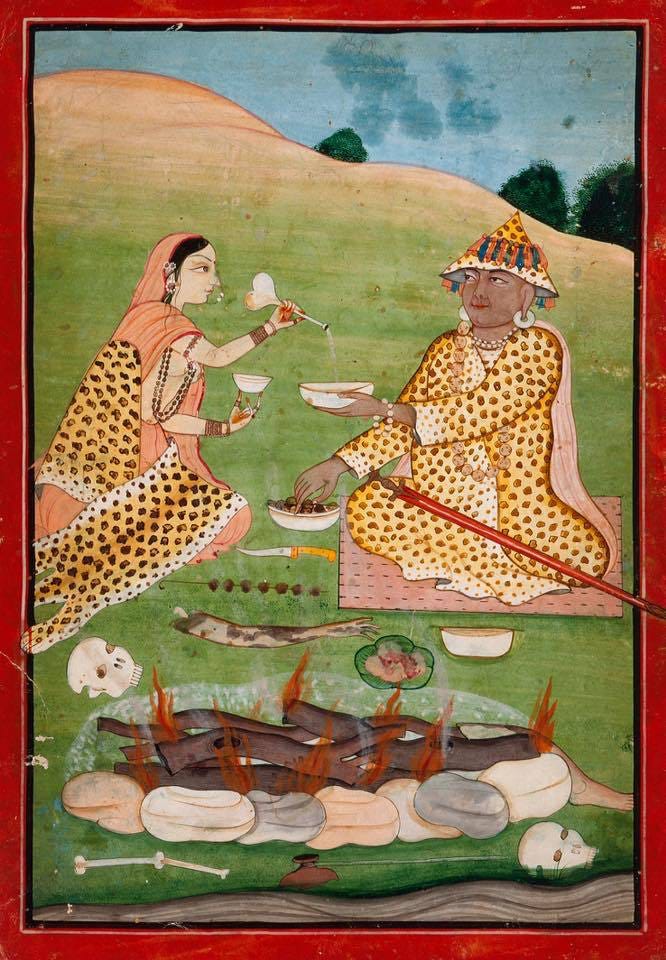
In the Tantric and Nāth worlds, spiritual authority rarely remains only “personal.” It usually takes institutional form: lineages, initiation rites, restricted access, guarded mantras, and carefully transmitted techniques. Tantra in particular develops initiatory structures in which sacred knowledge is sealed through dīkṣā, mediated through a paramparā, and often protected as something not meant for everyone. The guru becomes the gatekeeper, the mantra becomes a kind of spiritual currency, and initiation becomes a decisive threshold event.
This structure fits Tantric logic. If liberation depends on exact activation—precise mantra, correct visualization, controlled breath, ritual accuracy—then authority must be regulated. Potency must be controlled. Access must be “given.”
Nāth yogīs, though not identical to Śaiva Tantra, often share this general pattern. They preserve esoteric disciplines, transmit specialized yogic knowledge, maintain lineage identities, and mark authority through visible signs and recognized gurus. Their path becomes publicly legible through both technique and social form.
It is precisely this regime—controlled potency, guarded access, visible authority—that the Sikh canon engages and evaluates. Gurmat does not deny discipline, and it does not deny that guru-disciple transmission matters. But it introduces a different standard: does it produce inner truth rooted in Shabad and Naam, or does it simply produce spiritual status?
Thus Siddh Gosṭ redefines yogic insignia from the outside-in to the inside-out:
ਗੁਰ ਕਾ ਸਬਦੁ ਮਨੈ ਮਹਿ ਮੁੰਦ੍ਰਾ ਖਿੰਥਾ ਖਿਮਾ ਹਢਾਵਉ ॥
ਜੋ ਕਿਛੁ ਕਰੈ ਭਲਾ ਕਰਿ ਮਾਨਉ ਸਹਜ ਜੋਗ ਨਿਧਿ ਪਾਵਉ ॥੧॥
“Let the Guru’s Shabad be the earrings in your mind; wear the patched coat of tolerance. Accept whatever He does as good; thus obtain the treasure of Sehaj Yoga.”
— Raag Ramkali, Mahalla 1 (Siddh Gosht), SGGS
The earrings and cloak do not disappear; they are transformed. The real earrings are Shabad in the mind. The real garment is forgiveness. The outward kit becomes inward ethics. Authority moves from visible identity to inner reformation through the Guru.
The same relocation happens with mantra itself. In Tantra, mantra is not mere prayer; it is believed to be power-bearing speech that shapes reality. Gurbani can acknowledge the language of mantra and tantra, but it insists the deepest “medicine” is Naam:
ਅਉਖਧ ਮੰਤ੍ਰ ਤੰਤ੍ਰ ਪਰ ਦੁਖ ਹਰ ਸਰਬ ਰੋਗ ਖੰਡਣ ਗੁਣਕਾਰੀ ॥
ਕਾਮ ਕ੍ਰੋਧ ਮਦ ਮਤਸਰ ਤ੍ਰਿਸਨਾ ਬਿਨਸਿ ਜਾਹਿ ਹਰਿ ਨਾਮੁ ਉਚਾਰੀ ॥
“Medicine, mantra, tantra — these remove pain and destroy disease;
but lust, anger, pride, jealousy and desire are eradicated by chanting the Name of Hari.”
— Svaiye, Mahalla 5, SGGS
Here, mantra–tantra language is preserved, but the true medicine (aukhadh) and true dissolver of disease are not esoteric syllables; they are Hari-Naam. The passions — kām, krodh, pride, envy, craving — are destroyed not through ritual manipulation but through utterance and remembrance of the Divine Name.
The Guru-mantra is framed as protection, not as secret force, but as anchoring remembrance:
ਦੁਖੁ ਕਲੇਸੁ ਨ ਭਉ ਬਿਆਪੈ ਗੁਰ ਮੰਤ੍ਰੁ ਹਿਰਦੈ ਹੋਇ ॥
“Suffering, distress and fear do not afflict one whose heart holds the Guru’s Mantra.”
— Raag Gauri, Mahalla 5, SGGS
In Tantric frameworks, initiation implants mantra within the disciple as a subtle seed. In Gurmat, the Guru’s mantra operates not as secret power but as interior anchoring. It protects not by occult force but by reorienting consciousness toward the Divine.
Likewise, saintly discipline becomes mantra-practice:
ਸਾਧ ਜਨਾ ਕਾ ਮੰਤ੍ਰੁ ਕਮਾਏ ॥
“They earn the Mantra of the Sadhus.”
— Raag Gauri, Mahalla 5, SGGS
The term “kamāe” (to earn, to practice, to embody) is crucial. Mantra is not hoarded knowledge; it is lived repetition, ethical transformation, devotional orientation.
Bhai Gurdas sharpens this evaluation historically, when he talks about the episode of Guru Nanak meeting the Siddha Nathas:
ਸਿਧਿ ਬੋਲਨਿ ਸਭਿ ਅਵਖਧੀਆ ਤੰਤ੍ਰ ਮੰਤ੍ਰ ਕੀ ਧੁਨੋ ਚੜ੍ਹਾਈ।
“The Siddhas spoke of many medicines and began to raise the sounds of tantra and mantra.”
— Vaara 1, Pauri 41, Bhai Gurdas Ji
The Siddhas proclaimed their techniques as remedies. They elevated tantra-mantra systems. Yet they “fell away” before the power of the Guru’s Shabad. The line is not simply dismissive—it is theological. It says: all technical religious authority reaches its limit. Shabad does not compete with mantras; it transcends the entire game.
ਸਿਧਿ ਤੰਤ੍ਰ ਮੰਤ੍ਰਿ ਕਰਿ ਝੜਿ ਪਏ ਸਬਦਿ ਗੁਰੂ ਕੇ ਕਲਾ ਛਪਾਈ।
“The Siddhas exhausted themselves with tantra and mantra, but the Guru’s Shabad concealed their powers.”
— Vaara 1, Pauri 41, Bhai Gurdas Ji
The closure is even more direct:
ਸਤਿਗੁਰ ਸਬਦ ਸੁਰਤਿ ਲਿਵ ਮੂਲ ਮੰਤ੍ਰ ਆਨ ਤੰਤ੍ਰ ਮੰਤ੍ਰ ਕੀ ਨ ਸਿਖਨ ਪ੍ਰਤੀਤਿ ਹੈ ॥
“Absorbing the mind in the Guru’s Shabad is the true Mool Mantra; the Sikh has no faith in other tantras or mantras.”
— Vaara 1, Pauri 38, Bhai Gurdas Ji
The root mantra is Satguru-Shabad absorbed in consciousness (surat-liv). Other tantra-mantras do not command ultimate trust. Authority shifts from esoteric technique to living absorption in the Guru’s Word.
Even initiation itself — central to Tantric religion — is not denied but theologically judged:
ਬਿਨੁ ਗੁਰ ਦੀਖਿਆ ਗਿਆਨ ਬਿਨੁ ਦਰਸਨ ਧਿਆਨ ਭਾਉ ਬਿਨੁ ਭਗਤਿ ਨ ਕਥਨੀ ਭੈ ਭੀਨ ਹੈ ॥
“Without initiation from the Guru, knowledge is empty; without His vision, meditation is fruitless; without love, devotion has no value.”
— Bhai Gurdas Ji
The line implies that initiation without love (bhāo) and devotion is empty speech. Knowledge alone does not save. The problem is not the concept of dīkṣā; it is the absence of heartfelt devotion. Gurmat thus retains the seriousness of initiation while removing its exclusivist secrecy and relocating it into relational devotion.
Gurmat’s answer is not “no discipline.” It is a new kind of discipline—shared, lived, and communal. This is why Rehraas appears as a public rhythm rather than a secret rite:
ਰਹਰਾਸੀ ਰਹਰਾਸਿ ਹੈ ਪੈਰੀ ਪੈ ਜਗੁ ਪੈਰੀ ਪਾਇਆ।
“Among all the code of conduct (Rehraas), the Guru’s Rehraas is the best; (Guru Amardas) bowed at the Guru’s feet, and the world was brought to bow to him.”
— Vaara 24, Pauri 9, Bhai Gurdas Ji
ਚਰਨ ਧੋਇ ਰਹਰਾਸਿ ਕਰਿ ਚਰਣਾਮ੍ਰਿਤੁ ਸਿਖਾਂ ਪੀਲਾਇਆ।
“Washing the Guru’s feet and performing such a Rahras (code of conduct), the Sikhs were given the ambrosial nectar of the feet.”
— Vaara 1, Pauri 49, Bhai Gurdas Ji
The mystery-school model is replaced with the Sangat of the Guru. What Tantra guards as secret potency, Gurmat distributes it as shared devotion.
Vows (nem) are similarly reinterpreted:
ਨੇਮੁ ਨਿਬਾਹਿਓ ਸਤਿਗੁਰੂ ਪ੍ਰਭਿ ਕਿਰਪਾ ਧਾਰੀ ॥੩॥
“My vows are fulfilled by the Grace of God and the True Guru.”
— Raag Gauri, Mahalla 5, SGGS
Discipline is meaningful only when sustained by Divine grace. It is not self-generated austerity but grace-infused commitment.
Empty vow-structures are relativized:
ਜਾ ਕੈ ਬਰਤੁ ਨਾਹੀ ਨੇਮੁ ਨਾਹੀ ਨਾਹੀ ਬਕਬਾਈ ॥
ਗਤਿ ਅਵਗਤਿ ਕੀ ਚਿੰਤ ਨਾਹੀ ਸਤਿਗੁਰੂ ਫੁਰਮਾਈ ॥੩॥
“One who observes no fasts or rituals, nor empty recitations —
he need not worry about salvation or downfall, if he obeys the True Guru’s command.”
— Raag Asa, Mahalla 1, SGGS
Without Satguru’s command, vows and observances are hollow. Liberation is not secured through ritual performance alone.
Tantra and Nāth yoga develop intricate systems of transmission, secrecy, discipline, initiation, and embodied identity. They build powerful institutional forms around the management of sacred potency.
Gurmat does not dismantle structure; it transfigures it. Guru replaces sectarian gatekeeping. Shabad replaces esoteric syllable-power. Naam replaces ritual manipulation. Communal remembrance replaces restricted initiation. Grace replaces technical exclusivity.
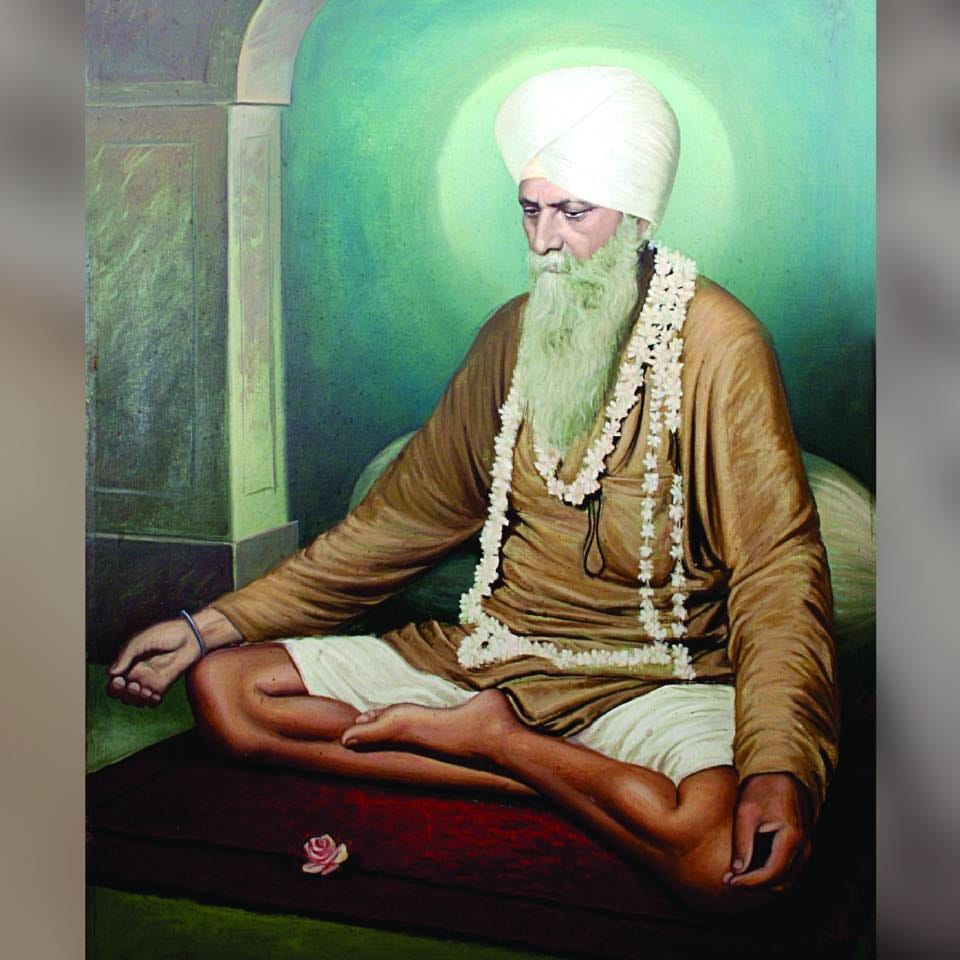
Now the theological center becomes unmistakable. What is unfolding here is not merely critique, and certainly not a shallow rejection of yogic science. Gurmat does something far deeper: it takes the whole technical world of yogic religion and gives it the only center that can finally hold—Naam.
First, Gurbani states plainly that technique by itself does not settle the soul:
ਨਿਵਲੀ ਕਰਮ ਆਸਨ ਚਉਰਾਸੀਹ ਇਨ ਮਹਿ ਸਾਂਤਿ ਨ ਆਵੈ ਜੀਉ ॥੨॥
“They practice cleansing techniques and the eighty-four Aasanas, but through these, the soul finds no peace.”
— Raag Majh, Mahalla 5, SGGS
“Chaurāsīh āsan”—the eighty-four classical postures—represent the encyclopedic ambition of haṭha-yogic discipline. Each posture is believed to regulate prāṇa, stabilize the body, and aid ascent. But the line is blunt: in these, peace (sānt) does not arise. The problem is not that āsan is unreal. True renunciation and technique is actually honoured by Guru Nanak:
ਆਸਣੁ ਤਿਆਗਿ ਕਾਹੇ ਸਚੁ ਪਾਵਹਿ ॥ … ਬਿੰਦੁ ਨ ਰਾਖਹਿ ਜਤੀ ਕਹਾਵਹਿ ॥ … ਜਤੁ ਸਤੁ ਸੰਜਮੁ ਸਚੁ ਸੁਚੀਤੁ ॥
ਨਾਨਕ ਜੋਗੀ ਤ੍ਰਿਭਵਣ ਮੀਤੁ ॥੮॥੨॥
“Abandoning the Aasana, how will you find the True Lord?... You do not control your Bindu (seed), yet you claim to be celibate… One who practices celibacy, truth, self-control and purity —
O Nanak, that Yogi is the friend of the three worlds.”
— Raag Ramkali, Mahalla 1, SGGS
The problem is that technique, multiplied endlessly, cannot generate ontological rest. Technical refinement without theological re-centering yields restlessness disguised as progress.
Then Gurmat redefines āsan instead of discarding it:
ਧਿਆਨ ਰੂਪਿ ਹੋਇ ਆਸਣੁ ਪਾਵੈ ॥
ਸਚਿ ਨਾਮਿ ਤਾੜੀ ਚਿਤੁ ਲਾਵੈ ॥੨॥
“Becoming the embodiment of Dhyana, one attains the Aasana.
He focuses his consciousness in the deep trance of the True Name.”
— Raag Ramkali, Mahalla 1, SGGS
Āsan is no longer a bodily configuration; it is absorption (dhyān) in Truth-Naam. The posture is interiorized. Stability is not spinal alignment but anchoring consciousness in the Divine Name. In this move, Guru Nanak does not discard yogic categories—he radicalizes them. The true seat is the seat of remembrance.
ਰਹਤ ਉਪਾਧਿ ਸਮਾਧਿ ਸੁਖ ਆਸਨ ਭਗਤਿ ਵਛਲੁ ਗ੍ਰਿਹਿ ਪਾਇਓ ॥੧॥
ਨਾਦ ਬਿਨੋਦ ਕੋਡ ਆਨੰਦਾ ਸਹਜੇ ਸਹਜਿ ਸਮਾਇਓ ॥
“The illusion has been dispelled; I am in Samaadhi, Sukh-aasan (cross legged). I have found the Lord, the Lover of His devotees, within the home of my own heart.
Through the joyful play of the Naad and countless delights, I am naturally absorbed in the Celestial Lord.”
— Raag Saarang, Mahalla 5, SGGS
Nāth and ascetic systems often elevate bindu-retention (control of seminal essence) and bodily austerity as signs of attainment. Gurmat pierces the exterior claim. One may abandon posture, claim celibacy, display restraint—but without truth (sach), these become hollow performances. The true yogi is the friend of the three worlds because he is anchored in Truth, not because he has mastered reproductive control. Renunciation is judged by interior illumination, not by physiological management.
The fragility of the body further relativizes technical obsession:
ਰਕਤੁ ਬਿੰਦੁ ਕਾ ਇਹੁ ਤਨੋ ਅਗਨੀ ਪਾਸਿ ਪਿਰਾਣੁ ॥
ਪਵਣੈ ਕੈ ਵਸਿ ਦੇਹੁਰੀ ਮਸਤਕਿ ਸਚੁ ਨੀਸਾਣੁ ॥੫॥
“This body is formed of blood and semen; in the end it shall be consigned to fire.
The body is under the control of the breath; upon the forehead is inscribed the True Sign.”
— Raag Siri Raag, Mahalla 1, SGGS
The body—so central to yogic science—is exposed as a fragile compound of blood and seed, sustained by breath and destined for dissolution. Breath governs it; fire consumes it. The only enduring mark upon it is Truth. This is not anti-body theology; it is anti-illusion theology. The body is not condemned, but it cannot be absolutized.
Nāths and Siddhas themselves are placed under Divine sovereignty:
ਭੈ ਵਿਚਿ ਸਿਧ ਬੁਧ ਸੁਰ ਨਾਥ ॥
“In the Fear of the Divine are the Siddhas, the Buddhas, the demi-gods and the Yogis.”
— Raag Asa, Mahalla 1, SGGS
Even perfected beings, sages, and Nath masters stand within Divine awe. Their attainment does not free them from ontological dependence. Authority collapses upward into the One.
Naam is then declared sovereign even in Nath language:
ਨਾਉ ਨਉਮੀ ਨਵੇ ਨਾਥ ਨਵ ਖੰਡਾ ॥
ਘਟਿ ਘਟਿ ਨਾਥੁ ਮਹਾ ਬਲਵੰਡਾ ॥
“The Name is the Ninth Lunar Day; it is the Master of the nine Nath yogis and the nine regions of the world;
in each and every heart dwells the mighty Lord.”
— Raag Bilaaval, Mahalla 1, SGGS
The poetic brilliance here is unmistakable. The “Nine Nāths” are a classical Nath category, yet Naam is declared greater than the Nath-system itself. The true Nath (Lord/Master) resides in every heart. The vocabulary of the sect is absorbed and transcended from within. Guru Nanak does not argue from outside the Nath world; he speaks its language and shows its horizon.
Siddh Gosṭ makes the criterion explicit:
ਜਿਸ ਕੈ ਅੰਤਰਿ ਸਾਚੁ ਵਸਾਵੈ ॥
ਜੋਗ ਜੁਗਤਿ ਕੀ ਕੀਮਤਿ ਪਾਵੈ ॥੨॥
“One who enshrines the True Lord within realizes the true value of Yoga.”
— Raag Ramkali, Mahalla 1 (Siddh Gosht), SGGS
Yoga is valuable only when Truth dwells within. Technique has worth insofar as it yields interior Truth. Without that, it is spiritual gymnastics.
The yogic idiom is retained but redirected:
ਸਿਵ ਨਗਰੀ ਮਹਿ ਆਸਣਿ ਬੈਸਉ ਕਲਪ ਤਿਆਗੀ ਬਾਦੰ ॥
ਸਿੰਙੀ ਸਬਦੁ ਸਦਾ ਧੁਨਿ ਸੋਹੈ ਅਹਿਨਿਸਿ ਪੂਰੈ ਨਾਦੰ ॥੨॥
“In the City of Shiva I sit in my Asana, renouncing disputes and desires; the horn of the Shabad resounds continually, day and night filled with the Naad.”
— Raag Ramkali, Mahalla 1 (Siddh Gosht), SGGS
The “city of Shiva” and the yogic horn (siṅgī) are not mocked; they are transfigured. The horn becomes Shabad-resonance. The ascetic seat becomes immersed in divine sound. What was once sectarian identity becomes interior devotion.
Even the ascetic “kit” is reinterpreted ethically:
ਪਤੁ ਵੀਚਾਰੁ ਗਿਆਨ ਮਤਿ ਡੰਡਾ ਵਰਤਮਾਨ ਬਿਭੂਤੰ ॥
ਹਰਿ ਕੀਰਤਿ ਰਹਰਾਸਿ ਹਮਾਰੀ ਗੁਰਮੁਖਿ ਪੰਥੁ ਅਤੀਤੰ ॥੩॥
“Reflection is my cup; wisdom my staff; living in His Presence my sacred ash. The Lord’s praise is my occupation (Rehras); the Gurmukh path is my way.”
— Raag Ramkali, Mahalla 1 (Siddh Gosht), SGGS
The staff becomes discriminating wisdom. The ash (bibhūt) becomes an ethical reflection. Rehraas becomes a daily discipline. Guru Nanak absorbs the external apparatus of yogic identity and turns it into interior virtue and communal devotion.
The culmination moves toward universal theism:
ਸਗਲੀ ਜੋਤਿ ਹਮਾਰੀ ਸੰਮਿਆ ਨਾਨਾ ਵਰਨ ਅਨੇਕੰ ॥
ਕਹੁ ਨਾਨਕ ਸੁਣਿ ਭਰਥਰਿ ਜੋਗੀ ਪਾਰਬ੍ਰਹਮ ਲਿਵ ਏਕੰ ॥੪॥੩॥੩੭॥
“Seeing the One Light in all forms and colors; says Nanak, listen O Bharthari Yogi — attune yourself only to the Supreme Lord.”
— Raag Ramkali, Mahalla 1 (Siddh Gosht), SGGS
The yogi is summoned into recognition of One Light pervading all forms. Sectarian boundaries dissolve into singular Divine orientation (liv ekam). Here the entire Nath worldview is drawn into a universal theology.
Even the highest yogic renunciation is judged by inversion toward Brahm:
ਸੋ ਬੈਰਾਗੀ ਜਿ ਉਲਟੇ ਬ੍ਰਹਮੁ ॥
ਗਗਨ ਮੰਡਲ ਮਹਿ ਰੋਪੈ ਥੰਮੁ ॥
ਅਹਿਨਿਸਿ ਅੰਤਰਿ ਰਹੈ ਧਿਆਨਿ ॥
ਤੇ ਬੈਰਾਗੀ ਸਤ ਸਮਾਨਿ ॥
ਬੋਲੈ ਭਰਥਰਿ ਸਤਿ ਸਰੂਪੁ ॥
ਪਰਮ ਤੰਤ ਮਹਿ ਰੇਖ ਨ ਰੂਪੁ ॥੬॥
“He alone is a true renunciate who turns toward the Brahman;
in the inner sky he establishes the pillar;
day and night he remains absorbed in meditation;
such a renunciate becomes one with Truth.
Says Bharthari: the Divine is the embodiment of Truth;
in the Supreme Essence there is no form or outline.”
— Raag Ramkali, Mahalla 1 (Siddh Gosht), SGGS
Inversion (ulṭa) was a technical yogic term. Guru Nanak retains it but shifts its referent: inversion toward Brahm, not toward energetic display. Renunciation becomes continuous Divine contemplation, not dramatic withdrawal.
And even the “touch” that grants supreme state is Guru-mediated:
ਗਗਨਿ ਨਿਵਾਸਿ ਸਮਾਧਿ ਲਗਾਵੈ ॥
ਪਾਰਸੁ ਪਰਸਿ ਪਰਮ ਪਦੁ ਪਾਵੈ ॥੨॥
“Dwelling in the inner sky, one enters Samaadhi;
touching the Philosopher’s Stone, one obtains the Supreme State.”
— Raag Ramkali, Mahalla 1 (Siddh Gosht), SGGS
The philosopher’s stone (pāras) metaphor signals transformation by contact. The contact is not self-generated ascent; it is grace through the Guru.
Even Kundalini—perhaps the most technical and esoteric symbol in Tantric yoga—is not discarded but communalized:
ਕੁੰਡਲਨੀ ਸੁਰਝੀ ਸਤਸੰਗਤਿ ਪਰਮਾਨੰਦ ਗੁਰੂ ਮੁਖਿ ਮਚਾ ॥
“The Kundalini rises in the Sat Sangat; through the Word of the Guru, they enjoy supreme bliss.”
— Raag Nat Narayan, Mahalla 4, SGGS
Kundalini is said to “untie” not through isolated manipulation, but in Sat-sangat and Guru-facing orientation. The most guarded secret of yogic ascent becomes relational bliss.
What, then, has Guru Nanak done?
He has not destroyed yogic science. He has absorbed it as a preparatory language. All of its categories—āsan, bindu, nād, dasam duār, inversion, samādhi, kundalini—are acknowledged as real developments within humanity’s technical pursuit of transcendence. But they are recentered as provisional. They are developments toward Naam, not alternatives to it.
In this light, Tantra and Nāth yoga appear not as rival soteriologies but as sophisticated attempts to engineer what Gurmat declares can only be received: union with the Divine through Naam. Their science becomes anthropology; their effort becomes longing; their technique becomes metaphor.
Guru Nanak’s intervention is therefore not iconoclastic but redemptive. He gathers the scattered technologies of interior ascent and breathes into them a living center. Technique ceases to be sovereign and becomes servant. Ascetic identity dissolves into universal theism. Secret mantra becomes shared Shabad. Esoteric initiation becomes relational grace.
What the yogic traditions sought through refinement of power, Guru Nanak reveals as fulfillment in Naam.
And thus the result is not rejection of science but its resurrection. Technical spirituality, stripped of egoic self-sufficiency and placed under devotion, finally lives.
Across the long arc of Indian religiosity, Tantra and the Nāths represent the most refined articulation of interior technique. In them, the body becomes cosmos; breath becomes ladder; nād becomes vehicle; the subtle channels become rivers; the tenth gate becomes transcendence. What earlier Vedic ritual once sought through sacrificial fire, these systems sought through interior ascent. They represent the maturation of an immense religious impulse: salvation as disciplined inward mastery.
Yet the Sikh canon reveals that this impulse, though profound, remains incomplete if left to its own logic. For all its sophistication, yogic science risks enthroning technique. It risks implying that liberation is engineered rather than received, activated rather than granted, climbed rather than bestowed.
Gurmat does not reject the inward turn. It completes it.
It neither abandons interiority nor idolizes it. It does not deny nāḍīs, nād, bindu, inversion, dasam duār, kundalini, or samādhi. On the contrary, it preserves these as meaningful descriptive registers of the inner life. But it decisively refuses to grant them salvific autonomy. Their metaphors remain; their sovereignty does not.
This is the redeemer move.
Redemption, in this context, does not mean destruction. It means purification and fulfillment. The prior traditions are not treated as errors to be erased but as developments awaiting theological completion. Their sciences are not dismissed; they are subordinated. Their aspirations are not mocked; they are re-centered. Their techniques are not abolished; they are dissolved into a deeper principle.
That principle is Naam.
Where Tantra refined the mantra, Gurmat reveals Naam as the living Divine Presence beyond mechanical repetition.
Where Nāth yoga pursued breath-ascent, Gurmat reveals sehaj as the stable union not forced by prāṇa but granted in grace.
Where esoteric initiation guarded access, Gurmat universalizes access through Guru-Shabad.
Where ascetic insignia marked separation, Gurmat interiorizes the signs into humility, forgiveness, and remembrance.
The subtle body becomes a temple.
The inner sound becomes Shabad.
The tenth gate opens by gift.
Kundalini unites in Sangat.
Technique bows to devotion.
Thus the final theological judgment stands as the hinge between historical analysis and your grand synthesis:
Read through Bhagat Beni and Siddh Gosṭ, the Sikh canon presents a sophisticated theological judgment on Tantra and Nāth yoga. The subtle body, Naad currents, inversion motifs, seed-language, inner sky imagery, the tenth gate, and ascetic symbolism are preserved as valid descriptive registers of interiority. But the canon denies their autonomy as salvific mechanisms.
Gurmat completes the interior turn by relocating its center from technique to Naam, from energetic mastery to sehaj, and from esoteric initiation to Guru-grace and communal discipline. In this theological re-centering, Tantra’s interiorization is not discarded—it is subordinated, purified, and universalized.
The culmination is therefore not a perfected yogic technology, but a transfigured soteriology: the sovereignty of Naam and the primacy of the Shabad.
And in this sense, Guru Nanak stands not as a rival to the yogic world, nor merely as its critic, but as its redeemer. He gathers the highest achievements of interior science and reveals their final meaning. What the yogis sought through ascent, he locates in remembrance. What they attempted through mastery, he grants through grace.
The science is not destroyed. It is baptized into Naam.
Briggs, G. W. Gorakhnath and the Kanphata Yogis. Calcutta: YMCA Publishing House, 1938.
Feuerstein, Georg. The Yoga Tradition: Its History, Literature, Philosophy and Practice. Prescott, AZ: Hohm Press, 1998.
Flood, Gavin. The Tantric Body: The Secret Tradition of Hindu Religion. London: I.B. Tauris, 2006.
Foucault, Michel. Technologies of the Self: A Seminar with Michel Foucault. Edited by Luther H. Martin, Huck Gutman, and Patrick H. Hutton. Amherst: University of Massachusetts Press, 1988.
Gupta, Ravi M., and Kenneth R. Valpey, eds. The Bhāgavata Purāṇa: Sacred Text and Living Tradition. New York: Columbia University Press, 2013.
Guru Granth Sahib. Amritsar: Shiromani Gurdwara Parbandhak Committee.
Hardy, Friedhelm. Viraha-Bhakti: The Early History of Kṛṣṇa Devotion in South India. Oxford: Oxford University Press, 1983.
Hess, Linda. The Bijak of Kabir. Oxford: Oxford University Press, 2002.
Lorenzen, David. Kabir Legends and Ananta-Das’s Kabir Parachai. Albany: SUNY Press, 1991.
Mallinson, James. The Khecarīvidyā of Ādinātha: A Critical Edition and Annotated Translation. London: Routledge, 2007.
Mallinson, James, and Mark Singleton. Roots of Yoga. London: Penguin Classics, 2017.
Mandair, Arvind-Pal Singh. Sikhism: A Guide for the Perplexed. London: Bloomsbury, 2013.
McLeod, W. H. Guru Nanak and the Sikh Religion. Oxford: Clarendon Press, 1968.
Oberoi, Harjot. The Construction of Religious Boundaries: Culture, Identity, and Diversity in the Sikh Tradition. Chicago: University of Chicago Press, 1994.
Padoux, André. Vac: The Concept of the Word in Selected Hindu Tantras. Albany: SUNY Press, 1990.
Samuel, Geoffrey. The Origins of Yoga and Tantra: Indic Religions to the Thirteenth Century. Cambridge: Cambridge University Press, 2008.
Sanderson, Alexis. “Śaivism and the Tantric Traditions.” In The World’s Religions, edited by Stewart Sutherland et al., 660–704. London: Routledge, 1988.
Sanderson, Alexis. “The Śaiva Age: The Rise and Dominance of Śaivism during the Early Medieval Period.” In Genesis and Development of Tantrism, 41–349. Tokyo: Institute of Oriental Culture, University of Tokyo, 2009.
Schomer, Karine, and W. H. McLeod, eds. The Sants: Studies in a Devotional Tradition of India. Delhi: Motilal Banarsidass, 1987.
Shackle, Christopher, and Arvind-Pal Singh Mandair, eds. Teachings of the Sikh Gurus: Selections from the Sikh Scriptures. London: Routledge, 2005.
Singleton, Mark. Yoga Body: The Origins of Modern Posture Practice. Oxford: Oxford University Press, 2010.
Singh, Nikky-Guninder Kaur. The Birth of the Khalsa: A Feminist Re-Memory of Sikh Identity. Albany: SUNY Press, 2005.
Singh, Pashaura. The Guru Granth Sahib: Canon, Meaning and Authority. Oxford: Oxford University Press, 2000.
Vaudeville, Charlotte. Kabir. Oxford: Oxford University Press, 1974.
White, David Gordon. The Alchemical Body: Siddha Traditions in Medieval India. Chicago: University of Chicago Press, 1996.
White, David Gordon. Kiss of the Yoginī: “Tantric Sex” in Its South Asian Contexts. Chicago: University of Chicago Press, 2003.
White, David Gordon, ed. Yoga in Practice. Princeton: Princeton University Press, 2012.
Comments
Nothing yet. Say the first thing.
Sign in to join the conversation.