
In the previous article, we explored how the earliest Vedic seers first discerned the pulse of cosmic truth—ṛta, the One behind the many, the moral and spiritual order holding the world together. That first illumination set in motion a lineage of seekers who, across generations, refined and reinterpreted the nature of reality. In this second part of Nanak the Redeemer, we continue that trajectory by examining the great heterodox, Śramaṇa movements—Buddhism and Jainism—whose powerful critiques of ritualism, formalism, and priestly authority helped clear the ground for a fuller revelation. Their insights were essential stages in humanity’s unfolding search for Truth, yet it is ultimately Guru Nanak who receives and perfects this long inheritance, liberating it from both ritualism and renunciation and revealing its essence with unprecedented universality. In him, the long and scattered quest of centuries finds not only its culmination but its rightful guide—the true Guru who reconciles what came before and reveals what lay beyond their grasp.
The Buddhist and Jain traditions emerged contemporaneously with the later Vedic age, offering radical critiques of Vedic orthodoxy. Rejecting caste, sacrificial ritual, and priestly authority, these movements emphasized non-violence, meditation, self-discipline, and inner purity as the true paths to liberation. Crucially, they introduced a new spiritual psychology: the extinguishing of desire, craving, and attachment as the very condition of liberation. The Buddha articulates this foundational insight with clarity:
“From craving arises sorrow;
from craving arises fear.
For one freed from craving,
there is no sorrow — how can there be fear?”
Dhammapada 216
Similarly, Jain teachings proclaimed that withdrawal from desire is the first step toward liberation:
“As a tortoise draws in its limbs,
so does the sage draw in desires.”
Uttarādhyayana Sūtra 2.15
This ideal of renunciation—rooted in Śramaṇa discipline rather than Vedic householdership—became one of the most influential ethical and meditative developments in South Asian thought. Their reforming influence was immense: they broke the monopoly of the Brahmins and affirmed the universal right to spiritual realization. The Buddha and Mahāvīra shifted the focus of religion from ritual to ethics, from sacrifice to self-control, and from external purity to inner discipline. In this way, they helped reawaken humanity’s moral conscience and compassion.
These movements arose in a period when Vedic culture had become encumbered with formalism and theocracy. Ritual sacrifice, caste privilege, and priestly mediation had overshadowed the original spiritual fire of the Vedas.
“Not by matted hair nor by lineage
does one become a Brahmin.
He who has truth and righteousness—
he is the true Brahmin.”
Dhammapada 393
Against this backdrop, the Śramaṇa movements staged a profound ethical and intellectual revolt. Rejecting ritual authority, they emphasized non-violence, meditation, self-discipline, and inner purity as the true paths to liberation. Their hallmark contribution was the doctrine that liberation requires the renunciation of desires and attachments—whether through the Buddhist path of extinguishing craving or the Jain path of radical non-possession.
The Buddha and Mahāvīra shifted religion’s center of gravity from external conformity to inner moral transformation. Their influence was immense: they broke the monopoly of the Brahmins and proclaimed that any human being, regardless of birth, could strive for liberation.
The Śramaṇas rejected the authority of the Vedas; Guru Nanak does the same, though for deeper and more universal reasons. He does not dismiss the Vedas’ spiritual insights; rather, he rejects the idea that any scripture—Vedic or Abrahamic—can claim a monopoly over liberation or define the Infinite.
Guru Nanak states plainly:
ਬੇਦ ਕਤੇਬੀ ਭੇਦੁ ਨ ਜਾਤਾ ॥
ਨਾ ਤਿਸੁ ਮਾਤ ਪਿਤਾ ਸੁਤ ਭ੍ਰਾਤਾ ॥
The Vedas and the Semitic scriptures do not know the mystery.
He has no mother, father, son, or brother.
Raag Maru, Mahalla 1, SGGS
Here the Guru stands shoulder to shoulder with the Śramaṇa critique, asserting that sacred books—however ancient or revered—cannot themselves disclose the Divine mystery.
ਬੇਦ ਪੁਰਾਨ ਸਿੰਮ੍ਰਿਤਿ ਸਭ ਖੋਜੇ ਕਹੂ ਨ ਊਬਰਨਾ ॥
I have searched all the Vedas, Puranas and Smritis, but none of these can save anyone.
Raag Asa, Kabir, SGGS
The problem is not the Vedas themselves but the illusion that scriptural learning equals spiritual attainment.
He writes:
ਵੇਦ ਕਹਹਿ ਵਖਿਆਣ ਅੰਤੁ ਨ ਪਾਵਣਾ ॥
ਪੜਿਐ ਨਾਹੀ ਭੇਦੁ ਬੁਝਿਐ ਪਾਵਣਾ ॥
The Vedas speak and expound, but they do not know his limits. Not by studying, but through understanding, is the mystery revealed.
Raag Majh, Mahalla 1, SGGS
How the Vedas were used was incorrect—as instruments of authority, caste, and ritual identity rather than pathways to living union with the One.
For Guru Nanak, ritualism and intellectualism—whether Vedic or Śramaṇa—both fail without awe and devotion.
Thus, where the Śramaṇas rejected the Vedas as inadequate, Guru Nanak reveals why they fall short:
because scripture cannot substitute for devotion,
and ritual cannot replace remembrance.
This is Guru Nanak’s decisive conclusion:
The Infinite cannot be contained in texts, rituals, doctrines, or philosophies—whether Vedic or Śramaṇa.
Thus, just as Buddhism and Jainism broke the authority of the Brahmin, Guru Nanak broke the greater illusion that any scripture, even the Vedas, can claim final authority over liberation.
Instead, he restored the locus of spiritual realization to the living connection between the soul and the Divine.
Yet despite their ethical brilliance, the Śramaṇas diverged from a necessary, central Vedic intuition: that behind morality and meditation stands a singular, conscious, compassionate Creator. Even when they denied the Creator explicitly, they implicitly relied on the moral order (Dharma, Ahimsa, Shunyata, etc.) that flows from the same Source. Their ethical clarity prepared the human heart, but could not reveal its ultimate Beloved.
ਕਰਮੀ ਆਵੈ ਕਪੜਾ ਨਦਰੀ ਮੋਖੁ ਦੁਆਰੁ ॥
By the good karma of past, this clothing (physical body) is obtained. By his Nadar, the door to liberation is found.
Japji Sahib, SGGS
Many Buddhist and Jain schools denied or ignored this Divine Source, placing the entire burden of salvation upon human discipline. The Śramaṇas broke Vedic ritualism—and that was necessary. But by rejecting the Creator Himself, they severed ethics from its living Source.
ਹੁਕਮੀ ਸਭੇ ਊਪਜਹਿ ਹੁਕਮੀ ਕਾਰ ਕਮਾਹਿ ॥
By his command, all are created. By his command, karma is earned.
Raag Siri, Mahalla 1, SGGS
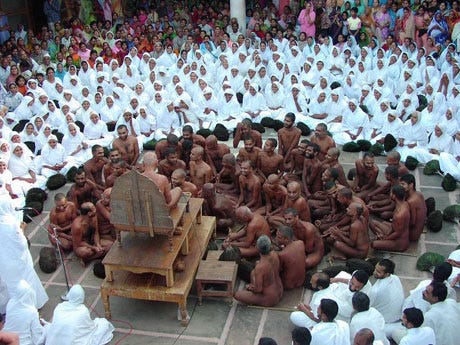
Both Buddhism and Jainism placed extraordinary value on renunciation. Jain ascetics, in particular, took austerity to extremes—nudity, severe fasting, refusing water, and radical non-violence. Their shared doctrine that desire and attachment are the root of suffering made renunciation the supreme spiritual ideal—a worldview inherited across centuries from the Śramaṇa ethos. But for Guru Nanak, such outward austerities do not lead to liberation. They may break attachment to the world, but they do not reveal the One who permeates the world. True renunciation is inward—detachment cultivated within worldly life:
ਗੁਰ ਬਚਨੀ ਬਾਹਰਿ ਘਰਿ ਏਕੋ ਨਾਨਕੁ ਭਇਆ ਉਦਾਸੀ ॥
According to the Word of the Guru, what is outside is the same as what is inside the home. Thus, Nanak has become a detached renunciate.
Raag Maru, Mahalla 1, SGGS
The Śramaṇas often conceived liberation as escape from the world—the extinguishing of desire and cessation of rebirth. Guru Nanak, by contrast, sees the world as Kudrat, the Divine’s creative play:
ਆਪੇ ਕੁਦਰਤਿ ਸਾਜਿ ਕੈ ਆਪੇ ਕਰੇ ਬੀਚਾਰੁ ॥
He Himself created and adorned the Universe, and He Himself contemplates it.
Raag Majh, Mahalla 1, SGGS
The goal is not to flee creation but to perceive the Creator in creation.
Despite the Śramaṇa insight that desire binds the soul, Guru Nanak transforms the entire framework by redefining what desire itself points toward. For Buddhism and Jainism, the solution lay in extinguishing craving altogether—Nirvāṇa as “blowing out” the flame of longing. But for Gurmat, the problem is not desire as such, but its misdirection. The human heart was designed to yearn, to love, to seek union; the tragedy is that this longing attaches itself to impermanent things. Guru Nanak does not extinguish desire—he redeems it. He redirects the fire of craving toward the One, converting worldly attachment into Naam-Rasa, the sweet savor of Divine remembrance. Where the Śramaṇas silence desire, Guru Nanak awakens a higher longing, one that dissolves ego not by suppression, but by overflowing love:
ਰਸਨਾ ਹਰਿ ਰਸੁ ਚਾਖਿਆ ਸਹਜਿ ਸੁਭਾਇ ॥ ਗੁਰ ਕਿਰਪਾ ਤੇ ਸਚਿ ਸਮਾਇ ॥
One whose tongue naturally and patiently tastes the Lord’s essence, by the Guru’s grace, is absorbed into the Truth.
Raag Gauri, Mahalla 3, SGGS
Thus Gurmat does not end with emptiness but with fullness—an inner flowering of desire transfigured into devotion.
“The extinction of craving—
that is Nirvana.”
Samyutta Nikāya
Buddhism’s highest ideal, Nirvana, represents the extinction of craving and ego. For the Guru, Nirvana is not a void but the state of union with the Divine, where the self is absorbed in Naam:
ਜਿਨਿ ਤੂੰ ਜਾਤਾ ਸੋ ਗਿਰਸਤ ਉਦਾਸੀ ਪਰਵਾਣੁ ॥
ਨਾਮਿ ਰਤਾ ਸੋਈ ਨਿਰਬਾਣੁ ॥
One who recognizes You is accepted whether a householder or a renunciate. Imbued with the Naam, either way he dwells in Nirvana.
Raag Asa, Mahalla 5, SGGS
Here, Nirvana is not escape but fulfillment—the soul’s flowering in the light of the One.
Guru Nanak describes attainment of Nirvana not through withdrawal but through Divine-centered living and working:
ਮਨੁ ਕਿਰਸਾਣੁ ਹਰਿ ਰਿਦੈ ਜੰਮਾਇ ਲੈ ਇਉ ਪਾਵਸਿ ਪਦੁ ਨਿਰਬਾਣੀ ॥
Let your mind be the farmer; the Lord shall sprout in your heart, and you shall attain the state of Nirvana.
Raag Siri, Mahalla 1, SGGS
The Gurmukh lives in the state that Buddhists and Jains sought, but without abandoning the world. For such a soul, the entire creation becomes an ornament of the Divine.
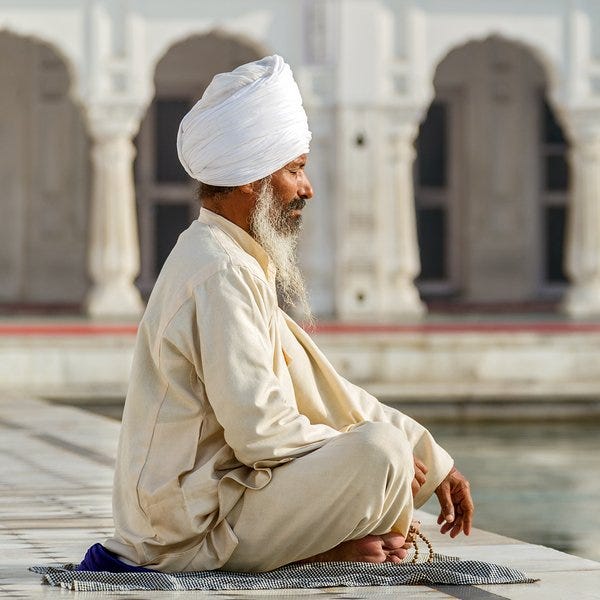
Guru Nanak therefore preserves the Śramaṇa achievement while transcending its metaphysics. He affirms their discipline—simplicity, self-restraint, mindfulness, inner vigilance—but rejects the ontological conclusion that the highest reality is emptiness, cessation, or the annihilation of being. For the Gurus, the dissolution of ego is not the end of consciousness but its true beginning. The self does not vanish into a void; it awakens into the radiant Presence of Ik Oankar. Nirvana becomes not a negation but a union—ego extinguished, yet the soul alive in the Infinite. In this way, Guru Nanak honors the śramaṇa path while restoring the missing center: a personal, loving, all-pervading Creator who is both the ground and the goal of spiritual life. The śramaṇas purified the vessel; Guru Nanak filled it with the nectar of Naam.
“The annihilation of all karmas is liberation.”
Tattvārtha Sūtra 10.2
Both Śramaṇa traditions redefined karma as moral intention rather than ritual action—an enormous advance in thought. Yet for them, karma remained the central mechanism of liberation. Guru Nanak elevates the insight. Human effort, though essential, cannot by itself lift the soul. Liberation is ultimately the fruit of Nadar, Divine Grace:
ਜਿਨ ਕਉ ਨਦਰਿ ਕਰਮੁ ਤਿਨ ਕਾਰ ॥ ਨਾਨਕ ਨਦਰੀ ਨਦਰਿ ਨਿਹਾਲ ॥
Such is the karma of those upon whom He has cast His Glance of Nadar. O Nanak, the Lord, by His Grace, exalts them.
Japji Sahib, SGGS
Thus the central Śramaṇa premise—self-effort alone—is reabsorbed into a higher truth.
Buddhism and Jainism revolutionized ethical thought by proclaiming the equality of all beings. For Guru Nanak, this equality is not merely ethical but ontological, therefore everything in the universe was seen as instruments of compassion, contentment, and discipline. Jain non-violence and Buddhist compassion are honored, yet balanced in this same way: Compassion must be woven with truth, self-discipline, and contentment—a more holistic spiritual fabric than any single tradition had previously articulated.
ਦਇਆ ਕਪਾਹ ਸੰਤੋਖੁ ਸੂਤੁ ਜਤੁ ਗੰਢੀ ਸਤੁ ਵਟੁ ॥
Let compassion be the cotton, contentment the thread, chastity the knot, and truth the twist.
Raag Asa, Mahalla 1, SGGS
In the end, the Śramaṇa movements were necessary awakenings—ethical purifications that restored seriousness to spiritual life. But by placing liberation solely in human discipline or philosophical insight, they separated morality from its divine root. Guru Nanak reconnects these strands, revealing the Naam as the living bridge between Creator and creation. What others intuited, groped toward, or partially expressed, he illuminates with the clarity of one who has seen the Truth directly. He does not reject their efforts; he redeems them—lifting their partial visions into a complete and grace-filled path. In Guru Nanak, the restless search of earlier ages finds the guiding presence it lacked, the Satguru who unites the seeker with the One rather than leaving them suspended between discipline and doubt.
What the Vedas intuited, the Upanishads philosophized, and the Śramaṇas purified, Guru Nanak realized and revealed in perfect completeness—the Truth made universal, practical, and filled with grace. His appearance marks not just another stage in the world’s spiritual journey, but its turning point: the moment when the scattered insights of centuries converge into a single, luminous revelation.
This prepares the ground for the next phasein this unfolding lineage: the Bhagavad Gita, where the ancient Vedic voice speaks anew through Krishna, weaving together devotion, knowledge, and action—threads that Guru Nanak will ultimately refine, uplift, and fulfill in the fullness of his revelation.
Ācāranga Sūtra. Translated by Hermann Jacobi. Jaina Sutras, Part II. Sacred Books of the East, Vol. 22. Oxford: Clarendon Press, 1884.
Asa di Vār and other compositions of the Sri Guru Granth Sahib. Amritsar: Shiromani Gurdwara Parbandhak Committee (SGPC).
Bodhi, Bhikkhu, trans. The Connected Discourses of the Buddha: A New Translation of the Saṃyutta Nikāya. Boston: Wisdom Publications, 2000.
Buddharakkhita, Acharya, trans. The Dhammapada: The Buddha’s Path of Wisdom. Kandy: Buddhist Publication Society, 1985.
Doniger, Wendy. The Rig Veda: An Anthology. New York: Penguin Classics, 1981.
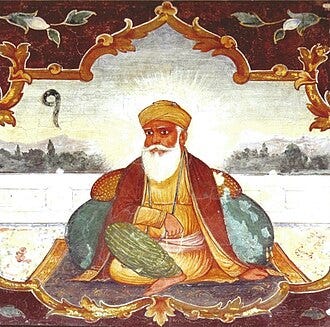
Fresco of Guru Nanak Dev Ji. Wikimedia Commons.
https://commons.wikimedia.org/wiki/File:Guru_Nanak_with_disciple.jpg
(CC BY-SA 4.0)
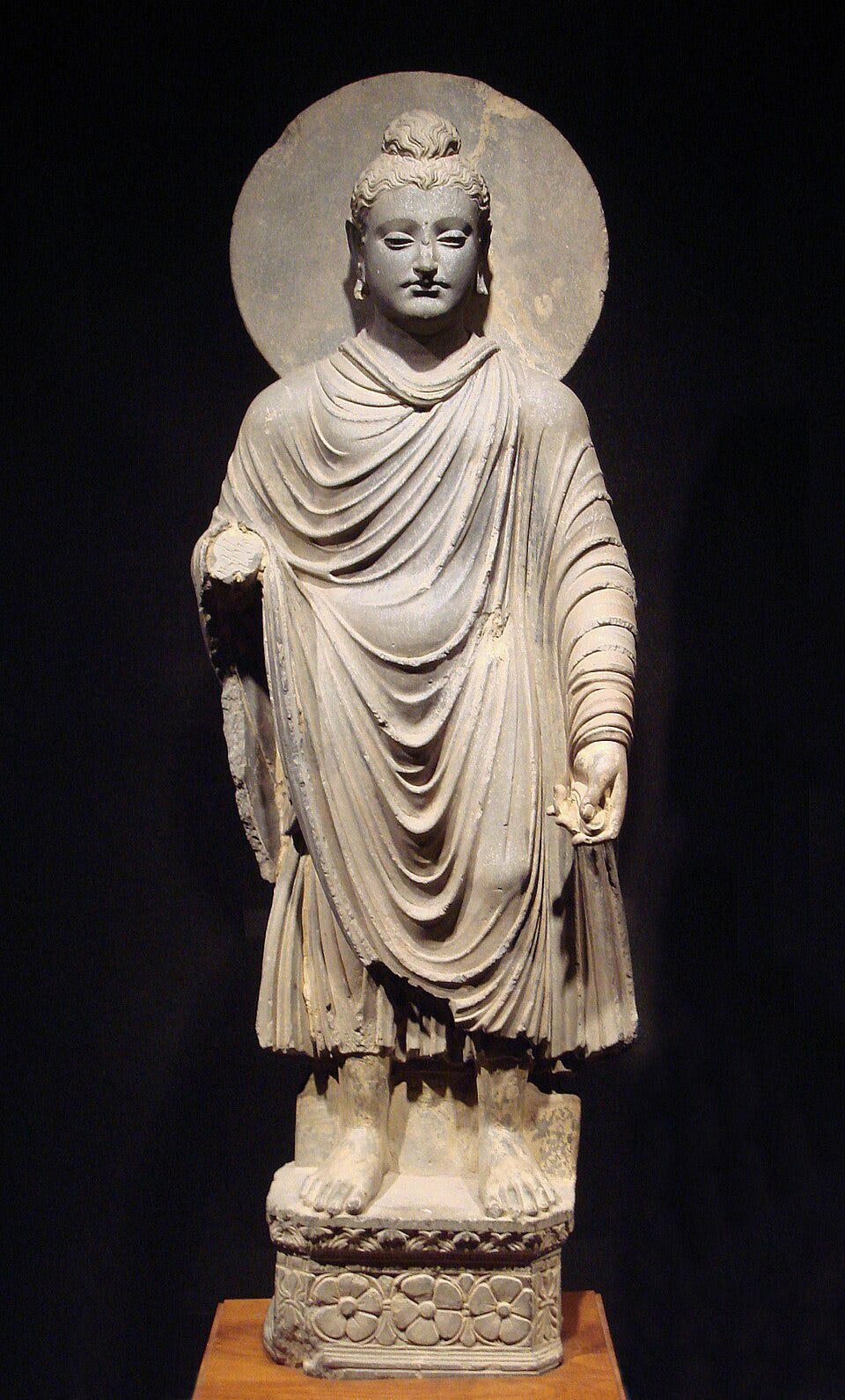
Gandhara Standing Buddha (1st–2nd century CE). Tokyo National Museum. Wikimedia Commons.
https://commons.wikimedia.org/wiki/File:Gandhara_Buddha_(TNM).jpg
Gonda, Jan. “Ancient Indian Ṛta and Satya.” Indologica Taurinensia 5 (1977): 101–120.
Jacobi, Hermann, trans. Jaina Sutras, Part I: The Uttarādhyayana Sūtra. Sacred Books of the East, Vol. 45. Oxford: Clarendon Press, 1895.
JainWorld Photo Archive. “Digambara and Svetambara Monks.” https://www.jainworld.com/
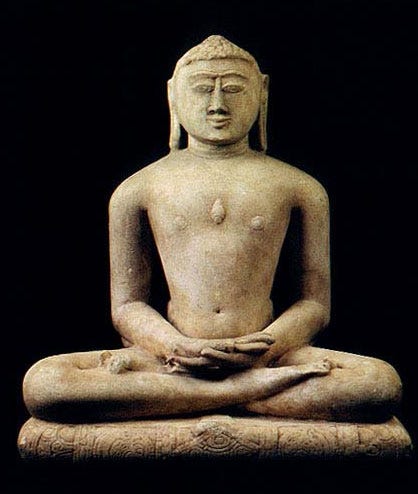
Mahavira Statue (10th century CE). Mathura region. Wikimedia Commons.
https://commons.wikimedia.org/wiki/File:Mahavira_Statue.jpg
Mandair, Arvind-Pal Singh. Religion and the Specter of the West: Sikhism, India, Postcoloniality, and the Politics of Translation. New York: Columbia University Press, 2009.
Oberoi, Harjot. The Construction of Religious Boundaries: Culture, Identity, and Diversity in the Sikh Tradition. Chicago: University of Chicago Press, 1994.
Rig Veda. Translations and analyses widely used, including those by Ralph T.H. Griffith and Wendy Doniger.
Samyutta Nikāya. In The Connected Discourses of the Buddha, translated by Bhikkhu Bodhi. Boston: Wisdom Publications, 2000.
Sri Guru Granth Sahib. Amritsar: Shiromani Gurdwara Parbandhak Committee.
Sikh Man Meditating (Amritsar). Wikimedia Commons.
https://commons.wikimedia.org/wiki/File:Sikh_man_meditating.jpg
(CC BY-SA 4.0)
Tatia, Nathmal, trans. Tattvārtha Sūtra: That Which Is. San Francisco: HarperCollins, 1994.
Upanishads. Various standard academic translations (e.g., Patrick Olivelle; S. Radhakrishnan)
Wynne, Alexander. The Origin of Buddhist Meditation. London: Routledge, 2007.
Comments
Nothing yet. Say the first thing.
Sign in to join the conversation.