
The spiritual history of humanity is marked by a continuous and astonishing unfolding of divine insight—transmission, reinterpretation, and synthesis extending across millennia. From the earliest hymns of contemplation, through the mystical reflections of the Upanishadic seers, the disciplined paths outlined in the Gita and the heterodox traditions, the ascetic refinements of yogic lineages, the metaphysical clarity of the sages, the devotional flowering of Bhakti movements, and the mystical fervor of Sufis across civilizations—humanity has long been engaged in a single search for the One Reality.
This long journey was never a sequence of disconnected revelations. Rather, it formed a single, luminous thread of Truth weaving through history. From the primordial syllable Om to the perfected declaration Ik Onkar, from Brahman and Atman to Naam and Shabad, from the ancient Guru–śiṣya lineages to the revelation of the Satguru—the primordial insights that shaped the world’s earliest spiritual consciousness reached their full clarity and radiance in Guru Nanak. His advent does not mark a break from the earlier streams of wisdom but their culmination, purification, and universalization.
This series, Nanak the Redeemer, will trace this transmission of Truth across nine parts over the coming weeks, following both streams of inheritance:
— the mythic lineage in which Dharam descends through beings like Dhruva, Prahlada, and Raja Janaka, flowing into the Bhagats such as Kabir, Farid, Namdev, and culminating in Guru Nanak;
— and the historical lineage beginning with the Vedic Rishis, moving through the Upanishadic sages, the yogic ascetics, the Bhakti saints, and the Sufi mystics—each receiving a fragment of the Eternal Light.
Through these converging lines of revelation, the series will demonstrate that Guru Nanak is not merely one teacher among many, but the Satguru—the Perfect Guru—sent in the age of Kalyuga to redeem a world sinking into spiritual darkness. As the chapters unfold, the reader will see that Guru Nanak’s life and Bani do not stand apart from the ancient spiritual heritage of humanity; they complete it. And by the end, the hope is that the reader will not simply admire this truth from a distance, but recognize, with conviction, that Guru Nanak’s appearance was the divinely ordained fulfilment of the eternal Dharma—and that his message remains the world’s greatest path to liberation today.
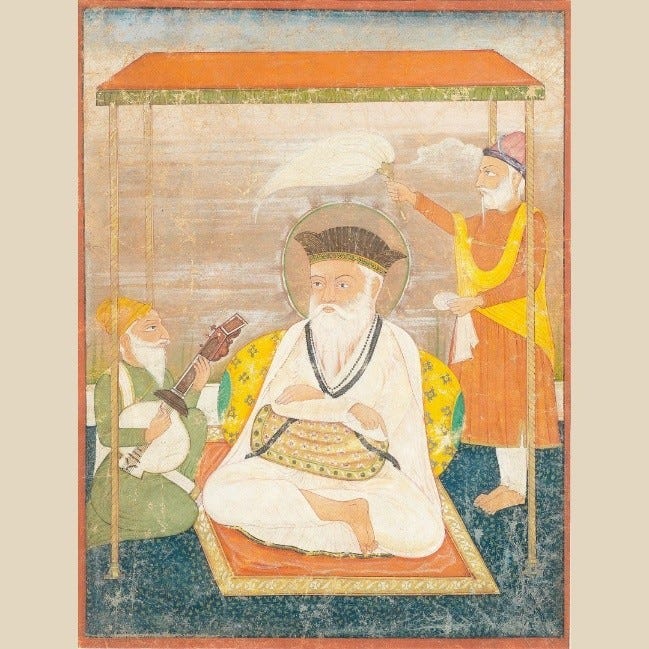
ਵੇਦਾ ਮੇਹਿ ਨਾਮੁ ਉਤਮੁ ਸੋ ਸੁਣਹਿ ਨਾਹੀ ਫਿਰਹਿ ਜਿਉ ਬੇਤਾਲਿਆ ॥੧੯॥
“In the Vedas, Naam is declared the highest, yet they do not hear it and wander like those out of rhythm.”
— Anand Sahib, Pauri 19
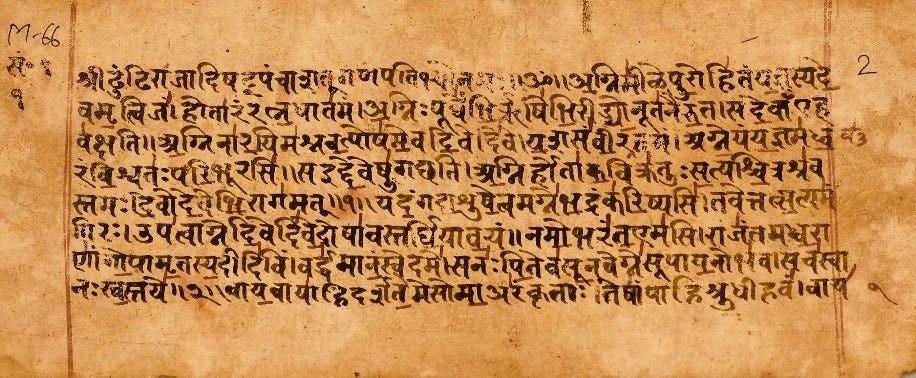
The Vedic age (c. 1500–500 BCE) marked the first dawn of humanity’s spiritual search. The hymns of the Rigveda arose from an awakened intuition of the Divine pervading all existence. The sages, gazing upon the vastness of creation, discerned an unseen order—ṛta—which sustained the heavens and governed life. Through sacred fire and Mantra they sought to align themselves with this divine harmony. Deities such as Indra, Agni, and Varuna symbolized the many powers of the One Reality, each a facet of the same infinite Truth. The Rigveda, Samaveda, Yajurveda, and Atharvaveda thus formed the foundation of Dharma, offering the first human attempt to articulate the cosmic and moral law that binds all beings.
What these seekers intuited in fragmented flashes, Gurmat later perfects: the oneness of existence, the presence of the Divine in all beings, the primacy of moral and cosmic order, and the yearning of the soul for union with the Supreme.
Guru Nanak did not reject these revelations; he completed their arc. He illuminated the ancient insights anew through the light of Naam and Hukam, stripping away the later crust of ritualism, caste, and exclusivity. The Vedas and Upanishads stand in this lineage as early witnesses to the same Eternal Truth that shines fully in the Guru Granth Sahib.
“Ekam sat viprā bahudhā vadanti.”
(Truth is One; the wise call it by many names.)
— Rigveda 1.164.46
It is precisely in this continuity that Guru Nanak must be introduced—not as a founder of an isolated faith, but as the Satguru who received, embodied, and completed the ancient intuition of the Vedic rishis. What they glimpsed as cosmic law, he revealed as Ik Onkar: One Divine Reality, simultaneously transcendent and immanent, knowable through grace, embodied through the Guru, and realized through Naam. The Upanishads searched inward for Atman; Guru Nanak unveiled the Shabad through which the Atman recognizes its Source. Thus, the foundations of Gurmat—Oneness, Naam, Atma, Shabad—are not innovations, but the matured flowering of the same ancient spiritual seed.
The Upanishadic insight deepens this lineage:
“Īśāvāsyam idam sarvam yat kiñca jagatyām jagat.”
(All this—whatever moves in the universe—is pervaded by the Lord.)
— Isha Upanishad 1ਘਟਿ ਘਟਿ ਪੂਰਿ ਰਹਿਆ ਪ੍ਰਭੁ ਏਕੋ ਗੁਰਮੁਖਿ ਪਰਗਟੁ ਹਰਿ ਹਰਿ ਨਾਮੁ ॥੧॥ ਰਹਾਉ ॥
“The One God is pervading and permeating each and every heart; the Name of the Lord, Hari, Hari, is revealed to the Gurmukh.”
— Raag Prabhati, Mahalla 3, SGGS
One declares the cosmos filled with the Divine Presence; the other reveals the means through which this presence becomes experiential—Naam, the vibration of the Eternal Word. What the early sages perceived as an all-pervasive consciousness, Guru Nanak transformed into a path of intimate relationship with the One.
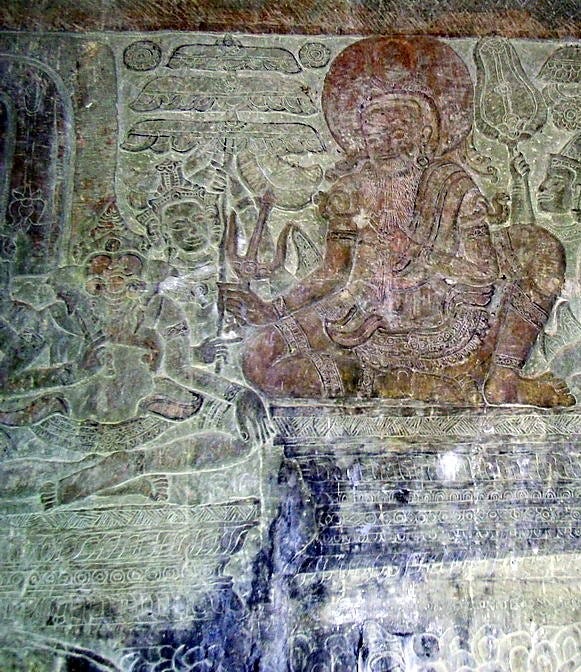
The Yajurveda spoke of duty and sacrifice; the Samaveda of devotion and melody; the Atharvaveda of healing and peace. Each represented one limb of the growing body of Dharma. But their light was still diffused, their vision scattered among ritual and symbol. With the passage of ages, truth became veiled beneath form. The priests guarded knowledge in sacred language, and worship became performance rather than presence. The spirit that once soared to the Infinite was confined within caste and ceremony.
Then arose Guru Nanak—the Satguru, the Perfect Teacher—who gathered the scattered rays of the ancient revelation into one blazing sun of Truth. What the sages beheld in flashes, he embodied in fullness.
He began with the same primal assertion that the Vedas once whispered:
ੴ ਸਤਿ ਨਾਮੁ ਕਰਤਾ ਪੁਰਖੁ ਨਿਰਭਉ ਨਿਰਵੈਰੁ ਅਕਾਲ ਮੂਰਤਿ ਅਜੂਨੀ ਸੈਭੰ ਗੁਰ ਪ੍ਰਸਾਦਿ ॥
“Ik Onkar - Satnaam.
The Creator, without fear, without enmity, timeless in form, unborn, self-existent, realized by the Guru’s Grace.”
— Mul Mantra, SGGS
Here the formless Brahman of the Upanishads becomes the living Ik Onkar—One without second, yet intimately knowable through the Guru’s grace. The sacrifice of the Vedas becomes the Naam Simran of the heart; the ritual fire becomes the inner flame of devotion. The cosmic order (ṛta) becomes Hukam—Divine Will—to which the awakened soul joyfully surrenders.
Guru Nanak accepted and sanctified this realization, teaching that the same Light shines in every being, and that the highest wisdom is not merely to know this intellectually, but to see it through Divine grace. The Upanishads had declared the oneness of Atman and Brahman; Guru Nanak transformed this realization into the universal ethic of compassion and equality:
“Ajyesthāso akanyāso ete samānam eṣām janmanī.”
(No one is superior or inferior; all are equal in birth.)
— Rigveda 5.60.5ਬ੍ਰਹਮ ਗਿਆਨੀ ਕੈ ਦ੍ਰਿਸਟਿ ਸਮਾਨਿ ॥
ਜੈਸੇ ਰਾਜ ਰੰਕ ਕਉ ਲਾਗੈ ਤੁਲਿ ਪਵਾਨ ॥
“The Brahmgyani being looks upon all alike, like the wind, which blows equally upon the king and the poor beggar.”
— Raag Gauri, Mahalla 5, SGGS
The Vedas declared that all beings are born from the Word:
“Vak mayā jātaḥ sarvāṇi bhūtāni.”
(From the Word, all beings are born.)
— Rigveda 10.125.8
Gurmat revealed that this Word is not mere speech but the eternal Shabad, vibrating through creation:
ਏਕੋ ਸਬਦੁ ਏਕੋ ਪ੍ਰਭੁ ਵਰਤੈ ਸਭ ਏਕਸੁ ਤੇ ਉਤਪਤਿ ਚਲੈ ॥
“The One Shabad, the Word of the One God, prevails everywhere; all creation flows from the One.”
— Raag Prabhati, Mahalla 3, Sri Guru Granth Sahib
Thus, the Vak of the Vedas becomes the Shabad Guru of Sikh revelation. The ancient sound that once kindled the sacrificial fire now awakens the soul to the presence of the Eternal.
Even the moral law of cause and effect flows seamlessly into Guru Nanak’s teaching. The Yajurveda proclaims:
“As one sows, so shall he reap.”
— Yajurvedaਕਰਮੀ ਆਪੋ ਆਪਣੀ ਕੇ ਨੇੜੈ ਕੇ ਦੂਰਿ ॥
“According to their own actions, some draw near to the Divine, some remain far away.”
— Japji Sahib, Pauri 8, Sri Guru Granth Sahib
Karma is thus not a chain of fate, but a field where Grace blossoms. Through remembrance (Naam) and service (Seva), the wheel of karma is broken and the soul finds union with the Infinite.
In truth, Guru Nanak did not break from the Vedic stream—he completed it. The revelation that had begun in fire found its fulfillment in light; what had been external sacrifice became inner surrender; what had been the search of the seer became the song of the saint. The Truth that first dawned upon the Vedic sages reached its noon in Guru Nanak—the Supreme Guru—who reawakened the ancient spirit and made it universal, free of priesthood and caste, open to every soul.
ਨਿੰਦਿਆ ਚਲੇ ਵੇਦ ਕੀ ਸਮਝਨਿ ਨਹਿ ਅਗਿਆਨਿ ਗੁਬਾਰਾ।
ਬੇਦ ਗਿਰੰਥ ਗੁਰ ਹਟਿ ਹੈ ਜਿਸੁ ਲਗਿ ਭਵਜਲ ਪਾਰਿ ਉਤਾਰਾ।
ਸਤਿਗੁਰ ਬਾਝੁ ਨ ਬੁਝੀਐ ਜਿਚਰੁ ਧਰੇ ਨ ਪ੍ਰਭੁ ਅਵਤਾਰਾ।
ਗੁਰ ਪਰਮੇਸਰੁ ਇਕੁ ਹੈ ਸਚਾ ਸਾਹੁ ਜਗਤੁ ਬਣਜਾਰਾ।
“Condemnation of the Vedas starts, and in the darkness of ignorance nothing remains visible. From the Vedas, which gets man across the world-ocean, even the knowledgeable people get away. So long Prabhu does not descend on earth in the form of the Satguru, no mystery can be understood. The Guru and Parmeshvar are one; He is the true master, and the whole world wanders/searches for Him.”
— Vaara 1, Pauri 17, Bhai Gurdas Ji
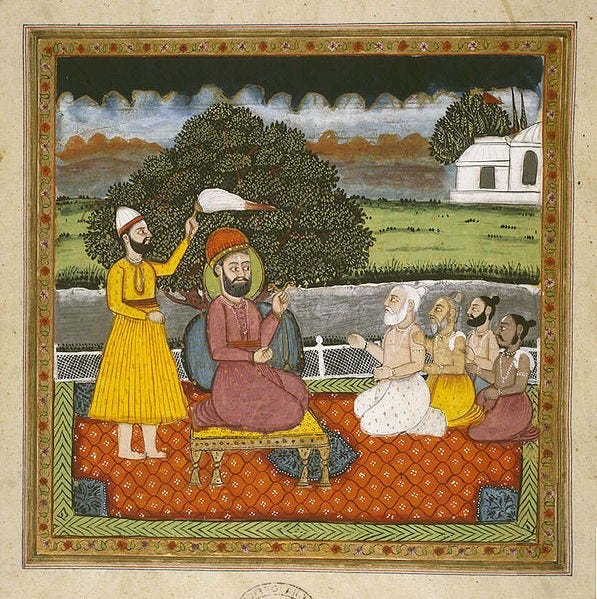
The Rigvedic ṛta, the Upanishadic Brahman, and the Gita’s call to selfless action all converge in his vision of Ik Onkar. The heritage of the Vedas was not lost—it was reborn, purified, and fulfilled in the Gurbani. As the child matures into the adult without denying its own infancy, so too the wisdom of the Vedas lives on in the revelation of the Guru. The same Eternal Word flows through both—first as seeking, then as realization; first as knowledge, then as love.
The Vedas were the dawn of Truth; Guru Nanak was its sunrise. In him, the hidden essence of the Vedic hymns—the oneness of existence, the sacredness of life, and the call to live in harmony with Divine Will—became a living path for all humanity. What began as mantra became Naam, what began as ritual became Kirtan, and what began as speculation became Sat. Through Guru Nanak, the ancient Word breathed again—alive, radiant, and eternal.
Thus, what began in the Vedas as an intimation of cosmic oneness found its clarity and fulfilment in Guru Nanak’s revelation of Ik Onkar. Yet the Indian spiritual landscape did not consist of Vedic thought alone. As this light moved forward in history, it encountered the critiques of Buddhism and Jainism—heterodox traditions that challenged ritualism, refined ethics, and deepened introspection. Their emergence, too, played a vital role in preparing the subcontinent for the universal path that Guru Nanak would later unveil, a theme explored in the next section.
Bibliography
Aurobindo, Sri. Isha Upanishad. Pondicherry: Sri Aurobindo Ashram Press, 1989.
Bhai Gurdas. Vaaran Bhai Gurdas. Various editions.
Bonhams. “Guru Nanak with Bhai Mardana.” Mid-19th-century Sikh/Pahari miniature, Guler School, Punjab Hills. Bonhams Auction Catalogue.
British Library. Prayer Book of Rani Jindan, c. 1828–30. MS Panj.D.4 f.9 (left). London: British Library.
Drishti IAS. “Bhakti and Sufi Movements in India.” New Delhi: Drishti Publications, 2024.
Gonda, Jan. “Ancient Indian Ṛta and Satya.” Indologica Taurinensia 5 (1977): 101–120.
Griffith, Ralph T. H., trans. The Texts of the White Yajurveda. 2nd ed. Benares: E. J. Lazarus, 1899.
Jamison, Stephanie W., and Joel P. Brereton, trans. The Rigveda: The Earliest Religious Poetry of India. 3 vols. Oxford: Oxford University Press, 2014.
Lalchand Research Library, DAV College Chandigarh. Rigveda Saṁhitā manuscript folio (Devanāgarī). Chandigarh, India.
Neki, Jaswant Singh. Guru Granth Sahib and Its Context. New Delhi: various Sikh academic editions.
Pingalwara Charitable Society. Japji Sahib: Gurmukhi with English Translation. Amritsar: Pingalwara Trust, n.d.
Sandness, Audun. “Visions of Existence in the Ṛg-Veda.” Numen 54, no. 2 (2007): 153–192.
Sri Guru Granth Sahib Ji. Standard edition. Amritsar: Shiromani Gurdwara Parbandhak Committee, 1954.
Virk, Hardev Singh. “IK-OANKAR: Guru Nanak’s Concept of Unity in Diversity of World Religions.” ResearchGate preprint, 2024.
Wikimedia Commons. “Illustrated Folio from the Prayer Book of Rani Jindan, 1828–30.”
https://commons.wikimedia.org
World History I. Open Educational Resources. University of Utah. https://pressbooks.oer.
“Vedic Period.” Encyclopaedia Britannica.
https://www.britannica.com
Angkor Wat. “Vyasa Dictating the Mahabharata to Ganesha.” 12th-century bas-relief. Siem Reap, Cambodia.
Wisdom Library. “Isha Upanishad.”
https://www.wisdomlib.org
Comments
Nothing yet. Say the first thing.
Sign in to join the conversation.